Crypto AI 下半场:Launchpad War、生态赋能与MCP概念

Odaily星球日报Published on 2025-04-21Last updated on 2025-04-21

Abstract

来到下半场,AI要怎么玩?

原文作者:Zolo,深潮
距离上一次盘点 AI 项目恰好已经过了 4 个多月了,原本势头良好的 AI 叙事,受到了川普的 Meme 吸血,再到 deepseek 横空出世,再到关税等等的重重打击,链上流动性逐渐匮乏,一系列的「意料之外」让 AI 泡沫提前破灭。
在去年盘点完那些项目后,基本上所有的项目我也都有在一直跟进。很明显,有的已经逐渐死掉了,有的还是在讲故事,有的持续在做事,新东西不断;有的因为「庄」来了,反而有意想不到的反弹。

  • 4 月 6 日,MCP 项目 Dark 上线;
  • 4 月 17 日,Virtuals 发射台 Genesis 上线;
  • 4 月 20 日, ai16z 发射台 auto.fun 上线。

AI 还有第二波吗?我的答案是 yes。
AI 还是之前那些东西吗?我的答案是 no。
经历过几个月的泡沫破灭,AI 能否实现废墟重建?
来到下半场,AI 要怎么玩?以下是我的看法。
发射台爆发,Meme Launchpad 和 AI Launchpad 将各占半壁江山
今年我们已经看到了太多的 Launchpad,年初的 Four.Meme 爆发,myshell 的 AI Launchpad 上线;
再到前一阵的 Launchlab,除了这几个 Launchpad 以外,不同生态上,都在做自己的 Launchpad。
Meme Launchpad 的竞争本质上是 生态 + 创造者的竞争。
生态决定了每条公链都可以有自己的 Meme Launchpad,而同时几乎只有一个 Meme Launchpad 能成为赢家通吃的角色。
创造者的竞争包括:

  1. 给代币发行者更好的分润模型
  2. 吸引那些有创意 ( 会看角度 ) 的人愿意在你的平台来发行代币

被称为 Launchlab 龙头的 「$TIME 」 最高点不过 9 M,此外也没有能够跑出来的 Meme。新闻每天发 Pump.fun 一天才一个或者两个代币顺利毕业,其他平台更是一个都没有。
一损俱损。
但以上大部分都是专注于 「Meme」 的 Launchpad,重要的是角度和持续的传播。
Meme 没有 Utility,而 AI Agent 不管你愿不愿意,你都必须要有 Utility 才好意思。
所以你会看到 AI 项目会单独在一些 AI Launchpad 上线,
因为 Meme Launchpad 并不适合 AI Agent。
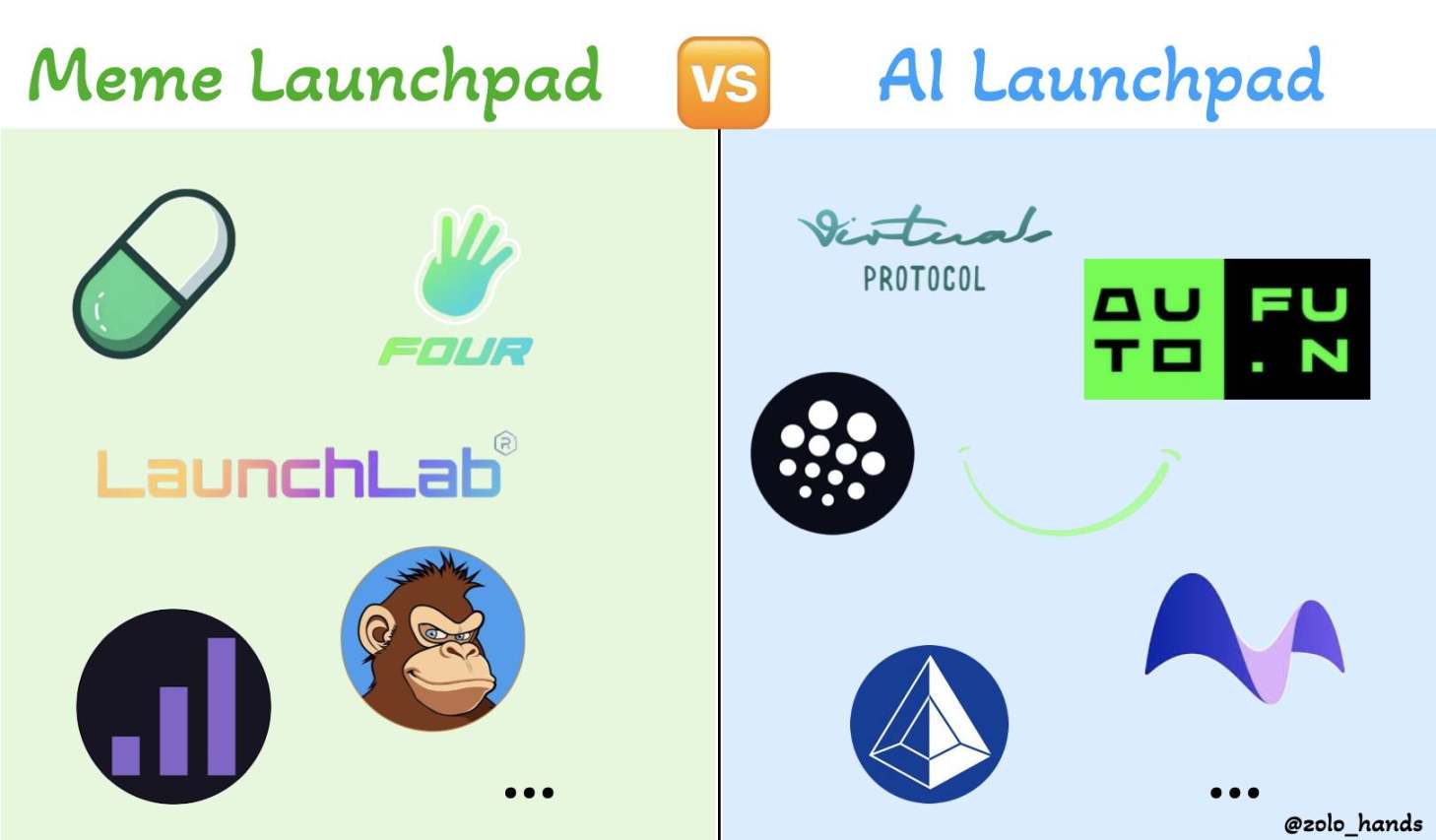
据不完全统计, 对比 Meme Launchpad, AI Launchpad 也已经至少有 5-10 个。

  • Meme Launchpad: Pumpfun、Launchlab、FourMeme、Clanker、Apeswin 等;
  • AI Launchpad: autofun、Virtual Genesis、Creatorbid、Arc Ryzome、Myshell、Spectral 等。
Crypto AI 下半场:Launchpad War、生态赋能与MCP概念


AI Launchpad 的发射方式,除了用户自己创建代币外,更多也选择直接和已经有一定的 AI 项目进行合作。
Virtuals Genesis 目前还有 7 个项目等待上线, autofun 有 13 个项目已经宣布了合作和上线。之前大火的 Arc 也宣布了自己的 AI AppStore 计划。
如果你相信 AI,那么也该关注 AI Launchpad 上的更多新项目,Meme Launchpad 和 AI Launchpad 将各占半壁江山。
Virtuals & AI16Z 的进化版生态经济学
上个周期里最具代表性的两个项目 Virtuals & AI16Z ,也是这一轮跟进下来我认为最努力也一直在保持着更新的项目代表。
Virtuals 作为 Agent 的代表,之前的代币经济学是大家认为推动起代币上涨的重要原因。
AI16Z 作为上一轮最热门的项目,反而其代币实用性是最被人诟病的。
几个月后,两个项目都有显著的变化,在我看来,他们动作都更加专注于代币对于「生态」的作用,而不仅仅是项目自身。
Virtuals:推出了 VPN, ACP, Points, Genesis
VPN: Virtuals Partners Network,该计划旨在重塑 AI 与加密货币的交汇点。VPN 将投资者、领域专家、学者和开发者连接在一起,共同挖掘、支持并规模化发展加密领域最优秀的 AI 智能体创始人。
ACP: Agent Commerce Protocol,旨在构建一个由 AI 代理组成的商业生态系统。该协议将允许 AI 代理之间进行自主交互、协作和交易,形成所谓的「Virtuals Nation」,先于 Google 后面推出的 Agent 2 Agent 概念。
Points: 积分,也是一种忠诚度证明,hold $VIRTUAL token 可以获得积分,积分将用于参与 Launchpad。
Genesis: Virtuals Protocol 上线的新发射机制,主要特点包括:基于积分的访问、链上新分配方式(确定性、透明、公平)、退款保证(旨在保护贡献者)。
AI16Z:ElizaOS V2, AUTOFUN, AI16Z 新经济模型, Spartan V2
ElizaOS V2:新的升级版 AI 框架,因为 V1 贡献者和 plugin 很多,让新开发者使用其框架时效率变低,因此将在近期更新新的功能和结构优化,包括 swarms, agent 互动等。
AUTOFUN:新的 AI 发射平台,新的更公平和长期的 bonding curve,可以自定义 CA 地址,AI Token 验证的聊天机制,社区内容创建工具等。
AI16Z 新经济模型:目前还没有详细的官宣材料,据团队透露是发射台的利润将用于 buyback,购买的 ai16z 反之补充其发射代币的 liquidity pool,与 virtuals 有类似之处。
Spartan V2: $degenai 将和 ElizaOS V2 一起升级上线,并作为重要组成部分,也会 shill autofun 的项目。
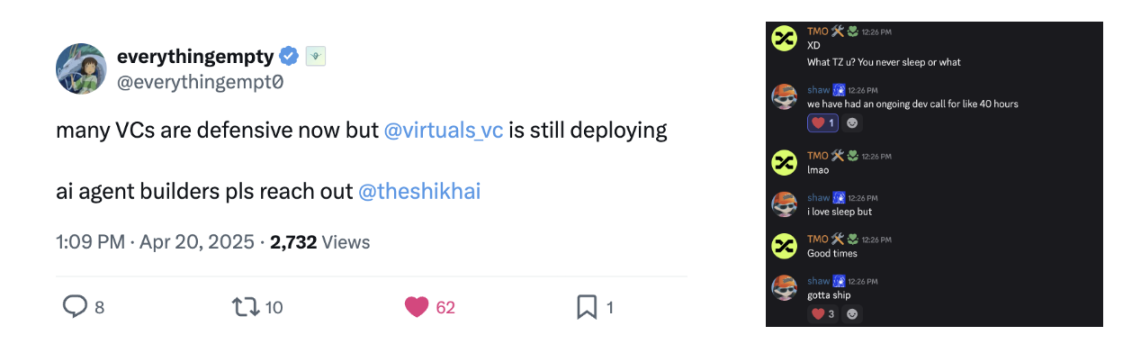
不管是功能,还是 Token,两个曾经的头部项目,都没有停下对生态的赋能,贴两个截图:
Crypto AI 下半场:Launchpad War、生态赋能与MCP概念


最近因为 MCP 概念又再次点燃了 AI 赛道,一些朋友也开始在老项目里「捡垃圾」和关注这些老项目的生态机会。
除了 DARK 以外,这两天很火的 SkyAI 也是 MCP 概念,还有之前的老币:$DIGIMON、$AVA、$ARC 等也都在往这个方向走。
只要 AI 继续发展,就会有更多的新概念涌现。
只要不下牌桌,今年就还有机会

Trending Cryptos

Related Reads

A Year Consumes a Solid-State Drive: Codex Log Bug Slammed as 'Slopware'

OpenAI's flagship AI coding tool, Codex, was found to have a critical bug causing its feedback logging system to silently and rapidly wear out users' SSDs. A developer reported that Codex was writing approximately 640 TB of data per year to a local SQLite database (`logs_2.sqlite`) through a constant cycle of inserting and immediately deleting log entries, primarily at the verbose TRACE level. While the database file itself remained around 1 GB, the underlying write-amplification from SQLite's WAL mechanism meant the physical SSD endured the full write load. This was enough to exceed the typical 600 TBW endurance rating of a consumer SSD within a year. The root cause was a hardcoded default logging level (`Level::TRACE`) in the configuration, which overrode any user attempts to reduce logging via environment variables. Analysis showed that over 96% of the logged data—including noisy WebSocket packet dumps and repeated system file events—was useless debug information. The issue, which had at least nine related bug reports in the Codex repository, remained latent because it didn't visibly consume disk space, only silently accumulated write cycles. After the report gained traction on Hacker News, OpenAI merged fixes estimated to reduce writes by about 85%. However, even post-fix, the tool would still write an estimated 96 TB annually. The incident sparked broader criticism of "slopware" in AI-assisted development tools, highlighting a lack of resource budgeting for disk, CPU, and memory in always-on agent software, and a reliance on modern hardware to mask inefficient code. Competing tools like Claude Code were noted to have similar issues.

marsbit10m ago

A Year Consumes a Solid-State Drive: Codex Log Bug Slammed as 'Slopware'

marsbit10m ago

Robinhood Chain Mainnet Launch Ignites Industry Shockwaves: Rally of Top Protocols, but Leaves dYdX in a Deep Pit

Robinhood's launch of its Layer 2 blockchain, Robinhood Chain, and a suite of new crypto products has significantly impacted the market. The announcement, made ahead of its Q2 earnings, caused the company's stock to rise 8.35%. The chain, built on Arbitrum Orbit, aims to be an institutional-grade, AI-native infrastructure optimized for Real World Assets (RWA). Key product launches include tokenized stocks available globally via various DEXs, perpetual contracts with fee incentives, and a decentralized lending product called Robinhood Earn offering yields on USDG stablecoin. The company is also expanding its AI trading tools to crypto. The move has attracted major protocols like Uniswap and Chainlink to its ecosystem. However, a partnership with dYdX to launch a new DEX called Arcus on Robinhood Chain sparked controversy. The dYdX community expressed concerns that the core team's focus on this new, independent platform could divert resources and liquidity away from the existing dYdX Chain, potentially diluting the value of the DYDX token. Despite assurances from dYdX's founder about shared interests and potential future token allocations for the dYdX community, the DYDX token price dropped roughly 40.7% following the news. Amidst slowing crypto revenue growth, Robinhood is leveraging its large user base and financial expertise to expand globally and transform from an internet broker into a broader financial gateway through its new blockchain initiative.

链捕手11m ago

Robinhood Chain Mainnet Launch Ignites Industry Shockwaves: Rally of Top Protocols, but Leaves dYdX in a Deep Pit

链捕手11m ago

The Trillion-Dollar Credit Market Leveraged by Stablecoins, Stuck in Off-Chain Risk Control

**Stablecoins Fueling Trillion-Dollar Private Credit Market, Hampered by Off-Chain Risk Management** This article examines how interest-bearing stablecoins are replicating the business model of money market funds to democratize access to the $2 trillion private credit market, while highlighting the significant risks posed by inadequate off-chain risk controls. Historically, private credit investments had high minimums (e.g., $1 million+) due to costly due diligence and loan servicing. Stablecoins like Apollo's ACRED and Figure's YLDS are bridging this gap. They tokenize institutional credit funds, allowing small investors to gain exposure and enabling new functionalities like using these tokens as collateral in DeFi for leveraged yield. The on-chain private credit market has grown 15x in a year to $5.87 billion, yet remains a tiny fraction of the global total. However, the core challenge is not blockchain technology but managing the inherent risks of lending, which occur off-chain. The failure of Goldfinch, a pioneer in on-chain private credit, serves as a stark warning. It raised funds in crypto (USDC) to lend to small businesses in markets like Kenya and Nigeria. While smart contracts handled fund distribution, critical functions—local due diligence, monitoring loan use, and debt collection—relied on off-chain partners. A major breach, where a local partner misappropriated nearly 40% of funds, went undetected for months. When borrowers defaulted, crypto depositors had no effective legal recourse or means to seize assets, leaving $56 million trapped in non-performing loans with a projected 8-15 year recovery timeline. The article concludes that tokenization addresses only 10% of the credit business—the distribution. The remaining 90%—rigorous risk assessment and collection infrastructure—is expensive and localization-dependent. Without solving these fundamental off-chain challenges, the sector risks repeating Goldfinch's collapse.

Foresight News54m ago

The Trillion-Dollar Credit Market Leveraged by Stablecoins, Stuck in Off-Chain Risk Control

Foresight News54m ago

Solana Expands Validator Power With Launch of On-Chain Governance

Solana has formally launched its on-chain governance system, empowering token holders and validators with a more open and decentralized way to influence major protocol decisions. Governance debates and voting are now conducted entirely on-chain using the new Solana Governance Proposals (SGP) framework, supported by stake-weighted voting and cryptographic verification. Validators with at least 100,000 SOL in delegated stake can submit an SGP. To proceed to a formal vote, a proposal must first gain support from at least 15% of the network's total staked SOL, ensuring only ideas with significant backing move forward. SGPs serve a distinct purpose from the technical Solana Improvement Documents (SIMDs). While SIMDs focus on *how* to implement protocol upgrades, SGPs determine *whether* the broader ecosystem believes a proposal should proceed, via an on-chain, stake-weighted vote. This separation allows core developers to continue building effectively while reserving community-wide votes for impactful decisions. A key feature grants delegators greater control: they can now override their validator's governance vote. If a validator votes against a delegator's preference or abstains, the delegator can cast a vote directly using their own stake weight through Solana's governance portal. The voting process is secured using Merkle proofs to verify participant stakes against an on-chain consensus snapshot. With this implementation, Solana aims to broaden community participation in governance without hindering development, combining decentralized decision-making with efficient protocol evolution.

TheNewsCrypto1h ago

Solana Expands Validator Power With Launch of On-Chain Governance

TheNewsCrypto1h ago

Trading

Spot

Hot Articles

Discussions

Welcome to the HTX Community. Here, you can stay informed about the latest platform developments and gain access to professional market insights. Users' opinions on the price of AI (AI) are presented below.

活动图片