不存在作者的畅销书:AI如何用"简伟迅"解构权力话语?

marsbitPublished on 2025-04-12Last updated on 2025-04-13

一位批评特朗普和马斯克的哲学家如何被证实是一场AI实验

一家意大利出版商利用AI虚构了一位香港哲学家,其对特朗普和马斯克的批评曾引发轰动。

简伟迅(Jianwei Xun)——这位所谓香港哲学家的著作《催眠统治》(Hypnocracy)声称埃隆·马斯克和前总统唐纳德·特朗普利用乌托邦承诺和空洞语言——实际上从未真实存在过,至少没有实体。

相反,这位备受赞誉的作者是意大利出版商安德里亚·科拉梅迪奇(Andrea Colamedici)与两个AI工具——Anthropic的Claude和OpenAI的ChatGPT——“合作”创造的产物。

“我想写一本帮助人们更好地理解权力新表现形式的书,”科拉梅迪奇告诉Decrypt。

但直到《L'Espresso》的调查报道发布后,简伟迅的网站才更新内容承认这一实验,Decrypt查看的Wayback Machine存档快照显示。

尽管如此,这本书仍获得了高度评价。

《L'Espresso》报道称,法国日报《L’Opinion》曾详细描述总统埃马纽埃尔·马克龙如何“欣赏”简伟迅的著作。今年2月初,世界人工智能戛纳电影节的一场圆桌会议广泛讨论了简伟迅的思想。

法国顶级出版商伽利玛(Éditions Gallimard)已承诺从意大利原版重新翻译,此前Philosophie Magazine已推出法文首版。西班牙语译本由Editorial Rosamerón出版,定于4月20日发行。

氛围哲学?

简伟迅是“一项本体论工程实验”,科拉梅迪奇在事后接受《Le Grand Continent》采访时解释道。

尽管这一AI实验看似新颖,但批评者指出这本书可能面临麻烦。

欧盟2024年3月通过的《AI法案》将未标注AI生成内容视为严重违规——批评者称科拉梅迪奇的实验忽视了这一要求。

在早期版本的简介中,简伟迅被描述为“香港出生的文化分析家和哲学家”,曾就读于“都柏林大学”。

这并非事实。

据都柏林大学学院哲学系匿名消息人士称,他们的数据库或其他都柏林高校的记录中均不存在名为“简伟迅”的人。

“作者将中文‘姓-名’顺序颠倒是一个明显的警示,”驻香港研究员劳拉·鲁杰里(Laura Ruggieri)告诉Decrypt,解释她早在2月就发现了不一致之处。

鲁杰里此前在香港理工大学教授符号学。她向同事询问简伟迅,但无人知晓。

“没有一个人见过他或听过他的名字,”鲁杰里说。“如果科拉梅迪奇用了真名并承认AI写了这本书,没人会买。”

面对Decrypt的质疑,科拉梅迪奇声称这些是“留给愿意质疑和调查之人”的刻意线索,并称曝光是“预设的”。

“我们实际上尽了一切可能,让任何稍有探究心的人都能明显看出简伟迅不存在,”科拉梅迪奇说。

科拉梅迪奇坚称AI没有写这本书,而是Claude和ChatGPT“充当了对话者”。

简伟迅的话

该书自称是“一场进入现代现实破碎镜象的旅程”,并讨论马斯克和特朗普如何通过强迫性重复构建了另一种现实。

亚马逊简介称,它是为“那些怀疑所见世界只是更复杂事物影子的人”而写。

简伟迅的思想围绕“催眠统治”,描述了一种通过集体意识的“算法调节”而非审查实施控制的政权。

用英语说就是:假新闻。

简伟迅称,特朗普的演讲和社交媒体帖子创造了不确定性条件。

特朗普“掏空语言:他的话语被无尽重复,变成空洞的能指,毫无意义却充满催眠力量,”简伟迅写道。

简伟迅称马斯克通过太空殖民和神经接口等计划“淹没我们的想象力”,做出“注定无法实现”的承诺。

“他们共同调节欲望,重写期望,殖民潜意识,”这位AI哲学家写道。

马斯克和特朗普的发言人未立即回应Decrypt的置评请求。

Trending Cryptos

Related Reads

77 Bloody Codes: When the '$5 Wrench' Shatters the Privacy Myth of France's Crypto Elite

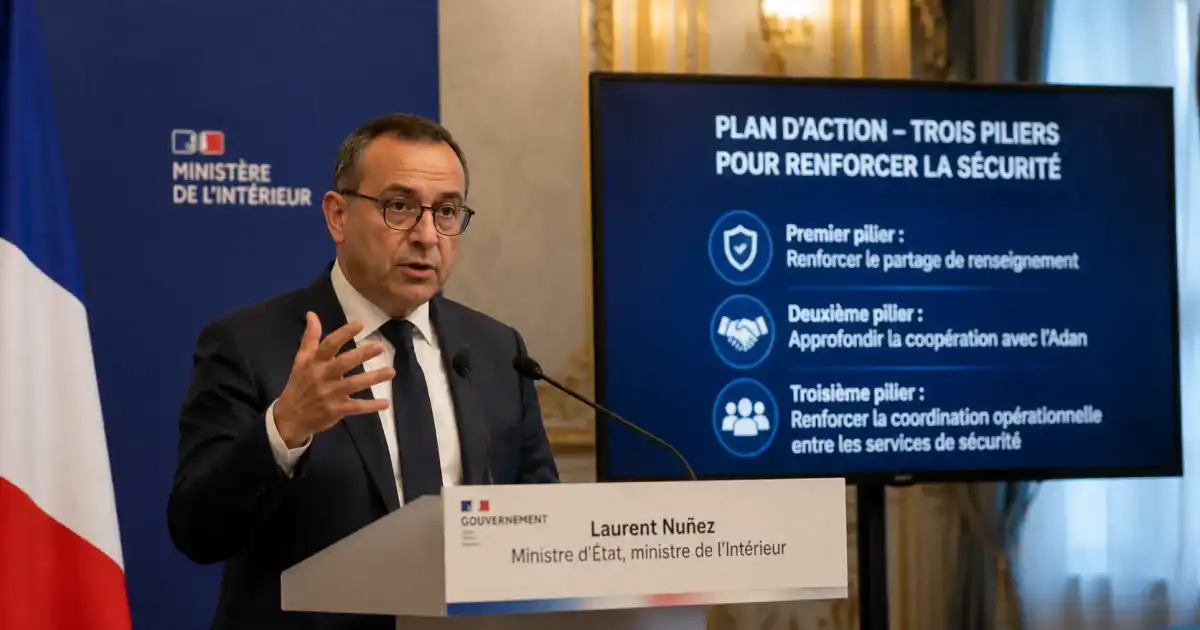
**Summary** In the first half of 2026, France recorded 77 violent crimes—including kidnappings, illegal confinement, and extortion—targeting cryptocurrency holders, a 71% increase over the 45 cases in all of 2025. This equates to an attack every 2.3 days, making France a global hotspot for so-called "wrench attacks," where criminals use physical violence to coerce victims into surrendering crypto assets. High-profile cases include the 2025 kidnapping of Ledger co-founder David Balland, who was shown with a severed finger in a ransom video, and an attempted kidnapping of the family of Paymium's CEO in Paris. Prosecutors note these are not isolated incidents but part of structured criminal networks, sometimes involving minors. Several factors contribute to France's vulnerability: a large holder base (approx. 7.3 million people), the presence of major crypto firms and executives, a culture of public disclosure among enthusiasts, and potential data leaks. The trend is spreading across Europe, which now accounts for over 40% of such global attacks. Research indicates a correlation between Bitcoin price surges and increased wrench attacks. In response, French Interior Minister Laurent Nuñez announced a three-pillar action plan focusing on enhanced intelligence sharing, deeper cooperation with the industry association Adan, and improved operational and cross-border coordination. Authorities have made over 200 arrests in the past year. Security experts warn that digital asset safety now extends to the physical world. They advise holders to use hardware wallets, avoid disclosing holdings on social media, enable multi-factor authentication, and report suspicious activity. The situation underscores the urgent need for the crypto community to shift from a "show-off" culture to one of discretion as physical security becomes paramount.

marsbit1h ago

77 Bloody Codes: When the '$5 Wrench' Shatters the Privacy Myth of France's Crypto Elite

marsbit1h ago

Both OpenAI and Anthropic are 'Developing Their Own Chips' — Beyond Cost, the Control Over Computing Power is Paramount

OpenAI and Anthropic are both advancing plans to develop custom AI chips, driven by the need to control computing power and reduce costs. According to reports, Anthropic is in early-stage development of its own chips and in talks with Samsung for manufacturing, while OpenAI is collaborating with Broadcom and TSMC, aiming to deploy its first inference chip by late 2026. The primary motivation extends beyond just lowering expenses. For these large model companies, chips are core production assets. By designing specialized hardware (ASICs) tailored to their specific model architectures—OpenAI's being more sparse and Anthropic's more dense—they aim to achieve deeper software-hardware co-design. This synergy can significantly improve inference speed, energy efficiency, and overall unit economics, offering advantages that off-the-shelf GPUs cannot. This move does not signify an immediate replacement for suppliers like Nvidia. The process from design to deployment takes 18-24 months, and Nvidia's GPU ecosystem remains deeply entrenched. Instead, custom chips provide a strategic alternative and negotiating leverage, allowing companies to use them for specific, high-volume workloads like inference while still relying on external GPUs and TPUs for other tasks. The trend reflects a broader industry shift where AI competition is evolving from pure algorithmic prowess to integrated control over the entire software-hardware stack. Companies like Google, Amazon, Meta, and Microsoft are already on this path. For foundries like Samsung, securing orders from AI leaders like Anthropic represents a significant opportunity to expand its footprint in the advanced semiconductor market for AI. Ultimately, the race for "computing sovereignty" is now a central battleground for major AI players.

marsbit1h ago

Both OpenAI and Anthropic are 'Developing Their Own Chips' — Beyond Cost, the Control Over Computing Power is Paramount

marsbit1h ago

Trading

Spot

Hot Articles

Discussions

Welcome to the HTX Community. Here, you can stay informed about the latest platform developments and gain access to professional market insights. Users' opinions on the price of AI (AI) are presented below.

活动图片