Crypto+AIWeb3最后得希望?

币界网Published on 2024-08-16Last updated on 2024-08-16

币界网报道:

Meme市场似乎面临崩盘,市场的焦虑情绪又开始蔓延。原因何在?缺乏新叙事呗,资金们倒是聪明的,统统都跑去蓝筹NFT上面了。

对于新的焦虑,今天在推特上看到几位KOL讨论AI,他们认为Crypto+AI可能是下一个叙事方向,也是未来的希望。作为正在从事相关业务的人,我今天顺便和大家聊聊这个话题。先说两个我自己的经历:

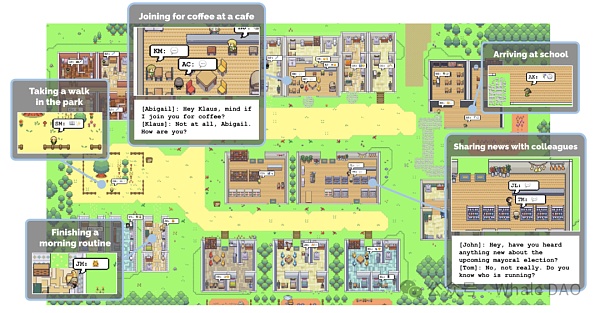
1.去年,ChatGPT引起了广泛关注,随后市场上推出了一款名为《斯坦福小镇》的游戏。在这个虚拟小镇Smallville中,研究人员使用GPT-4驱动了25个AI智能体,这些智能体在小镇上生活、工作、社交,并展现出复杂的行为模式,比如处理突发事件、等待使用公共设施、以及与他人交流等。尽管这项研究当时未开源,但现在已经开放了源码。我和朋友们也在本地部署了这款游戏并接入了GPT。玩了不到五分钟,我发现已经向OpenAI支付了十多块人民币的费用,在反复检查确认之后,我们得出了结论AI的使用成本真的不低。

2.今年,我们在云南的一座水电站内改造了一个AI算力工厂。这里曾是比特币矿场,因种种原因在2018年被弃用。今年我们将其重新改造并启用,使用Meta公司的Llama3,我们的客户是大数据公司,为他们提供算力支持。尽管是自有算力,但使用成本依然不低,现在是夏季丰水期还好说,等10月份后到了枯水期电力供应不足时,我们还得反向找当地国电网协商购买电力,届时成本会更高。

通过以上两个案例,我想告诉大家,AI的使用成本确实很高。当然有朋友会反驳,平时使用ChatGPT聊天,用文生图,图生视频,创作歌曲等AI工具不贵甚至免费,诚然这些业务并不算贵,但也只能限于这些简单的业务,对于复杂业务的成本依然是个大问题,这也是为什么我们去年会在市场上看到大量套壳GPT的所谓AI项目,毕竟贵的他们也开发不起,也不可能有人使用。

Crypto+AI的组合固然有潜力创造出许多创新产品,但目前最大的问题是AI调用成本太高,限制了大规模应用的可能性。对此,我想无论是VC还是项目方自己,心里都应该清楚。

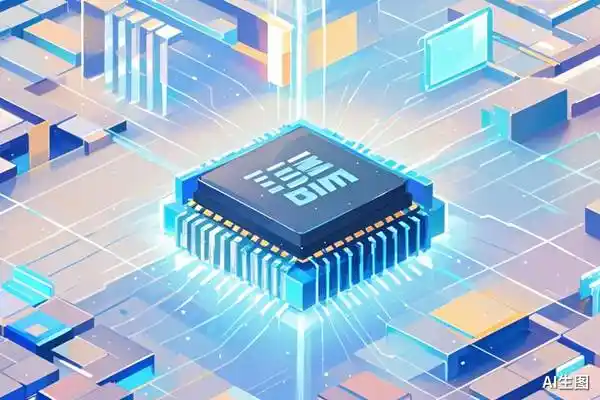
对于AI+Crypto这个赛道,我认为可能要等到下一个周期甚至再往后,才能真正实现规模化落地。在此之前,我们需要解决可控核聚变(低成本电力)和专门针对AI的Asic芯片(高效能低能耗)这两个关键问题。这将是AI+Crypto大规模应用的基础。

文章最后,我发个彩蛋,这里面可能蕴藏着巨大的机会哦。

可控核聚变可能是我们币圈人无法触及的未来,基本上没戏。但在Asic芯片方面,我们倒是有机会看到突破。目前,国内在AI专用Asic芯片研发领域做得最强的,应该是比特大陆。没错,就是那个造矿机的比特大陆,而且他们已经弄了好多年了,是不是有点出乎意料,又有点惊喜?如果真有那么一天,你们可以一人买一点,放到我们的算力工厂这里来托管,就像以前挖大饼一样。

Trending Cryptos

Related Reads

Google's 'Reasoning King' Also Departs for Meta, Originally Recruited by Fei-Fei Li

"Google's 'King of Reasoning' Leaves for Meta, Quietly Departing After Over Eight Years. Denny Zhou, a key figure behind Google's AI reasoning advancements including work showcased by CEO Sundar Pichai, has joined Meta's MSL as a research scientist. His low-profile move, discovered via a LinkedIn update, occurred months before the high-profile departures of Noam Shazeer to OpenAI and Nobel laureate John Jumper to Anthropic. Zhou was originally recruited to Google by Fei-Fei Li's China center initiative after nearly 11 years at Microsoft. This is part of a significant talent drain at Google, with top researchers like Shazeer (co-author of the Transformer paper) and Jumper (AlphaFold lead) recently leaving for rivals. Reports suggest internal friction is a contributing factor, particularly around Google's strategic shift. The company has reportedly formed a high-priority 'AI Coding Strike Team,' involving co-founder Sergey Brin, to urgently bridge the gap in AI coding agents, potentially reallocating resources and focus away from other research directions like DeepMind's 'world model' AGI approach. This pivot towards commercially-proven coding applications may have influenced departures, as hinted by Shazeer's comment about his compute allocation being given to another team. Meanwhile, Meta continues to bolster its team, also recently hiring UC Berkeley professor and 'security godmother' Dawn Song, along with her startup Virtue AI team, as a VP of AI research."

marsbit41m ago

Google's 'Reasoning King' Also Departs for Meta, Originally Recruited by Fei-Fei Li

marsbit41m ago

How Did Hundreds of Billions of Dollars Flow into SpaceX After Its Index Inclusion on June 26th? Will SpaceX Experience a Massive Price Surge?

Will SpaceX ($SPCX) stock surge when billions in passive index fund money flows in on the effective date? A common retail investor belief is that a massive wave of buying will hit on July 6th, when SpaceX joins the Nasdaq-100, potentially causing a huge price spike. However, the reality is far more complex and less dramatic. The anticipated billions are not controlled by a single entity but are spread across hundreds of passive fund managers (e.g., BlackRock, Vanguard) whose sole mandate is to minimize "tracking error." They aim to buy shares at prices as close as possible to the index's closing price on the effective date, not to aggressively drive the price up. There are two key index inclusion scripts: 1) For the Russell US Index (effective June 26th at close), buying is compressed into the final minutes via Market-On-Close (MOC) orders. 2) For the Nasdaq-100 (announced June 26th, effective July 6th), a 10-day window creates a layered game. Arbitrage funds buy early, betting on selling to passive funds later. Some index funds "front-run" by accumulating shares gradually before the deadline. The bulk of passive funds execute large MOC orders at the July 6th close, often trading directly with arbitrageurs. A critical wildcard is SpaceX's limited free float due to a standard 180-day post-IPO lockup. To avoid causing a massive price spike by competing for scarce shares on the open market, large funds will likely use off-exchange methods: 1) Negotiating large block trades (over-the-counter) with major holders. 2) Using derivatives like total return swaps with locked-up shareholders to gain economic exposure without physically buying the stock. Most of the index-driven buying will thus happen invisibly, not on public exchanges. For retail investors, trying to front-run these sophisticated flows is risky. More viable strategies include: waiting for post-inclusion volatility to subside before establishing a long-term position, or employing options strategies like selling strangles to profit from elevated, but potentially overstated, implied volatility around the event. In conclusion, while price appreciation may occur in the days following the announcement due to arbitrage and front-running activity, a single-day "explosive pump" on July 6th is highly unlikely. The major index fund buying will be executed efficiently and discreetly, often away from public markets, turning the anticipated climax into a well-orchestrated, anti-climactic settlement.

marsbit54m ago
How Did Hundreds of Billions of Dollars Flow into SpaceX After Its Index Inclusion on June 26th? Will SpaceX Experience a Massive Price Surge?

marsbit54m ago

Trading

Spot

Hot Articles

Discussions

Welcome to the HTX Community. Here, you can stay informed about the latest platform developments and gain access to professional market insights. Users' opinions on the price of AI (AI) are presented below.

活动图片