OLM 历程解析:从首个 IMO 到去中心化社区的演变

深潮Published on 2024-08-12Last updated on 2024-08-12

IMO让所有人能够以去中心化的形式投资AI,推动了整个AI行业的革新。

作者:氪rypto

引言

本文深入探讨 OLM (@OLM_Research) 的发展历程,从IMO(初始模型发行)的成功到现在成为去中心化社区,开始融入 ORA 生态系统。我们欣然见证一路以来ORA的OLM和IMO为人工智能模型开发带来的诸多影响。

1.初生:IMO历史首秀,创新开辟商业模式

1.1 IMO

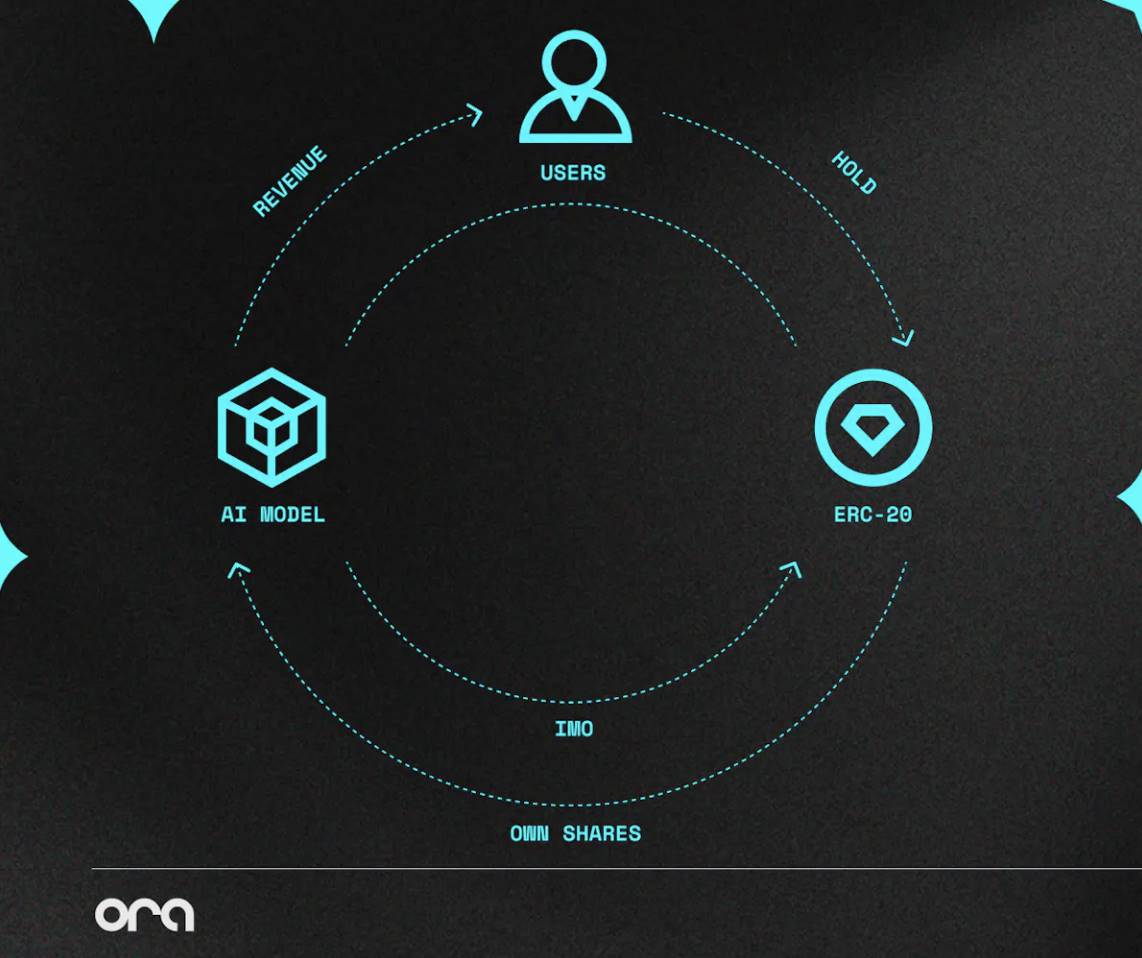
IMO,即初始模型发行,将开源AI模型的所有权代币化。IMO的引入,不仅将AI模型作为链上资产,还为持有者提供了类似股票股息的收益,带动了其商业价值。对于人工智能模型来说,IMO为开源项目提供可持续的资金来源,促进模型的传播和持续贡献。而且它还允许代币持有者通过收入和推理资产(如 ERC-7007)获取人工智能模型的价值。

可以说,是IMO凭借一己之力将整个AI行业的价值带入区块链,因此广泛被业内看好为本周期内最大的商业创新模式。
1.2 OpenLM

OpenLM由去中心化团队所创建,是一个执行语言建模(LM)存储库,旨在促进中型LM的研究,持有MIT许可。

1.3 OLM IMO

OLM的IMO 是全球首个 IMO,标志着人工智能与加密领域的结合,在以太坊上实现了模型的代币化,创造出与OpenLM模型愿景一致的生态系统,推动“开放式人工智能”的发展。OLM代币在市场中也表现出色,最高涨幅超过 60 倍,市值达到 6000 万,印证出IMO在AI行业中的巨大潜力和财富效应。

2. 驱动:社区自赋能,去中心化是关键

OLM ResearchOLM DAO是“IMO后”的两个社区自组织,体现了IMO概念中的“去中心化”和“开源开发精神”。
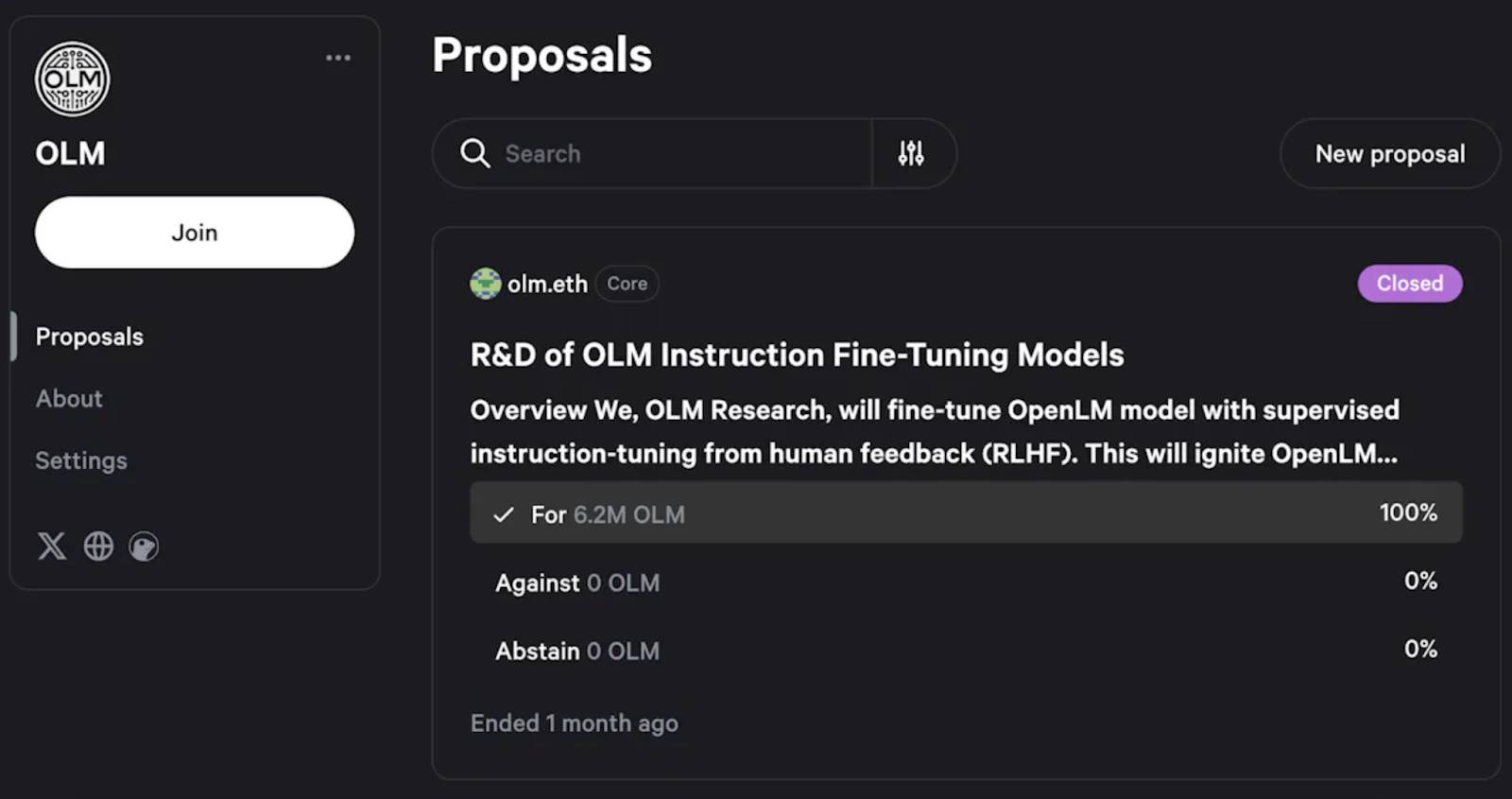
OLM的全开源属性,让所有人都能在其人工智能模型和其他基础上进行研发,从而激励社区为持续发展做出贡献。

OLM由社区和贡献者驱动,真正实现去中心化运营。这个显著特征突显出去中心化和协作精神,引领OLM之路迈向成功。

3. 研究:AI模型也在不断进步

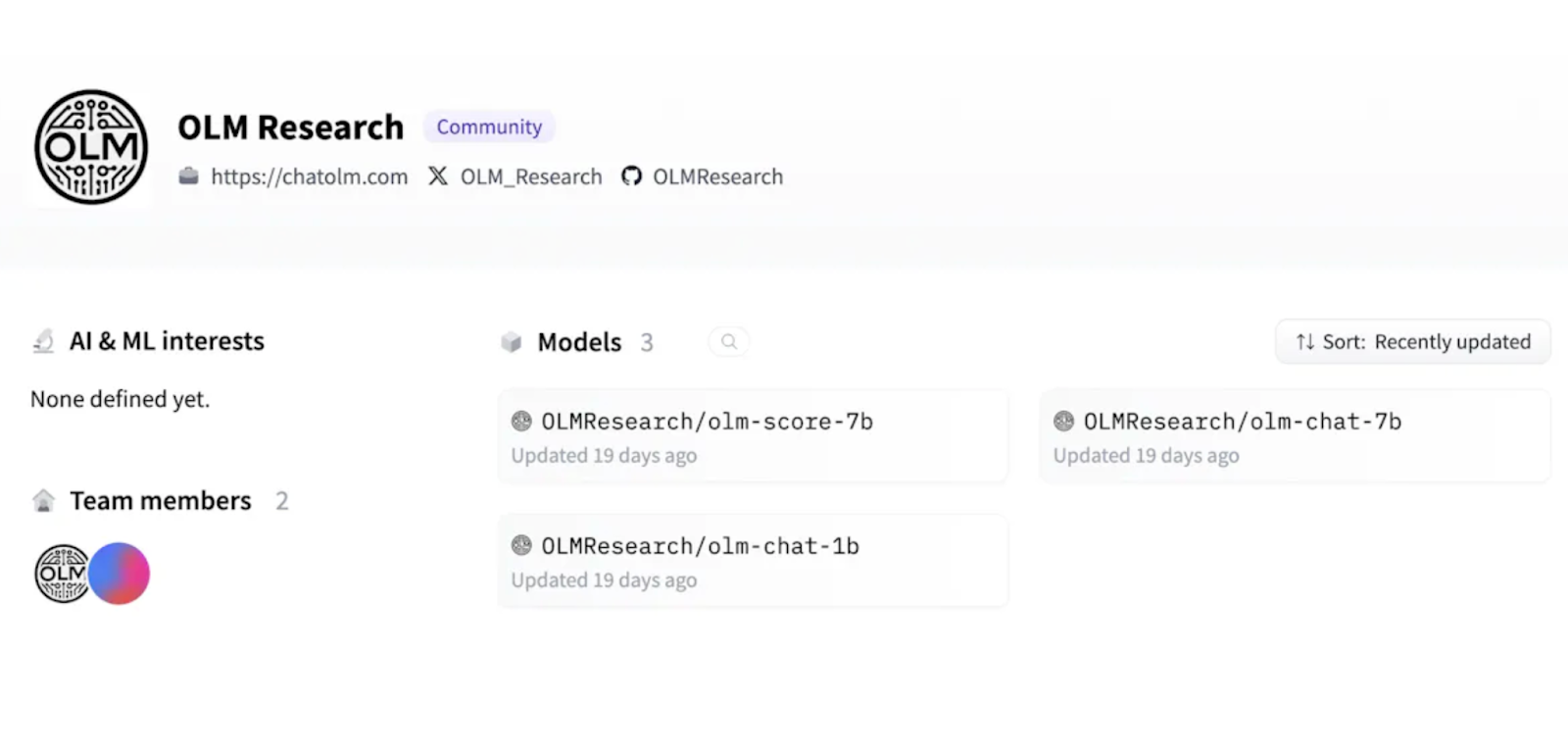
近期,OLM Research在人工智能模型开发方面取得了重大进展。在OpenLM初始模型基础上,取得的两项进展如下:

  1. 优化Open_LM模型:通过注意力机制(Attention Mechanism)和数据处理(Data Handling)升级了 OpenLM 模型。

  2. 引入微调模型(Fine-Tuned Models):基于OpenLM,引入微调模型(1B和7B open_lm Chat Models以及 (A.I.)location AI Model)。
4. 产品力Max的ChatOLM——去中心化AI聊天机器人

有了之前的工作为基础,OLM Research进一步推出ChatOLM——一款由$OLM链上人工智能驱动的去中心化AI聊天机器人。

ChatOLM由微调模式OpenLM模型驱动,还具有抗审查性,它利用以太坊将人工智能推理分配给ORA的OAO驱动的去中心化ORA节点。
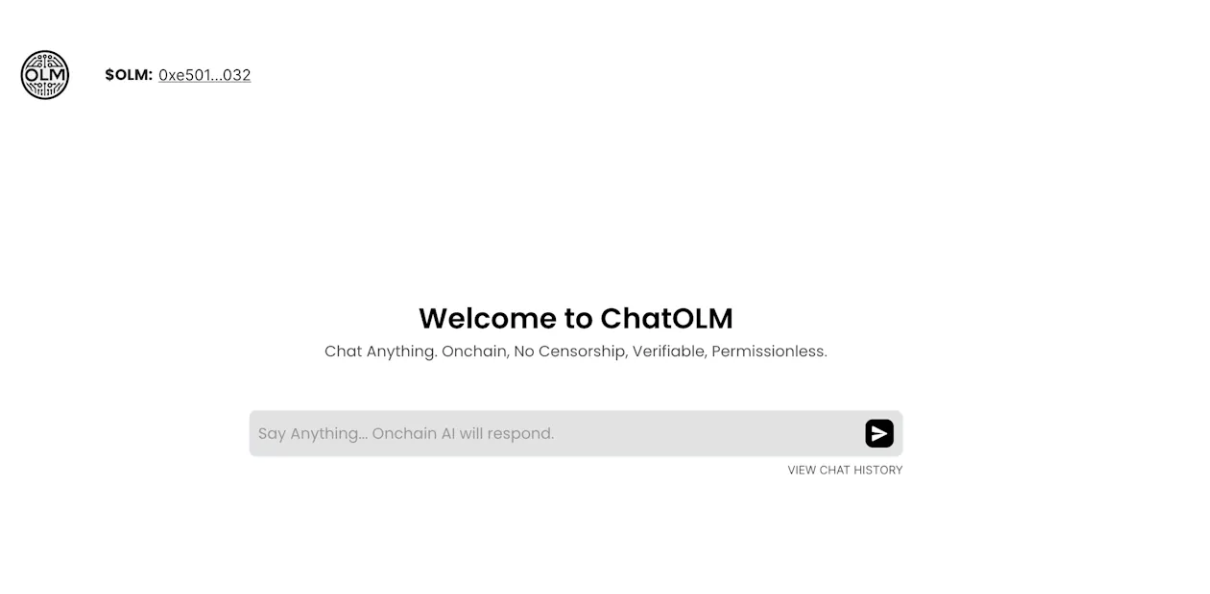
这个案例证明了OLM Research对衍生产品的开发能力以及交付能力。产品上线一个月后,就积累达8,000次以上的链上使用。

5. ORA 的贡献:不可或缺的中坚力量

ORA的支持,让OLM社区更加繁荣和去中心化,也给OLM的成功保驾护航:

  • 维护开源opML和OAO框架,为OLM的IMO提供技术基础设施

  • 将OLM开发的模型集成到Onchain AI Oracle(OAO)中,把OLM开放给区块链上的所有用户

  • 在与OLM相关的模型活动中,奖励ORA积分,鼓励用户使用和参与其中,孵化去中心化的人工智能生态系统。

6. 展望未来,潜力无限

OLM 的旅程证明了IMO的革新潜力,随着OLM Research的持续创新,去中心化人工智能的未来将更加可持续和社区驱动。IMO让所有人能够以去中心化的形式投资AI,推动了整个AI行业的革新。我们也期待OLM社区与开源AI创新不断发展。


Trending Cryptos

Related Reads

Borrowed Faith: How Much of the Bitcoin ETF Flows Are Real Money

"Rented Faith: How Much of Bitcoin ETF Flows Are Real Money?" Bitcoin ETF inflows are often seen as a barometer of institutional conviction. However, week-to-week analysis reveals they are primarily driven by a hidden arbitrage trade rather than directional bullishness. This is the cash-and-carry trade: buying the ETF while simultaneously shorting Bitcoin futures on the CME to lock in the price difference (basis). This delta-neutral activity registers as ETF inflows but reflects a rate-seeking, not price-betting, strategy. Data shows weekly ETF flow volatility is closely tied to hedge fund ("leveraged funds") short positions on CME futures, with a correlation of 0.70. About half of weekly flow variation can be explained by this single factor. In contrast, Bitcoin's weekly price changes have no statistically significant power to predict flows. Crucially, while this arbitrage trade dominates weekly *fluctuations*, it is not the main component of the cumulative *stock*. Of the ~$55 billion total net inflow, the estimated net arbitrage position is only about $1 billion. The vast majority is steady, directional buying averaging ~$400 million per week. Thus, ETF flows overstate the *volatility* of belief, not its *level*. The "rented" arbitrage capital churns, while "owned" directional capital forms the bedrock. This arbitrage trade has been unwinding for two years, with hedge fund shorts peaking at ~$14 billion in late 2024 and falling to ~$4.5 billion. Recent outflows align with basis compression, signaling the trade's exit, not a loss of faith. For Ethereum ETFs, the same dynamic is weaker due to negative carry from forgone staking yield. The key takeaway: To interpret ETF flows, watch the basis vs. Treasury yields and CME hedge fund net shorts. They reveal how much of the weekly "demand" headline is driven by rented, rate-seeking capital versus real conviction.

链捕手4m ago

Borrowed Faith: How Much of the Bitcoin ETF Flows Are Real Money

链捕手4m ago

Two Giants' Credit Expansion: Loan Balances of $9.9 Billion vs. $14.6 Billion, Brazil Emerges as the Main Battlefield

Title: Two Giants "Credit" Surge: Loan Balances of 99 Billion vs. 146 Billion USD, Brazil Emerges as Main Battlefield Summary: The article compares the rapid expansion of credit businesses by two major e-commerce and fintech players, Sea (via Monee) and Mercado Libre (via Mercado Pago), in overseas markets like Southeast Asia and Latin America, contrasting with a slowing domestic Chinese credit market. Using Q1 2026 financial data, it highlights their significant growth. Sea's Monee reached a loan balance of $99 billion, up 71% year-over-year (YoY), contributing 17.5% to Sea's total revenue. Mercado Pago's loan balance hit $146 billion, up 87% YoY, contributing 45% to its parent company's revenue. Both maintained stable risk metrics (e.g., Monee's 90+ day NPL at 1.1%) despite rapid scaling. Brazil is identified as a key and accelerating growth market for both. Sea's Brazilian operations saw loan volumes exceed $10 billion, growing 250% YoY, with SPayLater GMV penetration still low (~10%) indicating high potential. Sea also secured a key Brazilian financial credit license (SCFI). Mercado Libre's Brazil segment contributed over half (54%) of total group revenue, with its credit business there generating $11.24 billion in revenue, up 89% YoY and accounting for 12.7% of global revenue. Mercado Pago's credit portfolio, especially credit cards (46% of loans, +105% YoY), is a strategic focus, described as crucial as building logistics was a decade ago. Its net interest margin after loss (NIMAL) remains high at 17.8%. The article concludes that while Brazil presents immense opportunities, the success is largely driven by these integrated "e-commerce + fintech" giants with proprietary transaction data and ecosystems, making it challenging for standalone fintech players to compete effectively.

链捕手25m ago

Two Giants' Credit Expansion: Loan Balances of $9.9 Billion vs. $14.6 Billion, Brazil Emerges as the Main Battlefield

链捕手25m ago

Research Report Analysis: Is Intel Making a Comeback with Apple? Bernstein's Calculations Show the Right Direction, but the Price Is Already Overvalued

Bernstein analyst Stacy A. Rasgon published a report on June 18 regarding Intel, assessing the potential impact of recent political support for a US-based PC chip design and manufacturing collaboration between Apple and Intel. The report views this as a significant signal for the foundry landscape shift but concludes the initial financial contribution would be minimal. Key conclusions: 1) An Apple deal is seen as a small-scale "proof of concept." Even if Intel wins 40% of Apple's premium notebook chip orders (~5 million units/year), Bernstein estimates it would generate only about $500M in annual revenue and ~$0.03 EPS, negligible against Intel's ~$55B revenue. 2) Political encouragement is not equivalent to enforceable mandates. Winning orders ultimately depends on Intel demonstrating competitive technology (like its 18A node), cost, and reliable supply. 3) The path from validation to large-scale production involves significant challenges, capital investment, and time. Due to these uncertainties, Bernstein maintains a Market-Perform (Hold) rating with a $100 price target, implying potential downside from the ~$121.10 price at the report date. The analysis highlights the tension between near-term validation value—serving as a crucial trust signal for Intel's foundry ambitions and US supply chain resilience—and the long-term opportunity to attract larger cloud and AI chip customers. The investment thesis hinges on successful 18A execution and sustained policy support, not on immediate financial gains from Apple.

marsbit50m ago

Research Report Analysis: Is Intel Making a Comeback with Apple? Bernstein's Calculations Show the Right Direction, but the Price Is Already Overvalued

marsbit50m ago

Trading

Spot
Futures

Hot Articles

Discussions

Welcome to the HTX Community. Here, you can stay informed about the latest platform developments and gain access to professional market insights. Users' opinions on the price of AI (AI) are presented below.

活动图片