# Legal Battle的所有文章

在 HTX 新聞中心流覽與「Legal Battle」相關的最新資訊與深度分析。潘蓋市場趨勢、專案動態、技術進展及監管政策,提供權威的加密行業洞察。

Court Suspends Effect of Prediction Market Ban in Minnesota Before Its August 1st Start

A Minnesota court has temporarily blocked the state's ban on prediction markets from taking effect on August 1. The ruling, secured by companies Kalshi and Polymarket, allows these fast-growing platforms to continue operating. The case has significant implications for the crypto sector, as these markets are deeply intertwined with digital assets. Polymarket settles trades using blockchain stablecoins, and crypto-related contracts form a substantial portion of trading on both platforms. The legal fight will test how far states can go in regulating markets that increasingly involve digital assets, while regulators debate whether prediction markets fall under derivatives or gambling laws. The prediction market sector has grown dramatically, with monthly trading volumes reaching tens of billions of dollars in 2026. Crypto is a major trading category, accounting for roughly 20% of Polymarket's volume. The Minnesota case could determine whether these platforms develop under federal derivatives oversight or a patchwork of state gambling laws, shaping their future integration with blockchain-based financial infrastructure. While Kalshi, a CFTC-regulated exchange, currently leads in trading volume, Polymarket is reportedly seeking broader U.S. regulatory approval. The preliminary court order is a temporary reprieve; the broader legal question remains unresolved. The outcome will influence not only prediction markets but also how institutional investors view blockchain-based finance.

cryptonews.ru07/28 05:26

Court Suspends Effect of Prediction Market Ban in Minnesota Before Its August 1st Start

cryptonews.ru07/28 05:26

Kalshi and Polymarket Founders at Odds? This Business War Is Far More Brutal Than You Imagine

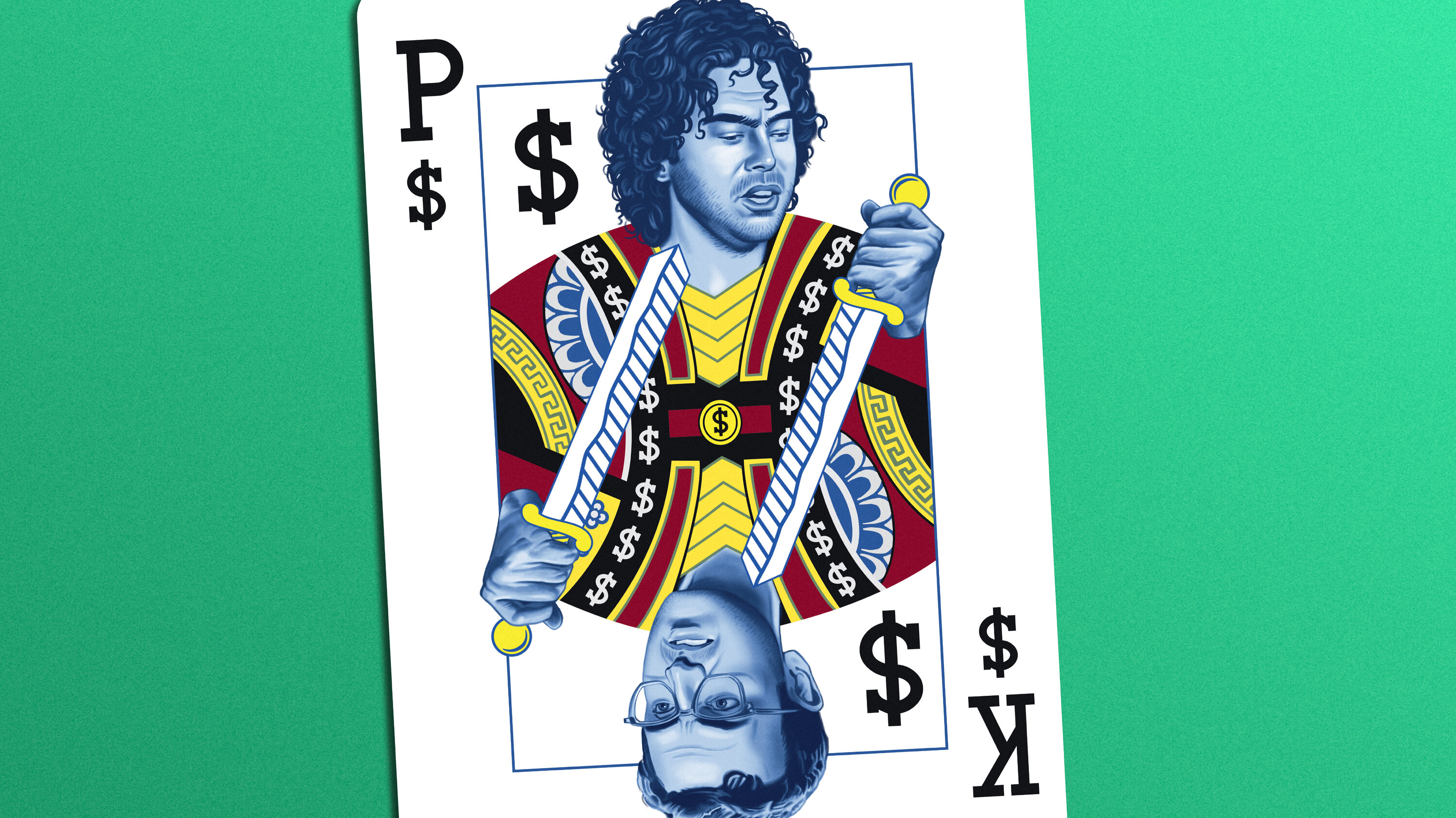
The New York Times details the fierce, personal rivalry between Kalshi CEO Tarek Mansour and Polymarket founder Shayne Coplan, which has escalated beyond typical business competition into a conflict marked by legal complaints, regulatory battles, and public hostilities. The feud intensified in late 2024 when FBI agents raided Coplan's New York apartment. While Coplan publicly blamed political motives, sources indicate his team privately suspected Mansour, noting that Kalshi's lawyers had previously reported Polymarket's operational model to federal prosecutors, highlighting that U.S. users could still access its offshore platform despite a ban. The animosity extends through their companies' operations. Kalshi positions itself as a compliance-focused, fully licensed U.S. operator, while Polymarket has historically operated its core platform offshore without a U.S. license, offering more anonymity and controversial betting markets. Mansour has publicly called Polymarket's model "illegal and immoral," while Coplan privately dismisses Kalshi as a copycat. Their competition has played out in Washington lobbying, attempts to sabotage each other's major deals (such as Kalshi's efforts to dissuade Intercontinental Exchange from investing in Polymarket), competing sponsorships, and poaching staff. The rivalry continues as both platforms experience massive growth, with Kalshi currently holding a valuation and trading volume edge, but facing ongoing regulatory scrutiny alongside Polymarket.

Foresight News07/21 11:34

Kalshi and Polymarket Founders at Odds? This Business War Is Far More Brutal Than You Imagine

Foresight News07/21 11:34

The Rise of Prediction Markets: Why Is This Trillion-Dollar Industry Making U.S. Regulators 'Sit on Pins and Needles'?

The article, "The Rise of Prediction Markets: Why Is the Trillion-Dollar Trend Making US Regulators Uneasy?", explores the rapid growth of prediction markets and the regulatory pushback they face. It argues that platforms like Polymarket and Kalshi, where users trade contracts on real-world outcomes, create highly efficient information aggregates. Their monthly trading volume has surpassed $24 billion, with projections pointing toward a trillion-dollar annual market by 2030. A core example is the 2026 Iran conflict, where prediction market signals accurately foreshadowed the disruption of the Strait of Hormuz and an oil price spike hours before official announcements, outperforming traditional analysts. The piece contends US regulators' primary motivation is not public protection but self-preservation and control. It cites a court ruling against the CFTC, which found the agency's concerns over market manipulation "speculative" and lacking concrete evidence. At the state level, the driving force is framed as lost tax revenue from traditional gambling, not documented social harm. Citing economist Friedrich Hayek, the article concludes that prediction markets excel by crowdsourcing decentralized, "local knowledge" into a dynamic, continuous price signal, offering a real-time reality check against official narratives and static forecasts.

marsbit06/15 08:56

The Rise of Prediction Markets: Why Is This Trillion-Dollar Industry Making U.S. Regulators 'Sit on Pins and Needles'?

marsbit06/15 08:56

活动图片