Crypto Bill Gets A Boost As US Senator Pulls Card Fees Measure

bitcoinist發佈於 2026-01-28更新於 2026-01-28

文章摘要

US Senator Roger Marshall proposed an amendment to a crypto market structure bill that would require large banks to allow at least two unaffiliated networks to process debit and credit card transactions. The measure aims to increase competition and lower swipe fees for merchants, which typically range from 1.5% to 3.5%. While supported by retailers and consumer advocates for potentially reducing costs, banks and card networks warn it could increase fraud risks and implementation expenses. The amendment, which could also affect crypto debit card networks, was temporarily set aside during committee discussions due to concerns about complicating the broader bill. Support and opposition cross party lines, leaving the outcome uncertain.

Senator Roger Marshall moved to add a swipe fee rule to a crypto market structure bill last week, a step that briefly put card fees back in the spotlight as lawmakers weigh how to rein in rising costs for small sellers.

The change would push banks and payment networks to allow more than one route for processing card payments, giving merchants a choice that could drive down swipe fees. Some analysts also say it could have implications for crypto payment solutions in the US.

Marshall Files Swipe Fee Amendment

According to reports, the amendment filed by the Republican lawmaker would require large banks to let at least two unaffiliated networks handle debit and credit transactions.

That is meant to let merchants pick the cheapest route. Swipe fees, also called interchange fees, are usually in the 1.5%-3.5% range on most purchases.

Small stores say those charges add up fast. Reports say some retailers supported the idea because it could lower their costs and help them keep prices steady for shoppers. The amendment could even affect crypto debit card networks that process payments for digital currencies.

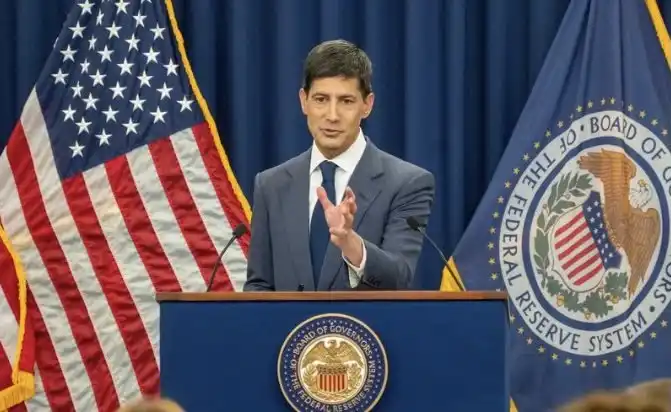
Senator Roger Marshall addressing the committee during a hearing earlier this January. Source: YouTube

What The Measure Would Change

The plan echoes a long-running effort known as the Credit Card Competition Act. Under that law, the aim is to break the near-exclusive hold that a couple of big networks have on transaction routing.

Supporters argue that adding competition would force fees down. Banks and card firms warn that changing the rules might raise fraud risks and could make new rules costly to implement.

The tradeoffs are plain. Competition could mean savings for stores. It could also mean changes to how banks protect customers. Some lawmakers worry that forcing changes might unintentionally affect crypto platforms integrated with traditional payment networks.

BTCUSD now trading at 87,816. Chart: TradingView

On Crypto, Politics And Pushback

Reports have disclosed that the swipe fee idea did not make it onto the final agenda at a recent committee markup. Marshall reportedly agreed not to press the amendment at that stage, after talks with other senators and concerns from various groups.

Some lawmakers were wary of adding a high-stakes fight to a bill they want to keep moving. The White House and some senators were said to be uneasy that the swipe fee fight might derail broader market rules being debated. Support and opposition cross party lines, which makes any final outcome uncertain.

Who Stakes Claim

Merchants and retail groups are vocal. They want lower costs now. Consumer advocates back measures that aim to lower everyday prices.

On the other hand, banks, many credit unions, and card networks say their systems are finely tuned to stop fraud and that any forced changes risk weakening those safeguards. Reports note that smaller financial firms worry about compliance costs that could hit their customers.

Featured image from Pexels, chart from TradingView

相關問答

QWhat did Senator Roger Marshall propose adding to the crypto market structure bill?

ASenator Roger Marshall moved to add a swipe fee rule amendment to the crypto market structure bill.

QWhat is the main goal of the swipe fee amendment?

AThe main goal is to require large banks to allow at least two unaffiliated networks to handle debit and credit transactions, giving merchants a choice that could drive down swipe fees.

QWhy did the swipe fee amendment not make it onto the final agenda at the recent committee markup?

ASenator Marshall agreed not to press the amendment after talks with other lawmakers and due to concerns from various groups, as some were wary of adding a high-stakes fight that might derail the broader market rules being debated.

QHow could the swipe fee amendment potentially impact crypto payment solutions?

AThe amendment could affect crypto debit card networks that process payments for digital currencies by introducing more competition and potentially changing how these platforms are integrated with traditional payment networks.

QWhat are the main arguments from supporters and opponents of the swipe fee rule change?

ASupporters argue that adding competition would lower fees for merchants and help keep consumer prices steady. Opponents, including banks and card networks, warn that it might increase fraud risks and impose costly implementation requirements.

你可能也喜歡

光芯片,集体扩产

近日,全球光芯片产业链密集出现扩产、投资与供应链绑定动作,以满足AI数据中心对光互连能力激增的需求。 美国方面,Coherent获政府资助扩建德州6英寸磷化铟(InP)产线,产能将提升至4倍,NVIDIA已对其战略投资并锁定未来产能。Lumentum在北卡罗来纳州新建激光器工厂,Nokia则在宾夕法尼亚扩建光子芯片先进测试与封装产能。日本材料商JX Advanced Metals计划大幅投资,将InP衬底产能提升7-10倍。欧洲方面,IQE与Tower Semiconductor达成InP外延片供应协议,推动硅光平台与III-V材料集成;ST计划在法国大幅提升300mm硅光产能;Sivers Semiconductors与格芯合作开发集成激光器的硅光方案。 国内光芯片产业链同样迅猛发展。东山精密旗下索尔思光电宣布投资12亿美元在常州扩建光芯片及光模块产能。三安光电已具备6英寸InP光芯片量产能力,云南锗业亦启动磷化铟单晶片扩产项目。产业链正从模块组装向材料、芯片、封测等全环节延伸。 行业分析指出,无论未来采用可插拔、CPO(共封装光学)还是其他架构,AI算力增长对带宽的需求将持续推高光芯片用量。目前CPO面临技术挑战,可能放缓落地,但光源路线呈现多元化(如硅光+连续波激光器、VCSEL、MicroLED等),将在不同应用场景分层并存。这场全球扩产竞赛实质是各国对AI数据中心光互连时代的关键布局,光子产业链已进入白热化竞争阶段。

marsbit16 分鐘前

光芯片,集体扩产

marsbit16 分鐘前

英特尔 CEO 陈立武首次播客访谈:我们的目标是“5-10 年 10 倍”,押注先进封装、玻璃基板和人工钻石

英特尔CEO陈立武在接受播客访谈时,提出了“5-10年实现10倍回报”的股东回报目标,并系统阐述了其领导下的转型战略。面对传统工艺微缩接近物理极限的挑战,他将突破点聚焦于先进封装技术(如EMIB)、新型基板材料(如玻璃基板)以及氮化镓、碳化硅和人工合成钻石等半导体新材料,旨在通过材料科学与封装创新延续性能增长。 陈立武将转型过程分为“爬、走、跑”三个阶段。目前英特尔处于夯实基础的“爬行”阶段,首要任务是稳固资产负债表、聚焦简化产品线、并倾听客户需求。他特别指出,智能体AI和推理场景的爆发正带动CPU需求强劲回升。 在代工业务方面,他强调这是一门“信任的生意”,核心是提升良率、缺陷密度和周期时间等基础能力,以服务客户并保障美国本土供应链安全。他同时透露,与埃隆·马斯克合作的Terafab项目进展顺利,双方正共同应对AI算力增长带来的半导体基础设施挑战。 陈立武认为,市场目前低估了英特尔的长期潜力。他预计到2030-2032年,外界将真正看到其在PC基本盘之外,于边缘计算、物理AI与智能体AI等新兴市场的价值。通过整合XPU(混合架构)、先进封装与代工能力,为不同工作负载提供定制化芯片解决方案,是其为英特尔锚定的长期战略方向。

marsbit4 小時前

英特尔 CEO 陈立武首次播客访谈:我们的目标是“5-10 年 10 倍”,押注先进封装、玻璃基板和人工钻石

marsbit4 小時前

交易

現貨
合約
活动图片