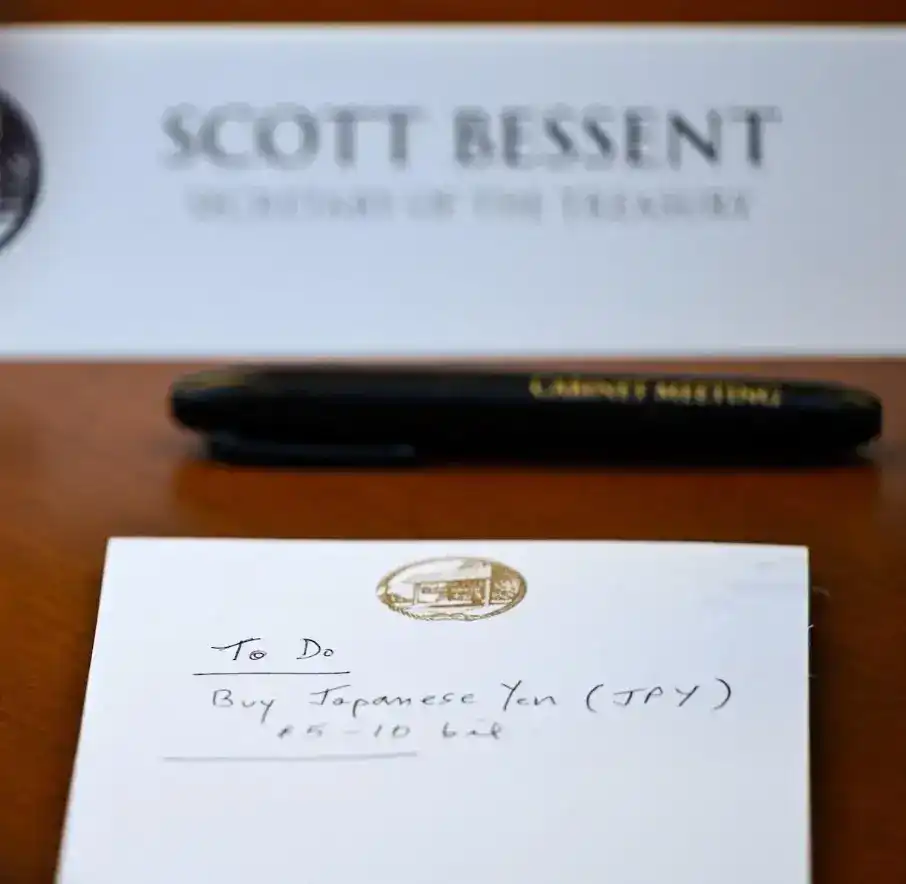
Lunar New Year’s fifth day, traditionally a day for Chinese to "welcome the God of Wealth," saw markets hoping for prosperity and smooth sailing. But in Washington, what arrived was a judicial "headwind." On February 20 local time, the U.S. Supreme Court ruled 6:3 that the Trump administration’s broad tariffs implemented under the International Emergency Economic Powers Act (IEEPA) lacked legal authorization. Within hours, the White House shifted course, with Trump announcing a 10% global tariff on top of existing duties. All current national security tariffs are fully effective immediately.
A tug-of-war over trade and presidential power has entered a new round.
Sources told The New York Times that when the Supreme Court decision was announced, Trump was meeting with governors at the White House. An assistant handed him a note, and he immediately called it "disappointing." Later, at a press conference, Trump angrily criticized the Supreme Court justices, calling them "fools and lackeys."
More Than Just Tariffs Halted
The Supreme Court’s majority opinion held that IEEPA does not grant the president unilateral authority to impose widespread tariffs on global goods. In other words, the president can declare an emergency but cannot use it to establish a常态化 tariff system.
The practical impact of this ruling is evident at least on two levels.
First, at the policy implementation level. The core tariff framework Trump relied on over the past year has been overturned. Although some tariffs based on national security provisions (Section 232) or 301 investigations may remain, the most efficient and broad-reaching tool has been judicially否决.
Second, at the fiscal level. Multiple institutions estimate that if the relevant tariffs are ultimately deemed invalid, the U.S. government could face massive refund pressures, potentially amounting to hundreds of billions of dollars. Bloomberg cited trade lawyers stating that the refund issue "will become the focus of the next round of litigation."
More importantly, policy certainty is declining. Businesses cannot predict the structure of trade costs for the next six months—precisely the variable global supply chains most fear.
Trump’s "Backup Button"
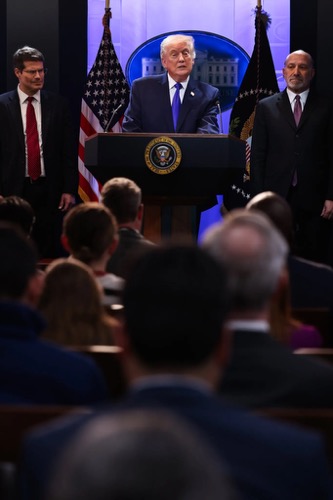
Facing the ruling, Trump’s response was very强硬. He stated at the White House, "There are many methods, many powers."
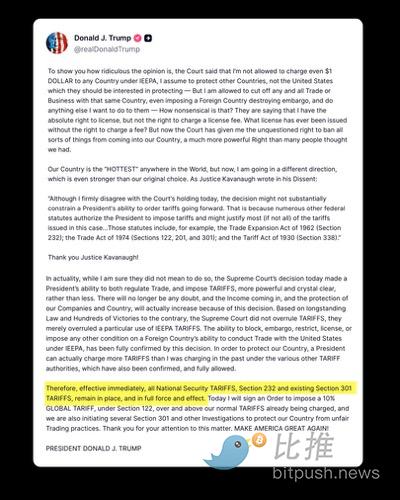
The White House plans to implement a 10% global temporary tariff within days under Section 122, lasting 150 days. If Congress does not extend it, the measure automatically expires. This clause has rarely been used historically and was originally designed as a short-term tool to balance trade deficits.
Simultaneously, Trump has not ruled out pushing Congress to legislate, granting the president clearer tariff authority. Some Republican lawmakers have publicly expressed support. However, given the narrow seat margins in both chambers of Congress, whether it can顺利推进 remains uncertain.
A Republican strategist told media that tariffs are the "cornerstone" of Trump’s economic agenda, and "he won’t give up easily."
Yale University’s Budget Lab has been simulating the impact of tariff policies during Trump’s potential term and released a new report based on the president’s latest remarks.
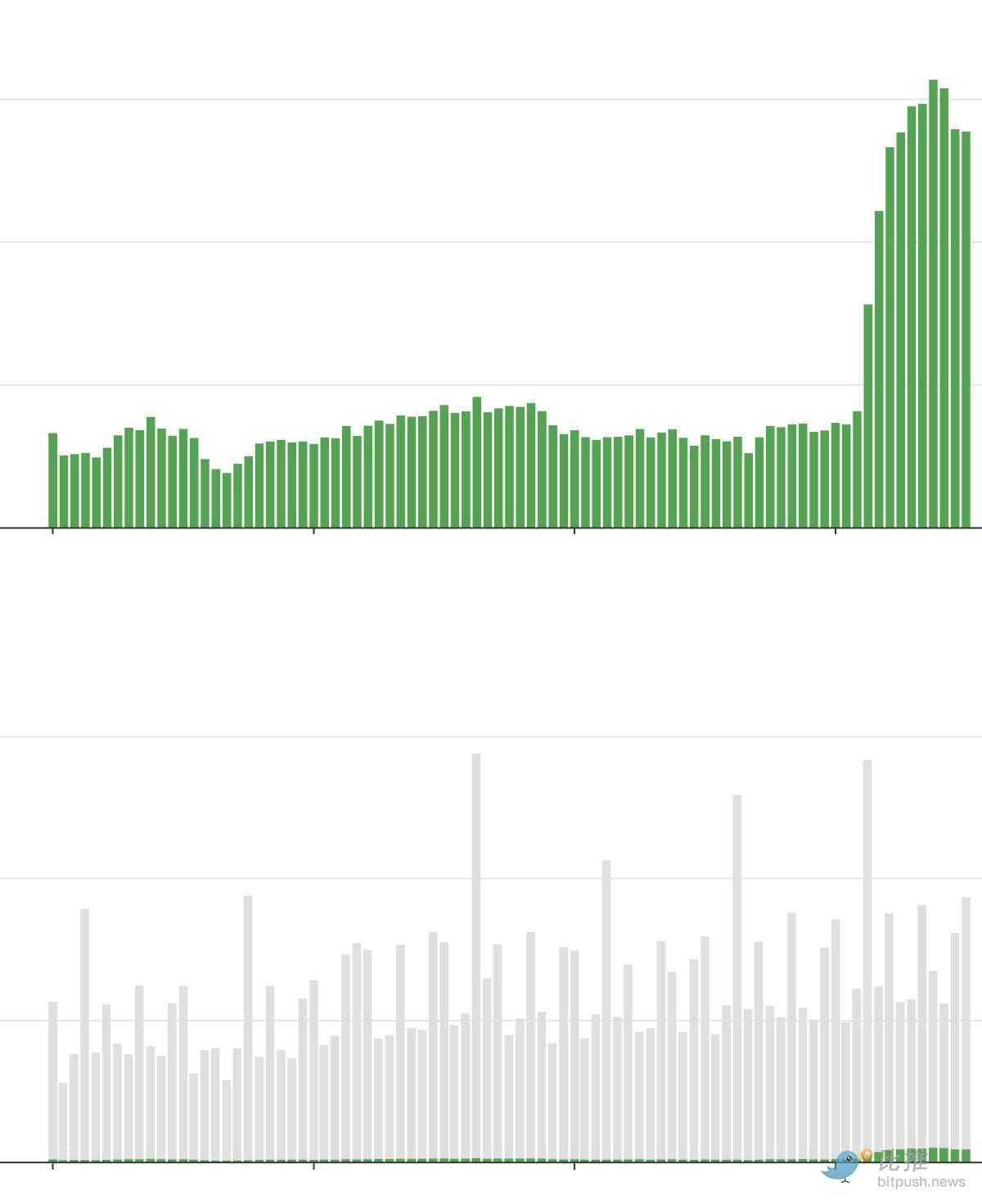
According to the Budget Lab’s estimates, before today’s Supreme Court ruling, the overall effective tariff rate (the average tax paid on all imported goods) was 16.9%. If the tariffs rejected by the Supreme Court become无效 and are not replaced, this number would drop to 9.1%.
But if Trump follows through on his plan to levy a 10% tariff on all goods using different legal grounds, and if he can maintain this policy, the Budget Lab estimates the effective tariff rate would eventually reach 15.4%—almost returning to the level before the day began.
Market Reaction Muted
Market volatility was limited that day. The three major U.S. stock indices rose, as investors believed corporate cost pressures might阶段性下降. In the S&P 500, manufacturing and retail sectors reliant on imported components saw relatively明显的 gains. The crypto market experienced a short-term boost. Bitcoin briefly approached $68,000, with some altcoins rising over 5%. Analysts pointed out that reduced expectations of trade friction boosted risk appetite.
However, as Trump announced the new tariff plan, the rally became more克制. The market quickly realized this wasn’t the end of policies but a路径重组.
Dual Economic and Political Pressures
The complexity of the tariff issue lies in its dual nature as both an economic tool and a political topic.
On the economic front, tariffs are generally seen as policies that raise import costs and potentially push up prices. Some Republicans私下 believe the drag on economic growth from tariffs cannot be ignored, especially with midterm elections approaching.
John Iselin, Deputy Director of Economic Analysis at Yale's Budget Lab, stated that Trump’s tariff policies have so far not achieved their goals of revitalizing U.S. manufacturing or reducing the trade deficit, but even economists who generally oppose import taxes acknowledge that tariffs have successfully increased fiscal revenue.
John said: "Frankly, compared to other viable revenue-raising options, tariffs are a more regressive way to raise revenue; there is a vast body of economic literature demonstrating the negative economic impacts of tariffs. But at the same time, we truly need significant fiscal revenue in the coming decades."
On the political front, Democrats have made "rising living costs" a primary attack point. A Democratic strategist in Pennsylvania told NBC that the price pressures from tariffs "have already had a real impact."
Meanwhile, the Trump camp emphasizes trade balance and manufacturing回流, viewing tariffs as a necessary means.
The core of this debate is not just trade itself, but the boundaries of U.S. presidential power during economic emergencies.
What Happens Next?
In the coming weeks, three issues warrant attention:
First, whether the newly announced 10% temporary tariff is implemented as scheduled and whether its scope expands;
Second, whether the refund issue enters judicial proceedings and the scale of its fiscal impact;
Third, whether Congress attempts to legislate to grant clearer tariff authority.
In the short term, markets may oscillate between "risk alleviation" and "policy volatility."
In the medium term, business decision-makers may delay some investment and expansion plans, awaiting policy clarity.
In the long term, this ruling could reshape the legal framework of U.S. trade policy.
A former federal trade official told Bloomberg: "What truly matters is not this particular tariff, but what the president can do in the future."
Author: Seed.eth
Twitter:https://twitter.com/BitpushNewsCN
Bitpush TG Discussion Group:https://t.me/BitPushCommunity
Bitpush TG Subscription: https://t.me/bitpush