Is South Korea set to get its own KRW-pegged stablecoin soon?

ambcrypto发布于2026-03-28更新于2026-03-28

文章摘要

South Korea is moving closer to potentially launching its own KRW-pegged stablecoin, driven by its large and active retail crypto market. With over 18 million citizens already participating in crypto trading, the market is fast-moving and retail-focused, at times rivalling traditional equity markets. However, inefficiencies like the "Kimchi Premium"—where crypto assets trade at higher prices on local exchanges—highlight strong local demand and limited capital flow flexibility. A KRW-backed stablecoin could reduce reliance on USD-based stablecoins, improve liquidity in KRW trading pairs, enable faster settlement, and leverage existing market support from large players on Korean exchanges. Despite the potential benefits, regulatory hurdles remain a significant challenge.

South Korea could be closer than expected to launching its own stablecoin! With chatter around a KRW-backed token picking up, the country is becoming one of the most closely watched markets.

Here’s why.

South Korea – One of the world’s biggest retail markets

With over 18 million citizens already participating, South Korean crypto trading is fast-moving and retail-centric. At multiple points, their activity has rivalled traditional equity markets!
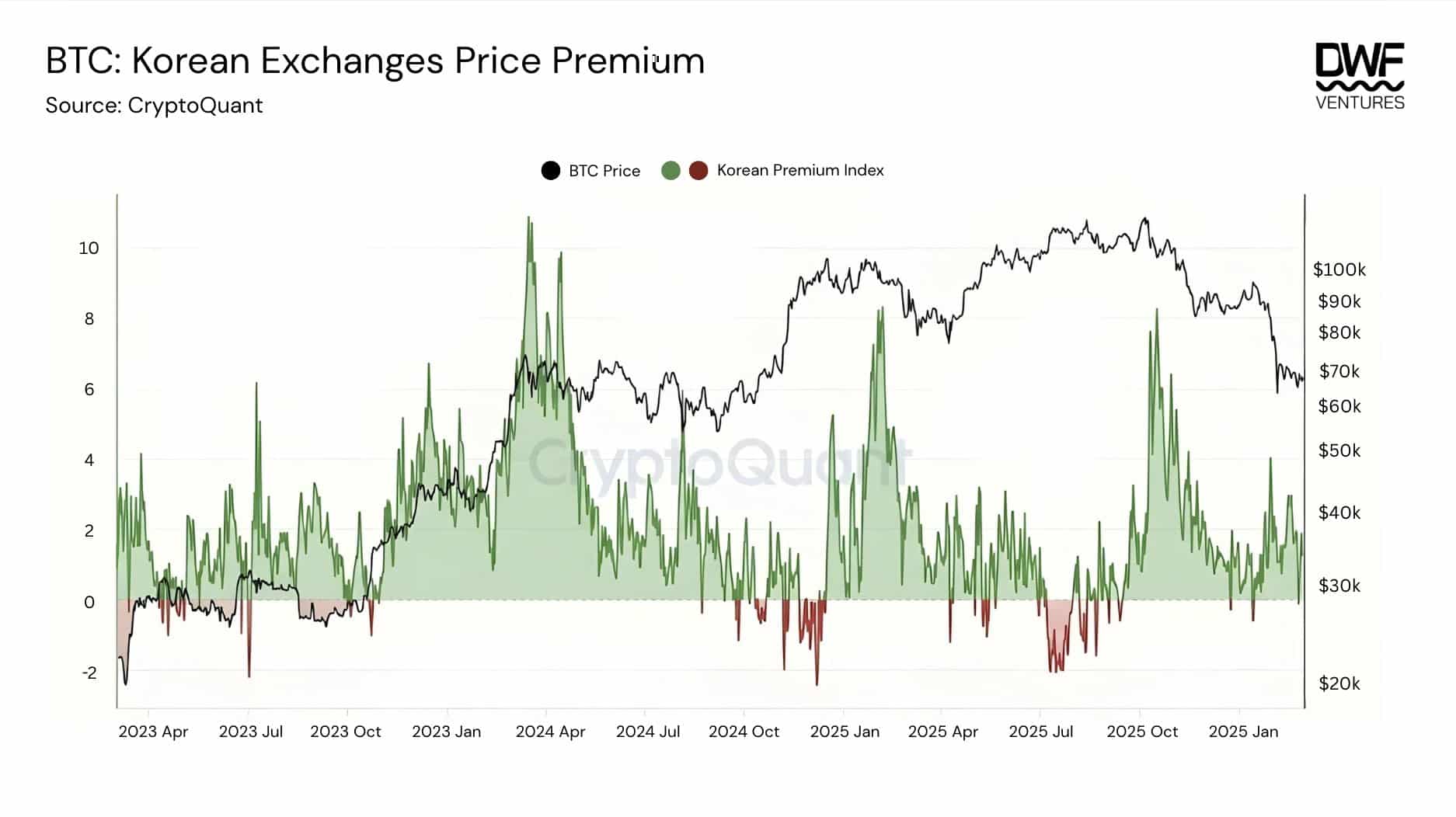
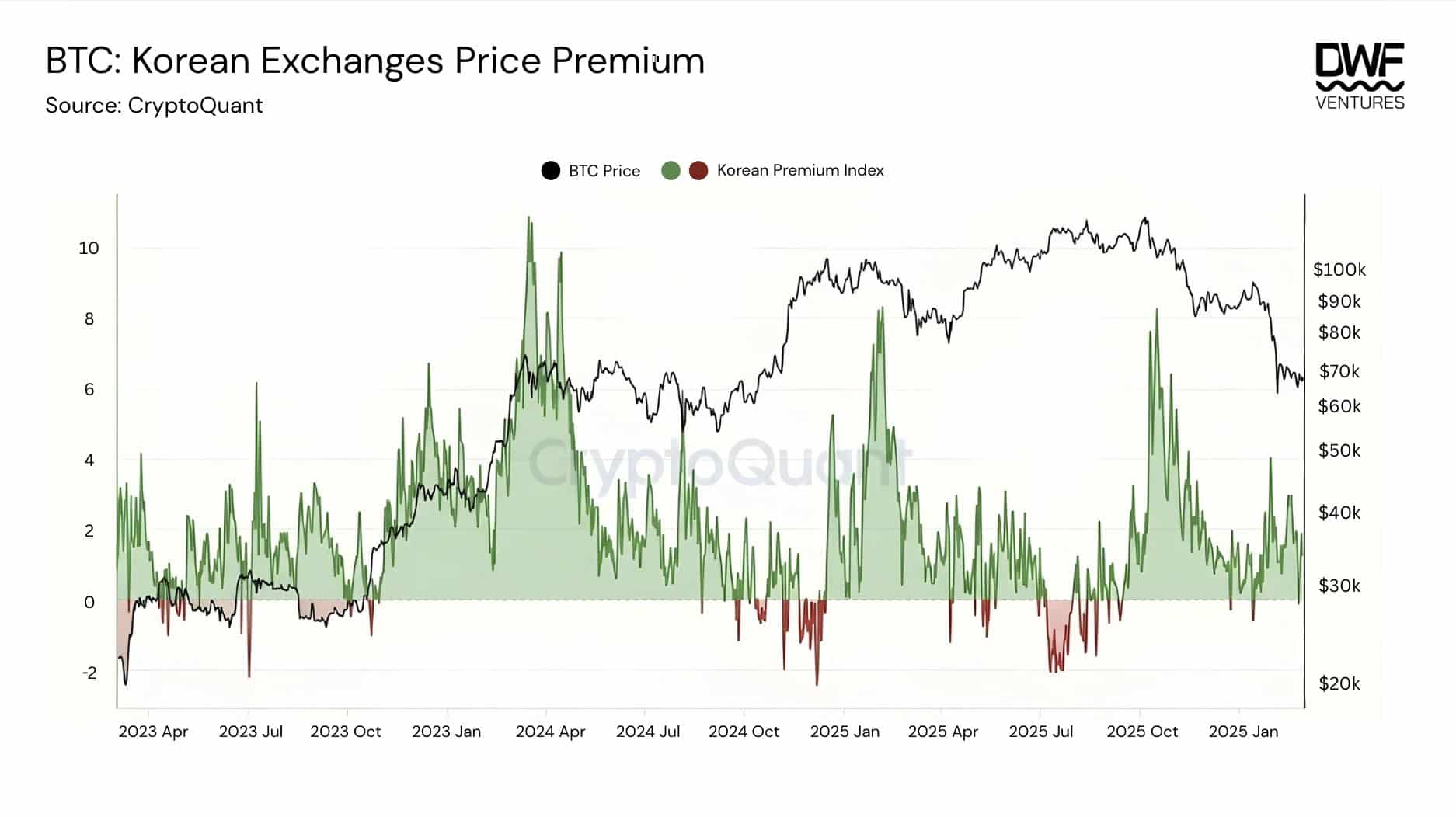
Source: DWF Ventures

However, this demand hasn’t always been efficient. The “Kimchi Premium,” where assets trade at higher prices on local exchanges, makes the gap between domestic and global markets clear. There’s both local demand and limited capital flow flexibility.

This is where a KRW stablecoin starts to make sense. A local alternative could reduce reliance on USD-based stablecoins and improve liquidity in KRW trading pairs. At the same time, it also helps achieve faster settlement.
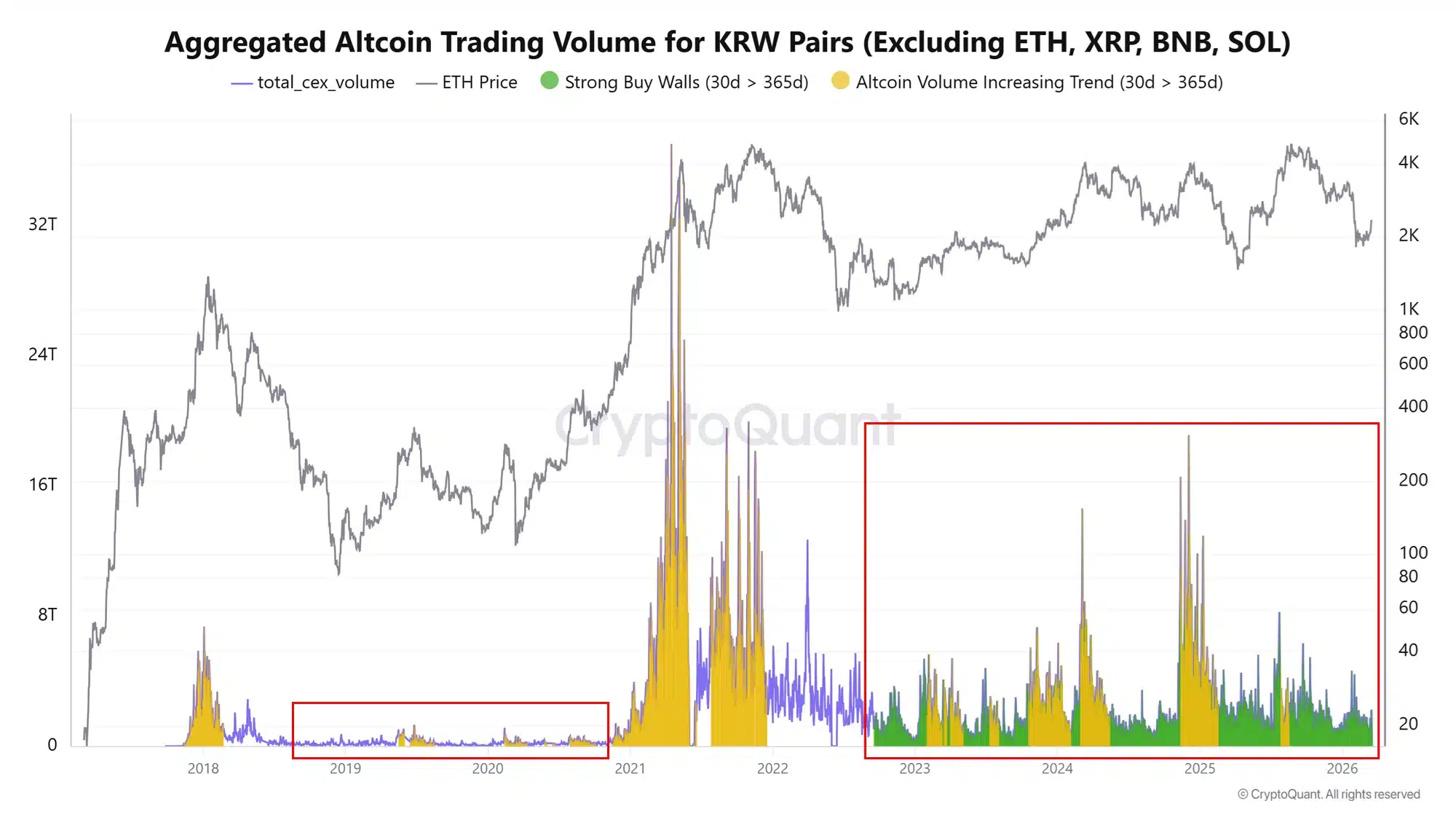
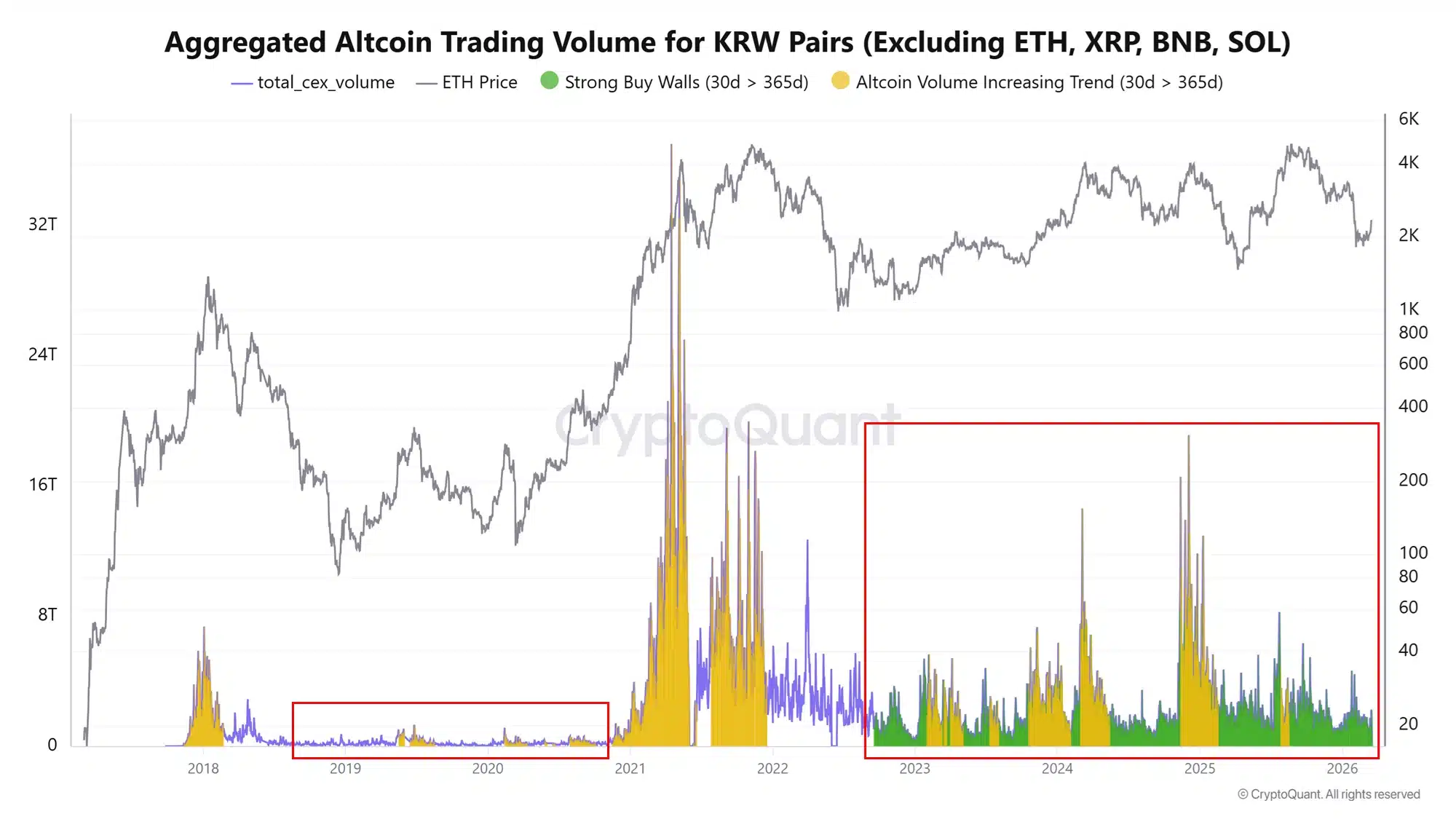
Source: Cryptoquant

And, here’s where it gets interesting; it’s not just the retail market. Large players on Korean exchanges have been absorbing sell-side pressure for years, creating a nice support wall that keeps liquidity intact.


Regulation is a hurdle

相关问答

QWhat is the main topic of the article regarding South Korea's financial market?

AThe article discusses the potential for South Korea to launch its own KRW-pegged stablecoin.

QWhy is South Korea considered a significant market for cryptocurrency trading?

ASouth Korea is one of the world's biggest retail markets for crypto, with over 18 million citizens participating in fast-moving, retail-centric trading.

QWhat is the 'Kimchi Premium' mentioned in the article?

AThe 'Kimchi Premium' refers to the phenomenon where crypto assets trade at higher prices on South Korean exchanges compared to global markets, highlighting local demand and limited capital flow flexibility.

QHow could a KRW-backed stablecoin benefit South Korea's crypto market?

AA KRW stablecoin could reduce reliance on USD-based stablecoins, improve liquidity in KRW trading pairs, and achieve faster settlement.

QWhat is identified as a major hurdle for the implementation of a KRW stablecoin in South Korea?

ARegulation is mentioned as a hurdle for the implementation of a KRW stablecoin in South Korea.

你可能也喜欢

韩国交易所“大战”监管机构,挑战执法、立法边界

韩国加密行业正与金融监管机构FIU(金融情报分析院)爆发正面冲突。过去FIU通过反洗钱法规对交易所严格处罚,但近期交易所开始通过法律诉讼和行业倡议系统性挑战其监管依据。 首尔行政法院在一审中撤销了FIU对Upbit运营公司Dunamu的部分营业停止处分,认为FIU对违规标准和处罚依据说明不足。法院强调,监管机构实施重罚必须证明交易所在明确规则下存在故意或重大过失。FIU已就此案提出上诉。同样,法院也暂停了FIU对Bithumb的六个月营业停止处分,以避免审理期间造成不可逆的损失。 在立法层面,韩国拟修订《特定金融信息法》,计划将1000万韩元以上加密资产转移一律纳入可疑交易报告范围。行业自律组织DAXA强烈反对,指出该“毒丸条款”可能违反法律保留原则,并将导致STR报告量暴增85倍,淹没真正的高风险信号,反而削弱反洗钱效率。 深层矛盾在于,韩国加密市场活跃但综合监管框架尚未成熟,目前主要依赖FIU的执法。交易所从被动接受转向通过司法和立法程序挑战监管,标志着韩国加密监管进入新阶段,监管规则本身的正当性将受到更严格审视。这场冲突短期内可能升级,但长期或有助于推动韩国建立更成熟、可持续的加密监管体系。

marsbit1小时前

韩国交易所“大战”监管机构,挑战执法、立法边界

marsbit1小时前

50倍存储后,孙宇晨永远在看下一个十年

孙宇晨以拍下巴菲特午餐、吃下天价香蕉等出位行为闻名,也面临SEC诉讼等争议,但其投资眼光常被忽略。早在2016年,他就建议年轻人投资比特币、英伟达、特斯拉等。以英伟达为例,若当时投资1万元,至2026年5月价值约240万元。 2025年底,他预言“存储是新的石油”,随后西部数据分拆的闪迪(SNDK)股价一年内大涨近50倍。当市场狂热追逐存储概念时,孙宇晨已将目光投向更具未来感的赛道:具身智能、无人机、空间计算和太空探索。 他认为,具身智能(如人形机器人)正从执行代码转向“看世界做事”,是AI在物理世界落地的关键。无人机已在军事、农业、物流等领域跑通商业闭环。空间计算(如苹果Vision Pro)旨在让AI理解物理空间,是机器人、自动驾驶等的基础。在太空领域,他本人于2025年乘坐蓝色起源飞船完成亚轨道飞行,并看好太空经济与区块链的结合。 他的投资逻辑是:押注确定性的赛道,两端布局,不赌单家公司。例如在机器人领域,既押注特斯拉(身体/制造),也押注英伟达(大脑/AI芯片);在无人机领域,看好其在军事应用中替代传统装备的趋势;在太空领域,关注即将IPO的SpaceX及其产业链。 孙宇晨将这些趋势串联起来,描绘出一幅“物理AI”改变现实世界运行方式的图景:从工厂机器人到自动驾驶,从无人机蜂群到星际探索。他认为,过去互联网改变了信息流动,而未来AI将重塑物理世界本身。

marsbit2小时前

50倍存储后,孙宇晨永远在看下一个十年

marsbit2小时前

交易

现货
合约
活动图片




