Hong Kong Crypto Scam Shock: Woman Loses Nearly $1 Million As AI Fraud Surges

bitcoinist发布于2026-04-19更新于2026-04-19

文章摘要

Hong Kong Crypto Scam Shock: Woman Loses Nearly $1 Million As AI Fraud Surges A Hong Kong woman lost HK$7.7 million (approximately $982,000) after being lured into a fraudulent cryptocurrency investment platform. The scam began on Telegram, where a person posing as an investment expert promoted an AI-powered trading strategy with guaranteed returns. After making 17 transfers of USDT and Ethereum, the victim was unable to withdraw her funds. Hong Kong Police have reported a significant surge in such online investment fraud, with over 80 cases recorded in a single week, totaling losses of nearly HK$80 million. Authorities warn that scammers are increasingly using sophisticated tactics, including promises of "AI trading" and "guaranteed profits," to appear credible. This follows a similar incident last month where a retiree lost HK$6.6 million in a multi-stage scam. Police urge the public to be cautious of unsolicited investment advice and to verify platforms through the official CyberDefender service before transferring any money. They emphasize that no legitimate investment can guarantee returns. Investigations are ongoing.

Her withdrawal requests kept getting denied. That was the moment a Hong Kong woman realized the crypto investment platform she had been using for weeks was fake — and that her money was gone.

Scam Built On Fake Promises

The woman had made 17 separate transfers of USDT and Ethereum to the fraudulent platform, losing nearly HK$7.7 million, roughly $982,000.

It started on Telegram, where someone posing as an investment expert approached her and pitched a trading strategy powered by artificial intelligence.

The promised returns were guaranteed. The platform looked convincing. She transferred the funds. When she tried to take her money out, nothing came through.

Hong Kong Police have since confirmed the case as part of a wider surge in online investment fraud hitting the city.

Based on reports from authorities, over 80 such cases were recorded in a single week, with combined losses topping HK$80 million — close to $10 million.

Different Types Of Scam

According to Vectra, AI scams now fall into seven distinct categories, with deepfake video, voice cloning, and AI-driven BEC among the biggest threats to enterprises. This framework spans both consumer- and enterprise-focused attacks.
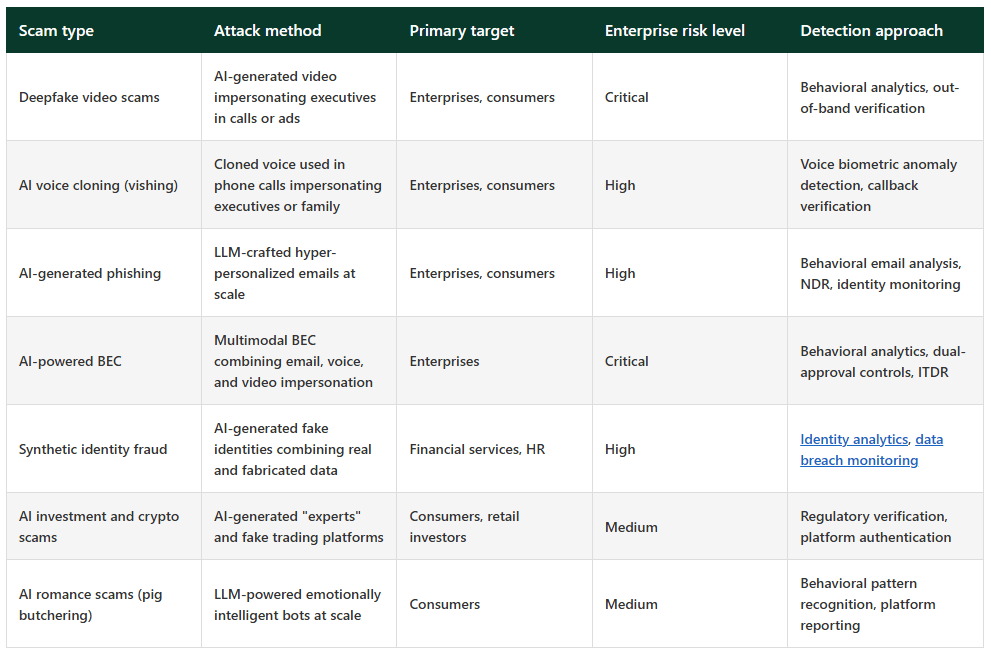
Types of AI scams. Source: Vectra

A Pattern Repeating Itself

This is not the first case of its kind, and it is not the last. Just last month, a 66-year-old retiree lost HK$6.6 million to a multi-stage scheme that played out over six months.

In that case, scammers first posed as investment advisors to win the victim’s trust, then came back later with a fake “recovery” offer — squeezing even more money out of someone who had already been burned.

Officials say the playbook is getting more sophisticated. Fraudsters are now borrowing the language of technology to add credibility to their pitches.

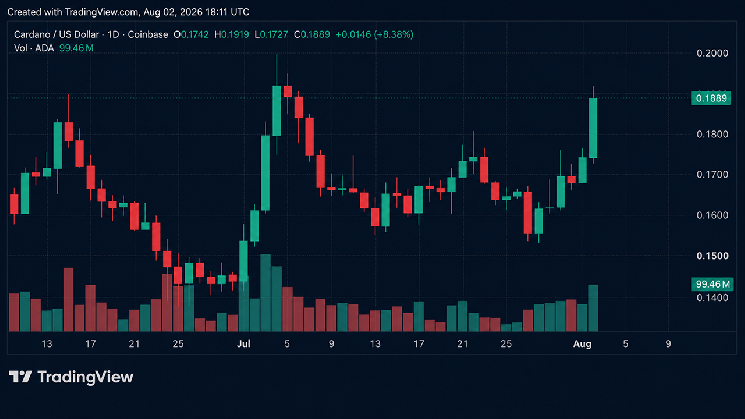
BTCUSD now trading at $76,179. Chart: TradingView

Terms like “AI trading” and “guaranteed profits” are being used to draw people in, according to the Hong Kong Police Force.

The artificial intelligence angle makes the pitch harder to dismiss, especially for victims who may not be familiar with how such systems actually work.

Authorities Push Public To Verify Before Transferring

Police are urging residents to be cautious with unsolicited investment advice, whether it arrives through social media, messaging apps, or anywhere else.

They are also encouraging people to use the official CyberDefender platform to check whether an investment site or service carries signs of fraud before sending any funds.

One warning is worth repeating: no legitimate investment guarantees returns. Reports indicate that every recent case in this wave involved that exact promise.

The woman who lost nearly $1 million, the retiree who lost HK$6.6 million — both were told their money was safe and the profits were certain. Neither turned out to be true.

Investigations into the cases are ongoing.

Featured image from The Verge, chart from TradingView

相关问答

QHow much money did the Hong Kong woman lose in the crypto scam?

AShe lost nearly HK$7.7 million, which is roughly $982,000.

QWhat was the initial point of contact where the victim was approached by the scammer?

AThe scammer first approached her on the messaging app Telegram, posing as an investment expert.

QAccording to Vectra, what are some of the biggest AI scam threats to enterprises?

AThe biggest threats include deepfake video, voice cloning, and AI-driven Business Email Compromise (BEC).

QWhat tool are Hong Kong authorities encouraging the public to use to verify investment sites?

AThey are encouraging people to use the official CyberDefender platform to check for signs of fraud.

QWhat common promise was made in every recent case of this fraud wave, according to reports?

AEvery recent case involved the promise of guaranteed returns, which is a sign of a scam as no legitimate investment can guarantee profits.

你可能也喜欢

助记词:12个词,介于你与失去一切之间的鸿沟

种子短语,通常由12或24个标准字典中的单词组成,并非打开远程资金账户的登录凭证,它本身就是数字钱包的数学体现。通过BIP39标准算法,这些单词可转换为主私钥,并派生出所有关联的比特币地址。没有备份数据库或客服能帮助恢复它,谁掌握了这些词,谁就完全控制了所有资产。 一月的盗窃案正是因此发生,并非利用技术漏洞,而是通过社会工程学手段——诱骗受害者在错误位置输入了12个单词。随后,约1.39亿美元比特币和1.53亿美元莱特币在几分钟内被转移和转换。监控团队虽成功冻结了部分资金,但这凸显了种子短语一旦泄露,资金极难追回。 12个单词提供了约128位的巨大熵值,其组合数天文数字,暴力破解在现实中不可能。真正的风险在于信息泄露:如果部分单词通过照片、云备份或诈骗手段泄露,安全性的衰减并非线性,而是呈断崖式下降。例如,已知7个单词,破解时间会从已知6个单词的千年量级骤降至不足一年。 BIP39中的校验和功能主要用于检测输入错误,防止因笔误导致创建出空钱包,而非防御恶意攻击。 与备受瞩目的数亿美元盗窃案相比,更大量、更悄无声息的损失源于人们自行丢失访问权限。据估计,高达23%已挖出的比特币因忘记短语、备份损毁或持有人离世而无继承人等原因永久丢失。这揭示了种子短语的本质:它不是可重置的密码,而是资产所有权的唯一且不可恢复的终极证明。记录错误会安全地失效,部分泄露会导致安全性崩溃,而完全丢失则意味着背后的比特币对任何人而言都不复存在。

cryptonews.ru13分钟前

助记词:12个词,介于你与失去一切之间的鸿沟

cryptonews.ru13分钟前

交易

现货
活动图片