Ethereum Hong Kong Meetup Successfully Concludes First Monthly Offline Gathering

marsbit发布于2026-01-25更新于2026-01-25

文章摘要

Ethereum Hong Kong Meetup Successfully Concludes Its First Monthly Offline Gathering Supported by the Ethereum Foundation's "Ethereum Everywhere" initiative and co-organized by SNZ and ETHTAO, the Hong Kong Ethereum Community Hub successfully held its first offline event on January 24. This marked the public debut of Asia’s first physical Ethereum hub and established a new tradition of monthly meetups for the local Ethereum community. The event attracted over 150 participants, fostering a vibrant atmosphere for in-depth exchanges among the Ethereum Foundation team, local developers, researchers, entrepreneurs, institutional partners, and enthusiasts. This reflects the Foundation’s increased engagement in supporting ecosystem growth in Hong Kong and Asia through closer communication. Highlights of the event included a trilingual (English, Mandarin, Cantonese) keynote by Adrian Li, the Ethereum Foundation’s Ecosystem Development Lead for Asia, outlining strategic development and future opportunities in the Asia-Pacific region. Three core panel discussions followed: 1. Programmable Privacy and Compliance: Experts from SNZ Holding, the Ethereum Foundation, Yunfeng Financial, and Brevis explored the application and regulatory boundaries of privacy technology. 2. Real-World Assets (RWA) from Protocol to Practice: Representatives from China Asset Management (Hong Kong), Chainlink, HashKey Group, and Asseto discussed institutional asset tokenization and regulatory outlook. 3. DeF...

Supported by the Ethereum Foundation's "Ethereum Everywhere" initiative and jointly operated by SNZ and ETHTAO, the Hong Kong Ethereum Community Hub successfully held its first offline gathering before the official opening on January 24. This marked the first public appearance of Asia's inaugural physical Ethereum hub and established a new tradition of "monthly gatherings" for the Hong Kong Ethereum community.

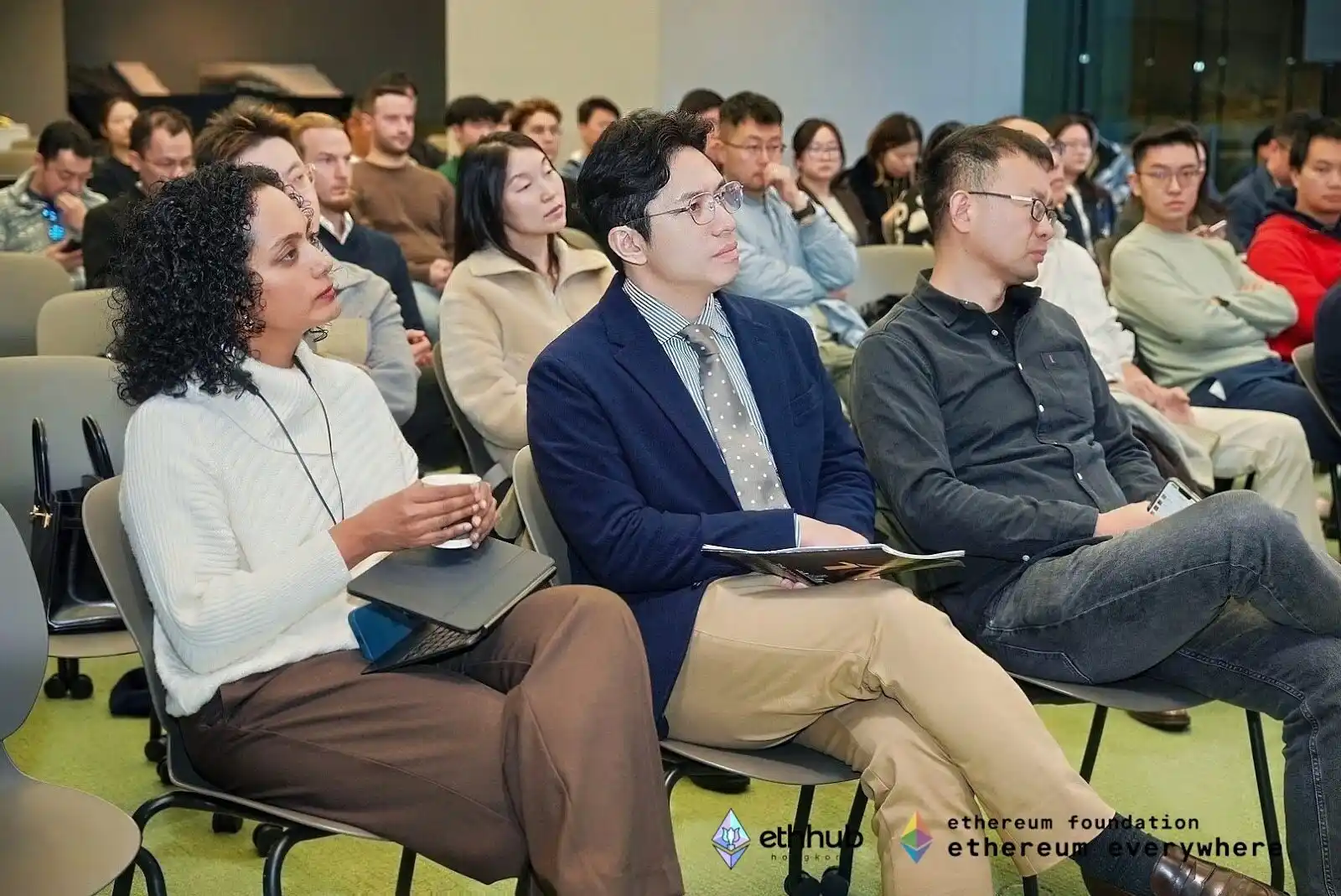
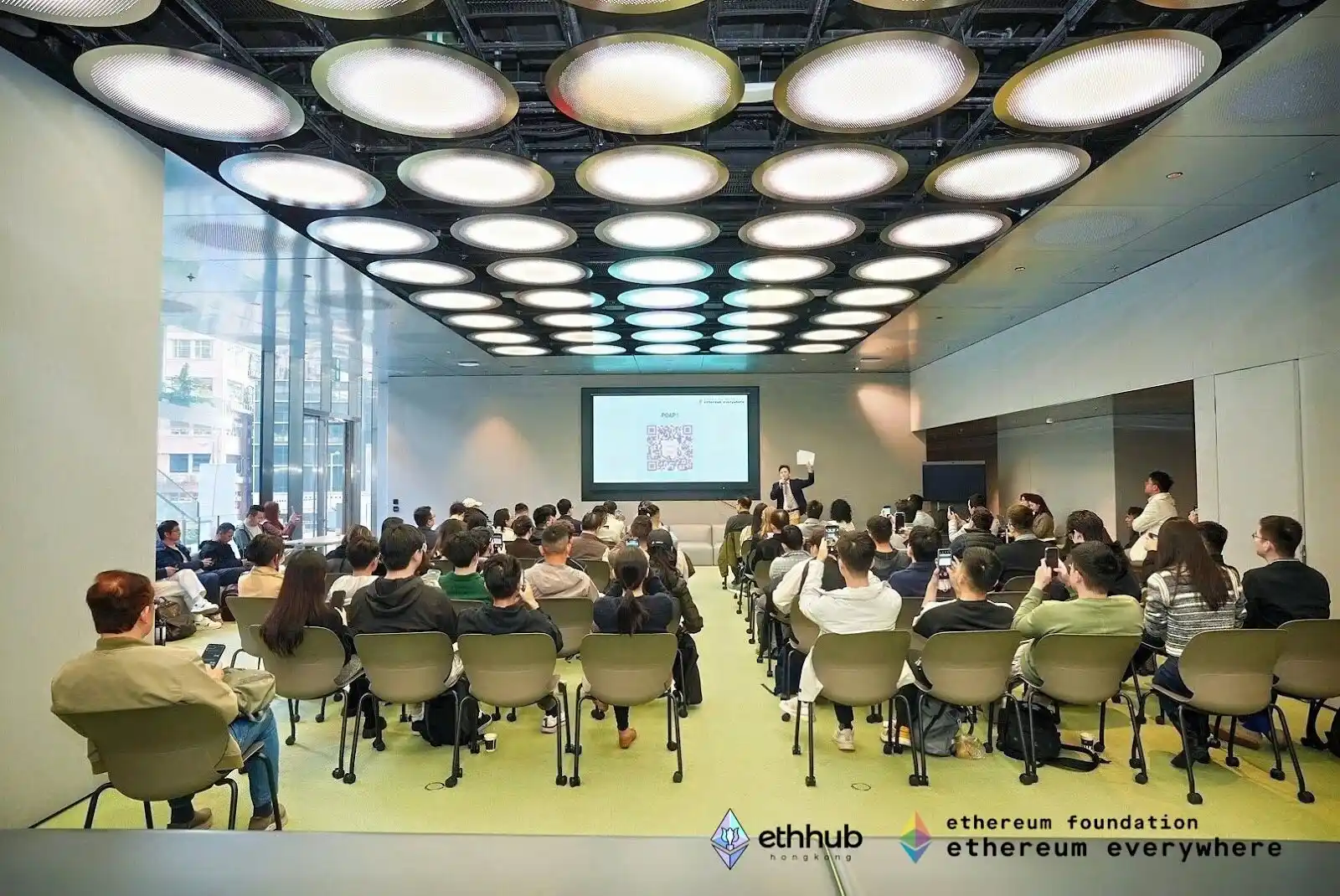
On the day of the event, over 150 participants attended, creating a lively atmosphere. The Ethereum Foundation team engaged in deep discussions with local developers, researchers, entrepreneurs, institutional partners, and seasoned enthusiasts. This signifies the Ethereum Foundation's commitment to more frequent and direct communication, actively participating in the ecosystem development of the Hong Kong and Asian communities.
Focusing on the Frontier, Discussing the Future: A Knowledge Feast with Both Depth and Breadth

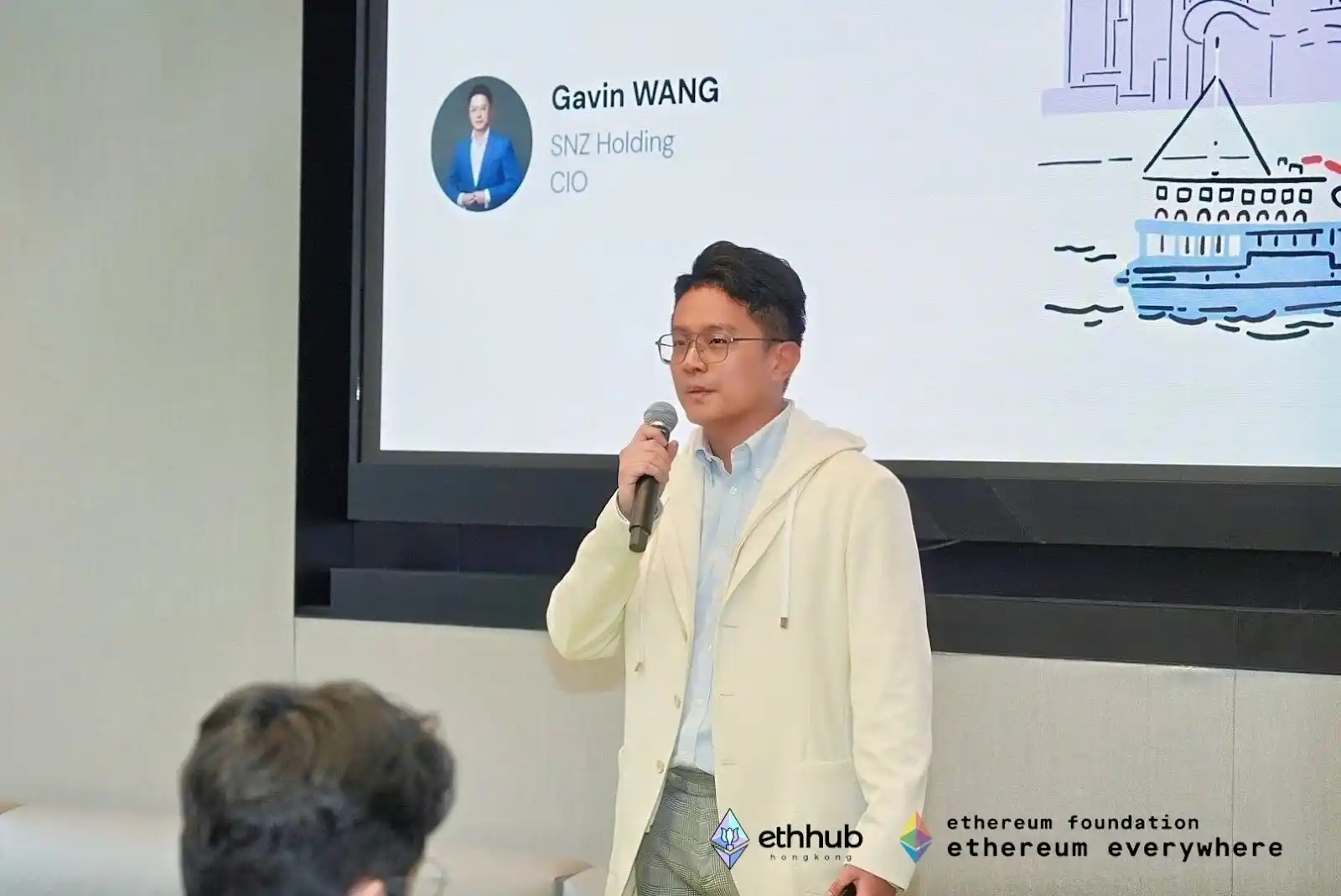
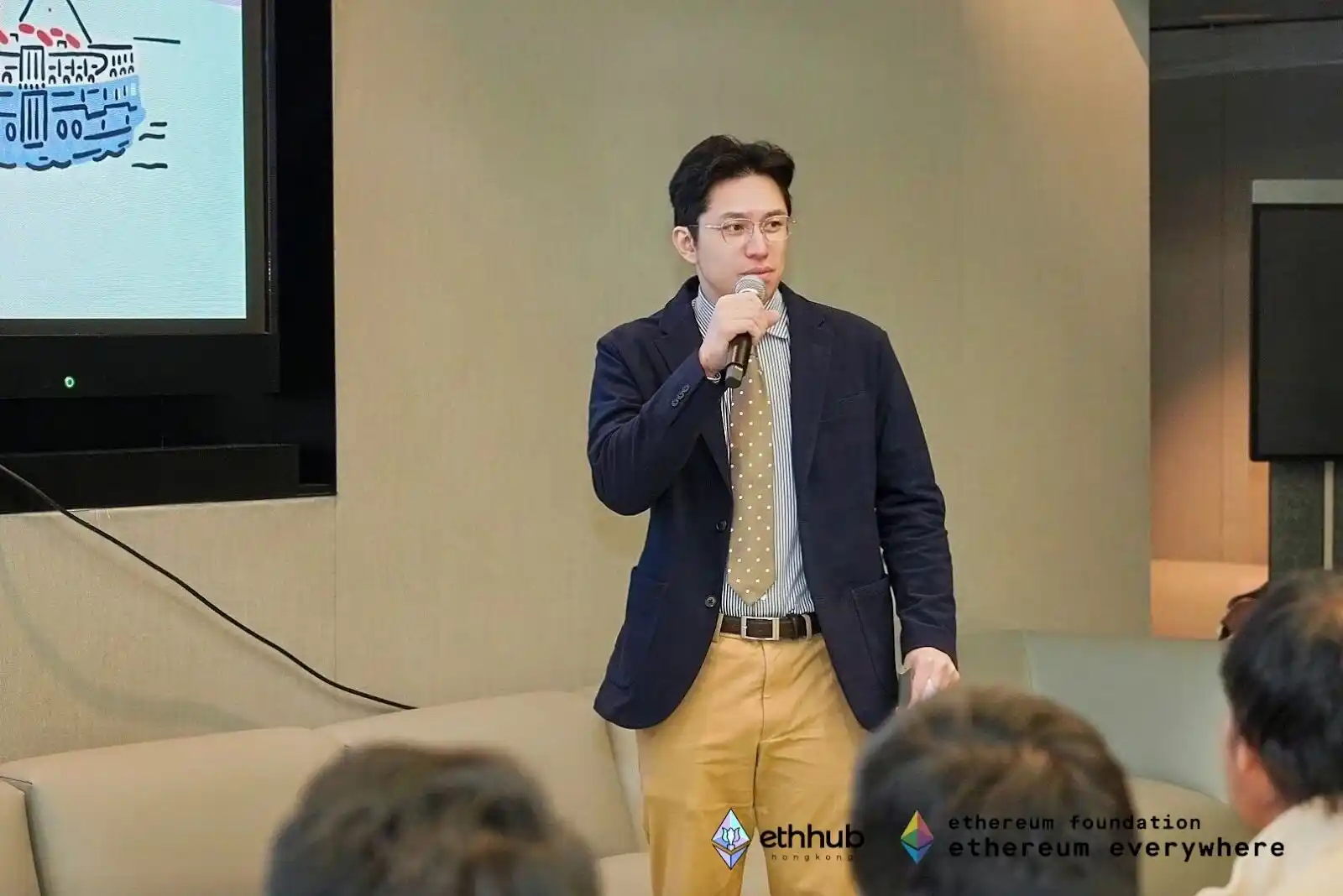
The event kicked off with a welcome speech by Gavin Wang, Chief Investment Officer of SNZ Holding. Subsequently, Adrian Li, the Ethereum Foundation's Ecosystem Development Asia Liaison, delivered a trilingual keynote (in Chinese, Cantonese, and English), clearly outlining the strategic development landscape and future opportunities for the Ethereum community in the Asia-Pacific region. He emphasized Ethereum's dedication to deepening its ecosystem in Asia and its high regard for Asian developers.
The three core agendas that followed focused precisely on the most discussed technological and commercial frontiers in the current ecosystem:

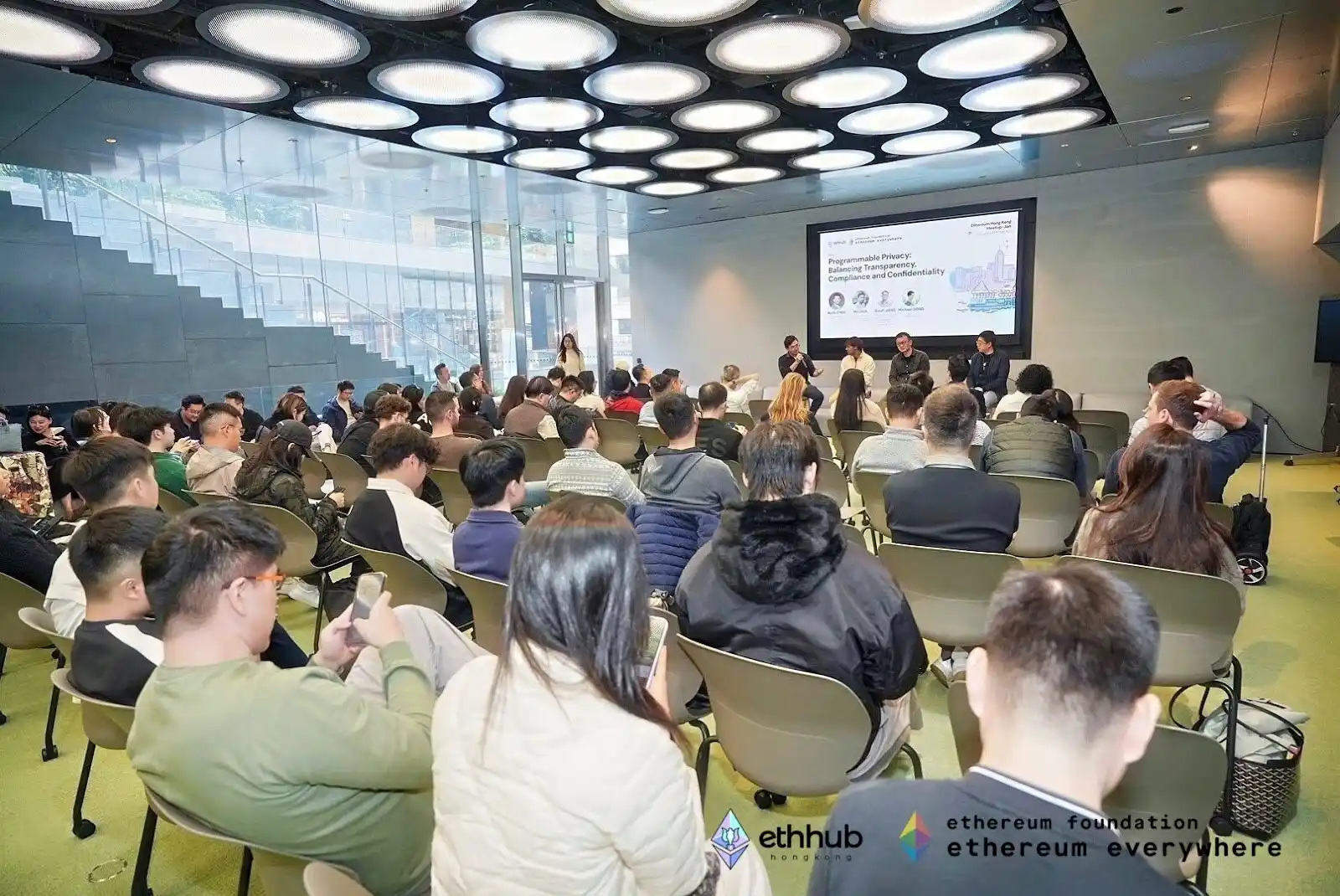
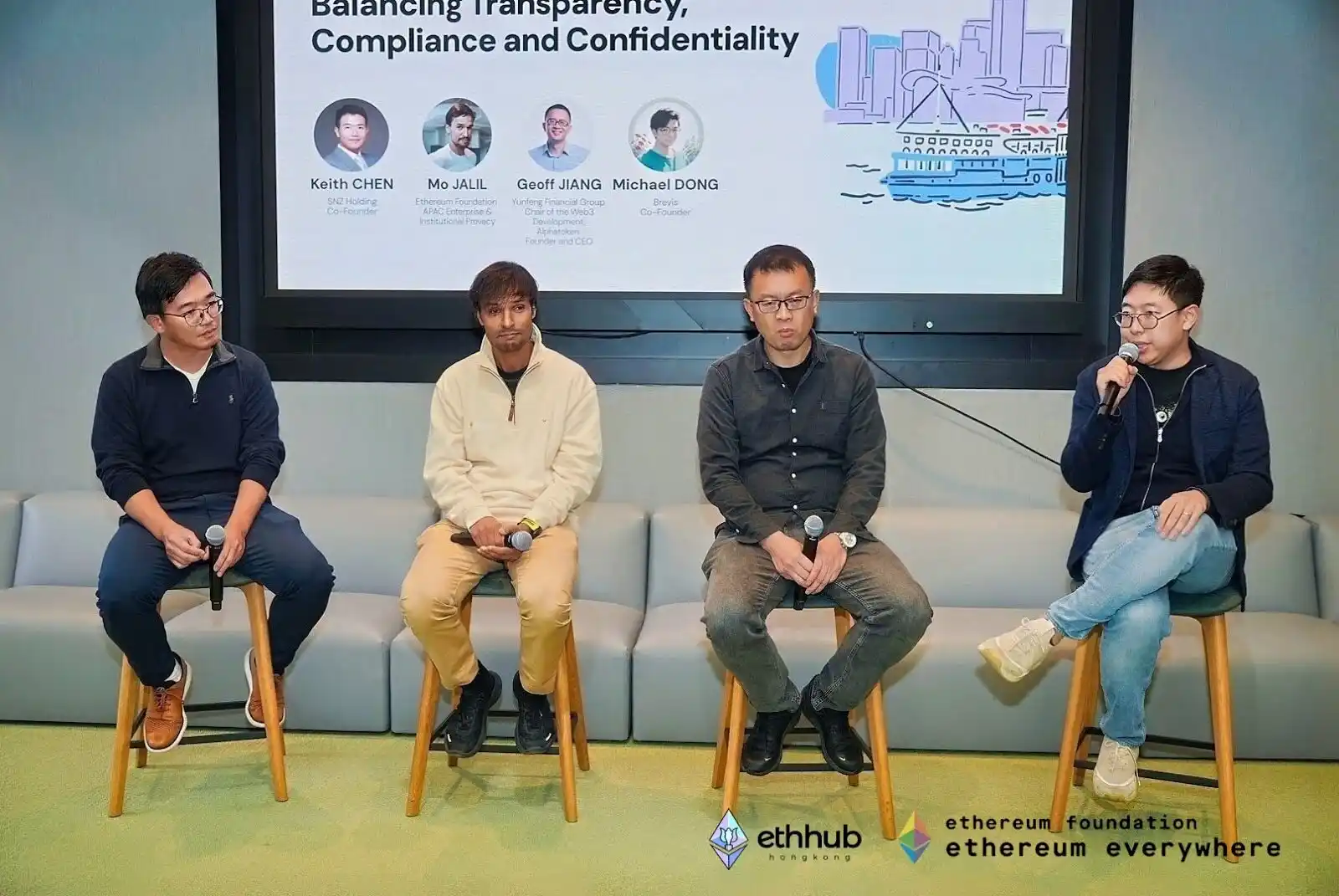
1. The Compliant Path of Programmable Privacy: A co-founder of SNZ Holding moderated a thematic discussion on privacy technology, with deep participation from the Ethereum Foundation's Head of Institutional Privacy for Asia Pacific, the Chairman of the Web3 Development Committee of Yunfeng Financial, and a co-founder of Brevis. The discussion focused on the application of programmable privacy technology within compliance frameworks, dissecting the boundaries and implementation paths of the technology.
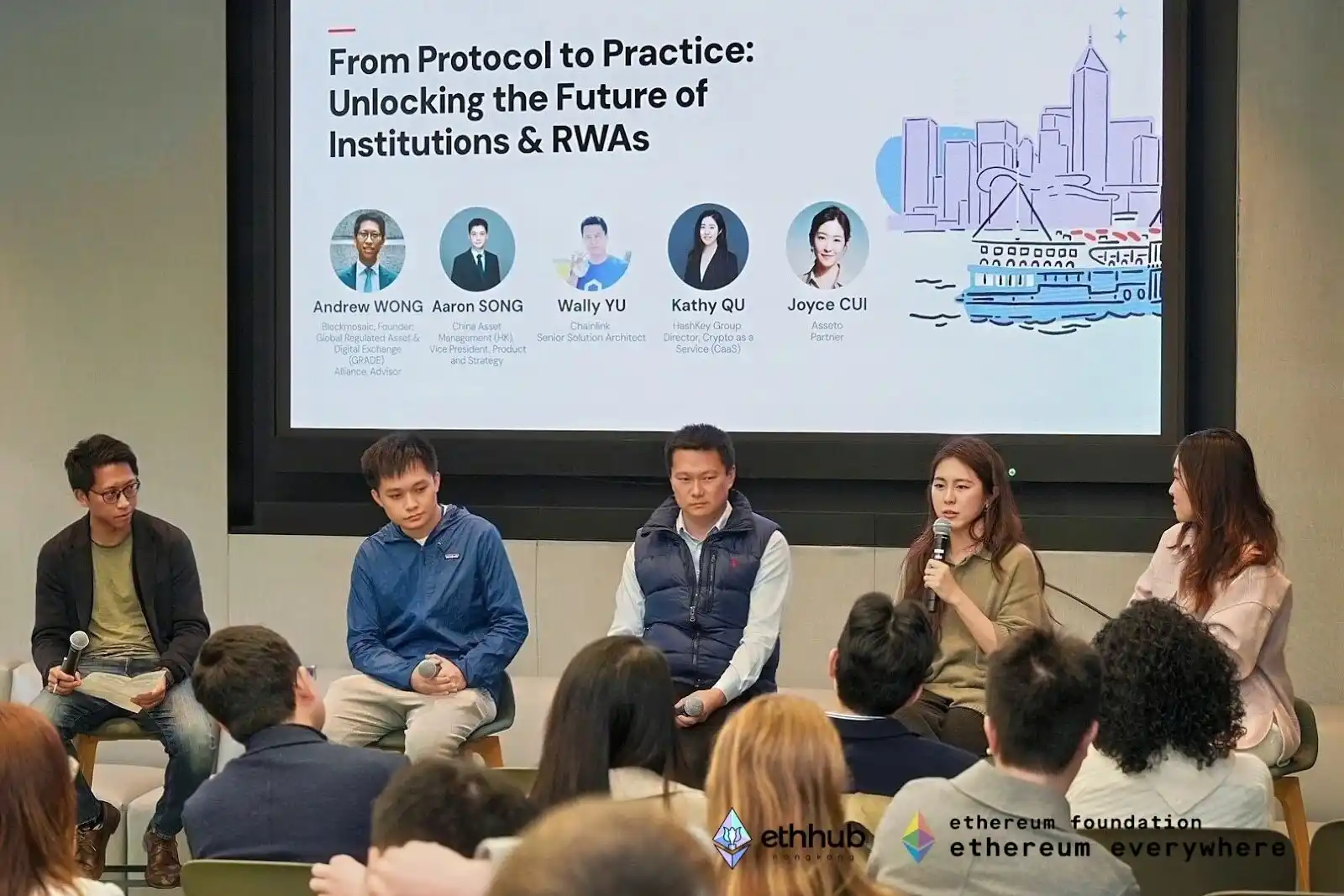
2. From Protocol to Practice, Unlocking the Future of RWA: Bringing together representatives from top-tier institutional projects including Huaxia Fund (Hong Kong), Chainlink, HashKey Group, and Asseto, a deep dialogue was held on the frontier opportunities and regulatory prospects of institutional-grade asset tokenization. The discussion explored the differentiated performance of the RWA framework in Hong Kong and globally.
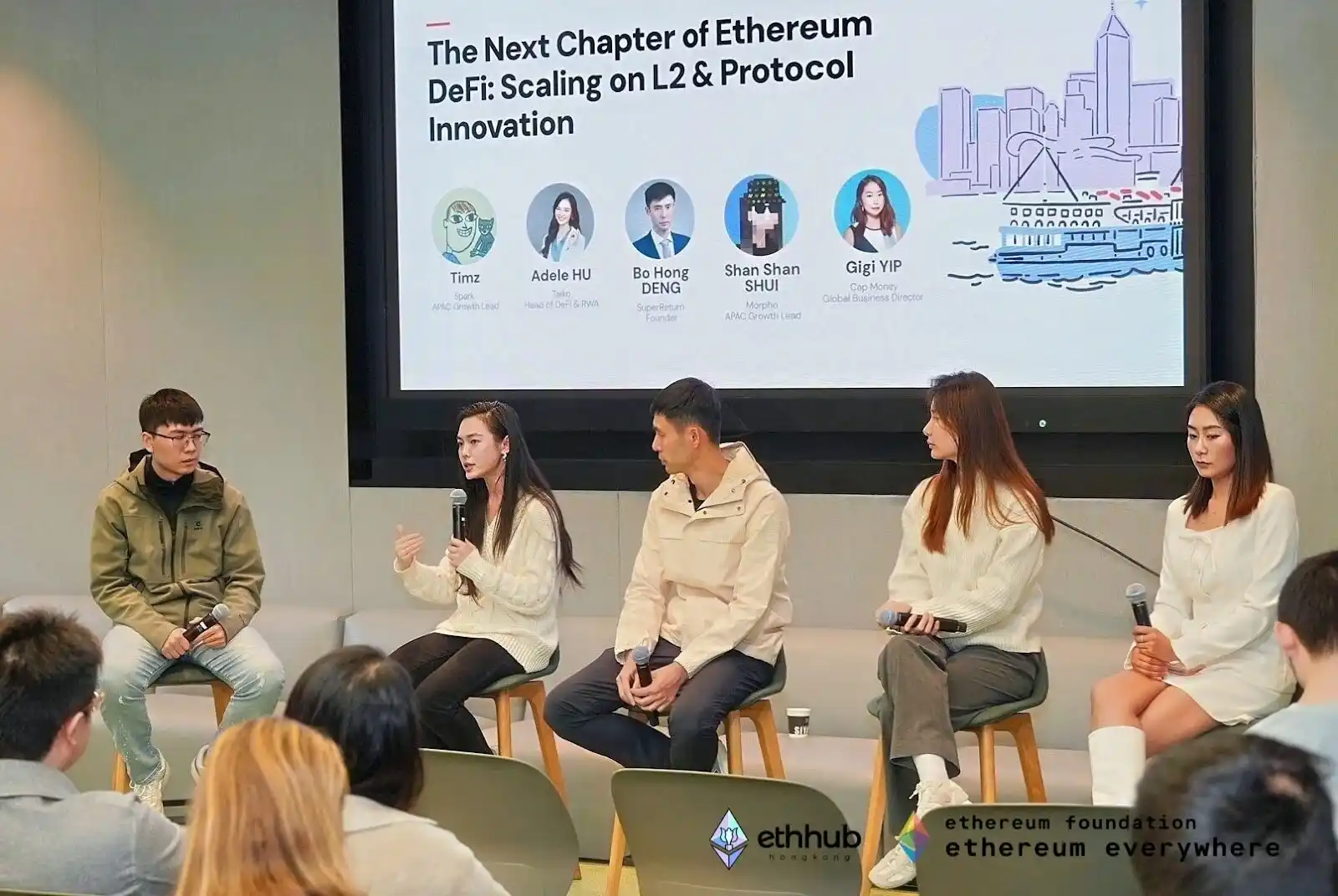
3. A New Chapter of DeFi on Layer2: Leaders from five leading projects—Spark, Taiko, Morpho, SuperReturn, and Cap Money—shared cutting-edge practices and core insights into Layer2 ecosystem development. They provided in-depth analysis of the key paths for protocol iteration and innovation, focusing on the efficient upgrade of the Ethereum DeFi ecosystem.
More Than an Event: Building the Cornerstone of Hong Kong's Ethereum Community

In addition to the keynote speeches and panel discussions, the event included dedicated networking sessions, providing an efficient communication platform for attendees to easily exchange views and deepen understanding. The Ethereum Foundation team used this opportunity to listen to the genuine needs of community builders, facilitating a two-way exchange of cutting-edge perspectives and grassroots voices. At the conclusion of the event, participants toured the Hub's facilities. During an hour of on-site exploration and free-flowing conversation, connections were strengthened, laying the groundwork for future collaboration and solidifying the Hub's role as a true industry connector.
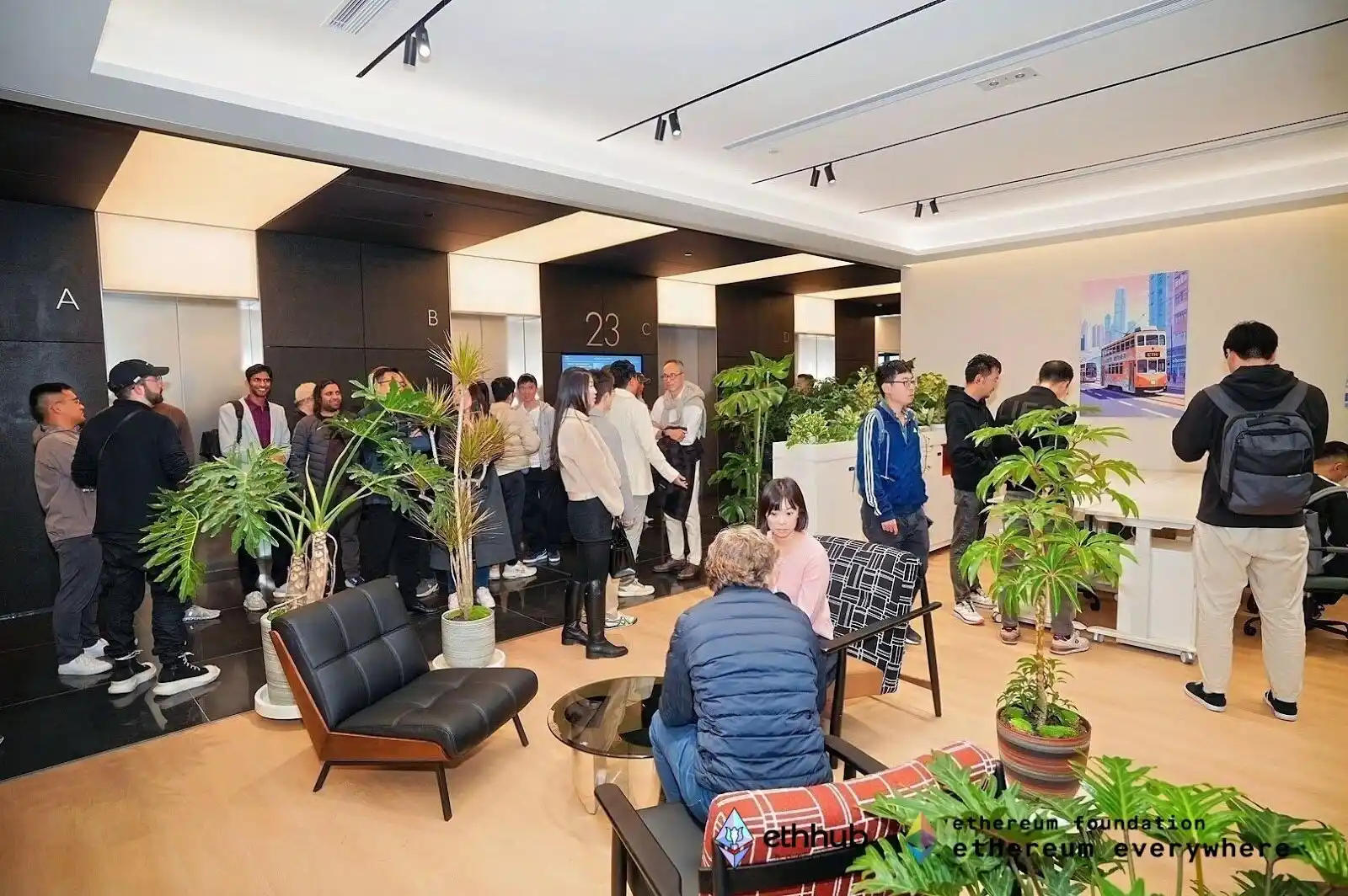
In the future, the Hong Kong Ethereum Community Hub will regularly host in-depth gatherings on different themes each month. It will also offer membership services, mobile workstations, and private office rentals, equipped with multiple event spaces for members to use free of charge. The Hub aims to continuously nourish the Asian community, creating a stable, open, and productive collaboration platform to help Hong Kong consolidate its leadership position as Asia's Ethereum innovation hub.
热门币种推荐

相关问答

QWhat was the main purpose of the first monthly offline gathering organized by the Hong Kong Ethereum Community Hub?

AThe gathering aimed to mark the public debut of Asia's first Ethereum physical hub and initiate a new tradition of monthly meetups for the Hong Kong Ethereum community, fostering deeper communication and ecosystem development in Hong Kong and Asia.

QWhich organizations supported and co-operated the Hong Kong Ethereum Community Hub event?

AThe event was supported by the Ethereum Foundation's 'Ethereum Everywhere' initiative and co-operated by SNZ and ETHTAO.

QWhat were the three core agenda topics discussed during the meetup?

AThe three core agenda topics were: 1. The compliance path of programmable privacy technology, 2. Unlocking the future of RWA (Real World Assets) from protocol to practice, and 3. The new chapter of DeFi on Layer2.

QWho delivered the trilingual keynote speech and what was its focus?

AAdrian Li, the Ethereum Foundation's Ecosystem Development Asia Liaison, delivered a trilingual (Chinese, Cantonese, English) keynote speech outlining Ethereum's strategic development prospects and future opportunities in the Asia-Pacific region, emphasizing Ethereum's commitment to deepening its ecosystem and valuing Asian developers.

QWhat future services and activities does the Hong Kong Ethereum Community Hub plan to offer?

AThe Hub plans to host monthly themed in-depth gatherings, offer membership services, provide mobile workstations and private office rentals, and equip multiple event spaces for free use by members, aiming to create a stable, open, and productive collaborative platform to support Hong Kong's leadership as an Ethereum innovation hub in Asia.

你可能也喜欢

年薪百万抢电工,Meta急到自己办技校

AI竞赛正面临新的瓶颈:工地。美国正面临严重的电工、建筑工等技术工人短缺,这已成为微软、Meta、OpenAI等公司快速建设超大规模AI数据中心(如OpenAI耗资160亿美元的“星际之门”项目)的“头号障碍”。 尽管AI公司愿支付高薪(如电工年薪可达24-28万美元),远超传统行业,但熟练技工仍供不应求。麦肯锡预测,美国在2023-2030年间需额外培养13万名电工和24万名建筑工,而劳工统计局预计每年仍有8万个电工岗位空缺。这种短缺导致项目延迟,每月可能造成数百万美元的收入损失。 AI数据中心建设复杂,需应对巨大功耗(一座设施耗电堪比数十万户家庭)、复杂的配电系统以及高密度散热(需液冷技术)等挑战,因此亟需大量技术娴熟的工人。 为此,科技巨头开始亲自下场培养人才。例如,Meta投入1.15亿美元建立建筑工人培训学校,提供免费培训及生活补贴,以快速输送工人上岗。OpenAI则与建筑工会合作,提前锁定熟练劳动力。同时,企业也将招聘目光投向高中生,鼓励年轻人投身技工行业。这些举措已见成效,Z世代对技工职业的兴趣显著上升。 然而,更深层的挑战在于电力。AI数据中心用电量正以惊人速度增长,已推高部分地区的电价。此外,数据中心建设是项目制的,建设期需要成千上万的工人,但建成后仅需少量常驻人员。这意味着未来可能面临熟练工人短期过剩、并流向其他行业压低薪资的风险。如何实现劳动力与电力资源的长期平衡,仍是悬而未决的问题。

marsbit31分钟前

年薪百万抢电工,Meta急到自己办技校

marsbit31分钟前

OpenAI 不靠最贵的模型卖钱了

OpenAI近期调整了API定价策略,旗舰模型GPT-5.6 Luna降价80%,Terra降价20%,而顶级模型Sol未降价但新增了更快的“Fast”模式。此次调整的核心并非单纯的价格战,而是标志着OpenAI首次引导用户根据任务需求选择不同模型,而非一味追求最强模型。官方建议复杂任务可由Sol进行规划,再由Luna等成本更优的模型执行。 此举与Anthropic近期推出半价替代旗舰的Claude Opus 5策略相似,显示硅谷领先公司正形成默契:旗舰模型(如Sol、Fable)的角色正从直接盈利转向树立技术品牌和探索上限,而商业化走量和利润则主要由中端及性价比模型(如Luna、Opus)承担。这类似于汽车等行业“旗舰立形象,走量车型赚利润”的模式。 更深层的变化在于成本下降的驱动力。OpenAI透露,此次降价部分得益于由Sol模型自身参与优化底层生产内核,实现了效率提升与成本降低,开启了“模型优化模型”的自我加速循环。 行业竞争焦点正从“谁最聪明”的单项性能比拼,转向为企业提供基于任务重要性、出错成本、规模等因素的“模型组合”最优解,追求整体ROI。这类似于云计算按数据冷热使用不同存储的策略。 OpenAI的长期战略日益清晰:其真正目标并非依靠单一模型的高毛利,而是通过极低的调用成本构建庞大的开发者生态与调用量,形成类似操作系统或云平台的渗透率与用户粘性。当API调用成本低至可被忽略,AI将如水电般无缝嵌入所有业务流程,其发展也将从追求智能巅峰的“产品时代”,进入驱动全面自动化与效率的“基础设施时代”。

marsbit31分钟前

OpenAI 不靠最贵的模型卖钱了

marsbit31分钟前

交易

现货

热门文章

加密市场宏观研报:美国“加密货币周”来袭,ETH开启机构军备赛高潮

本周,加密市场迎来两股重磅催化——华盛顿“加密货币周”的立法攻势与以太坊机构布局的密集爆发,共同构成加密行业2025年下半年的“政策拐点”与“资金拐点”。这一轮加密周期的深层逻辑,正从比特币转向以太坊、稳定币及链上金融基础设施。我们认为:美国的政策明朗化+以太坊的机构化扩展,标志着加密行业正进入结构性转正阶段,市场配置的重心亦应逐步从“价格博弈”过渡至“规则+基础设施的制度红利捕捉”。

2.0k人学过发布于 2025.07.17更新于 2025.07.17

加密市场宏观研报:美国“加密货币周”来袭,ETH开启机构军备赛高潮

相关讨论

欢迎来到HTX社区。在这里,您可以了解最新的平台发展动态并获得专业的市场意见。以下是用户对ETH(ETH)币价的意见。

活动图片