Elizabeth Warren Presses OCC Over UAE Stake in World Liberty Application

TheNewsCrypto发布于2026-02-27更新于2026-02-27

文章摘要

In a Senate Banking Committee hearing, Senator Elizabeth Warren questioned OCC Comptroller Jonathan Gould about the bank charter application for World Liberty, a company linked to former President Donald Trump. Warren raised concerns over a recent report alleging a UAE official secretly acquired a 49% stake in the company, which would require full disclosure under OCC rules. She argued that undisclosed foreign ownership poses national security and conflict of interest risks and could undermine public trust in financial regulations. Gould declined to discuss specific applications but assured that standard regulatory procedures would be followed. Warren requested access to unredacted documents for verification and insisted the application should be rejected if foreign ownership was not properly disclosed.

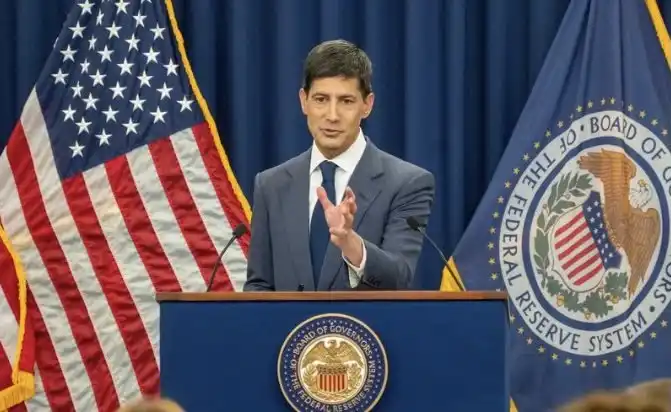
Senator Elizabeth Warren has questioned the head of the Office of the Comptroller of the Currency (OCC) in the Senate Banking Committee hearing about the bank charter application, which is linked to President Donald Trump’s World Liberty. The exchange mainly focuses on the proper disclosure of the company’s foreign ownership in its application to become a regulated U.S. bank.

Warren on UAE Stake’s

Warren referred to a recent report claiming that a UAE official secretly acquired a 49% stake in the World Liberty before the return of Trump. Under OCC rules, any shareholders holding 10% or more of the company applying for a bank charter must be fully disclosed. Warren asked the comptroller, Jonathan Gould, whether a large foreign stake was properly reported in the application.

Jonathan declined to discuss the details of any pending applications. He stated that the OCC would follow its normal regulatory procedures when reviewing the filing. Warren requested access to the unredacted application documents so the Senate Committee could verify compliance.

Warren argued that if the reported foreign ownership is not fully disclosed, then the application should be rejected. The senator raised national security and the conflict of interest concerns, saying that the foreign ownership of a U.S. bank tied to a sitting president could create a serious risk. She also warns that approving the charter without the proper transparency could damage the public trust in financial regulations.

Gould rejected the claims of political influence and maintained that the OCC would treat the application like any other. Lawmakers remain divided on how to regulate crypto companies seeking traditional banking licenses, particularly when foreign investors are involved.

Highlighted Crypto News:

MetaMask Card Goes Live in the U.S., Enabling Crypto Payments with On-Chain Rewards

TagsCryptocurrencyElizabeth Warren

相关问答

QWhat did Senator Elizabeth Warren question the head of the OCC about in the Senate Banking Committee hearing?

AShe questioned him about the bank charter application linked to President Donald Trump's World Liberty, specifically focusing on the proper disclosure of the company's foreign ownership.

QAccording to the report Warren cited, what stake did a UAE official secretly acquire in World Liberty?

AA UAE official secretly acquired a 49% stake in World Liberty before the return of Donald Trump.

QWhat is the OCC's rule regarding the disclosure of shareholders in a bank charter application?

AOCC rules require that any shareholders holding 10% or more of the company applying for a bank charter must be fully disclosed.

QWhat two main concerns did Senator Warren raise regarding the undisclosed foreign stake?

AShe raised concerns about national security and the potential for a conflict of interest, stating that foreign ownership of a U.S. bank tied to a sitting president could create a serious risk.

QHow did Comptroller Jonathan Gould respond to Warren's request for details and her concerns about political influence?

AHe declined to discuss the details of any pending applications, stated the OCC would follow its normal regulatory procedures, and rejected the claims of political influence, maintaining the application would be treated like any other.

你可能也喜欢

不可能三角根本就是伪问题

加密行业构建了强大的密码学系统,但默认状态下却无法保护用户资金的隐私,所有交易和持仓都公开可查,这成为大规模资金入场的主要障碍。文章认为,区块链本质上是一台无人拥有的慢速、昂贵计算机,其核心价值在于提供无需许可的准入和去中心化信任。资金(尤其是稳定币)是天然适合上链的资产,因为账本记录即资产本身。 然而,行业长期关注的“不可能三角”(去中心化、可扩展性、安全性)并非真正瓶颈。实际阻碍在于两大设计缺陷:合法性与隐私。合法性方面,无许可特性导致监管灰色地带,但随着美国《GENIUS法案》等监管框架落地,合规环境正在改善。 更关键的缺陷是“透明度税”。链上所有交易公开,导致用户面临MEV(矿工可提取价值)被抢跑、夹击等风险,这实质上是一种持续的成本。对于家族办公室、大型机构等严肃资本而言,公开资产负债表是无法接受的。隐私并非与合规对立,现代密码学(如零知识证明)允许在不泄露具体数据的情况下证明合规性(如偿付能力、KYC),实现“可证明的合规隐私”。 作者指出,为链上交易添加隐私保护是一次纯粹升级,它将把加密系统从“公开的谷歌表格”转变为能保守秘密的共享机器,从而吸引数万亿规模的机构资金,真正释放区块链的潜力。

链捕手1小时前

不可能三角根本就是伪问题

链捕手1小时前

光芯片,集体扩产

近日,全球光芯片产业链密集出现扩产、投资与供应链绑定动作,以满足AI数据中心对光互连能力激增的需求。 美国方面,Coherent获政府资助扩建德州6英寸磷化铟(InP)产线,产能将提升至4倍,NVIDIA已对其战略投资并锁定未来产能。Lumentum在北卡罗来纳州新建激光器工厂,Nokia则在宾夕法尼亚扩建光子芯片先进测试与封装产能。日本材料商JX Advanced Metals计划大幅投资,将InP衬底产能提升7-10倍。欧洲方面,IQE与Tower Semiconductor达成InP外延片供应协议,推动硅光平台与III-V材料集成;ST计划在法国大幅提升300mm硅光产能;Sivers Semiconductors与格芯合作开发集成激光器的硅光方案。 国内光芯片产业链同样迅猛发展。东山精密旗下索尔思光电宣布投资12亿美元在常州扩建光芯片及光模块产能。三安光电已具备6英寸InP光芯片量产能力,云南锗业亦启动磷化铟单晶片扩产项目。产业链正从模块组装向材料、芯片、封测等全环节延伸。 行业分析指出,无论未来采用可插拔、CPO(共封装光学)还是其他架构,AI算力增长对带宽的需求将持续推高光芯片用量。目前CPO面临技术挑战,可能放缓落地,但光源路线呈现多元化(如硅光+连续波激光器、VCSEL、MicroLED等),将在不同应用场景分层并存。这场全球扩产竞赛实质是各国对AI数据中心光互连时代的关键布局,光子产业链已进入白热化竞争阶段。

marsbit3小时前

光芯片,集体扩产

marsbit3小时前

交易

现货
合约
活动图片