Artificial General Intelligence (AGI) is coming soon.
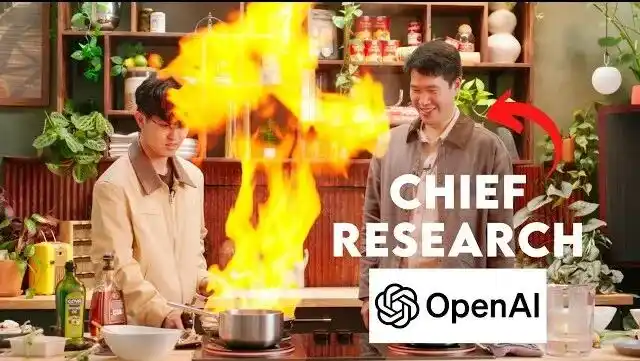
Just now, OpenAI's Chief Research Officer, Mark Chen, declared boldly:
In a sense, it's like I hope you can feel that AGI (Artificial General Intelligence) is coming...
We are getting closer and closer to a world where models can autonomously propose more innovations—they can conduct self-sustaining research.
This is not just an improvement in efficiency; the very process of 'evolution' is being outsourced to silicon-based life.
As Mark Chen skillfully chopped mushrooms and onions in front of the camera, he was talking not just about a bowl of soup, but about the last bastion of human civilization.
If AI can research itself, then on the eve of AGI's arrival, what role exactly should humanity play?
Every Field is Experiencing Its Own 'Move 37'
To understand the weight of this statement, we must go back to the moment Mark entered this field.
2016. AlphaGo vs. Lee Sedol.
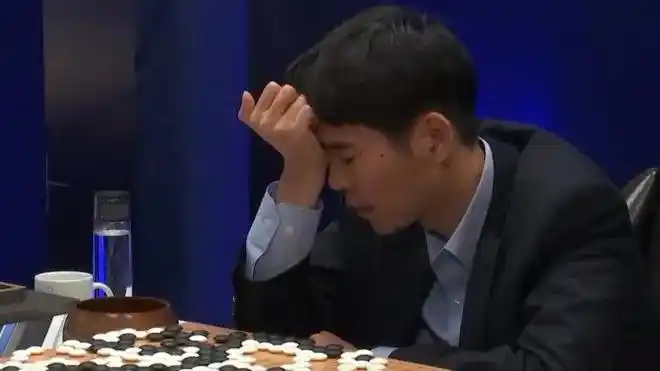
In the second game, there was a move—'Move 37'—that the entire world of human players collectively failed to comprehend the moment it was made.
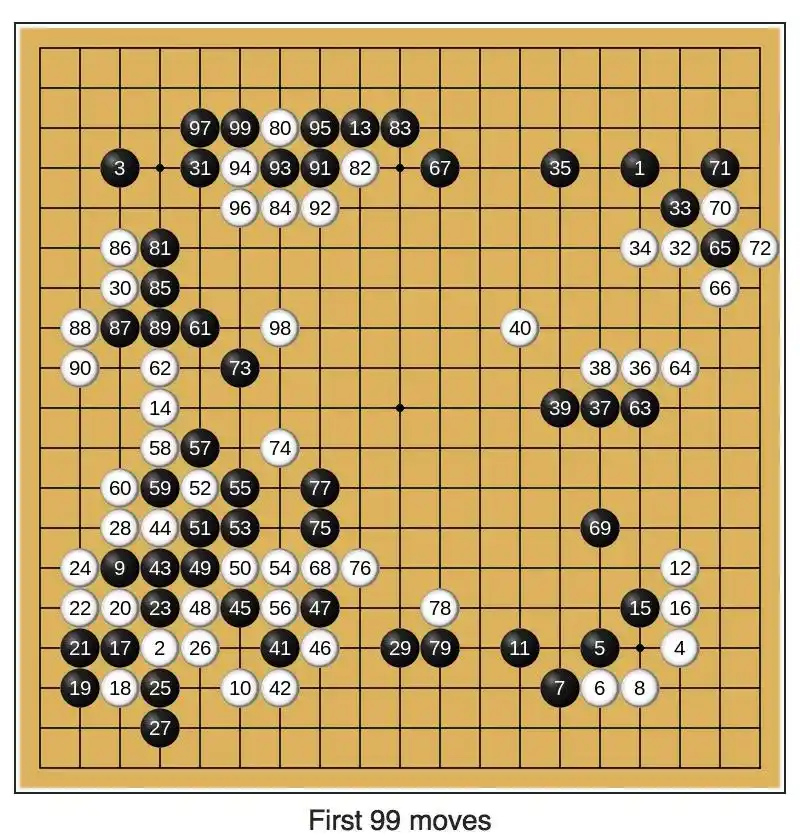
It was only later understood that it was a move conceived by the machine, one that humans could never have imagined. That moment ignited countless people and pulled Mark Chen into this field.
And now?
"The craziest thing," Mark says, "is that you can now see a 'Move 37' in almost every field."
In mathematics. In computer science. In programming.
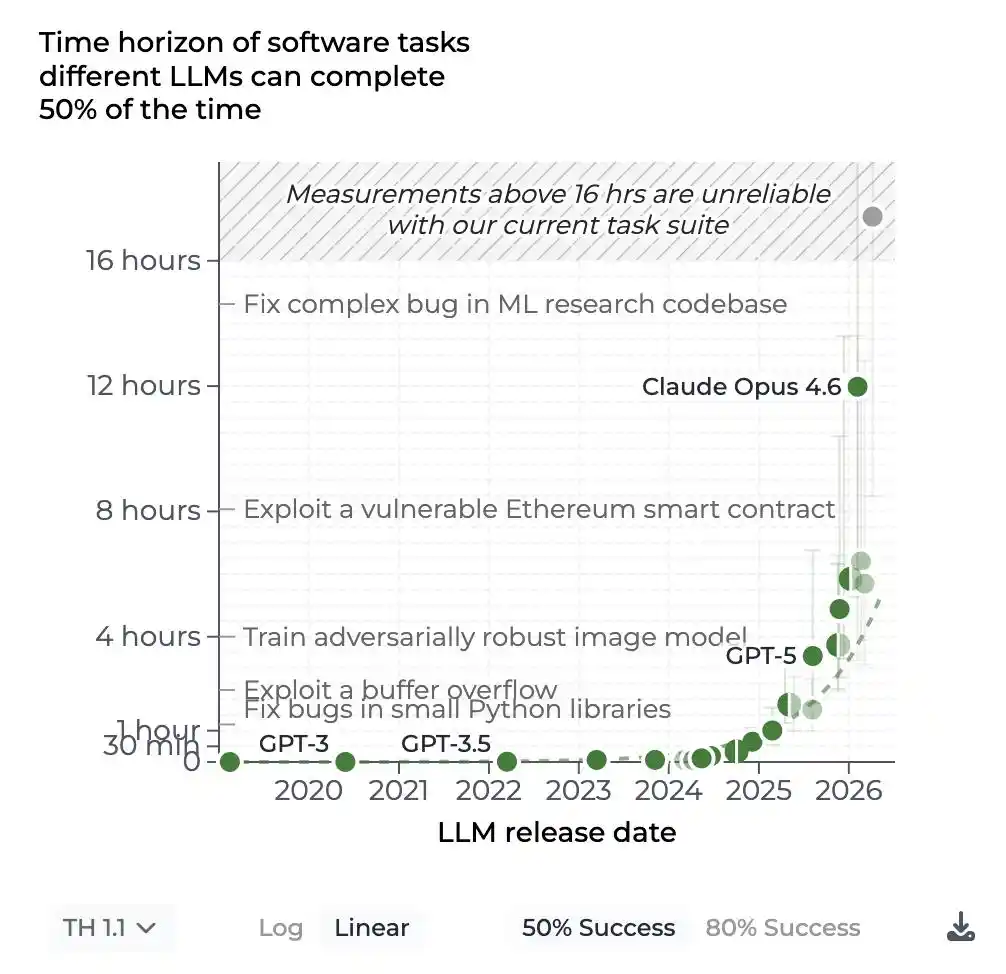
He describes a very subtle tipping point: many people, around the beginning of this year, "woke up one day" and suddenly realized: AI agents in my line of work, they can actually do real work.
Not toys. Not demos. They can complete meaningful, long-cycle, real-world work (long-horizon work) for you.
This means the idea of "models doing research on their own" is no longer a trope from science fiction.
It's the next step, naturally extrapolated from a series of already-occurring 'Move 37s'.
Look down this line, and standing at the end is that model that will conduct its own research.
Scaling Continues, Pretraining is Not Dead
But what underpins such optimism?
A belief: the scaling curve has not yet ended.
In recent years, claims like "pretraining is dead" or "language models won't lead to AGI" surface every so often.
Mark Chen "vehemently disagrees" with these pessimistic views.
He points out the pattern.
"Pretraining is dead" sounds fresh, but it's actually an old, worn-out script that has been replayed repeatedly over the years.
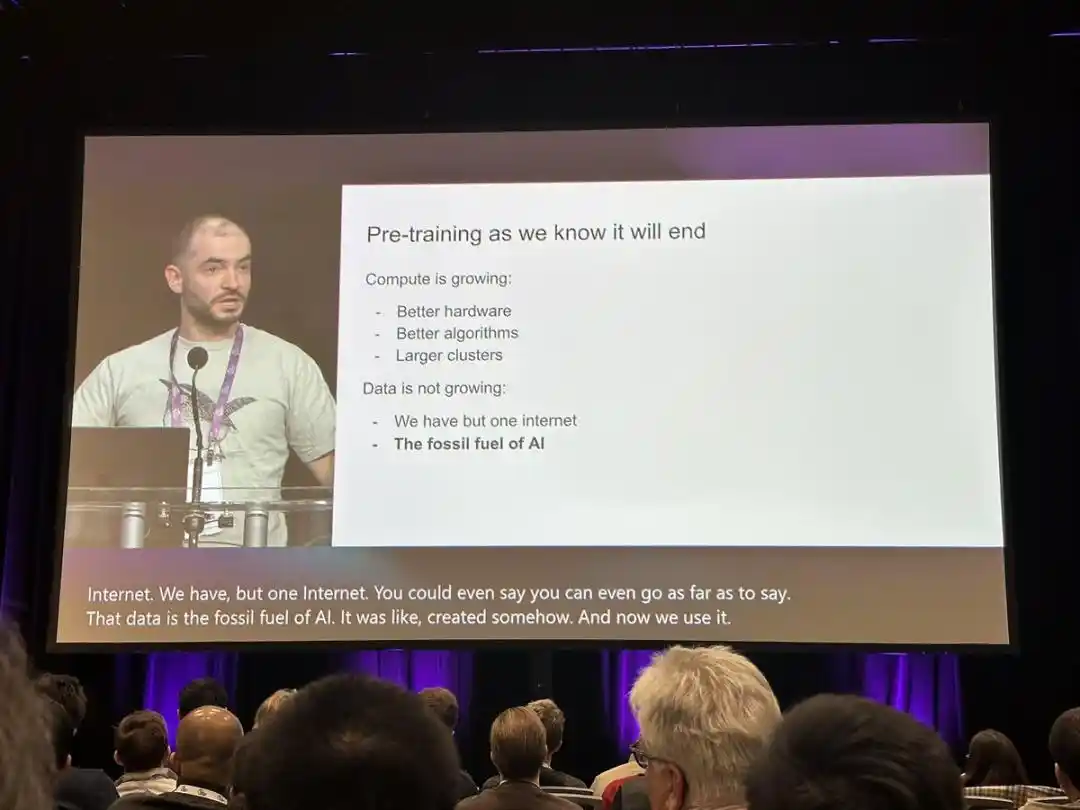
Each time, someone points at a bottleneck and says, "It's peaked, it can't go further"; each time, OpenAI somehow manages to pull out a new engineering trick, or a new research insight, to break through that wall.
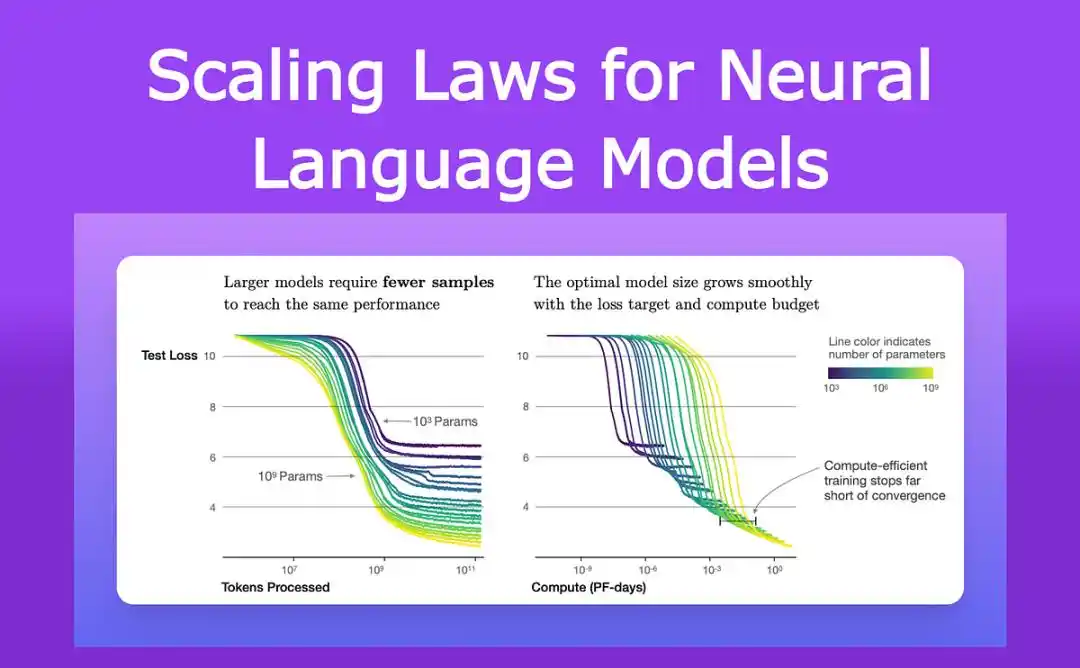
Mark Chen firmly believes, "We are on an exponential curve. It has already sustained through nearly 10 orders of magnitude. There's no reason it shouldn't continue to sustain."
And the most convincing evidence is that OpenAI itself has bet and won once.
The bet was on reasoning.
When o1 was first proposed, even within OpenAI, some didn't believe in it.
The paradigm of "pretraining + post-training" was so dominant at the time that people would naturally ask: The machine is working fine as is, why bother with something else?
It was through the strong push of a few people with conviction and judgment, like Jakub Pachocki and Ilya Sutskever, that it slowly became a fundamental bet for the entire company.
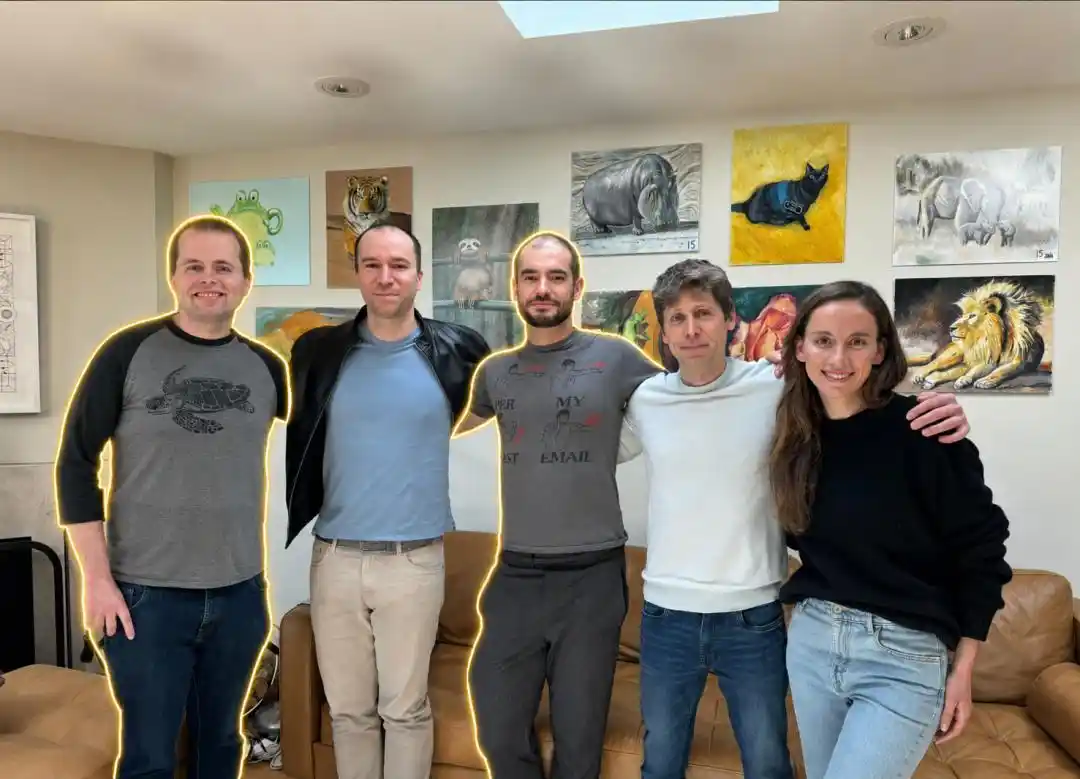
A year later, o1 emerged, and the reasoning paradigm ignited the entire industry.
The curve hasn't ended, coupled with the fact that the biggest breakthroughs often come from bets that nobody initially believed in. These two points together are the foundation of Mark Chen's confidence in saying "models conducting self-sustaining research is not far off."
When a model starts thinking on tasks that span weeks or even months, the innovations it generates may already be beyond the cognitive blind spots of human experts.
This is precisely the foundation of "self-sustaining research": if it can derive mathematical formulas humans have never seen, it can certainly write algorithm architectures superior to human designs.
Vibe Researcher: When Execution Becomes Cheap
We already have vibe coders—speak, and the AI writes the code.
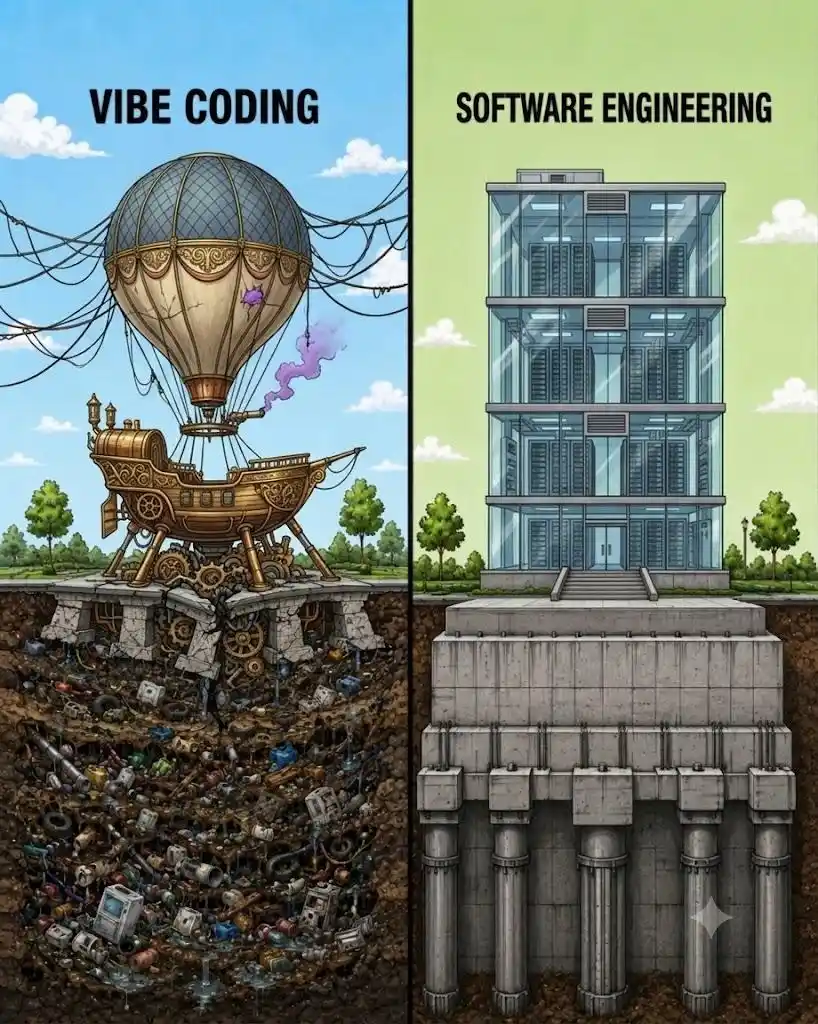
Research is also sliding in this direction.
During the interview, a highly controversial concept was repeatedly mentioned: Vibe Researcher.
This is a somewhat self-deprecating yet deeply considered career prediction.
Mark believes that the top researchers of the future will no longer be the ones writing every line of PyTorch code, but rather those who "get the vibe right."

Whether at OpenAI or other labs, you're beginning to see that a massive amount of work is shifting towards being primarily about 'orchestration'.
In plain language: humans are responsible for the ideas, and models are responsible for doing all the work.
The researcher uses their brain to conceive ideas; the rest—implementation, execution, scheduling—the model handles itself.
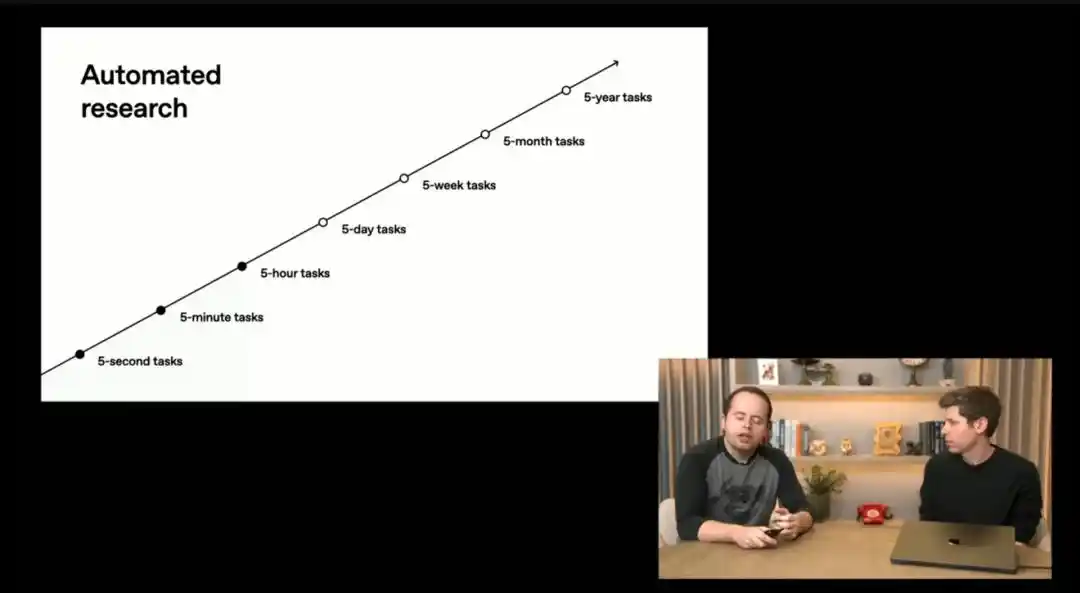
OpenAI's three-year roadmap clearly states the endpoint: enabling models to conduct end-to-end research, from idea generation to producing results, entirely on their own.
But This Road is Full of Unfilled Potholes
As AI becomes capable of autonomously executing and orchestrating tasks, human work will be compressed to the extreme ends:
1. Proposing the truly important questions.
2. Judging whether the answers AI provides have 'soul'.
This is the so-called 'Taste'.
Because machines don't have 'life', they lack 'common sense', and thus cannot develop 'taste'.
But stepping back, Mark Chen knows better than anyone that this road is far from smooth.
The first pothole: Evaluation is broken.
He used an internal term: 'Benchmaxxing'—finding a bunch of problems that look almost identical to the test set, training on them relentlessly, achieving impressive scores but gaining zero improvement in generalization ability.
What's worse, there are too few widely accepted gold-standard benchmarks.
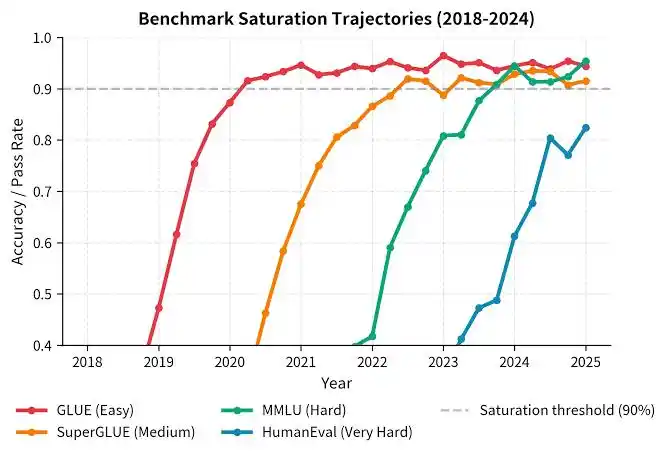
"We are truly in an evaluation crisis," he says. Classic tests like the SAT are all saturated for today's models.
In fact, once a benchmark is released to the world, it's no longer a good benchmark—like an exam paper that becomes invalid the moment it's printed.
Two strategies to address this issue:
1. Separate the evaluation creation team from the model optimization team, creating an adversarial incentive structure.
2. Deploy models at scale and observe failure modes in real-world applications.
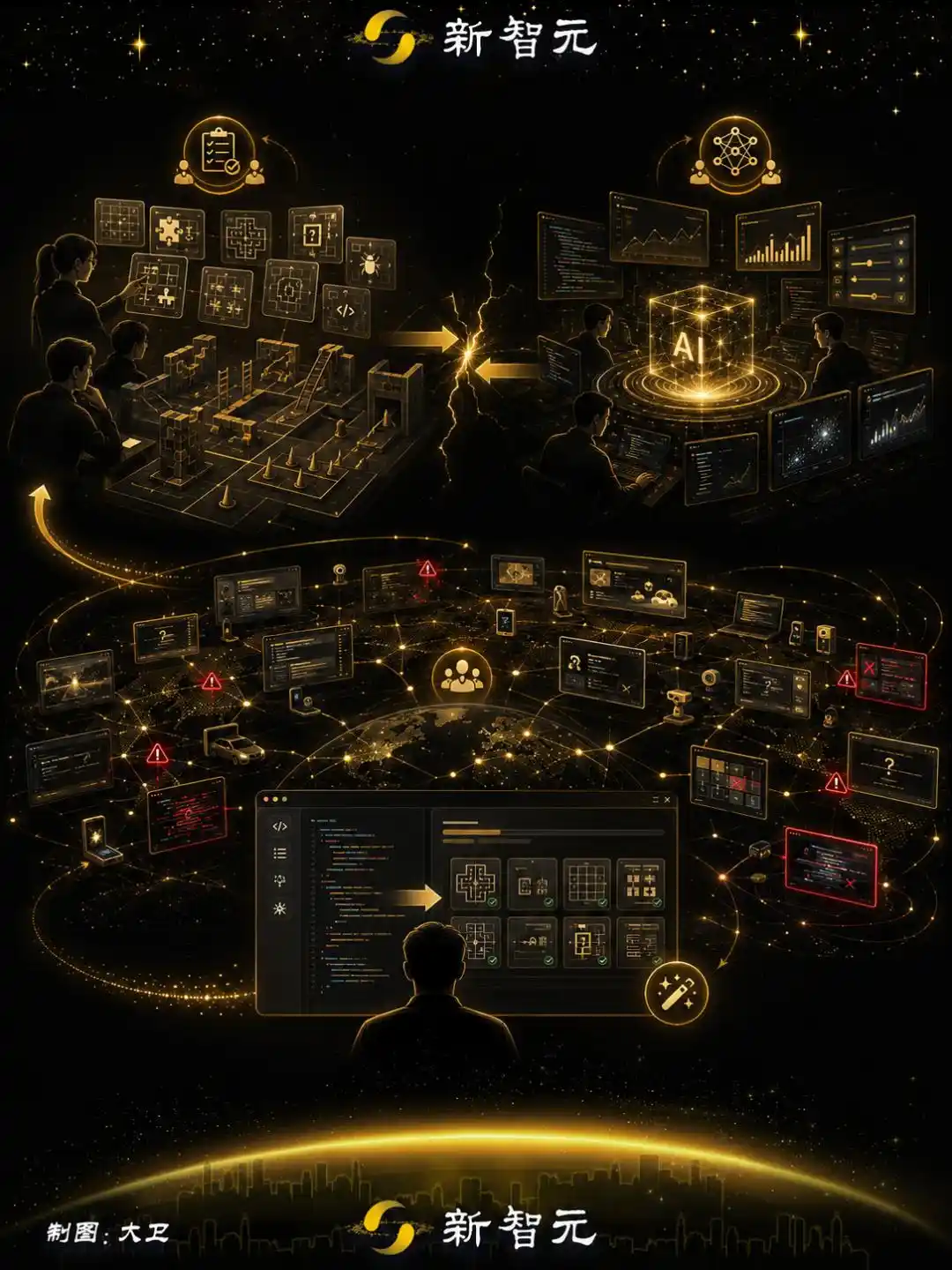
He also pointed out that the emergence of every new capability brings with it a corresponding need for evaluation, and steering the direction of evaluation is a significant part of his work.
The second pothole: The jagged frontier.
A model can solve Olympiad-level problems in math or informatics but might fail at trivial tasks humans do without thinking—a genius that can mentally calculate calculus but can't tie its own shoelaces.
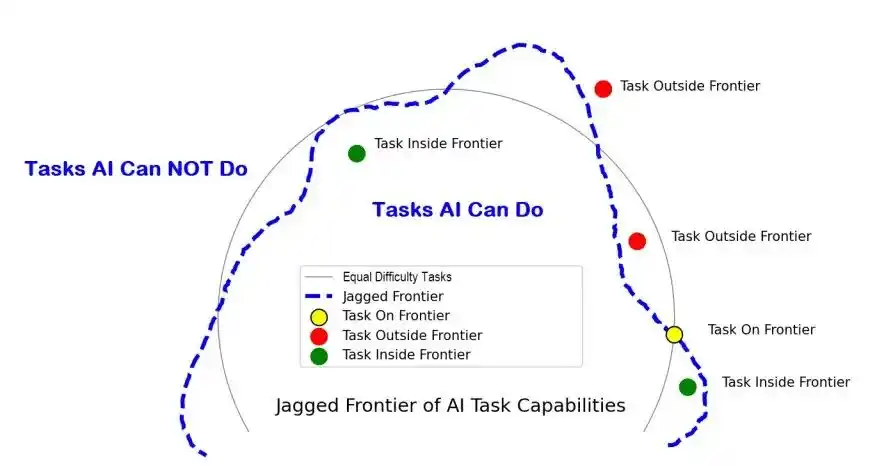
Where's the gap? It's in 'context', in continual learning—applying the lessons learned from one task to the next.
This is so natural for humans, but for models, it's a hard nut the entire industry is trying to crack.
When asked if reaching AGI still requires two or three fundamental breakthroughs, Mark didn't take the bait.
He said that abilities like continual learning are "essential foundational capabilities that must be unlocked." As for whether that counts as a 'breakthrough', he wasn't sure, but "many shots are already aimed at the goal, and I'm pretty sure they'll go in."
That's his attitude: the potholes are real, but work is already underway to fill every single one, and he's betting they can be filled.
The Soup Metaphor: Opening a Noodle Shop After AGI
The most heartwarming moment in the interview was the story about 'soup'.
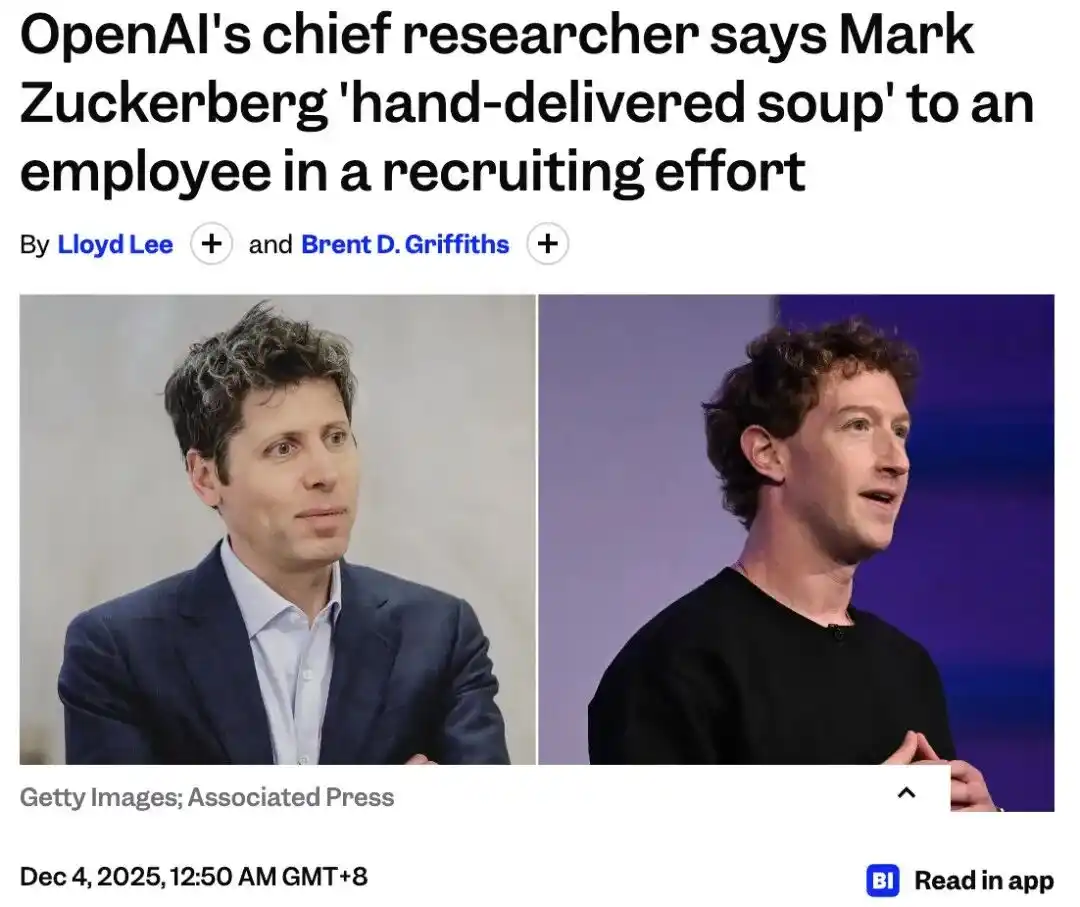
It is said that Mark Zuckerberg once tried to poach OpenAI researchers with homemade soup, and Mark Chen's response was to bring the soup directly to the office and share it with everyone.
When asked about his ultimate wish after AGI is achieved, this man in charge of the world's most powerful AI brains answered:
"I want to open a noodle shop. That might be my post-AGI hobby."
There is profound meaning hidden in this answer.
When AI can perform all "self-sustaining research", when all knowledge and innovation can be generated at the speed of light, the most scarce resource for humanity will no longer be intelligence, but 'experience'.
A machine can calculate the optimal saltiness for a bowl of soup, but it can never imbue that soup with 'warmth' and 'story'.
References:
https://www.youtube.com/watch?v=fpAthTtha8c
https://finance.biggo.com/podcast/1241bc21164ccc75
This article is from WeChat public account "Xin Zhi Yuan", author: ASI Revelation.