Author: Zen, PANews
Humanoid robotics company Figure AI recently initiated a "Human vs. Robot" parcel sorting challenge, attracting global attention. This competition, narrowly won by humans, led many to conclude that "humans won the present but lost the future." This statement is not baseless. Before the competition began, Figure had already started a live stream of robot sorting, which has now been broadcasting continuously for seven days. In terms of tireless endurance and continuous work capability, robots far surpass humans.
This sorting challenge live stream, along with the earlier heavyweight promotional video for a home robot, has also earned Figure the label of being a showman. However, there is no doubt that Figure AI is becoming one of Silicon Valley's most-watched humanoid robotics companies. This company, founded just three years ago, saw its valuation soar to $39 billion after a new round of financing, with investors including top-tier corporations and capital such as NVIDIA, Intel Capital, Salesforce, LG, and Qualcomm.
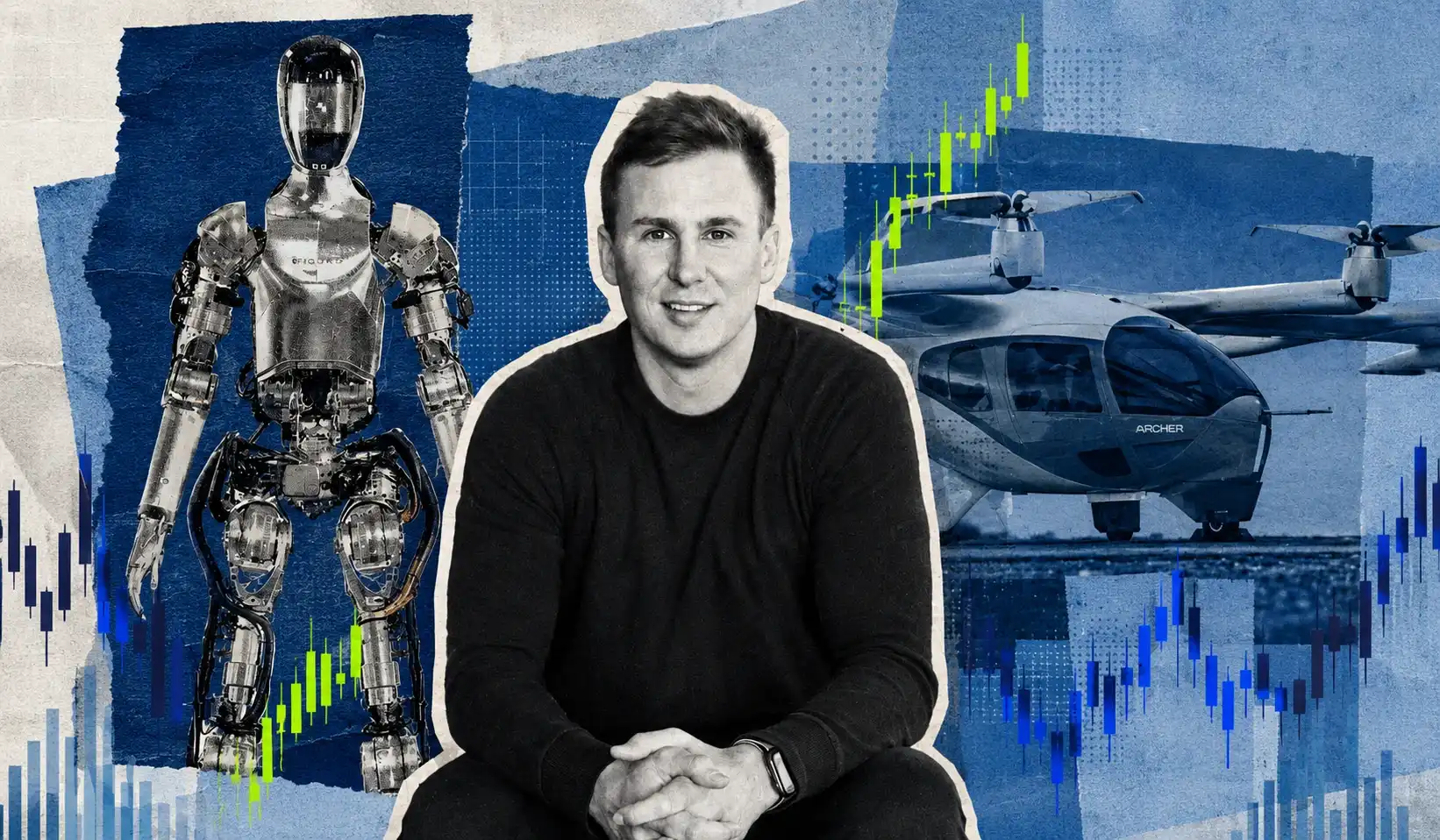
Standing behind this company is serial entrepreneur Brett Adcock, who hails from a farm. Before founding Figure, he had already had two distinct entrepreneurial experiences. First, he built the recruitment platform Vettery, selling it to the Adecco Group for $110 million in 2018. Subsequently, he co-founded electric vertical takeoff and landing (eVTOL) aircraft company Archer Aviation, driving its listing on the New York Stock Exchange in 2021.
Brett Adcock is not a founder who has dug deep in one industry over a long period. Instead, he continuously ventures into more complex, capital-intensive, and harder-to-validate fields. Figure is his most high-profile bet to date, placing him at the center of the AI robotics boom.
Surrounding this company, there are grand visions about a general-purpose robotic workforce, as well as skepticism regarding overvaluation, premature commercialization, safety risks, and technological approaches. To understand Figure, one must first understand how its founder has progressed step by step to reach this point.
Serial Entrepreneur from a Corn and Soybean Farm
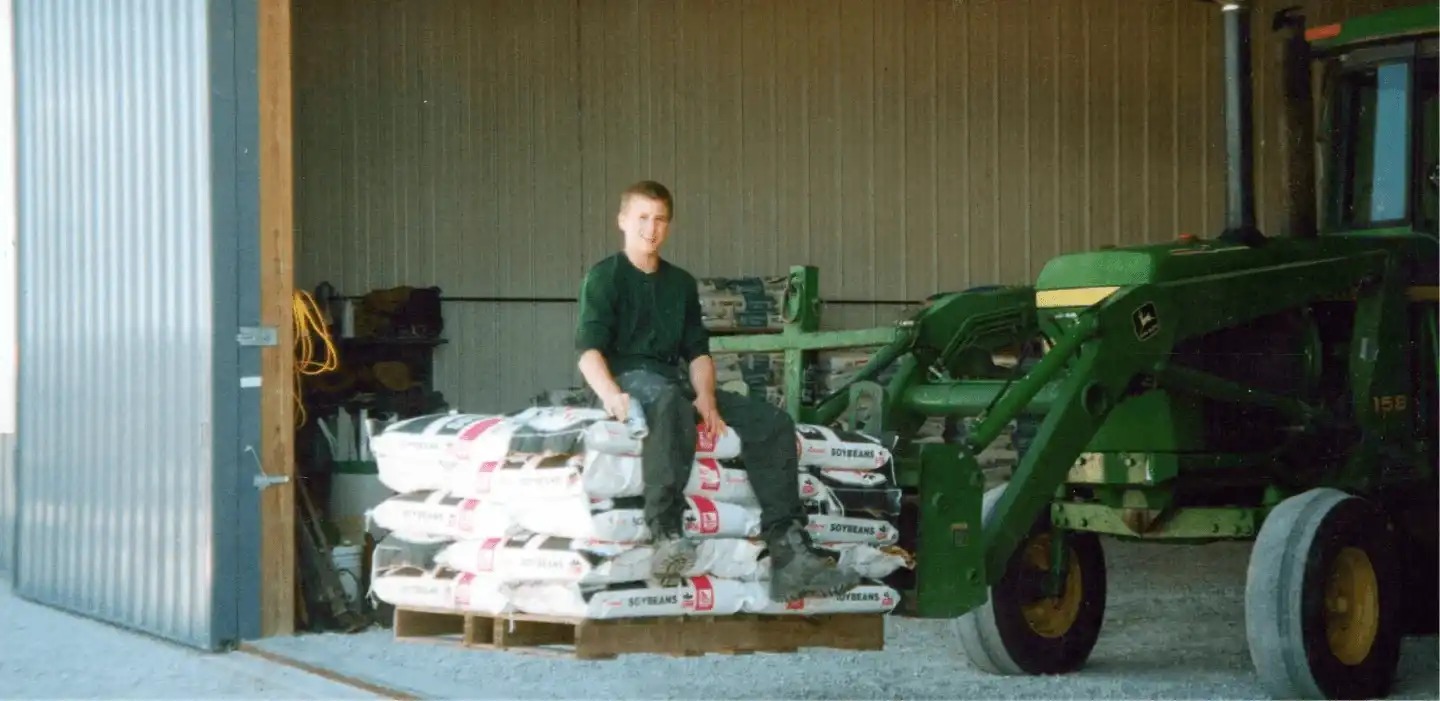
Brett Adcock was born in 1986 on a corn and soybean farm in central Illinois. Growing up in this multi-generational farming family environment instilled in Adcock a strong emphasis on "how to create value for the world from scratch." He began starting internet companies at the age of 16. By the time he graduated as valedictorian of his high school class, his family clearly understood that he should perhaps leave the farm and venture into the world of entrepreneurship and business.
During university, Adcock continued to independently develop various software, initially creating a website selling outdoor electronics. Later, he focused his efforts on the job recruitment sector, developing content websites to help job seekers prepare for interviews in fields like finance ("Street of Walls"), a mobile job search app ("Working App"), and a video interview website. These projects were not successful and resembled early, immature entrepreneurial experiments.
In 2012, while striving in New York, Adcock turned his attention back to the recruitment market. He co-founded Vettery with Adam Goldstein. Initially, Vettery was a platform targeting third-party recruitment agencies, but this model was quickly proven uncompetitive. After several adjustments, Adcock and the team decided to pivot, placing job seekers and companies directly on the same platform and improving matching efficiency through software and machine learning.
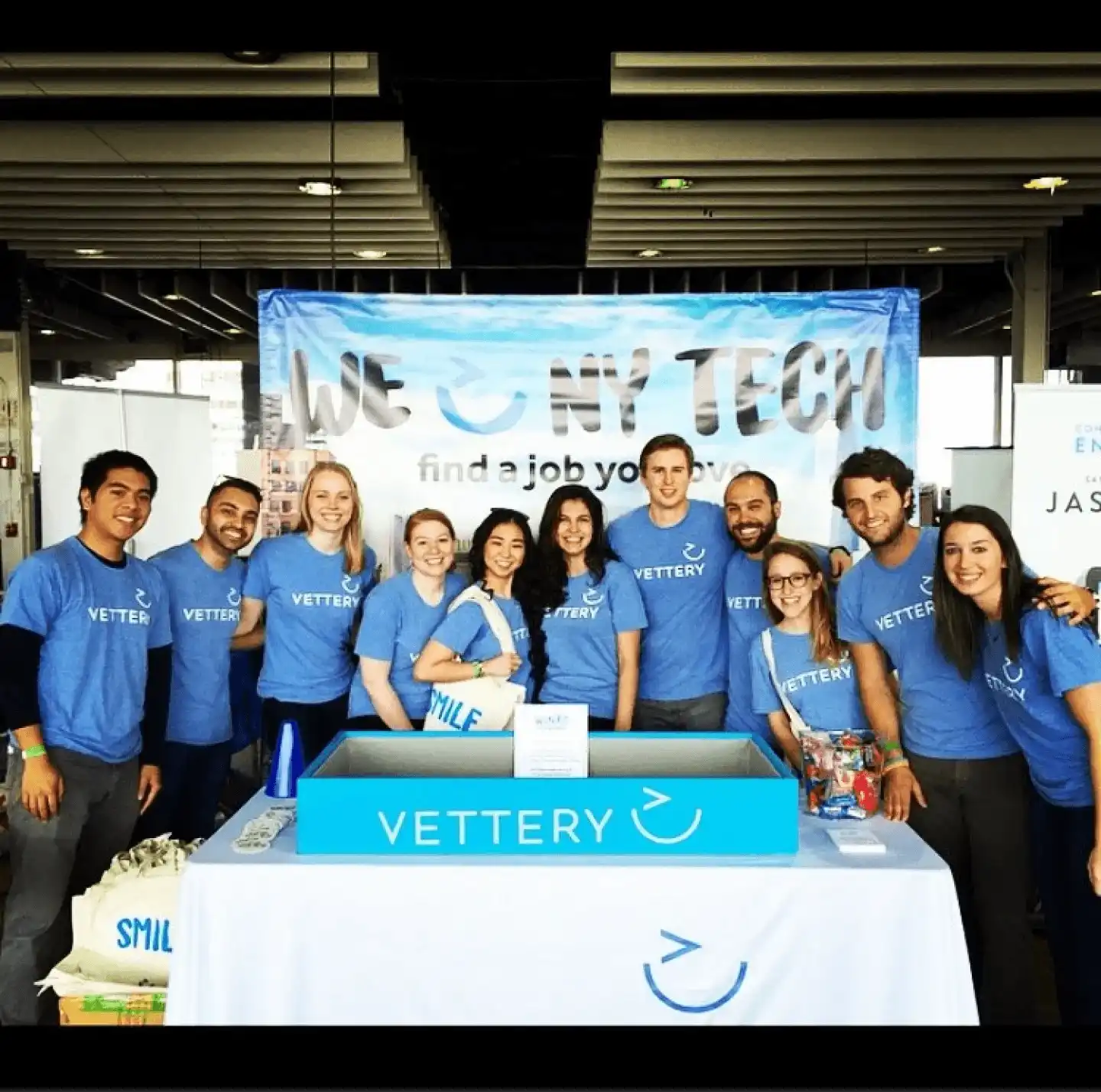
After the Vettery platform launched, growth accelerated. Adcock later recalled that platform users experienced consecutive weeks of doubling growth. By 2017, Vettery's employee count had grown to 300, with about 20,000 clients and approximately 30,000 interviews conducted monthly through the system. The company also caught the attention of the world's largest recruitment company, the Adecco Group, and was acquired by the latter for $110 million in 2018.
This transaction provided Adcock, just past his thirties, with a substantial personal fortune. He began looking for more complex, longer-cycle problems that also required capital and engineering prowess, specifically in hardware and sustainable development. Thus, he moved west to California, heading to Silicon Valley to seek the next opportunity.
In Three Years, Building a Flying Car Startup into a Public Company
Aiming to tackle more challenging problems, Adcock could no longer randomly throw out ideas and conduct low-cost experiments like he did in university. After careful consideration, he chose to focus on solving transportation problems by entering the three-dimensional airspace. Adcock wanted to try creating the flying cars seen in sci-fi movies, making electric vertical takeoff and landing (eVTOL) aircraft the most suitable choice.
In 2018, Adcock teamed up with Adam Goldstein again to co-found Archer Aviation. Compared to Vettery, Archer was an entirely different world. It required a top-tier engineering team, hardware R&D, supply chain management, engineering manufacturing, aviation certification, public safety, and long-term patience from capital markets.
The founding of Archer Aviation also involved a fortuitous opportunity. At the time, French aviation giant Airbus was relocating all its flying car "Vahana" business to France, and flight car company Kitty Hawk's cost-cutting measures due to its partnership with Boeing caused dissatisfaction among some engineering team members (Kitty Hawk later dissolved in 2022). Seizing the opportunity, Adcock absorbed a large number of personnel from these two projects, rapidly assembling a seasoned team.
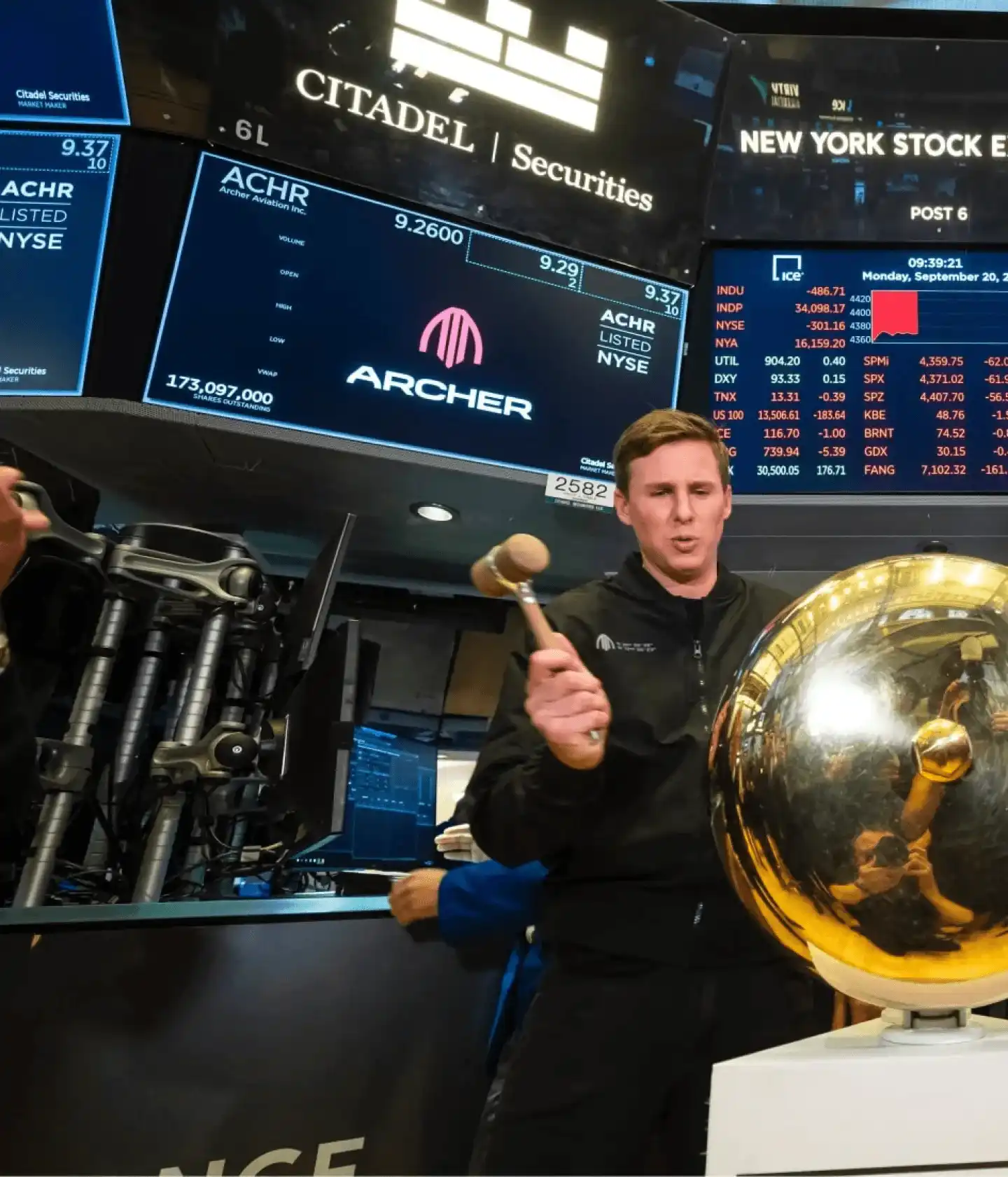
In 2021, Adcock and his team successfully conducted the maiden flight of the full-scale, two-seat, autonomous prototype aircraft "Maker." They also partnered with automotive giant Fiat Chrysler on supply chain, advanced composite materials, and engineering, design, and production aspects, and secured a $1 billion order from United Airlines. That same year, Archer Aviation went public on the New York Stock Exchange via a SPAC merger, valued at approximately $2.7 billion. Today, the company's market capitalization stands at $4.5 billion and it is part of Cathie Wood's Ark Invest portfolio.
Despite entering the market relatively late, Archer Aviation's rapid rise has made it a major contender in the emerging eVTOL industry. In November 2022, Archer's five-seater "Midnight" aircraft made a stunning debut. Once it receives type certification from the Federal Aviation Administration (FAA), it will become the company's first air taxi product.
However, Adcock quietly left the company shortly after its IPO. In April 2022, Archer announced that Adam Goldstein would serve as the sole CEO, with Adcock stepping down as co-CEO but remaining on the board. The company explained at the time that the move was to simplify the operating structure and advance flight testing, certification, and commercialization.
The real reason for his departure may be more complex and is unknown to the public. Judging by the company's stock performance, it was indeed in a post-IPO slump. Adcock later stated that he left Archer due to "differences" with the board, especially after the company went public, regarding what he wanted to do versus what the team wanted to do.
Perhaps for him, the governance of a public company, the regulatory path, and the pace of commercialization no longer suited a founder who always wanted to leap into the next technological revolution.
Final Venture? Adcock Plans to Build Figure with a 30-Year Vision
After leaving Archer, Adcock quickly entered the next equally sci-fi and currently even larger bet. In 2022, he founded Figure AI, entering the field of general-purpose humanoid robotics. In Figure's Master Plan, he wrote that his goal is to build the company with a 30-year vision, investing time and resources into "maximizing utility impact on humanity."
Regarding team composition, Adcock adopted a strategy similar to when he founded Archer. He rapidly assembled a team of 60 people, with members primarily hailing from renowned companies and projects such as Boston Dynamics, Tesla, Apple's autonomous vehicle project, and Google DeepMind.
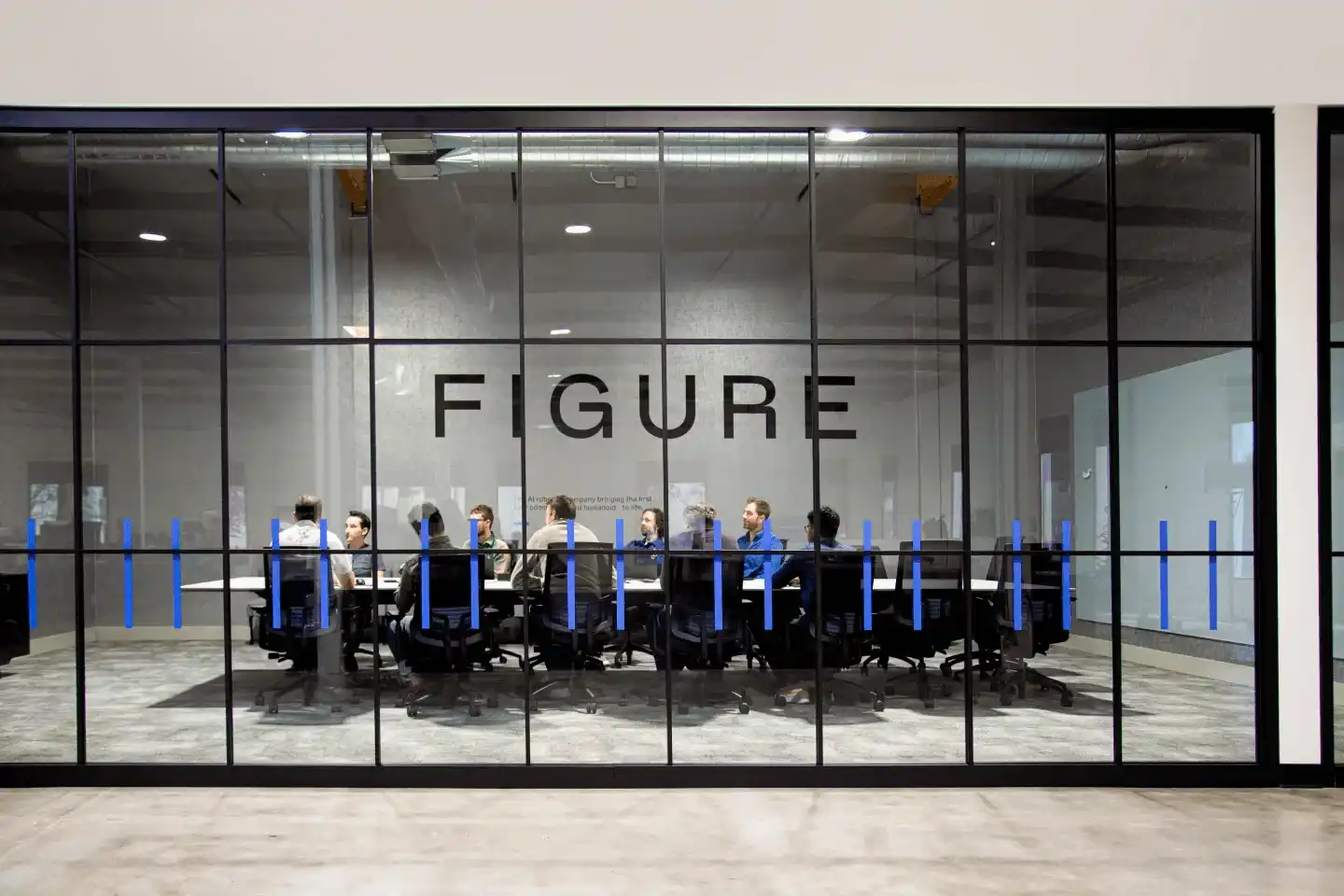
Giving AI a physical body is the proposition Adcock set for Figure. Figure aims not to create industrial robotic arms or service robots, but rather general-purpose humanoid robots capable of entering human environments, using human tools, and performing a variety of tasks. Adcock believes that the world is inherently designed for the human body; therefore, creating robots that interact with the world in a similar way can automate a vast amount of work.
The underlying rationale for this vision is Adcock's assessment of the labor market. In Figure's Master Plan, he writes that the United States has over 10 million "unsafe or undesirable" jobs, and an aging population will further exacerbate the difficulty for businesses to expand their workforce. If the economy is to continue growing, it requires more productivity, which in turn demands more automation. Consequently, Figure has identified manufacturing, logistics, warehousing, retail, and home scenarios as its long-term directions.
As Figure's valuation rises, the skepticism directed at Adcock intensifies. The first category of doubt centers on the vast gap between commercialization and valuation. Essentially, the market is buying a distant future expectation. While Figure has attracted market enthusiasm with a valuation nearing $40 billion, its revenue scale and mass production capabilities remain limited. Its future revenue projections heavily rely on the ability to deploy a large number of robots before 2029.
Furthermore, Figure's split with OpenAI has attracted significant attention and controversy. In 2024, Figure partnered with OpenAI to develop next-generation robot AI models and received investment support from OpenAI, Microsoft, NVIDIA, Jeff Bezos, and others. However, less than a year later, Adcock decided to terminate the partnership and instead develop the models internally.
According to Business Insider, Adcock later stated that OpenAI brought little value to Figure beyond its brand, and that robot AI requires a different technical approach than chatbots. He also mentioned that when OpenAI indicated it wanted to build its own humanoid robots, he considered the partnership over. The report also noted that a technical employee from OpenAI shared a related clip, calling Adcock's claims "untrue."
"Preference" for More Difficult Problems and Larger Narratives
Looking back at Adcock's three main entrepreneurial ventures, Vettery, Archer, and Figure appear unrelated on the surface—one is a recruitment platform, one is a flying car company, and one is a humanoid robot company. However, they share the same entrepreneurial philosophy: targeting a massive, inefficient market where a technological inflection point is emerging, and advancing simultaneously with capital, engineering teams, and bold narratives.
With Vettery, he bet that machine learning could improve recruitment matching efficiency. With Archer, he bet that batteries, motors, and aerospace engineering could unlock urban air mobility. With Figure, he is betting that AI models, robotic hardware, and manufacturing capabilities can fuse into a new type of labor force. Adcock's thinking does not start from a single-point product but works backward from "how the future world should operate" to determine what kind of company to build today.
Brett Adcock's career resembles a curve of increasing asset intensity: from software platforms to aircraft, and then to humanoid robots. He is not a technical expert who has dug deep in a single field for decades. He is more like an "entrepreneurial hunter," sensing opportunities, organizing resources, recruiting teams, amplifying the narrative, and then moving on.
Now, standing under the spotlight of Figure AI, he faces skepticism as loud as the applause. But regardless of the outcome, he has already etched his name into the first chapter of AI robotics business history.