By Matthew Hayward, Senior Market Analyst at PrimeXBT
October has historically been a strong month for cryptocurrencies, especially Bitcoin. However, we have yet to witness the impressive gains we’ve seen in previous years. Currently, Bitcoin is up over 6% for the month, which is somewhat encouraging. Given how “Uptober” began, it seemed likely that the month would end either flat or with minimal returns. So, what caused this, and why haven’t we seen the significant gains expected? If we look back to the start of October, several announcements and developments during that time contributed to Bitcoin’s initial slump earlier in the month.
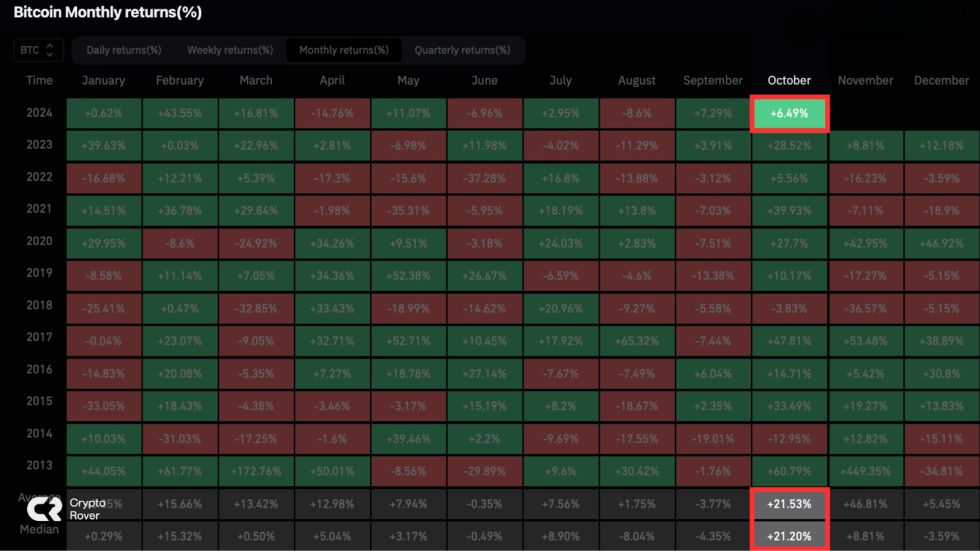
Source: Crypto Rover
Is a potential recession on the horizon?
Historically, Bitcoin and the broader cryptocurrency market have never experienced an extended period of significant uncertainty. Since Bitcoin’s creation in the late 2000s, it has only existed in the post-2008 Financial Crisis era. This raises the question: what would happen if a “Black Swan” event were to occur? How would it impact price movements and the so-called “cycle theories”?

Source: Vanity Fair
Political instability affecting current price action
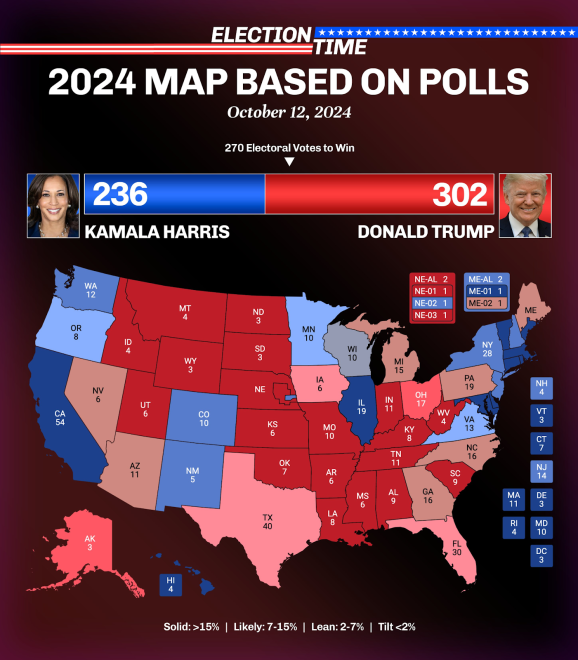
Key events we need to consider during these times come from both political and economic perspectives. Politically, the U.S. elections are just around the corner, and current polls show Trump leading in popularity. While the actual outcome will only be known on election day, history has shown that Trump’s candidacy has previously led to positive momentum for both traditional and cryptocurrency markets. He has also made clear statements supporting the adoption of cryptocurrency if re-elected, which raises the question: could this lead to greater adoption in the space? Only time will tell.
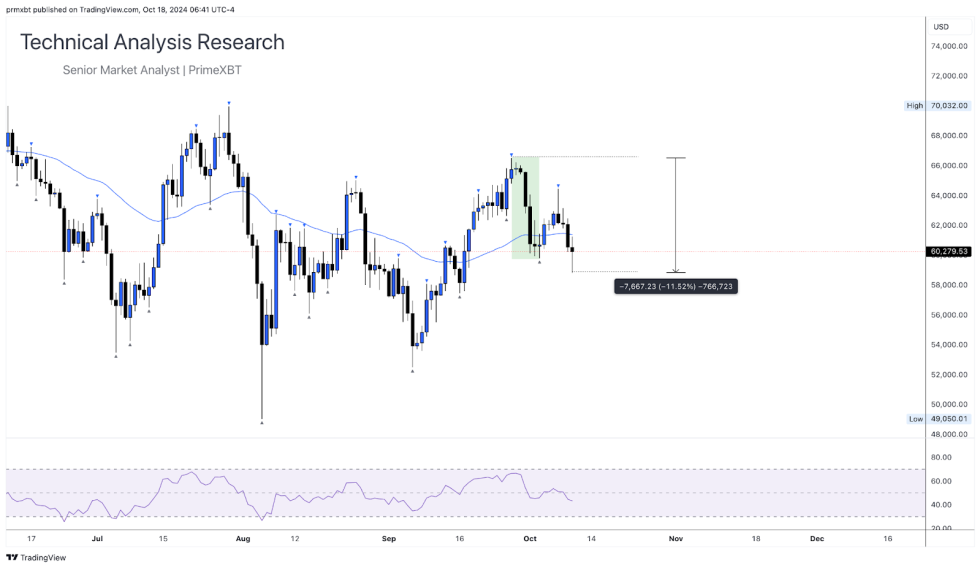
Another significant political factor affecting both traditional and cryptocurrency markets is the ongoing tensions in the Middle East. At the start of October, we saw how these developments impacted prices, with Bitcoin dropping over 11%. This decline could be a key reason why the “greater” returns many traders and analysts anticipated for October have not materialised as of yet.
At present, the total market capitalization of the crypto market appears poised for an extended push into new areas of interest. However, these political events could have short- or long-term impacts on prices, depending on their outcomes. Additionally, there are some intriguing economic data points that continue to surprise and perplex market participants.
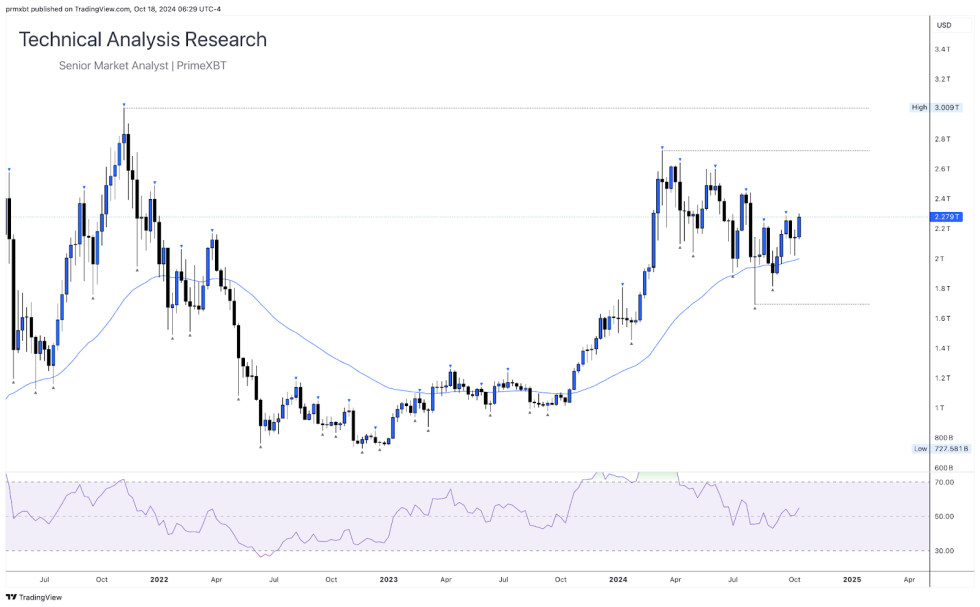
Continued Marco-economic uncertainty
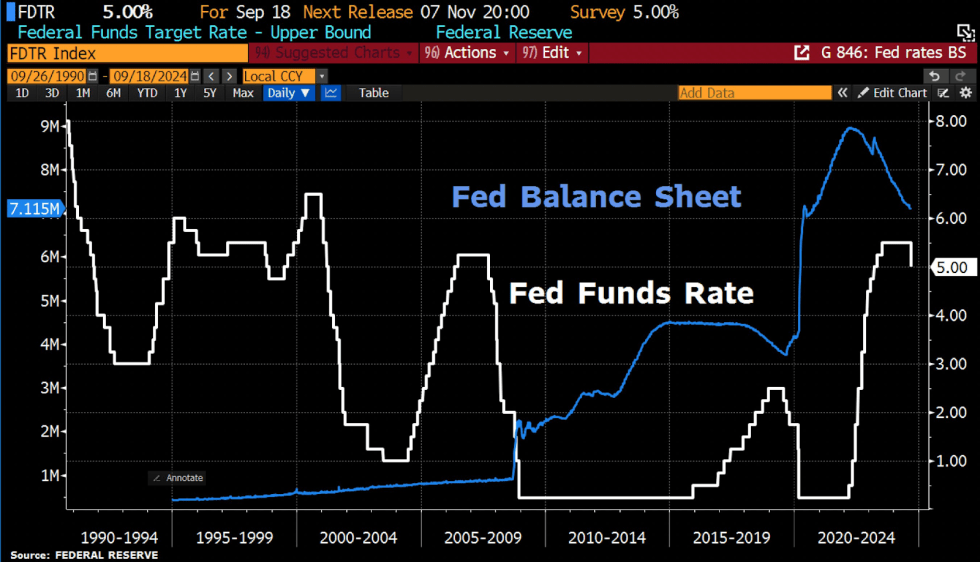
In September, the Federal Reserve announced a significant 0.5% interest rate cut, a notable move given that rates had remained unchanged for an extended period. The last time they made such an aggressive rate cut, it coincided with the stock market collapse and the onset of the 2008 financial crisis.
Following the announcement of the interest rate decision, Non-Farm Payroll data came in significantly higher than expected, contrasting with previous reports. The Federal Reserve had previously emphasised its intent to support the labour market, and as the elections approach, it appears to be succeeding. However, the question remains: how substantial will next year’s revisions be if these results are indeed inflated?
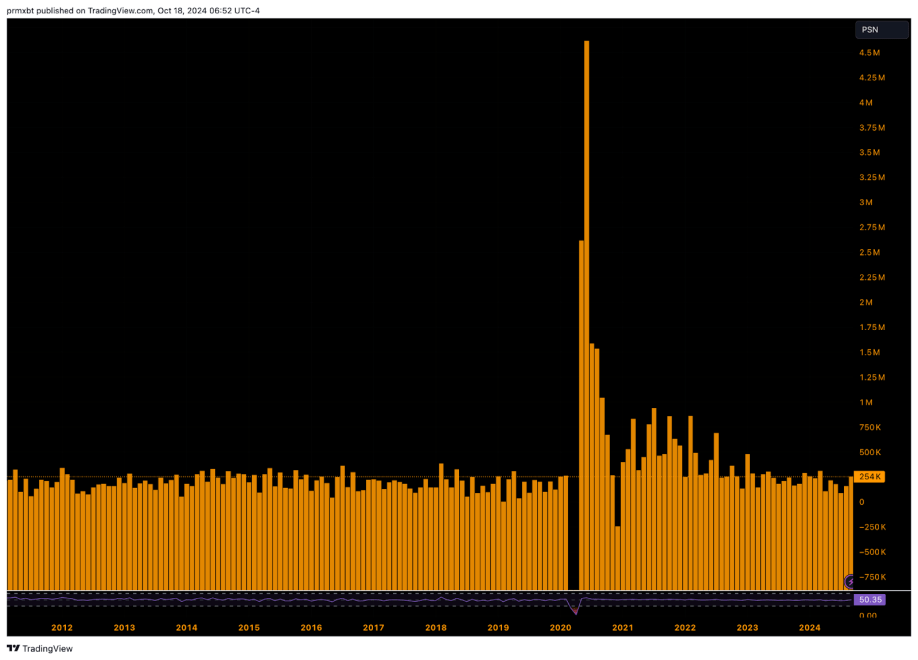
Source: Reuters
Is there a risk of inflation continuing to print higher?
Following the Federal Reserve’s 0.5% interest rate cut and the stronger-than-expected jobs data, the focus shifted to inflation. The Fed reaffirmed its commitment to bringing inflation back to its 2% target, but traders were wary of the risk that inflation could rise after the rate cut. The latest CPI data came in slightly higher than expected at 2.4%, though just below the previous month’s figure of 2.5%. If inflation trends upward and U.S. GDP data remains flat or declines, there is a risk of “stagflation.”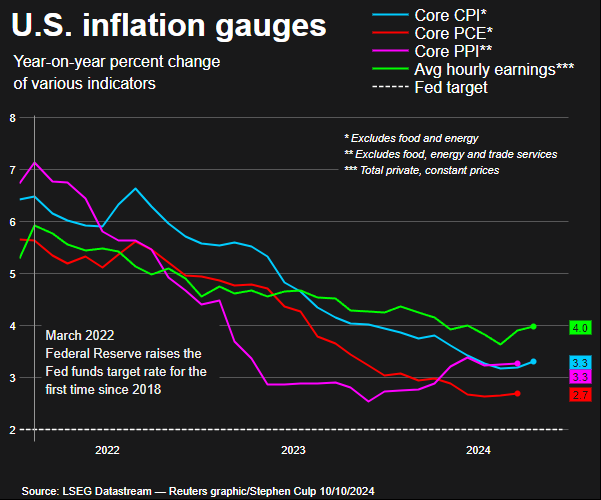
So how do these events affect Cryptocurrency and markets in general?
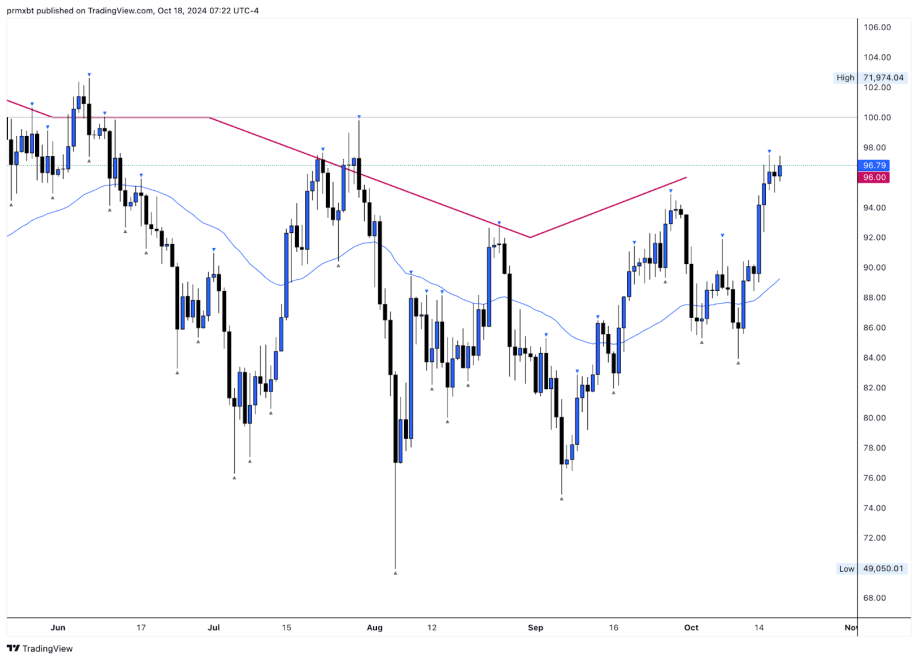
As cryptocurrency adoption becomes more widespread and larger institutional players enter the market, we can expect traditional indicators to increasingly influence how risk assets like cryptocurrencies are traded. The chart below illustrates how the slight increase in CPI results (red line) coincided with a decline in Bitcoin’s price. This highlights the importance of considering key global events when forecasting and interpreting current price movements in Bitcoin and altcoins more generally.
How to trade key upcoming events with Prime XBT
As these economic uncertainties intensify, potential trading opportunities may arise. PrimeXBT is a leading cryptocurrency and CFD broker that provides a comprehensive trading platform for buying, selling, and storing Cryptocurrencies. The platform also offers access to over 100 popular markets, including Crypto Futures, Copy Trading, and CFDs on Cryptocurrencies, Forex, Indices, and Commodities. Users can trade using both fiat and cryptocurrency funds, making it a versatile choice for navigating the evolving macro landscape.
PrimeXBT enables investing by reducing barriers to entry and offering secure, user-friendly access to financial markets. The platform is designed to provide industry-leading trading conditions and innovative tools, making it easier for both new and experienced traders to engage with a wide range of investment opportunities.
Trade economic events with PrimeXBT
Disclaimer: The content provided here is for informational purposes only and is not intended as personal investment advice. Past performance is not a reliable indicator of future results. The financial products offered by the Company are complex and come with a high risk of losing money rapidly due to leverage. Virtual assets are inherently volatile and subject to significant value fluctuations, which could result in substantial gains or losses. These products may not be suitable for all investors. Before engaging, you should consider whether you understand how these leveraged products work and whether you can afford the high risk of losing your money. PrimeXBT does not accept clients from Restricted Jurisdictions as indicated in its website.

Related Posts