With Half of the FOMC Already Hawkish, Will Wash Become a "Lame Duck" Chairman?

marsbitXuất bản vào 2026-08-12Cập nhật gần nhất vào 2026-08-12

Tóm tắt

Federal Reserve Chair Walsh faces an unusual authority crisis as hawkish FOMC members gain influence. According to sources familiar with his thinking, if upcoming inflation data runs hot, Walsh is prepared to support a rate hike at the September meeting—a move seen as crisis management after his perceived lack of clear guidance in July. Currently, six FOMC members are inclined to raise rates if inflation remains persistent. This includes three who dissented in July for an immediate hike, two who indicated they are close to joining the hawkish camp, and one governor who has publicly warned of potential tightening. With 12 voting members and no tie-breaking vote for the chair, a coalition of six could push through a rate increase without Walsh's endorsement, potentially forcing him to either follow the majority or stand isolated. Market pricing has also shifted, with short-term interest rate futures now reflecting firmer expectations for one to two hikes this year. While Walsh's team points to stable long-term inflation expectations as a sign of policy credibility, analysts argue the overall market signal points toward tightening. The situation illustrates how a central bank chair can lose control of the committee's direction if communication falters and a hawkish consensus forms.

Author: Yang Chen, Wall Street Insights

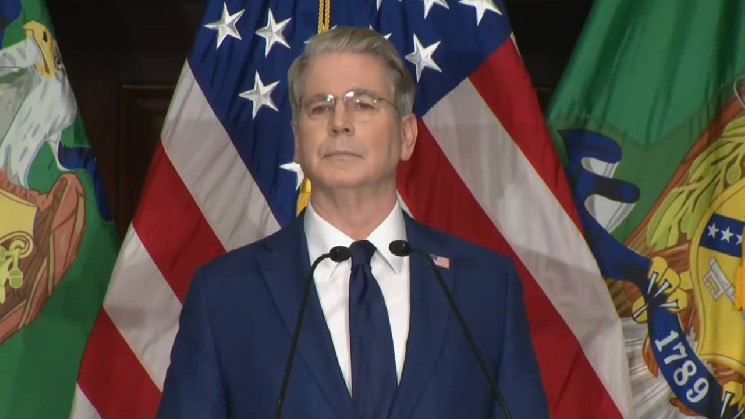
Federal Reserve Chairman Wash is facing a rare crisis of authority: Against the backdrop of hawkish committee members gradually dominating the FOMC narrative, if he fails to regain the initiative in communication, he may be forced to follow the majority rather than lead the direction.

According to the British "Financial Times", sources familiar with Wash's thinking revealed that if the inflation data to be released in the coming weeks proves hotter and market expectations for rate hikes further intensify, he is prepared to support a rate hike at the September FOMC meeting.

The release of this signal is widely seen as a crisis public relations move by Wash following public pressure after the July FOMC meeting.

At the same time, these informed sources also pointed out that current market-based long-term inflation expectations remain low, indicating that investors still have confidence in the Fed's commitment to maintaining price stability.

The problem is, this statement came too late. At the press conference following the July FOMC meeting, Wash refused to make any substantive comments on the US economic situation and was subsequently marginalized by other committee members who spoke out one after another.

Currently, a total of six Fed officials are inclined to support rate hikes under conditions of persistently hot inflation data. For the market, the absence of the Chairman's voice has created a substantive information vacuum and prompted investors to reassess the rate hike path—pricing for a rate hike within the year in the short-term interest rate futures market has significantly increased.

Three Dissenting Votes, Hawks Have Formed a Critical Mass

At the July FOMC meeting, three committee members voted against holding rates steady, advocating for an immediate 25 basis point increase in the federal funds rate to the 3.75% to 4% range.

Cleveland Fed President Beth Hammack believes the current interest rate level is still not sufficiently restrictive to curb inflation.

Minneapolis Fed President Neel Kashkari worries that the combination of supply shocks and demand recovery will keep inflation stubbornly high for a long time.

Dallas Fed President Lorie Logan's reason is more direct—inflation has now exceeded the 2% target for five consecutive years without a clear path down.

Beyond the three dissenting voters, two other committee members who voted to maintain rates made it clear they are close to switching to the rate hike camp.

Fed Governor Lisa Cook said that if there is no recent sign of sustained inflation cooling, she is "prepared to take action" to raise rates; Philadelphia Fed President Anna Paulson also said that if core inflation remains persistently and stubbornly high, she would be inclined to tighten monetary policy.

Additionally, Fed Governor Christopher Waller has publicly stated over the past month that the Fed is at a policy crossroads, and if core inflation heats up again, a rate hike would be necessary.

Six Votes Are Enough to Pass, Chairman May Be Forced into Passivity

The FOMC has a total of 12 voting members, and the institution does not have a procedure where the chairman casts a deciding vote in case of a tie. This institutional detail is key to understanding the current power dynamics.

The three members who have already cast dissenting votes, plus the two who have explicitly indicated they are nearing a pro-hike stance, along with Waller himself, bring the total to six officials inclined to support a rate hike under persistently hot inflation data.

If subsequent data triggers a collective move by this camp, a rate hike decision could pass without Wash's endorsement. At that point, Wash would face only two choices: either join the majority camp, or place himself in the isolated position of the minority.

This situation is not unprecedented. In August 2005 and June 2007, then-Bank of England Governor Lord Mervyn King chose to stand with the hawkish minority in two Monetary Policy Committee meetings, publicly stating that this reflected the value of the committee and the equality of each member's voting right.

For Wash, the cautionary tale of this case is: even a central bank governor cannot always steer the committee.

Market Pricing Has Already Sent a Rate Hike Signal

Another core controversy surrounding Wash's position is whether the market signals cited by his team have been selectively interpreted.

Wash respects financial market pricing and sees stable long-term inflation expectations as evidence that the policy stance remains accommodative. However, according to interest rate expectation distribution data from the Atlanta Fed cited by the British "Financial Times", the overall signal from the market is far from that.

In early 2026, financial markets viewed one rate cut within the year as the most likely scenario. By the time Wash took office, the market had already priced in one rate hike as the baseline, with the average expectation being roughly two hikes. As of early August, the distribution of rate expectations had no clear mode, but market conviction for one to two hikes within the year had grown firmer.

The above changes in the short-term interest rate futures market coexist with stable long-term inflation expectations. Both are integral parts of the same market system and cannot be interpreted separately. If the Fed indeed incorporates market signals into its decision-making basis, the complete pricing picture currently points to only one conclusion: a rate hike.

Câu hỏi Liên quan

QWhat does the article suggest about the current balance of power within the FOMC regarding interest rate policy?

AThe article suggests that the hawkish faction within the FOMC has gained significant influence, now potentially constituting half of the voting members. At least six members are inclined to support a rate hike if inflation data remains hot, which could allow a decision to be made without Chairman Walsh's explicit leadership or endorsement.

QAccording to the article, what specific actions or statements have three FOMC members taken that demonstrated their hawkish stance in July?

AIn the July FOMC meeting, three members voted against holding rates steady and instead advocated for an immediate 25 basis point rate hike. Cleveland Fed President Beth Hammack argued current rates were insufficiently restrictive, Minneapolis Fed President Neel Kashkari worried about persistent inflation from supply and demand factors, and Dallas Fed President Lorie Logan pointed to inflation being above the 2% target for over five years with no clear path down.

QWhat historical example does the article cite to illustrate a central bank leader being in the minority on a policy decision?

AThe article cites the example of former Bank of England Governor Lord Mervyn King, who twice in 2005 and 2007 chose to stand with the hawkish minority on interest rate decisions, stating it demonstrated the value of the committee and the equality of each member's vote.

QHow has market pricing for the Fed's policy path evolved from the start of 2026 to August, as described in the article?

AAt the start of 2026, the market saw one rate cut as the most likely scenario. By the time Chairman Walsh took office, the market baseline shifted to expecting one rate hike (averaging around two). As of August, the market's conviction for one to two rate hikes within the year has strengthened, though the distribution of expectations lacks a clear single consensus point.

QWhat is the core contradiction the article highlights in Chairman Walsh's interpretation of market signals for policymaking?

AThe article highlights a contradiction between Walsh's focus on stable long-term inflation expectations (which he sees as justifying a moderate stance) and the clear shift in short-term interest rate futures pricing towards expecting hikes. The article argues these signals are part of the same market system and, taken together, point towards the necessity of a rate hike.

Nội dung Liên quan

Coinbase sử dụng Chainlink để tăng cường tích hợp cổ phiếu token hóa vào DeFi

Coinbase đã chọn Chainlink cung cấp cơ sở hạ tầng định giá cho các cổ phiếu được mã hóa (tokenized stocks) của mình, cho phép cổ phiếu của các công ty như Apple và NVIDIA lưu chuyển tự do trên các thị trường cho vay và giao dịch phi tập trung (DeFi). Điều này đặc biệt quan trọng với người dùng bên ngoài Mỹ, giúp họ sử dụng phiên bản blockchain của cổ phiếu Mỹ. Vai trò then chốt của oracle (như Chainlink) là cung cấp nguồn dữ liệu giá đáng tin cậy, cho phép các giao thức DeFi định giá tài sản thế chấp chính xác và thực hiện thanh lý. Các cổ phiếu mã hóa này, phát hành trên mạng Base của Coinbase theo tiêu chuẩn B20, có thể được dùng để giao dịch, làm tài sản thế chấp cho vay trên các nền tảng như Aave. Môi trường pháp lý được hỗ trợ bởi giấy phép từ cơ quan quản lý Abu Dhabi Global Market (FSRA). Thị trường cổ phiếu mã hóa đang phát triển nhanh chóng, với vốn hóa thị trường tăng hơn 5 lần và khối lượng chuyển giao hàng tháng tăng hơn 170 lần trong giai đoạn từ tháng 6/2025 đến tháng 6/2026. Thách thức chính là biến những tài sản này từ hình thức lưu trữ thụ động thành một phần tích cực trong hệ sinh thái DeFi. Sự tích hợp với Chainlink được kỳ vọng sẽ thúc đẩy việc sử dụng cổ phiếu mã hóa làm tài sản thế chấp năng suất và thanh khoản, mở ra giai đoạn phát triển mới cho tài chính blockchain.

cryptonews.ru11 phút trước

Coinbase sử dụng Chainlink để tăng cường tích hợp cổ phiếu token hóa vào DeFi

cryptonews.ru11 phút trước

‘Vòng xoáy nợ 40 nghìn tỷ USD đe dọa thị trường toàn cầu’, CEO cảnh báo

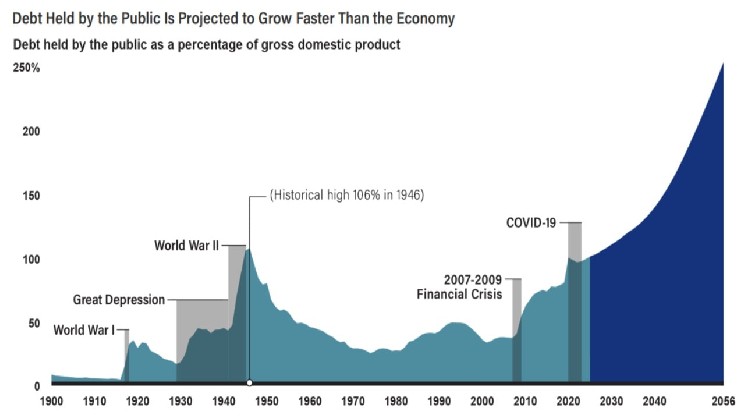
Sự tăng trưởng nợ công Mỹ 40 nghìn tỷ đe dọa thị trường toàn cầu, theo cảnh báo của CEO Devere Group Nigel Green. Ông chỉ ra rằng chi phí trả lãi ngày càng tăng của chính phủ liên bang có thể gây áp lực lên thị trường tài chính ngay cả khi không có suy thoái. Việc vay mới để tài trợ cho các khoản thanh toán lãi cũ tạo ra một vòng xoáy nợ, đặc biệt khi các khoản nợ cũ được tái cấp vốn với lãi suất cao hơn. Dữ liệu chính thức cho thấy tổng nợ công chưa thanh toán của Mỹ là khoảng 40,03 nghìn tỷ USD. Văn phòng Ngân sách Quốc hội (CBO) đã nâng dự báo thâm hụt ngân sách năm 2026 lên 2,1 nghìn tỷ USD. Dự báo dài hạn còn ảm đạm hơn, với nợ công dự kiến đạt 123% GDP vào năm 2036 và 251% vào năm 2056 theo Văn phòng Trách nhiệm Chính phủ Hoa Kỳ (GAO). Lợi tức trái phiếu Kho bạc tăng cao cũng ảnh hưởng đến hộ gia đình thông qua lãi suất thế chấp và các khoản vay dài hạn khác. Điều này gây áp lực lên cả thị trường cổ phiếu và trái phiếu, vì lợi tức trái phiếu chính phủ thiết lập mức lãi suất cơ bản cho nhiều công cụ nợ khác. Để đối phó với những lo ngại về chính sách tài khóa và tiền tệ, một số nhà đầu tư như Ray Dalio đang xem xét các tài sản khan hiếm như vàng và Bitcoin như một phần của danh mục đầu tư. Bitcoin, với nguồn cung cố định, được coi là công cụ phòng ngừa lâu dài trước nguy cơ mất giá tiền tệ, mặc dù biến động ngắn hạn của nó vẫn rất cao.

cryptonews.ru13 phút trước

‘Vòng xoáy nợ 40 nghìn tỷ USD đe dọa thị trường toàn cầu’, CEO cảnh báo

cryptonews.ru13 phút trước

Khối lượng giao dịch ETF XRP của Bitwise vượt quá 200 triệu USD trong ba phiên giao dịch

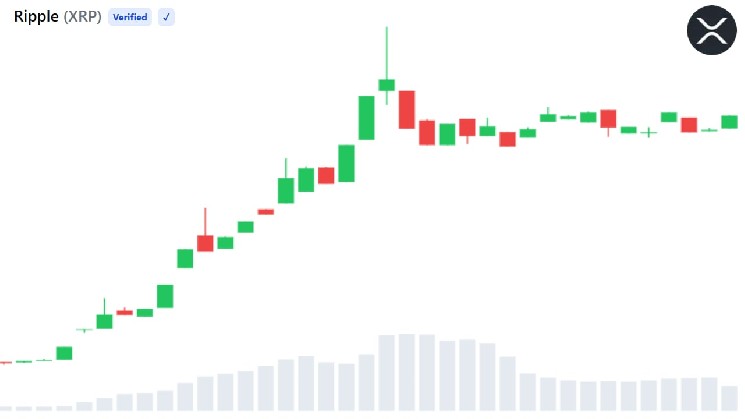
Khối lượng giao dịch của quỹ ETF XRP do Bitwise quản lý đã tăng mạnh, vượt 200 triệu USD trong ba phiên giao dịch kết thúc vào ngày 24 tháng 8. Đây là giai đoạn sôi động nhất kể từ khi quỹ bắt đầu giao dịch vào tháng 11 năm 2025, trùng với thời điểm giá XRP phục hồi mạnh. Chủ tịch Bitwise, Teddy Fusaro, cho biết khối lượng giao dịch trong ngày 24/8 đạt hơn 80 triệu USD, và mỗi ngày trước đó cũng đạt trên 60 triệu USD. Số liệu này phản ánh hoạt động giao dịch trên thị trường thứ cấp, không phải dòng tiền ròng chảy vào quỹ. Sự phục hồi giá XRP đã giúp tài sản ròng (NAV) của quỹ tăng 11,71%, đạt 15,36 USD vào ngày 20/8. Tính đến ngày 23/8, quỹ nắm giữ khoảng 328,2 triệu XRP, trị giá 484,6 triệu USD. Bài viết cũng đề cập đến thách thức về nguồn cung XRP tăng khoảng 5,5% hàng năm từ các tài khoản ký quỹ. Trong nửa đầu năm 2026, các sản phẩm ETF XRP tại Mỹ đã hấp thụ được 14,8% mức tăng nguồn cung này. Nhu cầu cũng có thể đến từ các ứng dụng thanh toán doanh nghiệp và tiềm năng từ các tác nhân AI sử dụng mạng lưới XRP Ledger. Quỹ ETF Bitwise XRP được niêm yết trên NYSE Arca từ tháng 11/2025, cung cấp cho nhà đầu tư truyền thống cách tiếp cận với XRP thông qua tài khoản môi giới. Tài sản cơ bản được lưu ký bởi Coinbase Custody Trust Co.

cryptonews.ru14 phút trước

Khối lượng giao dịch ETF XRP của Bitwise vượt quá 200 triệu USD trong ba phiên giao dịch

cryptonews.ru14 phút trước

Trưởng bộ phận công nghệ thông tin của Bitwise nhận thấy các luận cứ ủng hộ tiền mã hóa mạnh lên giữa năm yếu tố thay đổi then chốt

Năm yếu tố cấu trúc đang cung cấp cơ sở lạc quan vững chắc hơn cho các nhà đầu tư tiền mã hóa so với các chu kỳ trước, theo Matt Hougan, Giám đốc Đầu tư của Bitwise Asset Management. So sánh với năm 2014, 2018 và 2022 – những thời điểm mà theo ông rất khó để lạc quan – Hougan nhận định triển vọng hiện tại đã được củng cố bởi: tiến bộ trong lĩnh vực quy định, sự mở rộng của stablecoin, tăng trưởng mã hóa tài sản (tokenization), sự xuất hiện của các tài sản có doanh thu thực và chương trình mua lại token, cùng với nhu cầu từ tình trạng mất giá tiền tệ. Ông nhấn mạnh stablecoin, với tổng giá trị vượt 300 tỷ USD, và tokenization đang chuyển từ giai đoạn thử nghiệm sang cơ sở hạ tầng tài chính được quy định tại nhiều thị trường lớn. Bên cạnh đó, các dự án như Hyperliquid, Uniswap và Aave đang tạo ra doanh thu đáng kể và sử dụng chúng để mua lại token, cung cấp một cơ sở định giá mới ngoài tăng trưởng mạng lưới. Yếu tố cuối cùng liên quan đến nhu cầu về Bitcoin như một hàng rào chống lại nợ công gia tăng và sự mất niềm tin vào tiền tệ nhà nước, với một mô hình từ Bitwise Europe ước tính giá trị hợp lý của Bitcoin có thể lên tới 224.000 USD dựa trên rủi ro vỡ nợ của chính phủ.

cryptonews.ru17 phút trước

Trưởng bộ phận công nghệ thông tin của Bitwise nhận thấy các luận cứ ủng hộ tiền mã hóa mạnh lên giữa năm yếu tố thay đổi then chốt

cryptonews.ru17 phút trước

Giao dịch

Giao ngay
活动图片