When Faith Becomes a Cage: The Sunk Cost Trap in the Crypto Era

深潮Xuất bản vào 2025-12-12Cập nhật gần nhất vào 2025-12-12

Tóm tắt

In the crypto era, the "sunk cost trap" describes how past investments—whether in skills, relationships, or digital assets—can become psychological prisons that prevent people from moving on, even when they know their current path is no longer beneficial. The author reflects on personal experiences in poker and crypto, noting how early beliefs in Bitcoin and smart contracts have now materialized (e.g., Bitcoin ETFs, institutional adoption), yet many remain stuck due to emotional or financial commitments. The article categorizes crypto believers into four camps: Bitcoin-only (Green), crypto-but-not-Bitcoin (Red), both (Brown), and neither (White), each split into (a) those who still see upside and (b) those who don’t. Only true believers (e.g., Red (a)) should fully commit time and resources; others should diversify or plan exits. As crypto becomes mainstream (e.g., Robinhood using Arbitrum), opportunities may lie elsewhere (e.g., equities, AI). The key is to avoid mistaking sunk costs for future potential and to cultivate skills beyond crypto for a softer landing. Freedom requires courage to walk away from the "cave" of past investments.

Written by: Evanss6

Compiled by: AididiaoJP, Foresight News

At any point in the past, this might have been good advice when talking about cryptocurrency: hoard Bitcoin, or at least mainstream coins, do some staking, try new products with rewards, trade contracts without getting liquidated—chances are you would have made money. Behind this are two core beliefs: Bitcoin will become a more mainstream non-sovereign store of value, and smart contracts will become the infrastructure of finance.
I won’t go into detail about how these judgments have been validated, because we need to talk about this "cage." Just two facts:

Bitcoin ETFs have seen inflows of $49 billion, Ethereum ETFs have seen inflows of $4.3 billion, and more altcoin ETFs are just getting started. Michael Saylor himself has bought over $40 billion, and many companies are gradually buying in.

Robinhood just announced that it will use Arbitrum's tech stack to build an EVM chain as the backend financial infrastructure for its platform, and will also list the most popular product in cryptocurrency: perpetual contracts.

Cryptocurrency is increasingly resembling traditional finance. It’s being bought by the previous generation in brokerage accounts, promoted by Larry Fink, and used by companies like Robinhood. What many of us imagined a decade ago is coming true.

So what exactly is the "sunk cost cage"?

Simply put, it’s sticking with something because of past investments. This can appear in many places: your skills, investments you still hold, your relationships, a job you’re afraid to quit, or spending all your time on cryptocurrency.

  • "I don’t want to leave her because our past is too deep."

  • "I don’t want to change careers because I’ve spent too much time on this."

  • "I don’t want to sell Ethereum because I bought it early, and it’s been good to me."

These are all sunk cost fallacies. Not realizing you’re thinking this way is a form of self-sabotage, making you continue doing things you know deep down are no longer beneficial.

The sunk cost cage is the modern version of Plato’s allegory of the cave.
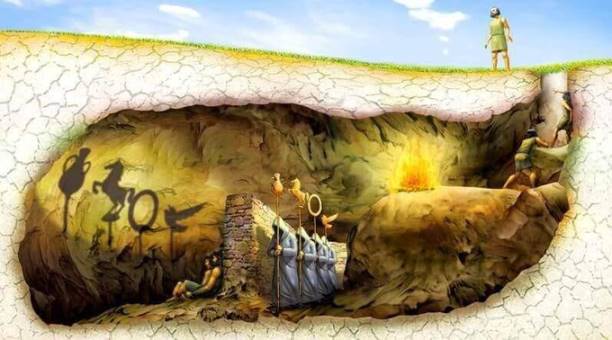
The prisoners only know the shadows on the wall, unaware of where the shadows come from or that there’s a larger world outside.

In Plato’s allegory, the prisoners stay in the cave because they mistake the shadows for reality, unaware that there is a "more real" world outside. In the modern version, we stay not out of ignorance but because we’ve invested too much in the shadows. That job that no longer fits, the career you no longer believe in, the identity built on long hours and silent endurance—these are the costs paid. The more time, education, and reputation you’ve invested, the harder it is to leave. The illusion is no longer just external; it’s internalized as responsibility, logic, and "the reasonable thing to do."

But freedom isn’t cheap. Escaping the sunk cost cage means admitting that what you’ve built may no longer serve you. Past efforts cannot justify staying. Like the prisoner turning toward the light, this requires not only courage but also betraying the part of yourself that is overly loyal to your self-investment. The hardest part isn’t seeing the truth but saying goodbye to the self that stayed too long, believed too deeply, and paid the price for the cage.

My Experience

I stayed in the cage for a long time myself.

As a teenager, I fell in love with poker. In the back row of high school classes, I was always calculating bankroll expectations in my notebook, not listening to lectures or taking notes. Within two years, I went from micro-stakes ($0.01/$0.02) to high-stakes tables. Over time, I enjoyed playing less and less, seeing it only as a way to make money, always thinking, "I’ll quit in a couple of years."

But a decade passed, and nothing changed. I was still playing, still winning, but always felt the money wasn’t enough to "do something else." Worse, I didn’t even know what else I could do, and I saw clearly: poker is a declining game, and I had to work harder and harder to keep up. But I told myself I should continue because I’d spent so much time getting good, it paid better than other options, I had no other viable path, and no time to think—staying a consistent winner in high-stakes online games was exhausting enough: studying strategy, finding good games, avoiding cheaters and shady platforms...
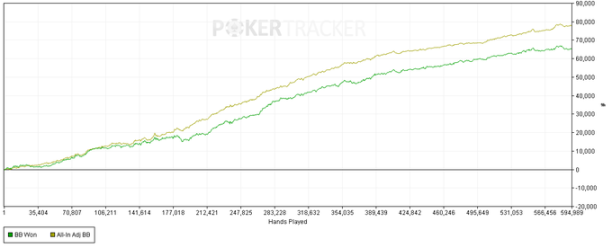
Honestly, this "can’t easily switch careers because it makes money" is a luxurious problem. But as it became harder to find better games, I knew the days were numbered.

First Encounter with Cryptocurrency

I encountered cryptocurrency early through my previous career. In 2012, I first read about Bitcoin on a poker forum called TwoPlusTwo. Back then, the Bitcoin sub-section had been open for over a year.
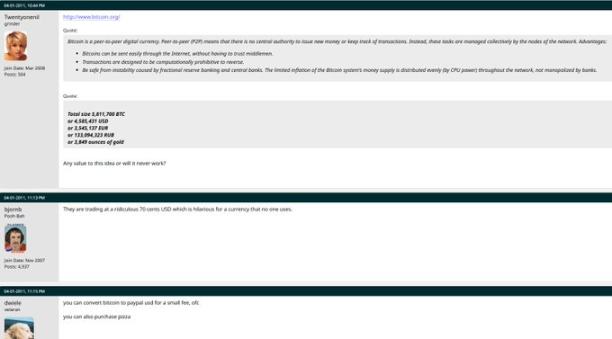
The first reply was hilarious: "This thing is worth 70 cents now? A currency no one uses can reach this price, lol." The second reply said you could actually exchange it for dollars or buy pizza—this was the early use case of what later became a $2 trillion asset. Scrolling down a few more replies:
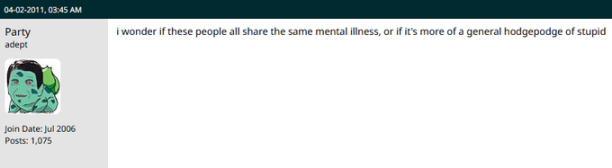
"Really missed an era." Anyway, I noticed it because some poker sites started using it. At the time, I thought its $2 billion market cap was outrageous. If it was for black/gray markets, maybe it was worth that; if it could go mainstream, its value would multiply endlessly.

By 2016-17, as my investments became substantial, I spent more and more time on cryptocurrency (especially ICOs). This diversion of time was my first step out of the cage. But it wasn’t until the rise of DeFi in 2020, when it actually became profitable, that I fully jumped in.

Back then, I knew nothing about trading and had to learn on the go. I studied economics and math in college, but my only real skill was poker. Fortunately, poker is excellent training for trading: it gives you ruthless real-time feedback on decisions, forces you to manage risk, price correctly, develop overall strategy, and builds emotional resilience and soft skills to endure bad runs—all essential for independent trading.

In the end, I’m grateful and lucky that I spent a lot of time from 2013-2019 exploring these curiosities, which put me in the best position when opportunity arose. If I’d focused more on poker those years, I might have played better, but following my intuition to create a transition/exit plan was truly fortunate.

How does this "cage" apply today?

In recent years, financial nihilism has become increasingly evident in the crypto space. More and more people no longer believe in the ideals that drew them in initially. The goal has become "making money," going all-in, grinding hard, and "exiting" once you’ve made enough.
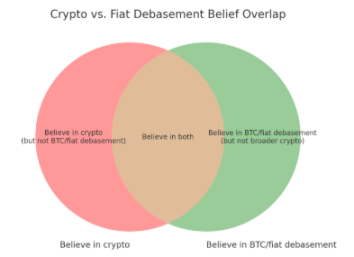
Roughly, there are four camps:

  • Green Camp (believe in Bitcoin, not other cryptocurrencies)

  • Red Camp (believe in cryptocurrency, not Bitcoin)

  • Brown Camp (believe in both)

  • White Camp (believe in neither)

Add two scenarios to each camp, and it becomes eight types:

  • (a) Believe there is still upside, worth the risk

  • (b) Believe the upside has been taken by early buyers

I think only those in 2(a) should devote all their time to cryptocurrency. If you’re in 1(b), 2(b), 3(b), or 4(b), you’re better off starting to diversify your time and make an exit plan. If you’re in 1(a) or 4(a), just hold Bitcoin and don’t pay much attention to anything else. 3(a) can hold some Bitcoin and other assets, splitting time and energy between crypto and non-crypto. If you’ve seen my account and posts, you can probably tell that I, who was mostly in 2(a) from 2015-2023, am now somewhat oscillating between 1(a), 3(a), and 3(b).

Let’s talk about the Red Camp. It’s been painful here the past few years.
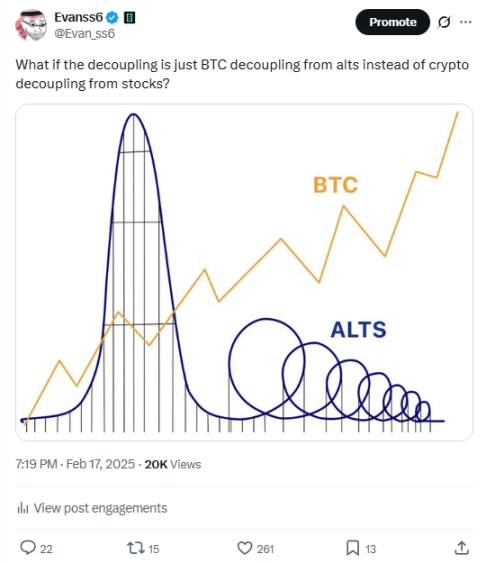
We’ve basically been in a situation where Bitcoin dominance keeps rising, even as the crypto system overall becomes more adopted. Even if you accurately predicted that Ethereum ETFs would see over $4 billion in net inflows, predicted that giants like Robinhood would use its technology, predicted that Trump would win, reform the SEC, end OCP2.0, and create a pro-crypto environment. From the day the ETFs launched, your Ethereum investment is still down. And today, Ethereum is around $2,600—2015 investors are up 2,000 to 8,600 times.

So the Answer

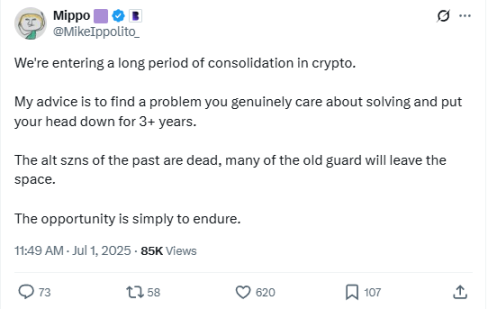
I doubt whether "enduring," as Mippo said in the tweet at the beginning of this article, is really the right path or the biggest opportunity. Everything you dreamed of has either already happened or is on its way. In 2017, if Robinhood announced building on Ethereum, the price would have jumped 10% immediately, but now it’s different. The move now is to buy HOOD stock. I believe there are still opportunities in crypto, but the trend of opportunities being captured by non-crypto assets (stocks) or insiders (teams/private investors—look at Celestia Finance) isn’t friendly to dreamers. If you really want to "endure," you need to invest early in these projects or build them yourself. So Mippo isn’t wrong; solving real problems in crypto is still an opportunity. But don’t assume that just because crypto technology is being adopted, current coin prices will necessarily rise (especially compared to other assets you could invest in).

Unless you’re a true Red Camp diehard 2(a), "enduring" is choosing to stay in the cave watching shadows on the wall while people outside are working on AI and robots.

You’d better ask yourself honestly: Which camp are you in? Do you even like cryptocurrency? Regardless, try to develop some skills that are useful elsewhere, so if it doesn’t work out, you have a fallback. At the very least, you won’t be unhappy spending all your time on something you’re already tired of. And if you’re wrong, you have a soft landing place.

The door of the sunk cost cage isn’t locked; what traps you is your own thoughts. All you need to do is open the door from time to time and walk out. Life is beautiful, and the world is full of possibilities.

Tiền kỹ thuật số thịnh hành

Câu hỏi Liên quan

QWhat is the 'sunk cost trap' in the context of the crypto era, as described in the article?

AThe 'sunk cost trap' refers to the tendency to persist with an endeavor, such as investing in or working within the cryptocurrency space, primarily because of the significant time, money, or effort already invested in the past, even when it may no longer be the best or most beneficial path forward.

QAccording to the author, what are the two core beliefs that underpinned the common crypto advice of 'HODLing' Bitcoin or major altcoins?

AThe two core beliefs were that Bitcoin would become a more mainstream non-sovereign store of value and that smart contracts would become the foundational infrastructure for finance.

QHow does the author relate the 'sunk cost trap' to Plato's Allegory of the Cave?

AThe author describes the 'sunk cost trap' as a modern version of the allegory. In the original, prisoners stay in the cave because they mistake shadows for reality. In the modern version, people stay (e.g., in a job or investment) not out of ignorance, but because they have invested too much in the 'shadows'—the past efforts, time, and identity built around that pursuit, making it difficult to leave.

QBased on the author's framework, which group of people should dedicate all their time to cryptocurrency?

AAccording to the author's framework, only those in group 2(a)—people who believe in crypto (but not Bitcoin) AND believe there is still significant upside potential and it's worth the risk—should put all their time into cryptocurrency.

QWhat advice does the author give to someone who might be in a 'sunk cost cage' within crypto?

AThe author advises individuals to honestly assess which of the four camps (Green, Red, Brown, White) and two sub-categories (a or b) they fall into. They should consider developing skills transferable outside of crypto to have a 'soft landing' and an exit plan. The key is to recognize that the cage door isn't locked and that one can choose to walk away from a path that is no longer fulfilling or beneficial.

Nội dung Liên quan

Lời chia sẻ của một trader kỳ cựu: Làm thế nào để giao dịch với kỳ vọng sai lầm của thị trường?

**Tóm tắt: Giao dịch "Kỳ vọng Sai lầm" từ một Trader Kỳ cựu** Đây là một giao dịch điển hình về "kỳ vọng sai lầm" của thị trường. Khi dữ liệu CPI yếu được công bố, thị trường lập tức phản ứng tích cực, cho rằng chính sách tiền tệ sẽ nới lỏng và đẩy chỉ số Nasdaq (NQ) lên cao. Tuy nhiên, lãi suất thực dài hạn (30 năm) ngay trong đêm đó đã tăng lên mức cao nhất trong 20 năm. Điều này cho thấy một sự "từ chối" ở phía dài hạn: thị trường vốn dài hạn không hề rẻ đi như kỳ vọng. Các công ty công nghệ vốn phụ thuộc vào vốn vay dài hạn để phát triển sẽ bị ảnh hưởng nặng nề, và trần định giá cho nhóm cổ phiếu này đã bị khóa chặt. Trader này đã thực hiện năm lệnh bán khống NQ, tận dụng đợt giảm từ 30060 xuống 28768 điểm. Phương pháp cốt lõi là: **không chỉ nhìn vào dữ liệu, mà phải phân tích xem thị trường *nghĩ* dữ liệu đó sẽ tác động thế nào, và sau đó kiểm tra xem cơ chế tác động đó có còn hiệu lực hay không.** Bài học chính: Thị trường thường phản ứng theo các "hàm phản ứng cũ" đã thành thói quen (ví dụ: dữ liệu yếu = lãi suất giảm = cổ phiếu công nghệ tăng). Khi bối cảnh vĩ mô thay đổi (ví dụ: áp lực lãi suất dài hạn dai dẳng), các mối quan hệ nhân quả cũ này có thể bị phá vỡ. Cơ hội Alpha không nhất thiết đến từ việc biết thông tin sớm hơn, mà đến từ việc nhận ra sự sai lệch giữa kỳ vọng của đám đông (dựa trên hàm phản ứng cũ) với thực tế mới của thị trường. Tóm lại, hãy luôn tự hỏi: **Phản ứng đầu tiên của thị trường đang dựa trên chuỗi nguyên nhân-kết quả nào? Và chuỗi đó, hôm nay có còn đúng không?**

marsbit16 phút trước

Lời chia sẻ của một trader kỳ cựu: Làm thế nào để giao dịch với kỳ vọng sai lầm của thị trường?

marsbit16 phút trước

Quan điểm: Mối quan hệ phòng hộ giữa trái phiếu Mỹ và thị trường chứng khoán đã mất hiệu lực, BTC với tư cách là tài sản rủi ro chịu áp lực kép

Tác giả: CryptoSlate / Andjela Radmilac Biên dịch: TechFlow sâu Dẫn nhập: Mối quan hệ phòng hộ truyền thống trong 20 năm qua, theo đó trái phiếu Mỹ tăng khi thị trường chứng khoán giảm và ngược lại, đã hoàn toàn thất bại. Hiện tại, cả hai đang giảm đồng thời, điều này đồng nghĩa với việc "bộ giảm xóc" cuối cùng trong danh mục đầu tư đã biến mất. Bitcoin, với tư cách là tài sản rủi ro ở đầu xa nhất của đường cong, đang phải chịu áp lực kép. Trong hai thập kỷ qua, nhà đầu tư Mỹ được hưởng một loại bảo hiểm miễn phí: trái phiếu kho bạc tăng khi cổ phiếu giảm, giúp bù đắp một phần tổn thất. Cơ chế này đã ngừng hoạt động từ khoảng năm 2020 và chưa được phục hồi. UBS tính toán hệ số tương quan hai tháng giữa chỉ số S&P 500 và lợi suất trái phiếu 10 năm Mỹ là -0.69, mức thấp nhất kể từ năm 1996, cho thấy mức độ biến động đồng bộ chưa từng có trong 30 năm. Lý do chính cho sự thay đổi này là lạm phát. Khi yếu tố tăng trưởng chi phối, cổ phiếu và trái phiếu biến động ngược chiều. Tuy nhiên, kể từ năm 2022, lạm phát đã trở thành yếu tố chủ đạo, và sự biến động của lạm phát (chứ không phải mức độ tuyệt đối) mới là vấn đề then chốt khiến cả hai tài sản cùng chịu áp lực giảm. Các nhà đầu tư hiện đang tìm kiếm sự an toàn mà không có rủi ro thời hạn (duration risk), chuyển sang nắm giữ tiền mặt, tín phiếu và trái phiếu ngắn hạn, trong khi bán ra các trái phiếu dài hạn. Vị trí của Bitcoin lúc này rất nhạy cảm với điều kiện vĩ mô. BTC thường hoạt động tốt khi lợi suất thực giảm, USD suy yếu và điều kiện tài chính nới lỏng. Việc thị trường trái phiếu giảm đã đồng thời loại bỏ ba yếu tố hỗ trợ này. Lợi suất không rủi ro cao hơn làm tăng chi phí cơ hội của việc nắm giữ tài sản không trả lãi như Bitcoin, trong khi cổ phiếu giảm làm giảm khẩu vị rủi ro. Điều này khiến Bitcoin phải hấp thụ cả hai loại áp lực cùng lúc. Vấn đề của Bitcoin là các điều kiện củng cố logic dài hạn của nó (như thâm hụt ngân sách và gánh nặng lãi suất cao) lại gây tổn hại cho nó trong ngắn hạn. Cho đến khi biến động lạm phát giảm bớt và rủi ro tăng trưởng trở lại thành yếu tố chủ đạo, Bitcoin sẽ tiếp tục giao dịch trong một thị trường mà loại tài sản có tính thanh khoản sâu nhất thế giới không còn đóng vai trò hấp thụ cú sốc. Điều này làm mất đi tấm đệm phía dưới mọi tài sản rủi ro, và những tài sản không trả bất kỳ khoản nào để chờ đợi sẽ bị ảnh hưởng nhanh nhất.

marsbit18 phút trước

Quan điểm: Mối quan hệ phòng hộ giữa trái phiếu Mỹ và thị trường chứng khoán đã mất hiệu lực, BTC với tư cách là tài sản rủi ro chịu áp lực kép

marsbit18 phút trước

Báo cáo tuần về huy động vốn | Crypto.com huy động được 400 triệu USD đầu tư, phân khúc CeFi và stablecoin tiếp tục thu hút dòng tiền

**Báo cáo Tài trợ Tuần: Crypto.com huy động 400 triệu USD, Lĩnh vực CeFi và Stablecoin Tiếp tục Thu hút Vốn** Theo thống kê, thị trường tiền mã hóa đã đón nhận 133 tỷ USD dòng vốn trong nửa đầu năm 2026, nhưng số vòng gọi vốn giảm mạnh, cho thấy vốn đang tập trung vào các thương vụ lớn. Tuần qua, xu hướng này tiếp tục với trọng tâm là tài chính tập trung (CeFi), stablecoin và hạ tầng giao dịch. **Điểm nổi bật trong Crypto:** * **Crypto.com** dẫn đầu với khoản đầu tư 400 triệu USD từ Citadel Securities, định giá 20 tỷ USD. * **Alpaca** (nền tảng API môi giới) huy động 135 triệu USD. * Lĩnh vực **stablecoin & hạ tầng thanh toán** thu hút mạnh với các thương vụ như Cyclops (20 triệu USD), Pact Labs (7 triệu USD do Tether lãnh đạo), và ADI Chain (50 triệu USD). * **AI & Web3:** DGrid AI huy động 5 triệu USD. * Các thương vụ **M&A** đáng chú ý: Keyrock mua lại mảng kinh doanh của BlockFills, SBI Holdings mua sàn Coinhako, MoonPay mua công ty khởi nghiệp Glide. **Tài trợ AI & Robot:** Lĩnh vực AI và robot thể hiện sức hút vốn rất mạnh, vượt xa crypto trong tuần này: * **Fireworks** (dịch vụ đám mây AI) huy động 1.5 tỷ USD. * **Walden Robotics** (robot hình người) huy động 300 triệu USD vòng hạt giống. * **Climax Dynamics** (robot hình người) huy động gần 200 triệu USD vòng Pre-IPO. * **Emergent** (nền tảng lập trình AI) huy động 130 triệu USD. Tổng cộng, thị trường crypto ghi nhận 17 thương vụ trị giá hơn 812 triệu USD, tăng gấp đôi so với tuần trước, trong khi các khoản đầu tư lớn nhất lại thuộc về lĩnh vực AI và robot.

marsbit1 giờ trước

Báo cáo tuần về huy động vốn | Crypto.com huy động được 400 triệu USD đầu tư, phân khúc CeFi và stablecoin tiếp tục thu hút dòng tiền

marsbit1 giờ trước

Thị trường gấu ôn hòa nhất? Kẻ bán khống BTC rút lui, ARK và Bitwise đồng loạt lạc quan

Theo dữ liệu từ Polymarket, thị trường đang đặt cược vào khả năng Bitcoin (BTC) giảm xuống dưới 50,000 USD trong năm nay là 33%. Báo cáo của ARK Invest chỉ ra tín hiệu đáy chu kỳ tiềm năng khi nguồn cung nắm giữ dài hạn đạt mức cao kỷ lục, bất chấp mặt bằng kỹ thuật vẫn nghiêng về xu hướng giảm. Bitwise nhận định đây có thể là "thị trường gấu có cấu trúc ôn hòa nhất" từ trước đến nay của Bitcoin, với mức thoái lui khoảng 50% từ đỉnh, thấp hơn so với các chu kỳ trước. Các nhà đầu tư tổ chức đang coi đợt giảm này là cơ hội để mua vào hoặc tái cân bằng danh mục. Tuy nhiên, vẫn tồn tại rủi ro về đợt giảm sâu hơn do chu kỳ gấu thường kéo dài hơn. Phân tích kỹ thuật từ Bit và Glassnode nhấn mạnh tầm quan trọng của việc BTC vượt qua ngưỡng kháng cự 66,000 USD để xác nhận xu hướng tăng, trong khi mức hỗ trợ chính được hình thành trong khoảng 59,000-70,000 USD. Nhà giao dịch Doctor Profit đã đóng tất cả các lệnh short tiền mã hóa và bắt đầu mua lại BTC ở mức 64,000 USD, cho rằng đáy thị trường có thể đến sớm hơn kỳ vọng chung do hành vi bầy đàn và các yếu tố cơ bản tích cực như sự áp dụng của tổ chức.

Foresight News2 giờ trước

Thị trường gấu ôn hòa nhất? Kẻ bán khống BTC rút lui, ARK và Bitwise đồng loạt lạc quan

Foresight News2 giờ trước

Giao dịch

Giao ngay

Bài viết Nổi bật

Làm thế nào để Mua O

Chào mừng bạn đến với HTX.com! Chúng tôi đã làm cho mua O1 exchange (O) trở nên đơn giản và thuận tiện. Làm theo hướng dẫn từng bước của chúng tôi để bắt đầu hành trình tiền kỹ thuật số của bạn.Bước 1: Tạo Tài khoản HTX của BạnSử dụng email hoặc số điện thoại của bạn để đăng ký tài khoản miễn phí trên HTX. Trải nghiệm hành trình đăng ký không rắc rối và mở khóa tất cả tính năng. Nhận Tài khoản của tôiBước 2: Truy cập Mua Crypto và Chọn Phương thức Thanh toán của BạnThẻ Tín dụng/Ghi nợ: Sử dụng Visa hoặc Mastercard của bạn để mua O1 exchange (O) ngay lập tức.Số dư: Sử dụng tiền từ số dư tài khoản HTX của bạn để giao dịch liền mạch.Bên thứ ba: Chúng tôi đã thêm những phương thức thanh toán phổ biến như Google Pay và Apple Pay để nâng cao sự tiện lợi.P2P: Giao dịch trực tiếp với người dùng khác trên HTX.Thị trường mua bán phi tập trung (OTC): Chúng tôi cung cấp những dịch vụ được thiết kế riêng và tỷ giá hối đoái cạnh tranh cho nhà giao dịch.Bước 3: Lưu trữ O1 exchange (O) của BạnSau khi mua O1 exchange (O), lưu trữ trong tài khoản HTX của bạn. Ngoài ra, bạn có thể gửi đi nơi khác qua chuyển khoản blockchain hoặc sử dụng để giao dịch những tiền kỹ thuật số khác.Bước 4: Giao dịch O1 exchange (O)Giao dịch O1 exchange (O) dễ dàng trên thị trường giao ngay của HTX. Chỉ cần truy cập vào tài khoản của bạn, chọn cặp giao dịch, thực hiện giao dịch và theo dõi trong thời gian thực. Chúng tôi cung cấp trải nghiệm thân thiện với người dùng cho cả người mới bắt đầu và người giao dịch dày dạn kinh nghiệm.

Tổng lượt xem 219Xuất bản vào 2026.06.19Cập nhật vào 2026.06.29

Làm thế nào để Mua O

Làm thế nào để Mua PROS

Chào mừng bạn đến với HTX.com! Chúng tôi đã làm cho mua Pharos (PROS) trở nên đơn giản và thuận tiện. Làm theo hướng dẫn từng bước của chúng tôi để bắt đầu hành trình tiền kỹ thuật số của bạn.Bước 1: Tạo Tài khoản HTX của BạnSử dụng email hoặc số điện thoại của bạn để đăng ký tài khoản miễn phí trên HTX. Trải nghiệm hành trình đăng ký không rắc rối và mở khóa tất cả tính năng. Nhận Tài khoản của tôiBước 2: Truy cập Mua Crypto và Chọn Phương thức Thanh toán của BạnThẻ Tín dụng/Ghi nợ: Sử dụng Visa hoặc Mastercard của bạn để mua Pharos (PROS) ngay lập tức.Số dư: Sử dụng tiền từ số dư tài khoản HTX của bạn để giao dịch liền mạch.Bên thứ ba: Chúng tôi đã thêm những phương thức thanh toán phổ biến như Google Pay và Apple Pay để nâng cao sự tiện lợi.P2P: Giao dịch trực tiếp với người dùng khác trên HTX.Thị trường mua bán phi tập trung (OTC): Chúng tôi cung cấp những dịch vụ được thiết kế riêng và tỷ giá hối đoái cạnh tranh cho nhà giao dịch.Bước 3: Lưu trữ Pharos (PROS) của BạnSau khi mua Pharos (PROS), lưu trữ trong tài khoản HTX của bạn. Ngoài ra, bạn có thể gửi đi nơi khác qua chuyển khoản blockchain hoặc sử dụng để giao dịch những tiền kỹ thuật số khác.Bước 4: Giao dịch Pharos (PROS)Giao dịch Pharos (PROS) dễ dàng trên thị trường giao ngay của HTX. Chỉ cần truy cập vào tài khoản của bạn, chọn cặp giao dịch, thực hiện giao dịch và theo dõi trong thời gian thực. Chúng tôi cung cấp trải nghiệm thân thiện với người dùng cho cả người mới bắt đầu và người giao dịch dày dạn kinh nghiệm.

Tổng lượt xem 242Xuất bản vào 2026.06.22Cập nhật vào 2026.06.29

Làm thế nào để Mua PROS

VERONA là gì

I. Giới thiệu Dự án VERONA là một blockchain được xây dựng cho mọi người, ở mọi nơi thông qua việc trừu tượng hóa chuỗi. Sử dụng lớp Trừu tượng Hóa Tổng quát, VERONA tự phân biệt mình bằng cách tích hợp các chức năng blockchain phức tạp, chẳng hạn như tài khoản, chữ ký và khả năng tương tác, trực tiếp ở cấp độ giao thức. Cách tiếp cận này cho phép tham gia vào các ứng dụng blockchain mà không cần phải hiểu các công nghệ cơ bản.1) Thông tin cơ bản Tên: VERONA (VERONA)III. Liên kết liên quan Liên kết trang web chính thức: https://xion.burnt.com/ Tài liệu trắng: https://xion.burnt.com/whitepaper.pdf Các trình khám phá: https://explorer.burnt.com/ Mạng xã hội: https://x.com/burnt_xion Lưu ý: Giới thiệu dự án đến từ các tài liệu được công bố hoặc cung cấp bởi đội ngũ dự án chính thức, chỉ để tham khảo và không cấu thành lời khuyên đầu tư. HTX không chịu trách nhiệm cho bất kỳ tổn thất trực tiếp hoặc gián tiếp nào phát sinh.

Tổng lượt xem 237Xuất bản vào 2026.06.22Cập nhật vào 2026.06.22

VERONA là gì

Thảo luận

Chào mừng đến với Cộng đồng HTX. Tại đây, bạn có thể được thông báo về những phát triển nền tảng mới nhất và có quyền truy cập vào thông tin chuyên sâu về thị trường. Ý kiến ​​của người dùng về giá của A (A) được trình bày dưới đây.

活动图片