Reevaluating the Public Blockchain Ecosystem with the Logic of Governance: Examining Solana's Ecological Transformation through Singapore's Prosperity and Costs

marsbitXuất bản vào 2026-03-20Cập nhật gần nhất vào 2026-03-20

Tóm tắt

This article draws a parallel between the development of the Solana blockchain and the nation-building journey of Singapore, arguing that managing a public blockchain is akin to governing a digital nation. The analysis is structured in six chapters. It begins by comparing Solana's initial heavy reliance on Sam Bankman-Fried and FTX for growth and credibility to Singapore's post-independence dependence on British military spending. The sudden collapse of FTX in 2022 is framed as Solana's pivotal crisis moment, forcing it to find a new path for survival, much like when Britain withdrew its forces from Singapore's sole innate resource was its strategic geographic location, which it leveraged to become a trade hub. Similarly, Solana's foundational resource is its high-performance architecture, enabling fast and cheap transactions, which is its competitive advantage for attracting users and developers. The article then examines a "grey" survival phase. Post-FTX, Solana experienced a boom in meme coin trading, facilitated by platforms like Pump.fun. This is compared to Singapore's pragmatic acceptance of capital from questionable sources during its early development to build its financial reserves and user base. The key insight is that while this activity was speculative and chaotic, it provided essential transaction volume, new adopters, and stress-tested the network's infrastructure, all while more substantial development continued underneath. A core section explores monetary ...

Author: danny

When we talk about public blockchains in a bear market, what are we discussing? Price? Community? Or governance? The more fundamental question is: operating a public blockchain is essentially governing a digital country. Tokens are currency, developers are citizens, DApps are industries, and on-chain governance is the government. If we reexamine Solana's development history from the perspective of governance, many seemingly accidental decisions have clear logic behind them.

Introduction: No One Is Born Strong

On August 9, 1965, Lee Kuan Yew shed tears in front of television cameras. Singapore was "kicked out" of the Malaysian Federation, becoming a tiny island nation with no hinterland, no resources, and no military. No one believed it could survive.

On November 11, 2022, FTX filed for bankruptcy. Solana's TVL evaporated by over 75% in a week, and the price of SOL plummeted from $32 to $8. The entire crypto circle's OS: "Solana is finished."

The beginnings of these two stories are strikingly similar: a small entity abandoned, struggling to survive in a hostile environment. And the paths they later took—from dependence, to survival, to transformation and upgrading—can almost be compared frame by frame.

This article does not aim to discuss price or community, but a more fundamental question: operating a public blockchain is essentially governing a digital country. Tokens are currency, developers are citizens, DApps are industries, and on-chain governance is the government. If we reexamine Solana's development history from the perspective of governance, many seemingly accidental decisions have clear logic behind them.

Chapter 1: The British Military Era—SBF and FTX's Umbrella

Singapore's British Military Economy

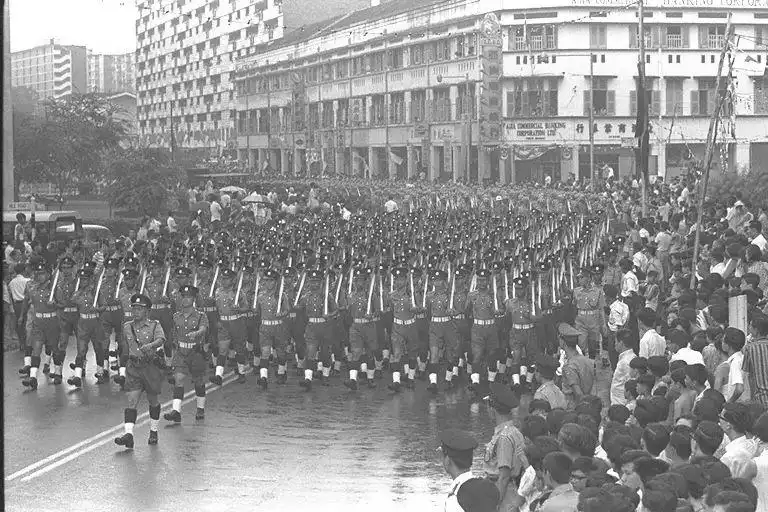
In the early days of independence, one of Singapore's economic lifelines was the consumption and employment brought by the British garrison. The British military bases contributed about 20% of the GDP at the time. Singapore was not unaware of the fragility of this dependence, but for a newborn country, there was no qualification to pick and choose clients. Survival was the top priority.

In 1968, Britain announced that it would withdraw all its forces east of the Suez Canal by 1971. This was tantamount to pulling the rug out from under Singapore. But it was this "abandonment" that forced Singapore to seriously consider: if the protective umbrella is gone, what do I rely on to survive?
Solana's SBF Era (2020-2022)

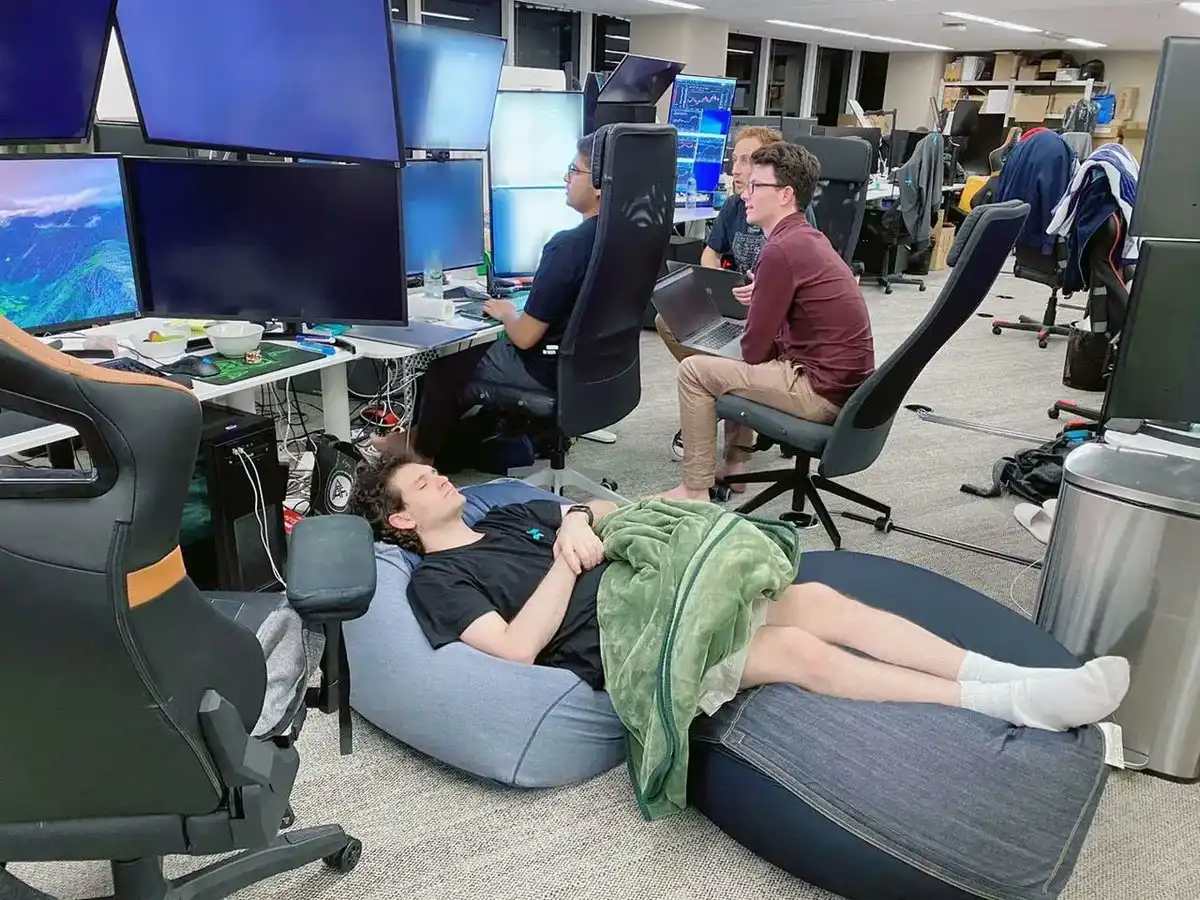
The Solana mainnet launched in March 2020, but what truly made it stand out among the many "Ethereum killers" was Sam Bankman-Fried and his empire. FTX and Alameda Research were not only the largest sources of capital injection into the Solana ecosystem but also its credit endorsers. Early core ecosystem projects like Serum, Raydium, and Maps.me almost all had deep involvement from FTX-related capital.

The Solana ecosystem during this period was very much like Singapore during the British military presence: superficially prosperous, with good-looking data (TVL once exceeded $12 billion), but the foundation was fragile. A large amount of on-chain activity came from Alameda's market-making funds circulating within the ecosystem; the real organic demand was far less healthy than the data suggested.

Singapore relied on British military consumption; Solana relied on SBF's capital. The common feature of both is: the prosperity was real, but its source was exogenous, concentrated, and could disappear at any time.
The Collapse of the Umbrella

In November 2022, FTX went from the world's second-largest exchange to a pile of ruins in 72 hours. The impact on Solana was systemic: Serum's governance keys were controlled by FTX, paralyzing the project; treasury assets of numerous ecosystem projects were frozen within FTX; the high concentration of SOL staking was exposed; market confidence plummeted to zero, and developers began to leave.

This was Solana's "1968 moment." The protective umbrella wasn't slowly withdrawn; it was blown up overnight.

Chapter 2: How a Small Country Without Resources Survives—Solana's Underlying Endowments

Singapore's "Only Resource": Geographic Location

Singapore has no oil, no minerals, not even fresh water—it has to be imported from Malaysia. But it has one thing given by nature: the strategic location of the Strait of Malacca. About 25% of global maritime trade passes through here. Lee Kuan Yew figured out one thing early on: I don't need to have resources; I just need to be the best node for the flow of resources.

Solana's "Only Resource": Performance and Cabal

In the world of public blockchains, Solana also lacks Ethereum's first-mover advantage, Bitcoin's narrative myth, and Cosmos's modular flexibility. But it has one thing: extreme performance at the native layer. 400-millisecond block times, a theoretical peak of 65,000 TPS, and extremely low transaction fees (typically below $0.001).

This is not an optional technical parameter. Just as the geographic location of the Strait of Malacca determined that Singapore could become a trade hub, Solana's performance characteristics determine that it is naturally suited to carry high-frequency, small-amount, massive on-chain activities.

Geographic location is to Singapore what block speed and transaction cost are to Solana: this is the entry ticket that makes the cabal willing to come here to compete.

Chapter 3: The Wisdom of Survival in the Gray Zone—From Money Laundering Hub to Meme Casino

Singapore's "Less Glorious" Intermediate Stage

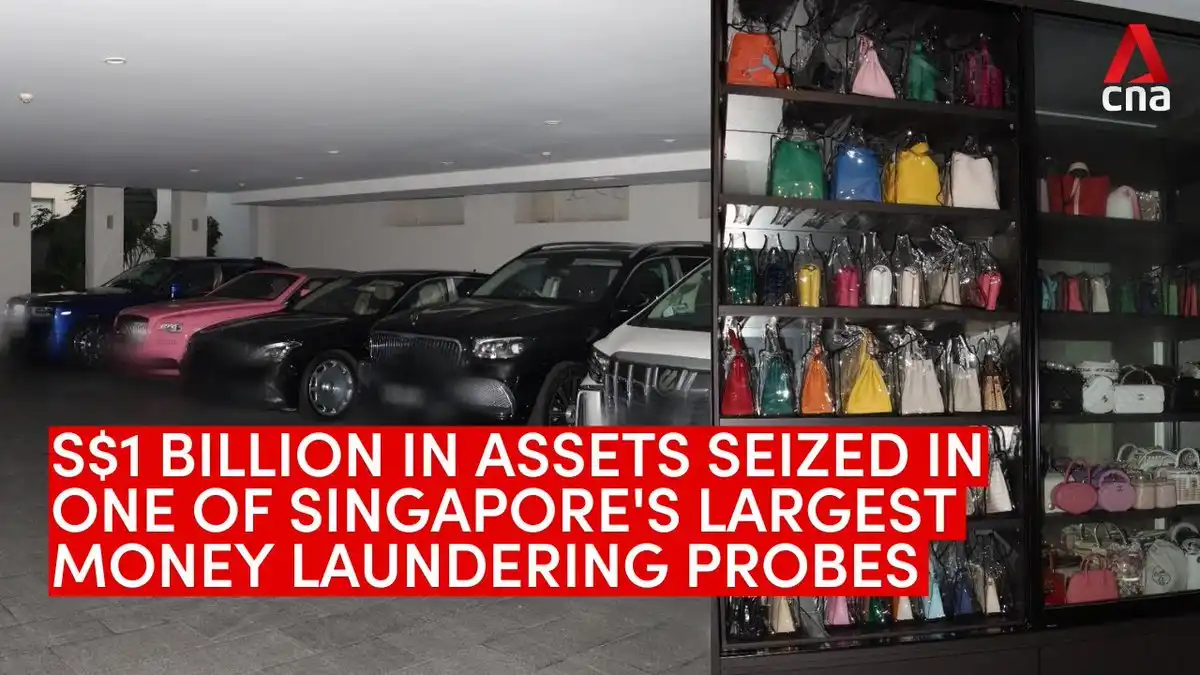
This is a period of history often glossed over in Singapore's official narrative. During the rapid development period from the 1970s to the 1990s, Singapore became a regional financial center not entirely due to its "clean and efficient" reputation.

A harsh reality is: in Southeast Asia during that era, surrounding countries—Suharto's regime in Indonesia, the Marcos family in the Philippines, the military junta in Myanmar—generated a large amount of funds that needed "cleaning." These funds needed a safe,不问来路的 (doesn't ask about the origin), predictable legal system to park. Singapore恰好提供了这样的环境: strict bank secrecy laws, efficient financial infrastructure, and an unspoken pragmatic attitude of "as long as you follow my rules, I won't追究你的钱从哪来 (pursue where your money came from)."

Business has no moral judgment, only survival strategies. A small country without resources, in its initial stages, must accept some "imperfect money" to accumulate sufficient capital stock for future transformation.

The key is: Singapore never let things slide. While attracting funds, it always maintained extremely high administrative efficiency and legal certainty (Temasek and GIC are among the world's top 10 sovereign wealth funds). You can bring gray money, but you can't cause trouble in my territory. This "orderly gray" is an extremely delicate balancing act.
Solana's Meme Season and Pump.fun (2023-2024)

After the FTX collapse, Solana faced survival pressure no less than Singapore in its early days of independence. TVL dried up, developers left, the narrative collapsed. What it needed at this time was not "correct" growth, but "any form of" growth—survive first.

From late 2023 to 2024, the Meme wave swept Solana. The emergence of Pump.fun lowered the barrier to Meme issuance to almost zero: anyone could create a token in minutes, no code, no audit needed. The wealth creation myths of Memes like BONK, WIF, and BOME attracted a flood of speculative funds.

From the perspective of traditional finance or technological fundamentalism, this was simply a disaster. The Solana chain was filled with Rug Pulls (project founders absconding), Sniper Bots (front-running bots), and countless zero-value shitcoins. But if you understand it through the framework of Singapore's history, you find it strikingly similar and full of rationality:

Meme is to Solana what gray funds were to early Singapore—it can't make it onto the big stage of tech geeks, but it brings three key things:

  • Capital inflow (foreign exchange reserves): Meme trading brought massive on-chain transaction volume and fee income, directly enriching the validators' economic model and stabilizing the basic operation of the network.

  • User base (population): Millions of new users touched a Solana wallet (Phantom's downloads soared during this period) for the first time, even if they initially came to gamble.

  • Infrastructure stress testing (urban construction): The extreme transaction load during Meme peaks exposed the real bottlenecks of the Solana network, forcing the accelerated development of key infrastructure like the Firedancer client.

Singapore's wisdom lies not in "accepting gray funds," but in "never stopping the construction of正规的制度基础设施 (formal institutional infrastructure) while accepting gray funds." Similarly, the key for Solana is not the Meme itself, but whether it is simultaneously advancing truly valuable underlying construction under the cover of the Meme frenzy.

Chapter 4: Currency as Sovereignty—The Governance Logic of Token Economics

Singapore's Monetary Policy Philosophy

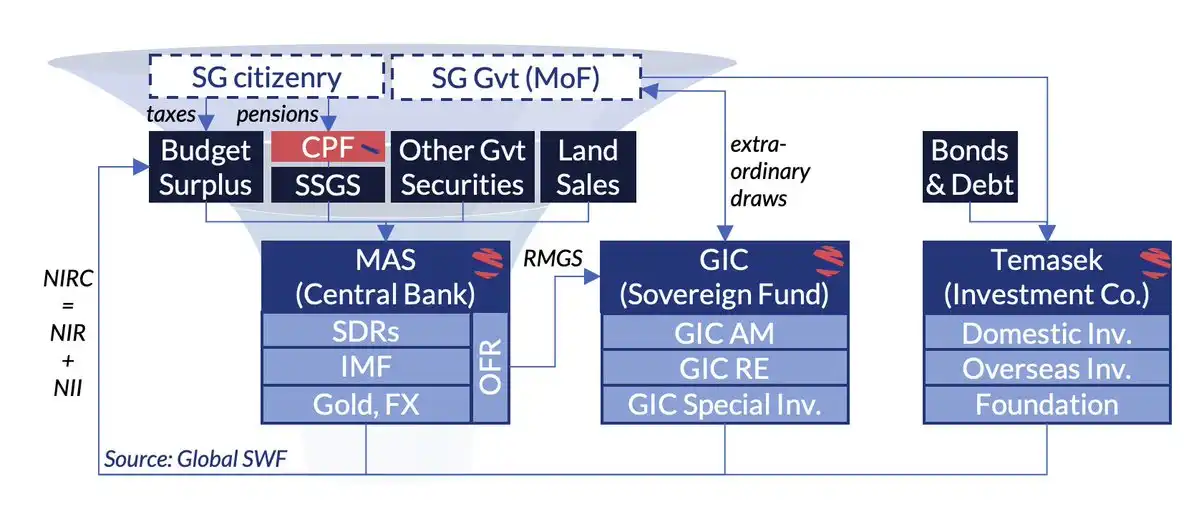
The monetary policy of the Monetary Authority of Singapore (MAS) is unique among global central banks: it does not use interest rates as the primary tool but manages the Singapore dollar's exchange rate fluctuation band to regulate the economy. An appreciation channel is used to curb inflation and attract capital; a depreciation channel is used to stimulate exports and maintain competitiveness.

The core logic is: currency is not static; it must be dynamic and responsive. How much money to print, whether to appreciate or depreciate the currency, depends on the needs of the current economic cycle. Excessive issuance dilutes national wealth and causes inflation; excessive tightening stifles economic vitality. Good monetary policy is a continuous balancing act.
SOL's Token Economics: The Dynamic Game from Inflation to Deflation

Solana's token economics have undergone a similar evolution.

Initial Inflation Phase (Quantitative Easing): At the launch of the Solana mainnet, an annual inflation rate of about 8% was set, decreasing by 15% each year, with a long-term target converging to 1.5%. These newly issued SOLs were used to pay staking rewards, essentially a "fiscal expenditure" subsidizing validators—just like emerging countries investing heavily in infrastructure early on, you must first pay the cost to attract "citizens" (validators) to stay and maintain network security.

Introduction of Burn Mechanism (Tightening Policy): In 2023, Solana introduced a partial burn mechanism for transaction fees—50% of the base fee of each transaction is permanently burned. When on-chain activity is sufficiently active, the amount of SOL burned may approach or even exceed the amount of new issuance, putting SOL into a de facto deflationary state.

This is like a country's central bank finally having the ability to "raise interest rates": when the economy (on-chain activity) is prosperous enough, it recovers money supply to maintain currency value.

But the problem is: Solana currently lacks a truly dynamic, responsive monetary policy framework. Its inflation rate decreases mechanically according to a preset curve, and the burn rate depends entirely on market activity; there is no "smart adjustment mechanism" like the MAS between the two.

This is a deep governance problem that Solana (and almost all public blockchains) has not yet solved: the issuance and burning of tokens should not be a fixed curve but should be dynamically adjusted according to the network's "economic cycle," like the monetary policy of a sovereign state. When the network is congested (economic overheating), the fee burn ratio should be increased to抑制投机 (suppress speculation); when the network is quiet (economic recession), perhaps the staking门槛 (threshold) for validators should be lowered and incentives increased.

A truly mature public blockchain economy needs not an inflation curve written dead in the code, but a set of on-chain "central bank" governance mechanisms.

only few understand, tokens do not only appreciate by being burned.

Chapter 5: HDB Politics—"People with Assets Will Defend the Country"

The Real Crisis in Early Singapore: Not Poverty, but the Sense of Division Between Ethnic Groups

When most people talk about the Singapore miracle, they focus on economic growth. But Lee Kuan Yew himself repeatedly emphasized that the most dangerous enemy in the early days of nation-building was not poverty, but racial division.

In 1965, Singapore's population was roughly 75% Chinese, 15% Malay, and 7% Indian. The three ethnic groups spoke different languages, had different beliefs, and distrusted each other. One of the triggers for Singapore's expulsion from the Malaysian Federation was the irreconcilable racial矛盾 (contradictions) between Chinese and Malays—in the 1964 racial riots, 23 people died and hundreds were injured.

After independence, Singapore faced a残酷的现实 (harsh reality): the people on this island did not feel like "Singaporeans" at all. The Chinese identified with Chinese culture, the Malays with the Malay Federation, the Indians with India. No one had a sense of belonging to the concept of "Singapore," let alone was willing to sacrifice for it.

The fundamental problem Lee Kuan Yew needed to solve was: How to make a group of people who distrust each other voluntarily stay under the same roof and be willing to付出 (give) to maintain that roof?
HDB: Not Just Housing, but a National Binding Mechanism

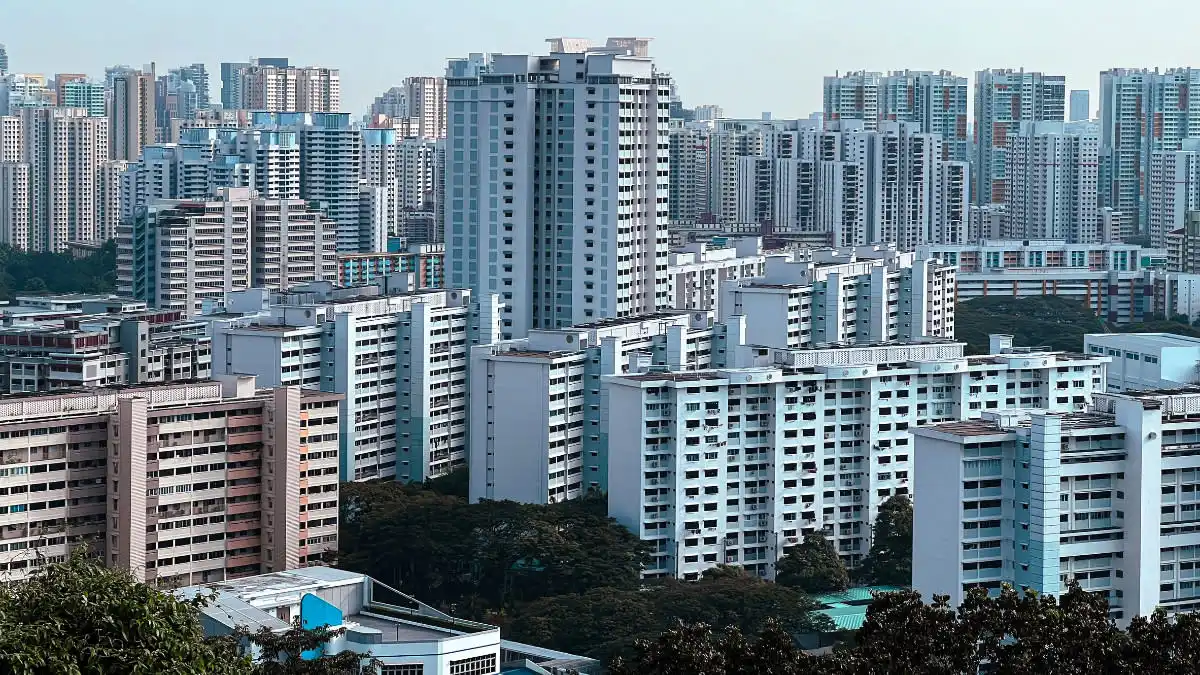
The answer was HDB public housing—perhaps one of the most ingenious social engineering projects in human history.

On the surface, HDB solved the housing problem. In the 1960s, a large population in Singapore lived in squatter settlements and slums. The government built public housing on a large scale, selling it to citizens at prices far below market rates and allowing the use of the Central Provident Fund (CPF) to pay mortgages. Today, over 80% of Singaporeans live in HDB flats.

But the true genius of HDB lies in its underlying political logic. Lee Kuan Yew once said a very frank sentence (paraphrased): "A person who owns assets in a place is more willing to defend it."

The HDB system achieved at least three strategic goals simultaneously:

First, creating "stakeholders." When you are just a tenant, the rise and fall of the city have little to do with you—you can just move away. But when you own a house, your net worth is tied to the fate of the country. Housing prices rise, your net assets rise; the country falls into chaos, your assets shrink. Every HDB owner becomes a "shareholder" in Singapore's national fortune.

Second,强制种族融合 (forced racial integration). This is the most underestimated design of the HDB system. HDB implements a strict Ethnic Integration Policy (EIP): each HDB community has quotas for the proportion of Chinese, Malays, and Indians, ensuring that no single-ethnic enclaves form. Your neighbors are necessarily different from you. Children play together downstairs, attend the same schools. After a generation, racial barriers were slowly dissolved by the forced mixing of physical space.

Third, linking personal wealth to the quality of national governance. The appreciation of HDB flats depends on Singapore's continued prosperity and good governance. Good governance leads to area development and improved amenities, which升值 (appreciates) your flat. This creates a powerful positive feedback loop: citizens have an incentive to support good governance because good governance directly enhances their asset values.

A single HDB flat accomplishes three tasks simultaneously: "binding interests—eliminating divisions—incentivizing governance." This is not just housing policy; it is the cornerstone of the nation. To secure the outside, one must first secure the inside—Lee Kuan Yew understood this deeply.

Solana's "Race Problem": A Divided Community

Switching perspectives back to Solana. After the FTX collapse, the Solana community faced a degree of fragmentation no less than that of Singapore in 1965.

There are at least three "ethnic groups" on the chain with截然不同 (distinctly different) interests:

Speculative traders and Meme players. They are the largest contributors to on-chain activity on Solana, bringing transaction volume, fees, and话题热度 (topic heat). But they have no loyalty to Solana; they go to whichever chain has the hype, essentially a floating population.

Native developers and builders. They have invested significant time and technical capital in building DeFi protocols, infrastructure tools, and DePIN projects on Solana. Their relationship with Meme speculators is微妙而紧张 (subtle and tense)—they need them (users and流量 (traffic)) but also dislike them (lowering the ecosystem's seriousness).

Validators and stakers. They are the cornerstone of network security, investing real money in hardware and staking capital. They care about network stability, staking yields, and the long-term value of SOL, neither participating in nor caring about short-term speculation.

The competitive tension between these three groups is divisive. Meme players complain about the unfairness of the priority queue for retail users during network congestion; developers complain that Memes吸走了 (suck away) all the attention and funds; validators complain about the opacity of the MEV distribution mechanism. Without a mechanism to align the interests of these three parties, the centrifugal force within the Solana community will only grow.

Where is Solana's "HDB"?

Lee Kuan Yew's wisdom—making citizens hold assets, binding personal interests to collective fate—what启示 (enlightenment) does it offer for Solana? Some mechanisms similar to "HDB" already exist in the Solana ecosystem, but they are far from systematic:

The Staking mechanism is the design closest to "HDB." When you stake SOL, you lock your assets into the network, and your收益 (returns) directly depend on the network's health. Stakers naturally become "shareholders" in network security. But currently, Solana's staking is mainly concentrated in the hands of large holders and institutions; the participation rate and sense of participation of ordinary users are insufficient—this is like if HDB flats were only sold to the rich, the poor would still be tenants, and the effect of "interest binding" would be greatly reduced.

Governance tokens and airdrops are a form of "house distribution." Ecosystem projects airdropping governance tokens (like JTO, JUP airdrops) to early users and developers are essentially "distributing assets"—turning participants from bystanders into stakeholders. Jupiter's JUP token airdrop covered nearly a million active wallets, instantly creating a large number of "homeowners" with a sense of belonging to the Jupiter protocol. If designed properly, this mechanism is no less effective than HDB.

Superteam DAO's globalized community is an attempt at "ethnic integration." Superteam establishes localized communities in different countries and regions, allowing developers from India, content creators from Turkey, and DeFi users from Nigeria to collaborate within the same organizational framework. This is somewhat like HDB's ethnic quota system—reducing cliques and factionalization through structured mixing.

But what Solana still lacks is a truly systematic "asset binding—interest alignment" mechanism. Imagine a more complete version: if the Solana ecosystem could establish a system where developers receive continuous protocol-layer revenue sharing for deploying successful applications on the chain; where active users accumulate some non-transferable "on-chain credit" or "citizenship" through long-term use; where validators' rewards are linked to the reliability of their service and their contribution to decentralization—then the personal wealth of every participant would be tightly bound to Solana's overall prosperity.

When speculators, developers, and validators all become "homeowners," not just "tenants," they will truly be willing to fight for the long-term interests of this chain. This is the most profound lesson Lee Kuan Yew taught us with an HDB flat: people won't fight for abstract ideals, but they will fight desperately for their own assets.

Chapter 6: The Crossroads of Transformation—"What Comes After?"

Singapore's Three Leaps

Singapore's economic transformation can be roughly divided into three stages:

First Stage (1960s-1970s): Labor-intensive manufacturing. Utilized low-cost labor to attract multinational companies to set up factories, earning foreign exchange and solving employment. This was the "survival" stage.

Second Stage (1980s-1990s): Financial and trade hub. Utilized geographic location and institutional advantages to become a regional capital distribution center and shipping logistics hub. Gray funds played a non-negligible role in this stage. This was the "gaining a foothold" stage.

Third Stage (2000s-present): Knowledge economy and high-end manufacturing. Heavily invested in education, attracted talent (Global Talent Program), developed high-value-added industries like biomedicine, semiconductor design, and fintech. Simultaneously tightened anti-money laundering regulations, gradually "cleaning" the financial system. This is the "defining itself" stage.

Each leap did not happen naturally; it was an active transition to a new model before the profits of the old model were exhausted. This requires极强的战略定力和政治意志 (extremely strong strategic determination and political will)—because transformation means主动放弃 (actively giving up) part of the current benefits.

Solana's Current Position: The End of the Second Stage

Using Singapore's framework for定位 (positioning), Solana is currently in the middle to late second stage. The capital and user红利 (dividends) brought by the Meme wave still exist, but the marginal effects have begun to diminish. Market fatigue with the next 100x Meme is rising, and if Solana cannot complete its transformation before this wave of heat subsides, it risks becoming a "casino chain"—just as if Singapore had remained stuck in the gray finance stage, it might be just another Cayman Islands today.

What Could Solana's Third Stage Be?

I don't know either, but it's definitely not some AI Agent.
Conclusion: The Fate of Public Blockchains is Ultimately the Fate of Governance

Looking back at Singapore's story, its success was not due to luck but because at every critical juncture, it made counterintuitive yet logical and commonsense decisions: opening up when it should (even accepting gray funds), controlling when it should (maintaining order with strict laws and harsh punishments), and transforming when it should (even if it meant sacrificing current benefits).

Solana stands at a similar crossroads. The Meme热潮 (craze) has given it life-sustaining ammunition and an active user base, but if it cannot accomplish three things before this红利 (dividend) subsides—establish a dynamic token economic governance mechanism, achieve true decentralization to win institutional trust, and cultivate a core industrial ecosystem beyond Memes—then it could be like countless small countries in history that "almost succeeded," hesitating at the window of transformation and ultimately being淘汰 (eliminated) by the times.

The competition among public blockchains is about narrative in the short term, technology in the medium term, and governance in the long term.

A token is not just a price symbol; it is the currency of a digital nation. And monetary policy has never been a dead written curve but an art of balance, timing, and restraint.

Postscript:

This article uses Singapore's development history as an analogical framework to analyze the Solana public blockchain ecosystem, aiming to provide a new perspective for thinking about public blockchain governance. The historical narrative of Singapore has been simplified to serve the analogical logic and does not constitute a comprehensive evaluation of Singapore's policies.

Also, you ask if the same comparison framework can be used for other public blockchains, sure, why not?


Câu hỏi Liên quan

QWhat is the core analogy used in the article to analyze the Solana ecosystem, and why is it considered appropriate?

AThe article uses the analogy of 'governing a digital nation' to analyze Solana, comparing it to Singapore's historical development. It is considered appropriate because both Solana and Singapore started from a position of vulnerability, relied on external support for initial growth (SBF/FTX for Solana, British military for Singapore), navigated through a 'gray' phase for survival (Meme coins for Solana, certain financial flows for Singapore), and now face a critical juncture where they must transition to a more mature, sustainable, and value-driven model to ensure long-term success.

QAccording to the article, what was the '1968 moment' for Singapore and the equivalent 'FTX moment' for Solana?

AFor Singapore, the '1968 moment' was when Britain announced the withdrawal of all its military forces east of the Suez Canal by 1971, which removed a crucial pillar (20% of GDP) of Singapore's economy and forced it to find a new path for survival. For Solana, the equivalent 'FTX moment' was in November 2022 when the FTX exchange collapsed. This event caused Solana's TVL to drop over 75%, its token price to crash, and key ecosystem projects to fail, instantly removing its primary source of external capital and credibility.

QWhat role did 'gray areas' play in the development of both Singapore and Solana, as described in the article?

AFor Singapore, 'gray areas' referred to its pragmatic acceptance of certain financial flows in its early development as a regional financial hub. It provided a safe, predictable legal environment for capital from surrounding regions, which helped it accumulate the necessary reserves to fund its future transformation. For Solana, the 'gray area' was the Meme coin frenzy on platforms like Pump.fun. While often seen as speculative and chaotic, this phase brought crucial capital inflow, a massive new user base, and stress-tested the network's infrastructure, providing the resources and data needed for its ongoing development.

QHow does the article compare Singapore's Housing Development Board (HDB) policy to a potential mechanism for Solana?

AThe article compares Singapore's HDB policy, which created a nation of 'stakeholders' by giving citizens' personal wealth a direct stake in the country's success, to the need for a similar 'asset-binding' mechanism in the Solana ecosystem. It suggests that mechanisms like staking SOL, airdropping governance tokens to active users, and building global communities (e.g., Superteam DAO) are initial steps. However, it argues Solana needs a more systematic mechanism to align the interests of its diverse 'tribes' (speculators, developers, validators) by making them 'owners' with a vested interest in the long-term health and prosperity of the network, rather than just temporary 'tenants'.

QWhat is the article's conclusion about the most critical factor for the long-term success of a blockchain like Solana?

AThe article concludes that while short-term success depends on narrative and mid-term success on technology, the long-term success of a blockchain like Solana ultimately depends on governance. It emphasizes that a token is the currency of a digital nation, and its monetary policy cannot be a fixed, pre-set curve. Instead, it must be a dynamic, responsive art of balance, timing, and restraint—similar to how a sovereign nation's central bank manages its economy—to navigate different cycles and ensure sustainable growth.

Nội dung Liên quan

Suy giảm hệ sinh thái người dùng cá nhân, ZKsync kỳ vọng vào thử nghiệm ngân hàng để phá cục

Bài viết thảo luận về sự thay đổi chiến lược của ZKsync từ việc tập trung vào hệ sinh thái DeFi cho người dùng cá nhân sang hướng đến cung cấp cơ sở hạ tầng tài chính cho các ngân hàng và tổ chức truyền thống. Động thái này diễn ra trong bối cảnh hệ sinh thái DeFi phi tập trung trên ZKsync Era suy giảm mạnh về tổng giá trị bị khóa (TVL) và khối lượng giao dịch, dẫn đến việc các giao thức lớn như Aave rút khỏi mạng lưới. ZKsync đang cạnh tranh trong thị trường tài sản được mã hóa dự kiến đạt hàng chục nghìn tỷ USD bằng cách cung cấp các giải pháp như Prividium và Bank Stack, nhấn mạnh tính riêng tư, kiểm soát tuân thủ và khả năng kết nối với Ethereum. Các ngân hàng như Deutsche Bank và nền tảng Tradable đã triển khai thí điểm. Tuy nhiên, mô hình quản trị phi tập trung của ZKsync, nơi cộng đồng người nắm giữ token có thể bỏ phiếu thay đổi các thông số như phí, tạo ra sự không chắc chắn về quy tắc và chi phí cho các tổ chức - điều mà các mạng riêng hoặc liên minh như của J.P. Morgan hay R3 Corda không có. Bài viết đặt câu hỏi liệu ZKsync có thể thành công trong việc thu hút các tổ chức tài chính truyền thống, vốn thường ưa thích sự kiểm soát và ổn định, hay không. Kết quả của cuộc thử nghiệm này, giữa công nghệ tiên tiến và mô hình quản trị mở, sẽ quyết định tương lai của dự án trong 18 tháng tới.

Foresight News11 phút trước

Suy giảm hệ sinh thái người dùng cá nhân, ZKsync kỳ vọng vào thử nghiệm ngân hàng để phá cục

Foresight News11 phút trước

Cảnh báo về AI đệ quy của Anthropic, công ty mới của Tian Yuandong vừa thực hiện 'bước đầu tiên'

Anthropic gần đây đã công bố bài viết "Khi AI tự xây dựng chính mình", cảnh báo về tương lai của việc AI có thể tự cải thiện một cách đệ quy. Trong bối cảnh này, công ty Recursive Superintelligence do Tian Yandong đồng sáng lập đã công bố bước đầu tiên về nghiên cứu AI tự động, mang tên "First Steps Toward Automated AI Research". Hệ thống này nhằm mục đích tự động hóa vòng lặp nghiên cứu AI truyền thống: đề xuất ý tưởng, viết mã, chạy thử nghiệm, phân tích và học hỏi để quyết định bước tiếp theo. Nó được thử nghiệm trên ba lĩnh vực khác nhau và đều đạt kết quả tốt nhất hiện tại (SOTA): 1. **NanoChat Autoresearch:** Huấn luyện mô hình ngôn ngữ nhỏ với ngân sách tính toán cố định, giảm tổn thất kiểm chứng xuống 0.9109 BPB. 2. **NanoGPT Speedrun:** Rút ngắn thời gian huấn luyện mô hình GPT xuống mức kỷ lục 77,5 giây thông qua các kỹ thuật như tính toán chú ý FP8 và tối ưu kernel GPU. 3. **SOL-ExecBench:** Tối ưu hóa kernel GPU, nâng điểm số SOL lên 0,754, thu hẹp 18% khoảng cách với giới hạn lý thuyết phần cứng. Recursive Superintelligence, với đội ngũ toàn sao và số vốn huy động lớn, theo đuổi sứ mệnh xây dựng hệ thống AI có khả năng tự cải thiện đệ quy. Thành công bước đầu này đánh dấu sự xuất hiện của một mô hình phát triển AI mới, nơi AI đóng vai trò chủ thể trong nghiên cứu. Điều này có thể thay đổi tốc độ và chi phí tiến bộ AI, đồng thời làm dấy lên những thảo luận về sự cần thiết phải điều phối và quản trị toàn cầu, như lời cảnh báo từ Anthropic.

marsbit19 phút trước

Cảnh báo về AI đệ quy của Anthropic, công ty mới của Tian Yuandong vừa thực hiện 'bước đầu tiên'

marsbit19 phút trước

Hướng Dẫn Mua Vàng Đáy: Theo Dõi Lãi Suất, Đừng Chỉ Nhìn Vào Chiến Tranh

**Hướng dẫn Mua Vàng Khi Giảm: Theo Dõi Lãi Suất, Đừng Chỉ Nhìn Vào Chiến Tranh** Cơn sốt vàng hồi tháng 1 đã đạt đỉnh và đảo chiều ngay cả trước khi chiến tranh Mỹ-Iran nổ ra một tháng, chứng tỏ động lực chính là chính sách tiền tệ, không phải xung đột. Việc Cục Dự trữ Liên bang Mỹ (Fed) đề cử chủ tịch có quan điểm diều hâu đã khiến giá vàng lao dốc. Bài học lặp lại trong 4 tháng qua: xung đột đẩy giá dầu lên, kéo theo kỳ vọng lạm phát cao và áp lực Fed thắt chặt chính sách. Vàng không sinh lãi, nên lãi suất càng cao, chi phí cơ hội nắm giữ càng lớn. Kỳ vọng chuyển từ giảm lãi suất sang tăng lãi suất sau chiến tranh đã phá hủy nền tảng của phe mua. Đợt giảm giá này còn mang đặc điểm của việc giảm đòn bẩy toàn thị trường. Các nhà đầu tư buộc phải bán tài sản thanh khoản tốt (như vàng, Bitcoin, thậm chí cổ phiếu Nasdaq) để bù ký quỹ, khiến chúng biến động cùng chiều bất thường. Lịch sử cho thấy đáy của vàng không liên quan đến ngừng bắn, mà liên quan đến điểm ngoặt chính sách (như Fed ngừng tăng lãi suất hoặc chuyển sang nới lỏng). So sánh với các đợt giảm năm 2022 và 2008, đợt giảm hiện tại mới kéo dài 4 tháng. **Các tín hiệu cần theo dõi để xác định điểm đáy tiềm năng:** 1. **Kỳ vọng tăng lãi suất đạt đỉnh:** Theo dõi tín hiệu từ Fed. 2. **Eo biển Hormuz thông trở lại:** Giảm áp lực lạm phát từ giá dầu. 3. **Dòng tiền ETF vàng chuyển từ ròng rút sang ròng mua:** Cho thấy áp lực bán ép đã kết thúc. **Gợi ý cách tiếp cận (quan điểm cá nhân):** Không thể dự đoán chính xác đáy. Có thể cân nhắc phân bổ vốn thành nhiều đợt trong phạm vi mục tiêu giảm từ 4000 đến 3500 USD/ounce, với tổng vốn ban đầu không quá 30% kế hoạch. Chỉ tăng mạnh vị thế khi ít nhất 2 trong 3 tín hiệu trên xuất hiện, chấp nhận đánh đổi một phần lợi nhuận để lấy tính xác định cao hơn. Tóm lại, trong môi trường hiện tại, theo dõi lãi suất và động thái của Fed có ý nghĩa then chốt hơn là chỉ tập trung vào diễn biến chiến sự khi đưa ra quyết định với vàng.

marsbit25 phút trước

Hướng Dẫn Mua Vàng Đáy: Theo Dõi Lãi Suất, Đừng Chỉ Nhìn Vào Chiến Tranh

marsbit25 phút trước

Tổng kết trên chuỗi thời gian gần đây: Sự biến động không có chủ đạo dưới tác động của thị trường chứng khoán Mỹ

Trong bối cảnh thị trường ETH chính chậm lại, các nhà đầu tư "degen" đang quay trở lại Solana. Tuy nhiên, thị trường Solana hiện thiếu một chủ đề chính rõ ràng, có thể được mô tả là sự giằng co giữa "cạnh tranh thu hút sự chú ý" và "sự trở lại của cộng đồng". **Cạnh tranh thu hút sự chú ý (Attention PvP):** Các meme coin như $JOTCHUA và $WORLDCUP trên Solana chứng kiến biến động giá mạnh nhờ vào sự ủng hộ của người nổi tiếng, sự kiện nóng hoặc phân tích của KOL, bất chấp việc chúng có thể thiếu tính "hữu cơ" hoặc cộng đồng thực sự. Trong khi đó, các dự án tương tự trên các chain khác như $PITCH trên Base lại gặp khó khăn. Nền tảng pump.fun gần đây ra mắt tính năng "pump fun GO" cho phép tạo nhiệm vụ trả phí để thu hút sự chú ý, dẫn đến những sự việc gây tranh cãi như việc thưởng SOL cho người xăm hình token lên trán hay ăn côn trùng, khiến thị trường mang tính chất giải trí và đầu cơ cao. **Sự trở lại của cộng đồng:** Mặt khác, một số dự án dựa vào cộng đồng bền vững đang được chú ý. KOL Ansem nhấn mạnh tầm quan trọng của việc có cộng đồng gắn bó lâu dài thay vì chỉ phụ thuộc vào một người nổi tiếng. Các token như $neet (với thông điệp phản đối văn hóa làm việc quá mức), $troll, $buttcoin và $triplet được đề cao nhờ khả năng tồn tại và sự ủng hộ vững chắc từ cộng đồng. Một ví dụ điển hình là $KINS, token của game MMORPG Kintara. Dự án này xây dựng niềm tin thông qua việc cập nhật nội dung game nhất quán, tích hợp các yếu tố cộng đồng và tập trung vào trải nghiệm người chơi thay vì chỉ tập trung vào tài chính. Cách tiếp cận này đã thu hút được một cộng đồng người chơi trung thành và cả sự chú ý của các KOL. Bài viết kết luận với câu hỏi về bản chất thị trường: liệu chúng ta đang tham gia vào một trò chơi xây dựng sự tin tưởng hay một trò chơi lừa dối lẫn nhau, và hy vọng sự suy ngẫm này sẽ dẫn đến một thị trường lành mạnh hơn.

marsbit25 phút trước

Tổng kết trên chuỗi thời gian gần đây: Sự biến động không có chủ đạo dưới tác động của thị trường chứng khoán Mỹ

marsbit25 phút trước

Thiếu Niên Bị Tố Thực Hiện Vụ Lừa Đảo Tiền Mã Hóa 13 Triệu USD Để Tài Trợ Cuộc Sống Xa Xỉ Ở Miami

Một thiếu niên Canada, Trenton Richard David Johnston, 19 tuổi, bị cáo buộc điều hành một âm mưu lừa đảo tiền mã hóa trị giá hơn 13 triệu USD từ khu vực Miami. Công tố viên liên bang cho biết Johnston và các đồng phạm giả danh đại diện hỗ trợ của một công cụ tìm kiếm lớn và các công ty liên quan đến tiền mã hóa để đánh cắp quyền truy cập vào ví và tài khoản của nạn nhân. Số tiền bị đánh cắp sau đó bị cáo buộc được rửa thông qua các giao dịch tài chính. Hơn 1 triệu USD trong số này được cho là đã được dùng để thuê xe sang, mua trang sức cao cấp và tài trợ cho lối sống giải trí xa hoa. Một người khác, Brandon Michael Tardibone, 28 tuổi, ở Miami, bị cáo buộc tham gia rửa tiền và chứa chấp Johnston khi Johnston ở Mỹ bất hợp pháp. Johnston bị cáo buộc tội âm mưu gian lận chuyển tiền và âm mưu rửa tiền, trong khi Tardibone bị cáo buộc âm mưu rửa tiền và chứa chấp người nước ngoài trái phép. Vụ việc đang được điều tra và một thỏa thuận nhận tội của Johnston đã được đệ trình vào tháng 6. Nếu bị kết tội, họ có thể đối mặt với án tù lên đến 20 năm.

bitcoinist31 phút trước

Thiếu Niên Bị Tố Thực Hiện Vụ Lừa Đảo Tiền Mã Hóa 13 Triệu USD Để Tài Trợ Cuộc Sống Xa Xỉ Ở Miami

bitcoinist31 phút trước

Giao dịch

Giao ngay
Hợp đồng Tương lai

Bài viết Nổi bật

SOLANA là gì

```html HarryPotterWifHatMyroWynn10Inu,$solana: Một cái nhìn sâu sắc về Dự án Coin Meme Thịnh hành Giới thiệu Trong bối cảnh không ngừng phát triển của tiền điện tử, các dự án sáng tạo liên tục xuất hiện, thu hút trí tưởng tượng của các nhà đầu tư và những người đam mê. Một trong những dự án như vậy là HarryPotterWifHatMyroWynn10Inu,$solana, một coin meme đã bắt đầu khẳng định chỗ đứng của mình trong cộng đồng crypto. Bài viết này nhằm cung cấp cho bạn cái nhìn tổng quan về dự án, làm sáng tỏ mục đích, cấu trúc, người sáng lập, các nhà đầu tư và những cột mốc đáng chú ý trong hành trình. HarryPotterWifHatMyroWynn10Inu,$solana là gì? Tổng quan HarryPotterWifHatMyroWynn10Inu,$solana là một dự án coin meme được cấu trúc trên blockchain Solana – một nền tảng nổi tiếng với khả năng mở rộng và tốc độ. Nhằm mang lại niềm vui và sự sáng tạo vào không gian crypto, dự án này không chỉ đóng vai trò như một token thương mại mà còn là chất xúc tác cho việc tạo ra và chia sẻ nội dung meme. Cộng đồng là tâm điểm của nó được khuyến khích tham gia tích cực, tạo ra một hệ sinh thái năng động nơi sáng tạo và hợp tác phát triển. Mục tiêu và Định hướng Về bản chất, dự án nhằm thúc đẩy một môi trường nơi những người đam mê meme có thể tụ tập, chia sẻ và tạo ra nội dung meme mới. Cách tiếp cận dựa trên câu chuyện này thổi hồn sự phấn khích vào cộng đồng, thúc đẩy sự tham gia đồng thời làm nổi bật các chức năng mạnh mẽ vốn có của blockchain Solana. Bằng cách xây dựng một dự án tập trung vào cộng đồng, HarryPotterWifHatMyroWynn10Inu,$solana cũng muốn khám phá tác động xã hội của tiền tệ kỹ thuật số như một phương tiện biểu đạt. Ai là người sáng lập HarryPotterWifHatMyroWynn10Inu,$solana? Danh tính của người sáng lập đứng sau HarryPotterWifHatMyroWynn10Inu,$solana vẫn chưa được tiết lộ. Dự án đã được cấu trúc theo cách mà quyền sở hữu đã được từ bỏ; do đó, nó phát triển như một sáng kiến do cộng đồng dẫn dắt. Sự phi tập trung này thúc đẩy tính minh bạch và sự tham gia dân chủ giữa tất cả các bên liên quan. Cách tiếp cận này ngày càng phổ biến trong thế giới coin meme, nơi sự tương tác của cộng đồng đóng vai trò chủ đạo. Ai là các nhà đầu tư của HarryPotterWifHatMyroWynn10Inu,$solana? Tính đến thời điểm hiện tại, không có thông tin công khai nào về các nhà đầu tư hoặc quỹ cụ thể nào hỗ trợ HarryPotterWifHatMyroWynn10Inu,$solana. Việc thiếu nhà đầu tư nổi tiếng càng nhấn mạnh bản chất tập trung vào cộng đồng của dự án, vì nó đứng độc lập khỏi các khung tài chính truyền thống. Sự độc lập này cho phép dự án phát triển bản sắc của mình mà không chịu áp lực từ bên ngoài, mà thay vào đó dựa vào sự quan tâm tập thể từ cơ sở người dùng. HarryPotterWifHatMyroWynn10Inu,$solana hoạt động như thế nào? Mô hình kinh tế Dự án áp dụng một mô hình kinh tế độc đáo, nền tảng cho chức năng và sự tham gia của người dùng. Các giao dịch trong HarryPotterWifHatMyroWynn10Inu,$solana được thiết kế để mang lại lợi ích cho tất cả các bên liên quan. Mỗi giao dịch sẽ phát sinh một khoản phí, sau đó được phân phối lại cho các chủ sở hữu hiện tại trong khi đồng thời gia tăng quỹ thanh khoản. Các thành phần chính của mô hình này bao gồm: Cơ chế phản chiếu: Một phần phí giao dịch được trả lại cho các chủ sở hữu, khuyến khích đầu tư lâu dài vào token. Gia tăng quỹ thanh khoản: Quỹ được phân bổ để tăng cường thanh khoản, đảm bảo rằng các hoạt động mua và bán có thể được thực hiện một cách suôn sẻ. Cơ chế đốt: Một phần token có thể được đốt để tạo ra sự khan hiếm, tiềm năng làm tăng giá trị khi nhu cầu tăng lên. Thiết kế này khuyến khích một hệ sinh thái tự duy trì, phát triển dựa trên sự tương tác và đầu tư của cộng đồng. Tham gia của cộng đồng Tại trung tâm của HarryPotterWifHatMyroWynn10Inu,$solana là giá trị gắn liền với sự tham gia của cộng đồng. Bằng cách cho phép người dùng tham gia vào sự phát triển của dự án thông qua các hoạt động khác nhau, như tạo meme và quảng bá, dự án thúc đẩy một hệ sinh thái sống động nơi sáng tạo có thể nở rộ. Thời gian của HarryPotterWifHatMyroWynn10Inu,$solana Quá trình phát triển của HarryPotterWifHatMyroWynn10Inu,$solana có nhiều sự kiện đáng chú ý đã định hình vị thế hiện tại của nó trong cộng đồng crypto: Sự ra đời: Ngày ra đời cụ thể chưa được công bố, nhưng sự khởi đầu của dự án gắn liền với văn hóa meme thấm nhuần trong thời đại kỹ thuật số. Thay quyền điều hành cộng đồng: Sau khi quyền sở hữu được từ bỏ bởi người sáng lập, dự án đã chuyển sang mô hình do cộng đồng dẫn dắt, cho phép tất cả những người tham gia có cổ phần trong sự thành công của nó. Kiểm toán và bộ sưu tập NFT: Nhằm tăng cường tính đáng tin cậy, dự án đã hoàn thành một cuộc kiểm toán kỹ lưỡng, đồng thời ra mắt một bộ sưu tập NFT nhằm thể hiện tinh thần tập trung vào meme của nó. Đối tác và phát triển: Dự án hiện đang trong quá trình tìm kiếm các đối tác tiềm năng với các token khác và tổ chức phát triển một trang web độc đáo cùng các phương án hàng hóa dựa trên các meme huyền thoại của nó. Những điểm chính Tóm lại, HarryPotterWifHatMyroWynn10Inu,$solana đứng vững như một nhân tố đáng chú ý trong lĩnh vực coin meme của tiền điện tử. Dưới đây là một số điểm chính: Sáng kiến do cộng đồng dẫn dắt: Dự án phát triển như một nỗ lực hợp tác, khuyến khích các đóng góp tích cực từ các thành viên cộng đồng trong khi tách biệt khỏi các yêu cầu sở hữu. Mô hình kinh tế sáng tạo: Sử dụng cơ chế phản chiếu, tăng cường thanh khoản và đốt token, nó tạo ra một môi trường tài chính vững mạnh và hấp dẫn cho người dùng. Tham gia NFT và hàng hóa: Với việc ra mắt một bộ sưu tập NFT, dự án mong muốn tăng cường sự tương tác trong cộng đồng của mình, củng cố mối liên kết giữa văn hóa meme và tiền điện tử. Khám phá các đối tác: Sáng kiến này không ngừng phát triển – việc phát triển và tìm kiếm các đối tác tiềm năng cho thấy một cách tiếp cận hướng tới tương lai nhằm duy trì tăng trưởng. Kết luận Khi HarryPotterWifHatMyroWynn10Inu,$solana tiếp tục thu hút sự chú ý trong cảnh quan tiền điện tử, sự kết hợp độc đáo giữa sự tham gia của cộng đồng, cấu trúc kinh tế sáng tạo và sự hội nhập của văn hóa meme đã vạch ra con đường tiềm năng phía trước. Ngay cả với sự bí ẩn bao quanh sự khởi đầu và các mối liên kết với nhà đầu tư, dự án vẫn mang đến một câu chuyện thú vị, phản ánh bản chất của đổi mới phi tập trung. Trong một thế giới mà tiền điện tử thường bị nhìn nhận qua lăng kính tài chính, HarryPotterWifHatMyroWynn10Inu,$solana chứng minh rằng phong trào crypto cũng bao hàm sáng tạo, cộng đồng và hợp tác. Dù bạn là một nhà đầu tư dày dạn hay một người mới, hành trình đang mở ra của dự án coin meme này chắc chắn là một nghiên cứu tình huống hấp dẫn đáng để chú ý. ```

Tổng lượt xem 736Xuất bản vào 2024.04.04Cập nhật vào 2024.12.03

SOLANA là gì

SOLANA 2.0 là gì

BarbieCrashBandicootRFK777Inu, $SOLANA 2.0: Một Người Chơi Mới Trong Cảnh Quan Crypto Giới thiệu về BarbieCrashBandicootRFK777Inu, $SOLANA 2.0 Trong cảnh quan tiền điện tử luôn biến đổi, những người mới tham gia liên tục thu hút sự chú ý của các nhà đầu tư và những người đam mê. Trong số những dự án mới nổi này là BarbieCrashBandicootRFK777Inu, được đại diện bởi biểu tượng tiền điện tử $SOLANA 2.0. Sáng kiến độc đáo này kết hợp các yếu tố của sự quyến rũ, phiêu lưu, và văn hóa meme, với mục tiêu vượt qua kỳ vọng trong một lĩnh vực cạnh tranh khốc liệt. Với kỳ vọng về sự phát triển và đổi mới, dự án này nắm bắt tinh thần của một kẻ yếu thế đang chiến đấu chống lại những gã khổng lồ đã được thiết lập. BarbieCrashBandicootRFK777Inu, $SOLANA 2.0 là gì? Tại cốt lõi, BarbieCrashBandicootRFK777Inu là một dự án tiền điện tử được lấy cảm hứng từ nhiều tài liệu văn hóa mang tính biểu tượng khác nhau. Bao gồm sự thanh lịch và quyến rũ liên quan đến Barbie, năng lượng năng động của Crash Bandicoot, và động lực không ngừng nghỉ đại diện bởi RFK, dự án nhằm cung cấp một trải nghiệm đa chiều trong thế giới tiền điện tử. Mục tiêu chính của dự án BarbieCrashBandicootRFK777Inu là kết hợp những yếu tố khác nhau này thành một hệ sinh thái thống nhất hấp dẫn đối với một đối tượng rộng lớn. Bằng cách chấp nhận tính kỳ quặc của văn hóa meme trong khi vẫn giữ nguyên các nguyên tắc của sự phân cấp và quyền lực tài chính, dự án đã tự định vị mình như một lựa chọn hấp dẫn cho cả những nhà đầu tư dày dạn kinh nghiệm và những người mới tham gia vào thế giới crypto. Ai là người sáng tạo ra BarbieCrashBandicootRFK777Inu, $SOLANA 2.0? Mặc dù sự quan tâm ngày càng tăng đối với BarbieCrashBandicootRFK777Inu, thông tin liên quan đến người sáng tạo của nó vẫn chủ yếu không rõ ràng. Sự ẩn danh của người sáng lập hoặc nhóm phát triển đặt ra nhiều câu hỏi về cấu trúc và quản trị của dự án. Trong thế giới tiền điện tử, không phải hiếm khi các dự án hoạt động mà không có những người sáng tạo công khai. Việc thiếu thông tin này có thể làm nản lòng một số nhà đầu tư tiềm năng, trong khi những người khác có thể xem đó như một cơ hội để chấp nhận tinh thần phân cấp mà nhiều sáng kiến tiền điện tử dựa vào. Ai là các nhà đầu tư của BarbieCrashBandicootRFK777Inu, $SOLANA 2.0? Tính đến thời điểm hiện tại, có rất ít thông tin về nền tảng đầu tư hoặc các tổ chức hỗ trợ BarbieCrashBandicootRFK777Inu. Việc thiếu thông tin chi tiết về đầu tư của dự án làm nổi bật tính độc lập của nhiều loại tiền điện tử. Trong trường hợp này, vẫn chưa rõ nguồn tài trợ cho dự án sẽ đến từ sự hỗ trợ cộng đồng grassroots hay là sự ủng hộ từ các thực thể tài chính lớn hơn. BarbieCrashBandicootRFK777Inu, $SOLANA 2.0 hoạt động như thế nào? BarbieCrashBandicootRFK777Inu được thiết kế với nhiều tính năng góp phần vào sự độc đáo của nó trong không gian tiền điện tử đông đúc. Trong khi các chi tiết kỹ thuật cụ thể vẫn được giữ kín, dự án được kỳ vọng sẽ bao gồm các chức năng nhằm nâng cao sự tương tác của người dùng và thúc đẩy sự phát triển cộng đồng. Sự kết hợp của nhiều ảnh hưởng — từ thời trang và phiêu lưu đến trò chơi — khuyến khích một bầu không khí bao trùm, phục vụ cho các sở thích đa dạng. Ngoài ra, mối liên hệ của dự án với hệ sinh thái $SOLANA 2.0 gợi ý về những lợi thế công nghệ tiềm năng. Điều này có thể bao gồm tốc độ giao dịch đổi mới, khả năng mở rộng và tính hiệu quả về chi phí, phù hợp với khả năng kỹ thuật của blockchain Solana. Những người sáng lập dự án dường như đang dựa vào nền tảng công nghệ này để tạo ra một trải nghiệm cộng đồng bền vững và một sản phẩm đáng kể. Dòng thời gian của BarbieCrashBandicootRFK777Inu, $SOLANA 2.0 Hành trình của BarbieCrashBandicootRFK777Inu chứa nhiều mốc quan trọng, cung cấp cái nhìn về quá trình phát triển của dự án cho đến nay: Khái niệm Dự án: Những ý tưởng ban đầu đã xuất hiện xoay quanh việc kết hợp vẻ đẹp, phiêu lưu và văn hóa meme, tạo ra khung cho khái niệm độc đáo của dự án. Tạo Token: Token biểu tượng $SOLANA 2.0 đã được thiết lập, được thiết kế để thể hiện những kỳ vọng của dự án và thu hút sự chú ý từ các nhà đầu tư tiềm năng. Phát triển Dự án: Hiện tại, dự án đang trong quá trình phát triển thêm, với sự nhấn mạnh vào việc thách thức các người chơi đã được thiết lập trong không gian tiền điện tử và cung cấp các sản phẩm đổi mới. Những cột mốc này phản ánh quỹ đạo phát triển của dự án trong khi nhấn mạnh cam kết của nó trong việc phát triển một trải nghiệm cryptocurrency tiên phong. Những điểm chính về BarbieCrashBandicootRFK777Inu, $SOLANA 2.

Tổng lượt xem 154Xuất bản vào 2024.04.05Cập nhật vào 2024.12.03

SOLANA 2.0 là gì

Làm thế nào để Mua SOL

Chào mừng bạn đến với HTX.com! Chúng tôi đã làm cho mua Solana (SOL) trở nên đơn giản và thuận tiện. Làm theo hướng dẫn từng bước của chúng tôi để bắt đầu hành trình tiền kỹ thuật số của bạn.Bước 1: Tạo Tài khoản HTX của BạnSử dụng email hoặc số điện thoại của bạn để đăng ký tài khoản miễn phí trên HTX. Trải nghiệm hành trình đăng ký không rắc rối và mở khóa tất cả tính năng. Nhận Tài khoản của tôiBước 2: Truy cập Mua Crypto và Chọn Phương thức Thanh toán của BạnThẻ Tín dụng/Ghi nợ: Sử dụng Visa hoặc Mastercard của bạn để mua Solana (SOL) ngay lập tức.Số dư: Sử dụng tiền từ số dư tài khoản HTX của bạn để giao dịch liền mạch.Bên thứ ba: Chúng tôi đã thêm những phương thức thanh toán phổ biến như Google Pay và Apple Pay để nâng cao sự tiện lợi.P2P: Giao dịch trực tiếp với người dùng khác trên HTX.Thị trường mua bán phi tập trung (OTC): Chúng tôi cung cấp những dịch vụ được thiết kế riêng và tỷ giá hối đoái cạnh tranh cho nhà giao dịch.Bước 3: Lưu trữ Solana (SOL) của BạnSau khi mua Solana (SOL), lưu trữ trong tài khoản HTX của bạn. Ngoài ra, bạn có thể gửi đi nơi khác qua chuyển khoản blockchain hoặc sử dụng để giao dịch những tiền kỹ thuật số khác.Bước 4: Giao dịch Solana (SOL)Giao dịch Solana (SOL) dễ dàng trên thị trường giao ngay của HTX. Chỉ cần truy cập vào tài khoản của bạn, chọn cặp giao dịch, thực hiện giao dịch và theo dõi trong thời gian thực. Chúng tôi cung cấp trải nghiệm thân thiện với người dùng cho cả người mới bắt đầu và người giao dịch dày dạn kinh nghiệm.

Tổng lượt xem 1.6kXuất bản vào 2024.12.12Cập nhật vào 2026.06.02

Làm thế nào để Mua SOL

Thảo luận

Chào mừng đến với Cộng đồng HTX. Tại đây, bạn có thể được thông báo về những phát triển nền tảng mới nhất và có quyền truy cập vào thông tin chuyên sâu về thị trường. Ý kiến ​​của người dùng về giá của SOL (SOL) được trình bày dưới đây.

活动图片