Burning Through Billions, Market Cap Evaporates 200 Billion: SenseTime Suddenly Turns a Profit

marsbitXuất bản vào 2026-08-17Cập nhật gần nhất vào 2026-08-17

Tóm tắt

Chinese AI giant SenseTime, once a star in the AI "Four Dragons," recently projected its first-ever profit for H1 2026, sparking a temporary stock surge. However, its current market cap of ~HK$64.6 billion remains over 80% below its peak of ~HK$300 billion in early 2022. The article analyzes SenseTime's dramatic fall from grace. It excelled in the "AI 1.0" era, dominating computer vision for applications like facial recognition and smart cities. However, it was disrupted by the "AI 2.0" generative AI revolution led by ChatGPT, which shifted focus from recognition to creation. Compounded by US sanctions, the death of its founder, a short-seller report, and a decline in its core smart city business, the company faced a perfect storm. Its workforce was cut by nearly 60%. To survive, SenseTime pivoted, actively "killing" its old self. It transitioned from project-based solutions to a generative AI and visual AI dual-engine model. Now, over 70% of its revenue comes from large language models, a more scalable, subscription-like business. Cost-control measures on expensive model training have also contributed to its path to profitability. Yet, significant challenges remain. The current AI race is an ecosystem battle dominated by giants like Microsoft/OpenAI, Google, and Chinese tech firms with integrated clouds, apps, and vast user bases. SenseTime, as an independent AI company, lacks such a super app or traffic gateway. The key question is whether it can build a sustainable moat...

On August 17th, the veteran star AI company SenseTime experienced a long-awaited strong breakout, with its stock price soaring over 13% intraday and rising over 8% at the time of writing, bringing its total market cap back to around HK$64.6 billion. What sparked this capital frenzy was a "positive profit warning" released by SenseTime on the evening of the 16th — the company expects to successfully turn a loss into a profit in the first half of 2026, marking SenseTime's first consolidated profit since its listing on the Hong Kong Stock Exchange in 2022.

However, while the market cheered this historic turning point, a massive chasm still separates SenseTime's current stock price from its peak. Looking back to late 2021 and early 2022, SenseTime was highly sought after by capital upon its IPO, with its stock price once nearing HK$9.70 per share and its total market cap once exceeding HK$270 billion. Now, even after the single-day surge, its stock price hovers around HK$1.53, and its market cap has plummeted by over 80% from its peak.

From being the most favored by capital during the era of the "AI Four Dragons" to experiencing a darkest hour of multiple storms, this once-dominant player in the spotlight is trying to catch up with the times again through a comprehensive pivot to generative AI.

When AI Was Hottest, Why Did It Fall Behind?

In 2018, if you asked someone in the tech circle: Which Chinese AI company is the strongest?

The answer would most likely include SenseTime.

Indeed, in those years, SenseTime was a true top influencer. Face recognition, smart cities, autonomous driving — in almost every hot AI-related sector, you could find its presence. Along with Megvii, Yitu, and CloudWalk, the other three making up the "AI Four Dragons," it was a regular in tech media headlines, securing round after round of financing and seeing its valuation skyrocket. Back then, SenseTime was like the top student in school who aced every exam; everyone thought its future was limitless.

However, fast-forward to 2023, and the scene changed dramatically.

When ChatGPT, DeepSeek , Claude, and Gemini set the world ablaze, when AI became the hottest concept in capital markets, when OpenAI and Anthropic became the focus of the tech world, SenseTime gradually faded from the public eye.
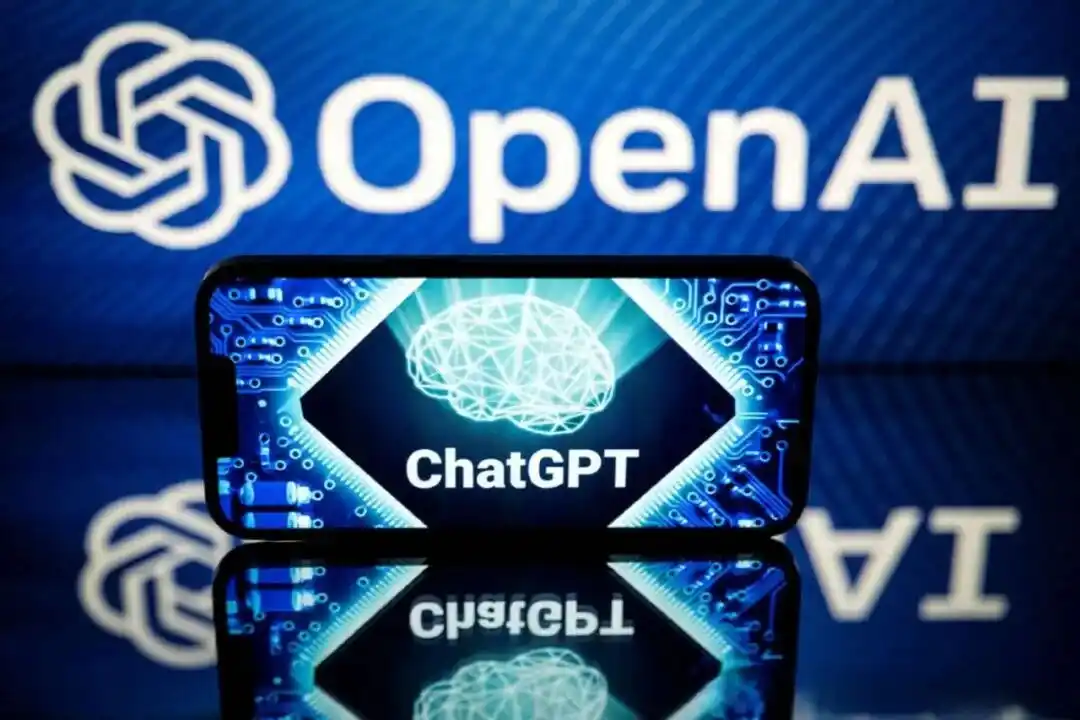
Why did this happen? The answer might be brutally simple: SenseTime caught AI 1.0, but missed AI 2.0.

To understand this, we must first clarify the fundamental differences between AI in these two eras.

In the era SenseTime was founded, AI primarily did "recognition" work — given a face, it told you who it was; given a photo of an intersection, it flagged which car ran a red light; given a surveillance video, it counted how many people passed by.

This type of technology has a professional term: computer vision, simply put, teaching machines to see the world. SenseTime became a leader in this field, making a fortune by providing enterprises with face recognition and smart city solutions.

But the sudden emergence of ChatGPT changed the game entirely. The new generation of AI was no longer content with just seeing; it began to create, writing articles, making videos, and even coding.

It was as if SenseTime had spent a decade mastering the art of recognition, becoming the best in the world, only to find the martial world suddenly embracing generative techniques, with everyone training in them. The old skills weren't useless, but they were no longer the main act.

If it were merely falling behind in the technological path, SenseTime might still have had a chance to turn things around. What was truly fatal was that from 2019 to 2023, bad news seemed to arrive one after another like clockwork.

First, starting in 2019, the U.S. placed SenseTime on its sanctions list. Then, at the end of 2022, ChatGPT exploded onto the scene,颠覆 the entire industry's technological paradigm. The computer vision track that SenseTime relied on for survival suddenly went from being a future direction to a traditional business, while its布局 in large models was half a step too slow.

Misfortune never comes singly. Its former cash cow, the smart city business, also began to萎缩, with收入增长失速.

2023 was an even darker hour for SenseTime. This year, founder Tang Xiao'ou passed away, causing widespread惋惜 in the industry and dealing a heavy blow to both internal morale and capital market confidence; almost simultaneously, short-seller Grizzly Research released a report questioning SenseTime, sending its stock price further downhill.

After this series of blows, the numbers were staggering: In 2021, the smart city business accounted for 45.6% of SenseTime's total revenue; by 2022, this proportion had dropped to 28.8%; by 2023, it had further declined to around 12%. SenseTime even actively reduced its reliance on the smart city business.

Meanwhile, its market cap also fell from a peak of around HK$300 billion to just a few hundred billion; its employee headcount was大幅裁减 from 6,114 to 2,472, a reduction of nearly 60% in three and a half years, equivalent to losing six out of every ten people.

Almost every conceivable crisis occurred during these past few years.

Rather than a story of simply falling behind, it's more a story of a star AI company being simultaneously hit by multiple storms at a turning point in the era.

Can the Company That Once Made Money 'Scanning Faces' Stage a Comeback?

If you thought SenseTime had completely vanished and would never reappear, you might be overlooking a very interesting fact: SenseTime has already transformed from a face recognition company into a technology enterprise driven by both generative AI and visual AI.

Put more directly: SenseTime actively "killed" its old self.

Judging from the latest earnings forecast, the transformation is beginning to show results: In the first half of 2026, it is expected to record a profit for the period of approximately RMB 500 million to RMB 700 million, compared to a loss of about RMB 1.489 billion in the same period last year; the net loss is expected to decrease by 60%~70% year-on-year.

It is worth noting that SenseTime explicitly mentioned in its announcement: "This will be the first time the Company has achieved consolidated profit since its listing."

This is an important signal. Because over the past few years, the biggest external质疑 about SenseTime has been whether it could actually make money.

As one of the brightest stars in China's AI industry, from 2018 to 2021, SenseTime told a story of technology changing the world. Back then, it seemed everyone agreed: whoever had the most advanced algorithms, the most AI research papers, the highest face recognition accuracy, could become the winner of the next era.

But later, people realized that technological领先 doesn't necessarily mean商业上的成功.

In the past, SenseTime's core businesses were smart cities, smart business, and smart living. To put it more bluntly, this involved selling artificial intelligence solutions to local governments and enterprises. For example, face recognition access control, city security systems, traffic recognition, campus management, etc.

This business model has a天然缺陷: once a project is completed, the revenue ends. This made it more like a technical service company than an internet platform.

An internet platform can generate continuous revenue from users, but a project-based enterprise must constantly寻找新的订单.

This is also why, for many years, SenseTime could never摆脱亏损的困境.

The emergence of generative AI changed all this. In the past, SenseTime was selling projects; now, it has shifted to selling models.

A single large model can simultaneously serve multiple industries like finance, education, office work, robotics, and content creation. It's no longer a "one-time delivery" business but more like a sustainable subscription. The biggest advantage of this model is that, in theory, it offers greater economies of scale.

Looking at the business structure, generative AI has become SenseTime's new growth engine. For example, in the full year of 2025, generative AI业务 generated revenue of RMB 3.63 billion, accounting for 72.4% of total revenue; its other main business, visual AI, generated revenue of RMB 1.08 billion, accounting for 21.6%.

In other words, over 70% of the revenue for the SenseTime that once relied on scanning faces to make money now comes from large models.

At the same time, SenseTime has also begun actively controlling costs.

Training large models is essentially a "cash-burning" game. For the past few years, SenseTime has been labeled a "cash-burning machine." From its founding to its IPO, cumulative R&D investment exceeded tens of billions of RMB, and persistent losses became investors' biggest concern.

But in the last two years, SenseTime has明显 adjusted its strategy. On one hand, it has begun emphasizing model training efficiency. On the other hand, it is also working to reduce its reliance on high-end computing power by optimizing model architecture and adapting to domestic chips to lower training costs.

Judging by the operational results, this strategy is indeed starting to work. However, the issue is that profitability doesn't mean it has already staged a comeback. Up to this point, if asked whether SenseTime has made a comeback? Probably not. Because it faces an even bigger problem: Do independent AI companies still have a chance?

Because the current large model competition has essentially become a battle of ecosystems.

Look at the players now at the center of the table: OpenAI has Microsoft behind it, Google has Search, Android, and cloud computing, Alibaba has Alibaba Cloud and its e-commerce ecosystem, Tencent has WeChat, ByteDance has Douyin... These companies share a common characteristic: they not only have models, but also computing power, users, traffic, and application入口.

And the model is only part of it; what truly determines victory or defeat is the entire ecosystem. And this恰恰 is SenseTime's weakest point.

In fact, this isn't just a problem faced by SenseTime; it's a challenge共同面对 by all independent AI companies globally.

In the past, SenseTime needed to prove: Can AI technology become a viable business? Today, it needs to prove: In the era of large models dominated by giants, can an AI company without a超级流量入口 establish a new商业护城河凭借 its model capabilities and industry落地能力?

This article is from the WeChat public account "Phoenix Network Technology," author: Phoenix Network Technology


Tiền kỹ thuật số thịnh hành

Câu hỏi Liên quan

QWhat is the main reason behind SenseTime's recent stock surge?

AThe main reason is the company's release of a positive profit warning, forecasting it will achieve profitability for the first half of 2026, marking its first consolidated profit since its 2022 Hong Kong listing.

QHow did the AI industry paradigm shift from AI 1.0 to AI 2.0 affect SenseTime?

AThe shift from AI 1.0 (focused on 'recognition' like computer vision) to AI 2.0 (focused on 'generation' like large language models) caught SenseTime off guard. Its core strength in computer vision became less central, causing it to miss the initial wave of the generative AI revolution and lose its leading market position.

QWhat were the key crises that contributed to SenseTime's "darkest moment" around 2023?

AThe key crises included: being placed on the U.S. sanctions list in 2019, the disruptive emergence of ChatGPT in late 2022, the significant contraction of its cash-cow smart city business, the passing of founder Tang Xiao'ou in 2023, and a short-seller report from Grizzly Research that further impacted its stock price.

QHow has SenseTime's business model transformed according to the article?

ASenseTime has transformed from a project-based business model (selling AI solutions like facial recognition systems) to a model-based one. It now generates over 70% of its revenue from selling/licensing its generative AI models, which offer a more scalable and potentially recurring revenue stream compared to one-off projects.

QWhat is identified as the fundamental challenge for independent AI companies like SenseTime in the current competitive landscape?

AThe fundamental challenge is competing against tech giants who possess not just AI models, but integrated ecosystems including massive computing power, vast user bases, dominant traffic/application portals (like search, social media, e-commerce, cloud), and extensive data. Building a sustainable moat without such a holistic ecosystem is extremely difficult.

Nội dung Liên quan

Không có DeFi, RWA vẫn có ý nghĩa không?

Bài viết thảo luận về mối quan hệ giữa Tài sản Thế giới Thực được mã hóa (RWA) và Tài chính Phi tập trung (DeFi), lập luận rằng việc mã hóa đơn thuần (tokenization) giống như "mã vạch trên container" – nó cung cấp danh tính nhưng không tạo ra toàn bộ hệ thống thị trường. Giá trị thực sự của RWA chỉ được mở khóa khi nó tích hợp được vào hệ sinh thái DeFi, nơi cung cấp tính thanh khoản, đòn bẩy, khả năng phòng ngừa rủi ro và các cơ chế thanh lý. Bài viết chỉ ra những thách thức chính khi kết hợp RWA với DeFi, bao gồm sự khác biệt về "đồng hồ thời gian" giữa thị trường truyền thống (đóng cửa theo giờ hành chính) và blockchain (hoạt động 24/7), sự thiếu hụt tính thanh khoản thực sự trong điều kiện thị trường căng thẳng, và những rủi ro phức tạp phát sinh từ mạng lưới các bên phụ thuộc (nhà phát hành, người giữ quỹ, oracle). Tác giả nhấn mạnh rằng đòn bẩy mới là yếu tố tạo ra tiện ích kinh tế chính, nhưng cũng làm lộ rõ điểm yếu. Do đó, các mô hình rủi ro cho RWA cần xem xét không chỉ biến động giá mà còn cả tính khả thi về mặt pháp lý, độ trễ khi mua lại và cấu trúc thị trường. Các tài sản như trái phiếu kho bạc mã hóa chỉ là bước khởi đầu; tiềm năng thực sự nằm ở các tài sản phức tạp hơn như năng lượng hoặc sức mạnh tính toán. Kết luận, bài viết cho rằng không có DeFi, RWA vẫn có ý nghĩa nhưng bị giới hạn. Tầm nhìn dài hạn không phải là "mã hóa mọi thứ", mà là xây dựng một "lớp vận hành" nơi RWA có thể trở thành một thành phần tài chính kiên cường, được quản lý rủi ro với tốc độ của thị trường. "Mã thông báo chỉ là mã vạch. Thị trường mới là cỗ máy thực sự vận hành."

marsbit20 phút trước

Không có DeFi, RWA vẫn có ý nghĩa không?

marsbit20 phút trước

Chính phủ can thiệp vào thị trường trái phiếu, điều đó thực sự có ý nghĩa gì

Chính phủ Mỹ can thiệp vào thị trường trái phiếu, điều này có ý nghĩa gì? Ngày 19/8, Bộ Tài chính Mỹ bất ngờ thông báo sẽ tăng gấp đôi quy mô mua lại trái phiếu dài hạn (từ 20 tỷ lên ít nhất 40 tỷ USD) từ ngày 9/9 đến 4/11, nhằm ứng phó tình trạng lợi suất trái phiếu dài hạn tăng vọt (lợi suất trái phiếu 30 năm chạm mức cao nhất kể từ 2007). Động thái này ngay lập tức giúp lợi suất giảm, thị trường chứng khoán và vàng phục hồi. Hoạt động mua lại trái phiếu là việc chính phủ mua lại các trái phiếu cũ, thanh khoản kém để duy trì sự vận hành trơn tru của thị trường, chứ không làm giảm tổng nợ công. Lý do chính khiến thị trường mất trật tự là do "cuộc đình công của người mua", bắt nguồn từ triển vọng tài khóa xấu đi (nợ công vượt 40 nghìn tỷ USD), áp lực lạm phát dai dẳng và cạnh tranh vốn toàn cầu gia tăng. Mặc dù biện pháp can thiệp chiến thuật này của Bộ trưởng Tài chính Scott Bessent (cựu quản lý quỹ phòng hộ) đã mang lại hiệu ứng tức thời, các chuyên gia cảnh báo nó không giải quyết được các nguyên nhân cơ cấu khiến lợi suất tăng cao. Nó chỉ hỗ trợ thanh khoản và gửi tín hiệu ổn định, chứ không thay đổi thực trạng thâm hụt ngân sách lớn hoặc thu hút lại nhu cầu từ các ngân hàng trung ương nước ngoài đang giảm dần. Đối với danh mục đầu tư, động thái này hỗ trợ tạm thời cho trái phiếu và quỹ ETF dài hạn, có lợi cho cổ phiếu tăng trưởng, và củng cố sự hấp dẫn của vàng như một nơi trú ẩn an toàn. Tuy nhiên, nó khó có thể giúp lãi suất thế chấp giảm đáng kể trong ngắn hạn. Các yếu tố then chốt cần theo dõi tiếp theo bao gồm dữ liệu việc làm, lạm phát, kết quả đấu giá trái phiếu, và liệu chính sách này có được gia hạn sau ngày 4/11 hay không.

marsbit23 phút trước

Chính phủ can thiệp vào thị trường trái phiếu, điều đó thực sự có ý nghĩa gì

marsbit23 phút trước

Sau "Phiếu bảo đảm Bessent", Mỹ còn cách việc khởi động lại QE bao xa?

**Tóm tắt: Kỳ vọng “Đáy Bessent” và câu hỏi về QE** Ngày 19/8, Bộ Tài chính Mỹ đột ngột tăng quy mô mua lại trái phiếu kho bạc dài hạn (10-30 năm) từ 2 lên 4 tỷ USD cho mỗi lần, bất chấp việc vừa công bố kế hoạch tái tài trợ hàng quý hai tuần trước đó. Động thái này được thực hiện khi lợi suất trái phiếu dài hạn (ví dụ 30 năm lên ~5,34%) đang ở mức cao kể từ 2007. Mặc dù 4 tỷ USD là nhỏ so với thị trường trái phiếu 30 nghìn tỷ USD, thời điểm công bố bất thường đã khiến thị trường suy đoán về ý định chính sách. Các nhà phân tích cho rằng đây là một tín hiệu cho thấy chính phủ Mỹ có thể không muốn để chi phí vay dài hạn tăng mất kiểm soát, gây áp lực lên chi tiêu tài khóa, chiến lược địa chính trị và hoạt động vay mượn của khu vực tư nhân. Khái niệm “Bessent Put” (Kỳ vọng Đáy Bessent) ra đời, phản ánh niềm tin rằng Bộ trưởng Tài chính Janet Yellen (thông qua Thứ trưởng phụ trách Thị trường Tài chính Josh Bessent) có thể chủ động hơn trong việc ổn định thị trường trái phiếu dài hạn. Tuy nhiên, việc mua lại này khác biệt cơ bản với Nới lỏng Định lượng (QE) của Fed. Đây là hoạt động quản lý nợ nhằm hỗ trợ thanh khoản, không phải mở rộng bảng cân đối của ngân hàng trung ương. Áp lực lên trái phiếu dài hạn xuất phát từ nhiều yếu tố cấu trúc: thâm hụt ngân sách và nguồn cung trái phiếu lớn, nhu cầu vay của doanh nghiệp cho cơ sở hạ tầng AI, và những lo ngại về khả năng các tổ chức Nhật Bản (chủ nợ lớn) có thể bán bớt trái phiếu Mỹ. Bài viết kết luận rằng động thái này chủ yếu thay đổi “hàm phản ứng chính sách” trong nhận định của thị trường, mở ra cuộc thảo luận về khả năng kiểm soát đường cong lợi suất (YCC) hoặc QE trong tương lai, nhưng điều đó chỉ xảy ra nếu điều kiện thị trường xấu đi đáng kể. Việc Mỹ có thực sự tiến gần đến QE hay không sẽ phụ thuộc vào diễn biến của lợi suất, phản ứng tiếp theo của Bộ Tài chính và sự phối hợp có thể có với Fed. Hiện tại, đây mới chỉ là một tín hiệu và một thử nghiệm ổn định thị trường ngắn hạn.

marsbit25 phút trước

Sau "Phiếu bảo đảm Bessent", Mỹ còn cách việc khởi động lại QE bao xa?

marsbit25 phút trước

Thanh toán xuyên biên giới có thực sự cần stablecoin?

Chuyển tiền xuyên biên giới có thực sự cần đến stablecoin không? Nhiều người cho rằng stablecoin lý tưởng cho chuyển tiền xuyên biên giới, đặc biệt khi người nhận muốn nhận stablecoin. Tuy nhiên, trong kịch bản chuyển đổi ngoại tệ (ví dụ: USD sang Peso Mexico), vấn đề phức tạp hơn. Hệ thống ngân hàng đại lý truyền thống sử dụng các ngân hàng trung gian và mạng lưới SWIFT, thường chậm (1-5 ngày) và đắt đỏ (chi phí ~15%), do nhiều trung gian và chênh lệch tỷ giá. Các công ty fintech hiện đại như Wise đã cách mạng hóa quy trình này bằng mô hình "đối ứng" (netting). Thay vì chuyển tiền thực tế xuyên biên giới, họ sử dụng quỹ địa phương ở cả hai quốc gia để thực hiện giao dịch, giúp chuyển tiền gần như ngay lập tức với chi phí thấp (ví dụ: Wise có tỷ lệ phí hỗn hợp khoảng 0.52%). Vậy stablecoin giải quyết vấn đề gì? Mô hình "sandwich" stablecoin (Ví dụ: USD -> USDC -> chuyển blockchain -> USDC -> Peso) tự thân không nhất thiết nhanh hơn hoặc rẻ hơn đáng kể so với các giải pháp fintech hàng đầu, đặc biệt khi tính cả phí chuyển đổi vào/ra (on/off-ramp). Giá trị thực sự của stablecoin nằm ở việc *giải phóng cạnh tranh thị trường*. Nó tách rời (decouple) các phần của quy trình chuyển tiền, biến một mạng lưới độc quyền, tích hợp dọc thành một thị trường mở. Các nhà cung cấp dịch vụ địa phương có thể cạnh tranh riêng lẻ ở khâu gửi tiền (on-ramp) hoặc đặc biệt là khâu rút tiền (off-ramp), từ đó giảm chi phí tổng thể. Lợi thế này rõ rệt nhất trên các hành lang chuyển tiền thị trường ngách (ví dụ: Mỹ sang châu Phi), nơi các công ty fintech lớn có thể không tập trung phục vụ. Bản chất mở của blockchain khiến một công ty khó độc quyền toàn bộ chuỗi giá trị. Sự cạnh tranh này cuối cùng có thể dẫn đến chi phí chuyển tiền thấp hơn cho người dùng và doanh nghiệp so với cả mô hình ngân hàng đại lý lẫn mô hình fintech truyền thống.

marsbit29 phút trước

Thanh toán xuyên biên giới có thực sự cần stablecoin?

marsbit29 phút trước

Ethereum cuối cùng đã 'hồi máu'! ETH vượt qua đường vàng trở lại, đợt phục hồi này có gì khác biệt?

Sau hơn ba tháng, giá Ethereum (ETH) đã vượt mốc 2.300 USD, phục hồi về mức của đầu tháng 5. Đợt tăng giá khoảng 25% trong một tuần này mạnh hơn Bitcoin, giúp ETH/BTC phá vỡ xu hướng giảm dài hạn. Giá tăng được thúc đẩy bởi tâm lý thị trường lạc quan hơn, kỳ vọng cải thiện quy định và việc bán tháo vị thế short. Về mặt kỹ thuật, ETH lần đầu tiên kể từ đầu chu kỳ bear market vượt lên trên đường "golden line" (EMA50 tuần), được coi là một tín hiệu quan trọng. Đồng thời, hơn 13 tỷ USD vị thế phái sinh ETH đã bị thanh lý, chủ yếu là các lệnh short. Mặt khác, quỹ ETF spot Ethereum liên tục ghi nhận dòng tiền ròng mạnh trong 4 phiên giao dịch gần đây, với mức流入 ròng một ngày cao nhất kể từ tháng 10 năm ngoái. Hiệu suất dòng tiền của ETF ETH trong tháng 7 vượt trội hơn hẳn so với ETF Bitcoin. Nhiều tổ chức tài chính lớn như Morgan Stanley, JPMorgan cũng tăng mạnh tỷ lệ nắm giữ ETH so với BTC trong quý II. Về cơ bản, lượng ETH được stake đã đạt mức cao kỷ lục, với hơn 41,1 triệu ETH (khoảng 33,7% tổng cung) đang bị khóa. Hàng đợi stake vẫn còn dài, trong khi số lượng ví nhỏ (1-10 ETH) đang tăng lên, cho thấy sự quan tâm của nhà đầu tư cá nhân. Tuy nhiên, lợi suất stake đang giảm dần và có đề xuất gây tranh cãi về việc cắt giảm phần thưởng phát hành mới khi tỷ lệ stake đạt 50%. Nhìn chung, đợt phục hồi của ETH nhận được sự hỗ trợ từ nhiều yếu tố: kỹ thuật, dòng tiền thể chế và các chỉ số on-chain. Tuy nhiên, liệu đây có phải sự bật lại bền vững hay không vẫn cần thời gian và các động lực cơ bản mới như ứng dụng token hóa và AI để xác nhận.

marsbit29 phút trước

Ethereum cuối cùng đã 'hồi máu'! ETH vượt qua đường vàng trở lại, đợt phục hồi này có gì khác biệt?

marsbit29 phút trước

Giao dịch

Giao ngay

Bài viết Nổi bật

Làm thế nào để Mua CAP

Chào mừng bạn đến với HTX.com! Chúng tôi đã làm cho mua Cap (CAP) trở nên đơn giản và thuận tiện. Làm theo hướng dẫn từng bước của chúng tôi để bắt đầu hành trình tiền kỹ thuật số của bạn.Bước 1: Tạo Tài khoản HTX của BạnSử dụng email hoặc số điện thoại của bạn để đăng ký tài khoản miễn phí trên HTX. Trải nghiệm hành trình đăng ký không rắc rối và mở khóa tất cả tính năng. Nhận Tài khoản của tôiBước 2: Truy cập Mua Crypto và Chọn Phương thức Thanh toán của BạnThẻ Tín dụng/Ghi nợ: Sử dụng Visa hoặc Mastercard của bạn để mua Cap (CAP) ngay lập tức.Số dư: Sử dụng tiền từ số dư tài khoản HTX của bạn để giao dịch liền mạch.Bên thứ ba: Chúng tôi đã thêm những phương thức thanh toán phổ biến như Google Pay và Apple Pay để nâng cao sự tiện lợi.P2P: Giao dịch trực tiếp với người dùng khác trên HTX.Thị trường mua bán phi tập trung (OTC): Chúng tôi cung cấp những dịch vụ được thiết kế riêng và tỷ giá hối đoái cạnh tranh cho nhà giao dịch.Bước 3: Lưu trữ Cap (CAP) của BạnSau khi mua Cap (CAP), lưu trữ trong tài khoản HTX của bạn. Ngoài ra, bạn có thể gửi đi nơi khác qua chuyển khoản blockchain hoặc sử dụng để giao dịch những tiền kỹ thuật số khác.Bước 4: Giao dịch Cap (CAP)Giao dịch Cap (CAP) dễ dàng trên thị trường giao ngay của HTX. Chỉ cần truy cập vào tài khoản của bạn, chọn cặp giao dịch, thực hiện giao dịch và theo dõi trong thời gian thực. Chúng tôi cung cấp trải nghiệm thân thiện với người dùng cho cả người mới bắt đầu và người giao dịch dày dạn kinh nghiệm.

Tổng lượt xem 716Xuất bản vào 2026.06.26Cập nhật vào 2026.06.26

Làm thế nào để Mua CAP

Thảo luận

Chào mừng đến với Cộng đồng HTX. Tại đây, bạn có thể được thông báo về những phát triển nền tảng mới nhất và có quyền truy cập vào thông tin chuyên sâu về thị trường. Ý kiến ​​của người dùng về giá của CAP (CAP) được trình bày dưới đây.

活动图片