JustLend DAO's Second JST Buyback and Burn: Cumulative 10.96% of Total Supply Destroyed, Accelerating Entry into a New Era of Value Growth

marsbitXuất bản vào 2026-01-16Cập nhật gần nhất vào 2026-01-16

Tóm tắt

JustLend DAO has executed its second major JST token buyback and burn, permanently removing 525 million JST (5.3% of total supply) from circulation. This brings the cumulative burned amount to over 1.08 billion JST, representing 10.96% of the total supply, significantly accelerating JST’s deflationary trajectory. The burn was funded by $10.19 million from Q4 2025 net profits and $10.34 million from accumulated reserve earnings, demonstrating the protocol’s strong financial health and sustainable revenue model. Key drivers include JustLend’s TVL surpassing $7.08 billion, robust growth in sTRX staking (over 9.3 billion TRX staked), and widespread adoption of GasFree smart wallets, which have facilitated over $46 billion in transactions and saved users $36.25 million in fees. Additionally, USDD’s multi-chain ecosystem reached a milestone with TVL exceeding $1 billion, further supporting JST’s value accrual mechanism. This burn reinforces JST’s transition from a governance token to a yield-backed asset tied to ecosystem cash flow. Market response has been positive, with JST’s market cap breaking $400 million and trading volume rising 21.92% amid a 10.82% monthly price increase. The recurring burn mechanism establishes a deflationary model that enhances scarcity, governance weight per token, and long-term value alignment with holders, setting a new standard for sustainable tokenomics in DeFi.

JustLend DAO Launches Second Round of Buyback and Burn: 525 Million JST Permanently Destroyed, Deflation Engine Continues to Accelerate

525 Million JST Burn Executed! JustLend DAO's Deflation Mechanism Fulfilled Again

Summary: Profit returns and transparent burns form a closed loop for JST value growth, providing a new paradigm for the DeFi market driven by real yield for token value.

January 15, 2026 - The JST token has officially completed its second large-scale buyback and burn. This burn action not only demonstrates the project's firm commitment to its deflation mechanism but also, with the scale of 525,000,000 JST burned (5.3% of the total supply), showcases the strong profitability and financial health of the JUST ecosystem to the entire cryptocurrency market.

According to the official JustLend DAO announcement, the estimated value corresponding to this burn exceeds $21 million USD. Combined with the amount from the first JST burn, the cumulative number of JST tokens burned has reached 1,084,890,753, accounting for 10.96% of the total supply. This means that in less than three months, JST has achieved the permanent removal of over one-tenth of its total supply, a remarkable deflation speed.

From a broader perspective, this burn marks a fundamental evolution in JST's value narrative. It is transitioning from a governance token to an equity asset anchored to the growth of the ecosystem's cash flow. This process not only enhances the scarcity and value foundation of the JST token but also provides a clear, traceable, practical path for the decentralized finance sector—one driven by real yield for token value—demonstrating a transparent and sustainable new paradigm for deflation.

Strong JustLend DAO Ecosystem Performance Forms the Financial Cornerstone for Large-Scale Buybacks

Such a large-scale buyback and burn necessarily requires a solid financial foundation as support. The announcement clearly reveals the dual pillars of the funding source: $10,192,875 came from JustLend DAO's net profit in Q4 2025, while another $10,340,249 originated from the project's accumulated retained earnings reserve. These two figures are, in themselves, the most powerful proof of performance. They collectively point to one core fact: the JustLend DAO ecosystem not only possesses strong immediate profitability but also boasts a robust financial structure and sustainable cash flow, which is the solid foundation supporting its commitment to buybacks and its deflation strategy.

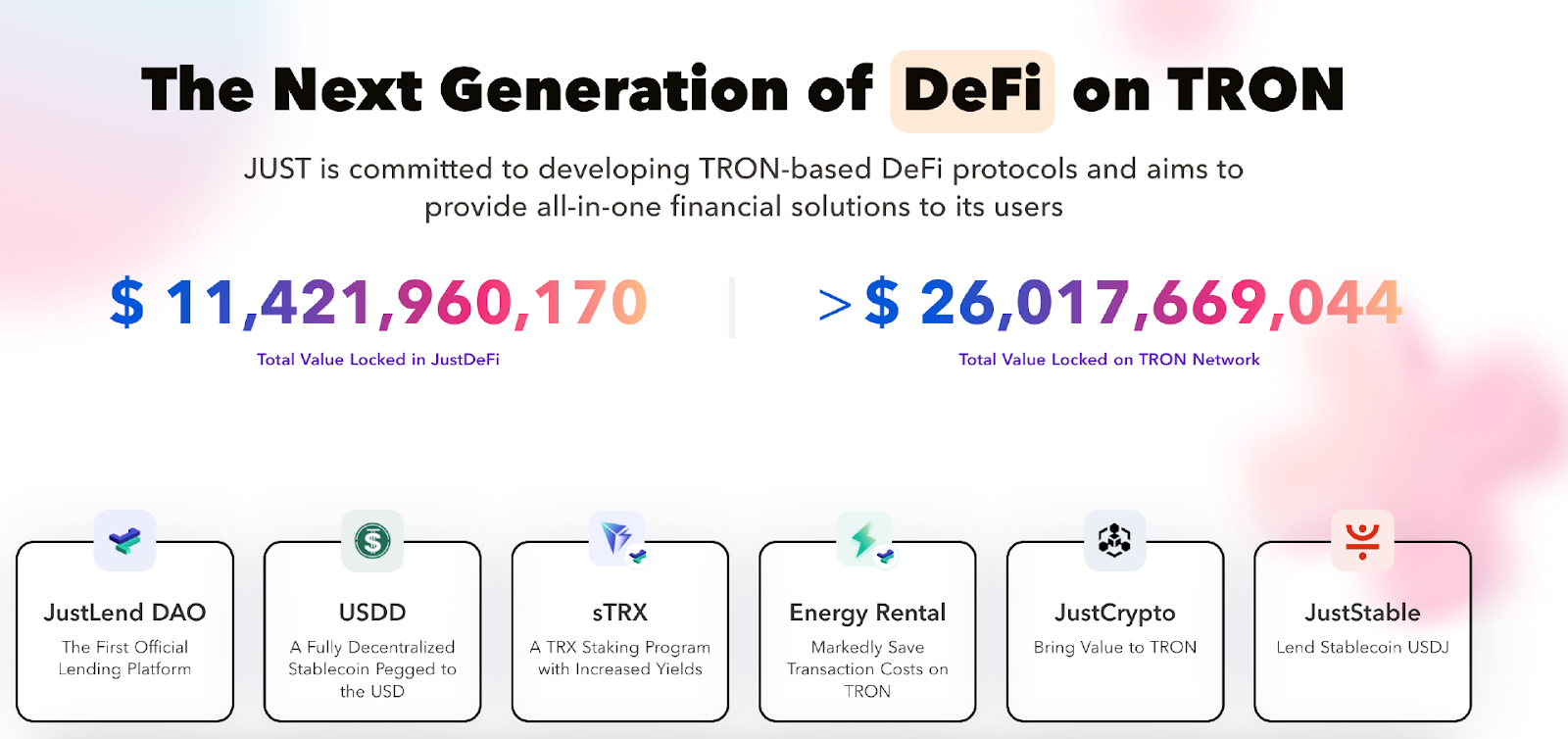
A deep dive into JustLend DAO's Q4 2025 performance reveals clear growth trajectories. First, as the flagship lending protocol of the JUST ecosystem, JustLend DAO benefits from the continuous improvement of the TRON infrastructure, with its Total Value Locked (TVL) breaking through the $7.08 billion mark in the fourth quarter, consistently ranking among the top three in the lending market, and the lending activity in its SBM market also climbed to a new cycle high.

It is worth noting that the source of the $10,340,249 in retained earnings, which forms a significant part of this buyback fund, can be traced back to the revenue generated from the reserve capital deposited into the SBM USDT market during the first JST buyback. The增值 process of this capital is itself the most direct proof of the SBM market's strong profitability. It demonstrates JustLend DAO's sophisticated financial operation model: strategically redeploying ecological profits for regenerative use within the protocol, allowing them to continue "self-generating blood," thereby providing an endogenous, sustainable source of funding for subsequent value returns.

On this basis, JustLend DAO's revenue structure shows a trend of diversification. While the traditional lending market, its fundamental business, maintains steady growth, JustLend DAO has innovatively built a product matrix including sTRX (Staked TRX) and Energy Rental, greatly expanding the boundaries and depth of its value capture.

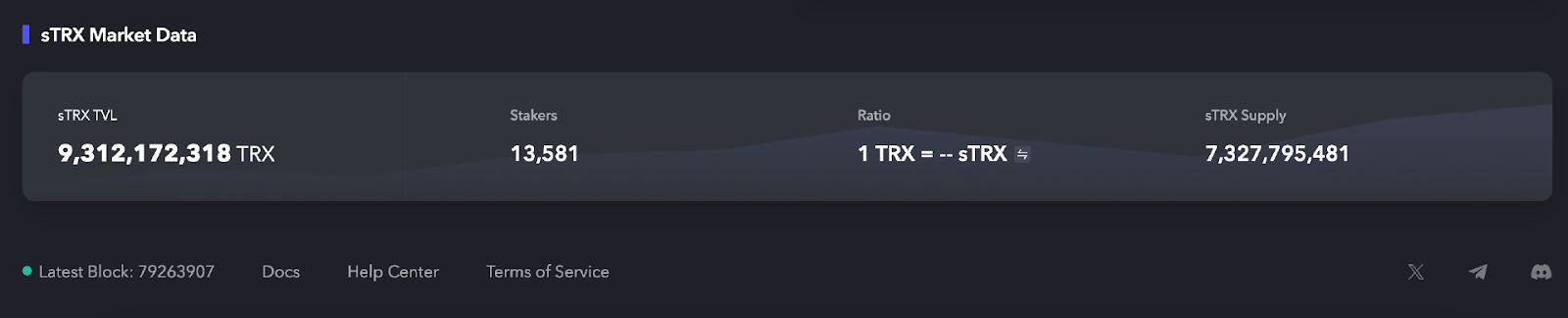
Among these, the sTRX service allows users to stake TRX to earn rewards while still flexibly participating in other DeFi activities. This innovative design significantly improves capital efficiency and user stickiness. As of January 15th, the platform's TRX staking volume has surpassed 9.3 billion tokens. This staggering figure not only reflects the community's high recognition of the sTRX product but also brings considerable and sustainable service revenue.
At the same time, the "Energy Rental" service, designed to reduce user on-chain operation costs, has also demonstrated strong market appeal through active rate optimization. Since September 2025, the base fee rate for this service was significantly reduced from 15% to a more competitive 8%. The fee optimization directly stimulated market demand and transaction frequency, thereby creating steady incremental revenue for the protocol through more active leasing business.

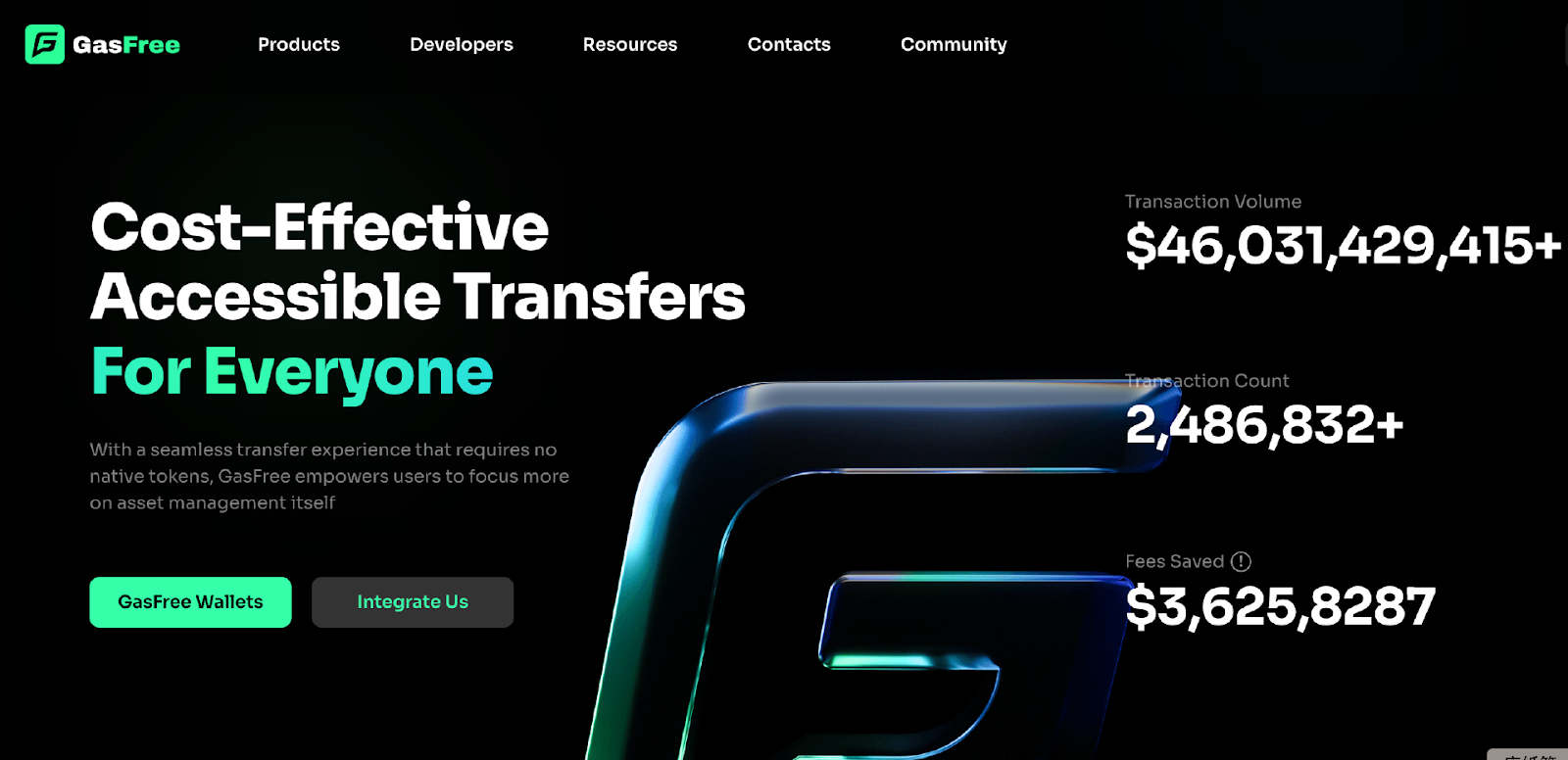
While the core product matrix continues to exert force, JustLend DAO, focusing on lowering the participation barrier for general users, innovatively launched the GasFree smart wallet in March 2025. This feature completely breaks the long-standing barrier for new users of having to pre-hold native tokens (TRX) to pay transaction fees. It allows users to deduct and pay the required network fees directly from the token assets they are transferring (e.g., USDT). This design not only achieves ultimate operational convenience but also fundamentally broadens the accessibility of blockchain finance.

To accelerate the adoption of this innovative feature, JustLend DAO simultaneously launched a highly attractive 90% transfer fee subsidy campaign. With this support, users using the GasFree function for USDT transfers only need to pay an extremely low fee of about 1 USDT. This combined strategy quickly ignited market demand. As of January 15th, the total transaction volume driven by the GasFree smart wallet has surpassed $46 billion. This staggering scale not only validates the market's strong desire for a frictionless transaction experience but also directly saved users a cumulative total of over $36.25 million in network fee costs. This innovation, by significantly reducing actual usage costs and cognitive barriers, has introduced massive incremental users and capital flow into the ecosystem, constituting another strong growth pole for the platform's network effects and revenue potential.
Meanwhile, another funding channel in the buyback and burn plan, the incremental revenue from the USDD multi-chain ecosystem (the portion exceeding $10 million), also constitutes a significant source. USDD, as the core decentralized stablecoin of the TRON ecosystem, has seen fruitful results from its multi-chain expansion strategy. It has been successfully deployed on mainstream public chains like Ethereum and BNB Chain, broadening its application scenarios and user base.

Its ecosystem value recently achieved a milestone breakthrough. On January 14th, USDD's TVL historically broke through the $1 billion mark. This means that in less than two months, USDD's TVL scale achieved an astonishing 100% growth, its expansion speed and market acceptance fully confirming the strong momentum and deep asset appeal of this stablecoin in the multi-chain ecosystem. The rapid growth of its TVL and the continued prosperity of its ecosystem significantly enhance the potential scale of this funding channel, providing an anticipated value source for JST's buyback and burn plans in subsequent quarters.

Through deep integration with various DeFi protocols, USDD not only consolidates its peg stability but also creates continuous value inflow for the entire ecosystem. The inclusion of USDD ecosystem's excess income in the JST buyback and burn plan builds a value closed loop of "stablecoin + lending protocol + governance token". In this model, the expansion and prosperity of USDD and JustLend DAO directly power JST's deflation, while the increase in JST's value in turn enhances the attractiveness and cohesion of the entire TRON DeFi ecosystem, creating a powerful internal synergy and value feedback effect.

Deepening Deflation Mechanism: Revolutionary Reshaping of JST's Value Foundation

In summary, the significance of this buyback and burn extends far beyond mere price support; it is triggering a series of profound structural changes. Most fundamentally, it completes the reshaping of JST's value support logic. JST is no longer merely a "utility token" for paying network fees or participating in governance votes; it has evolved into an "equity asset" directly anchored to the cash flow performance of JustLend DAO, USDD, and associated ecosystems.


Through the buyback and burn mechanism, the profit growth of the ecosystem is continuously injected into the value foundation of the JST token. This makes holding JST equivalent to holding an equity certificate that shares in the future profit growth of the ecosystem. On January 8th, CoinMarketCap data showed that JST market cap historically broke through the $400 million mark. This is not just a numerical leap but substantial market recognition of its new positioning. Along with the rising market cap came increased fund activity. On January 8th, its 24-hour trading volume significantly increased by 21.92%, reaching $31.49 million, and its price had also risen steadily by 10.82% over the past month, with a daily increase of 3.1%.

The synchronous expansion of trading volume and market cap at key junctures is not accidental market fluctuation but a clear "vote of confidence" from capital in response to the positive fundamentals of the JUST ecosystem, particularly the profitability and value return mechanism demonstrated by the buyback and burn.

Secondly, the JST buyback and burn also brings substantial增值 in governance power. As the total token supply is irreversibly reduced, the governance weight in the protocol represented by each remaining JST in the market will increase accordingly. This means long-term holders not only enjoy the economic benefits of value appreciation but also see their voice in key community decisions (such as parameter adjustments, new product launches, treasury fund usage, etc.) amplified simultaneously. This design deeply binds the interests of core community members to the long-term success of the protocol, greatly enhancing community stability and sense of participation.

From a broader industry perspective, JST's buyback and burn practice provides a clear, referable new paradigm for token economics in the DeFi field. Removing 10.96% of the total supply through two burns in a very short time not only demonstrates efficient execution but, more profoundly, deeply binds the protocol's financial success to the interests of token holders, thereby setting a benchmark for a virtuous cycle of "value creation - value return".

This model fundamentally shifts the old logic of token value relying on speculative narratives towards a sustainable path driven by the protocol's fundamental cash flow, providing a solid and credible case study for the industry on how to build economic models with substantial value support.

Looking ahead, with quarterly JST buyback and burn becoming the norm, a clear, predictable deflation path has been laid out. The scarcity of JST will be a certain narrative that strengthens over time. Each quarterly report disclosure and the subsequent burn will serve as a catalyst for reassessing its intrinsic value. This burn is not an endpoint but the beginning of a more magnificent chapter of value accumulation. A value revolution, supported by ecological profits and driven by product synergy, has already pressed the accelerator.


Câu hỏi Liên quan

QWhat was the total amount of JST tokens burned in the second round of JustLend DAO's buyback and burn, and what percentage of the total supply does this represent?

A525,000,000 JST tokens were burned in the second round, representing 5.3% of the total supply.

QWhat are the two main sources of funding for the JST buyback and burn initiative as detailed in the announcement?

AThe two main sources are $10,192,875 from JustLend DAO's net profit in Q4 2025 and $10,340,249 from the project's accumulated reserve earnings.

QWhat significant milestone did the Total Value Locked (TVL) of JustLend DAO achieve in the fourth quarter of 2025?

AJustLend DAO's Total Value Locked (TVL) surpassed $7.08 billion in Q4 2025.

QWhat is the name of the innovative, gas-free smart wallet feature launched by JustLend DAO, and what was the total transaction volume it facilitated by January 15th?

AThe feature is called the GasFree smart wallet, and it had facilitated a total transaction volume exceeding $46 billion by January 15th.

QWhat major milestone did the USDD ecosystem achieve on January 14th, and what does this signify for its growth?

AOn January 14th, the USDD ecosystem's TVL historically broke through the $1 billion mark, signifying a 100% growth in less than two months and demonstrating its rapid expansion and market adoption.

Nội dung Liên quan

Tôi dùng AI tự dựng cho mình một bàn làm việc đầu tư

Trong nửa tháng qua, tôi đã sử dụng Vibe Coding (lập trình bằng ngôn ngữ tự nhiên với AI) để tự xây dựng một bảng điều khiển đầu tư cá nhân, biến những ý tưởng lâu nay thành hiện thực. Tôi đã phát triển bốn công cụ nhỏ: 1. **Bảng điều khiển tài sản đa thị trường:** Tổng hợp tất cả danh mục đầu tư (chứng khoán Mỹ, Crypto, HK, A-share) vào một trang duy nhất, hiển thị tổng tài sản, lãi/lỗ trong ngày, cùng các tính năng giám sát biến động lớn và ghi chú. 2. **Giám sát cá cược thị trường dự đoán (PM):** Tập trung theo dõi các vụ cá cược về sự kiện tương lai (như định giá công ty, sự kiện vĩ mô), so sánh biến động xác suất với tin tức và thị trường thứ cấp để tìm kiếm cơ hội chênh lệch thông tin. 3. **Hệ thống quản lý công việc viết lách:** Một backend đơn giản trên đám mây để quản lý danh sách chủ đề, tiến độ bài viết và ý tưởng. 4. **Công cụ định dạng tự động:** Giúp chuyển đổi bài viết sang các định dạng phù hợp cho nhiều nền tảng khác nhau một cách nhanh chóng. Trải nghiệm này cho thấy AI đang thay đổi cách nghiên cứu đầu tư của người bình thường. Chúng ta không cần phải tạo ra các mô hình phức tạp ngay lập tức, mà có thể từ từ tích lũy các hệ thống cơ bản của riêng mình: * Hệ thống quan sát tài sản. * Hệ thống giám sát tín hiệu thị trường. * Hệ thống sơ đồ mối quan hệ ngành/lĩnh vực. * Hệ thống tổng kết, đánh giá lại quyết định. Sức mạnh của AI và Vibe Coding nằm ở việc cắt giảm đáng kể sự phiền phức trong quá trình thực hiện, cho phép vòng lặp "ý tưởng - hiện thực hóa - sử dụng - phản hồi - chỉnh sửa" diễn ra nhanh chóng, giúp duy trì động lực và không để các ý tưởng bị lãng quên.

marsbit18 phút trước

Tôi dùng AI tự dựng cho mình một bàn làm việc đầu tư

marsbit18 phút trước

Sau khi tài sản được token hóa, làm thế nào để thoát?

Tóm tắt: Bài viết phân tích ba mô hình thanh khoản để giải quyết vấn đề "thoát lệnh" (exit) cho tài sản được mã hóa (RWA), giúp người nắm giữ chuyển đổi thành stablecoin ngay lập tức thay vì chờ đợi quy trình thanh toán cơ bản kéo dài. 1. **Mô hình Bảng cân đối kế toán (Grove Basin):** Một thực thể có vốn mạnh (ví dụ: Sky) dùng bảng cân đối riêng để cung cấp thanh khoản tức thì. Phù hợp với tài sản thanh toán nhanh (ví dụ: trái phiếu kho bạc), nhưng dung lượng bị giới hạn bởi một bảng cân đối duy nhất. 2. **Mô hình Kho chuyên dụng (Upshift Clear):** Mỗi tài sản được hỗ trợ có một kho vốn riêng từ các nhà cung cấp thanh khoản độc lập. Linh hoạt hơn nhưng vốn bị phân mảnh và cô lập theo từng tài sản, kém hiệu quả. 3. **Lớp thanh khoản dùng chung (Symbiotic Liquid Lane):** Một lớp vốn chung từ nhiều nguồn có thể hỗ trợ đồng thời nhiều loại RWA. Vốn không nhàn rỗi mà có thể tạo ra lợi nhuận từ nhiều nguồn (cho vay, phí thoát lệnh). Giá thoát lệnh được xác định qua thị trường RFQ cạnh tranh. Mô hình này nhấn mạnh tính hiệu quả vốn cao, khả năng mở rộng và phù hợp với các tài sản kém thanh khoản hơn như tín dụng riêng. Bài viết kết luận rằng Symbiotic Liquid Lane hướng tới trở thành cơ sở hạ tầng thanh khoản chia sẻ, bền vững cho thị trường RWA, thay vì chỉ là các giải pháp riêng lẻ.

marsbit27 phút trước

Sau khi tài sản được token hóa, làm thế nào để thoát?

marsbit27 phút trước

Sau khi tài sản được token hóa, làm thế nào để thoát lệnh?

**Tóm tắt (Tiếng Việt):** Bài viết phân tích vấn đề "thoát lối" (exit) – cách thức người nắm giữ chuyển đổi tài sản thế giới thực được mã hóa (RWA) trở lại thành tiền mặt thanh khoản – một thách thức quan trọng còn tồn tại trong lĩnh vực token hóa tài sản. Trong khi việc phát hành và chuyển giao token diễn ra ngay lập tức, quy trình thanh toán cơ bản thường kéo dài nhiều ngày hoặc tháng, tạo ra khoảng cách thanh khoản. Ba mô hình kiến trúc thanh khoản tức thời nổi bật đang được phát triển, với sự khác biệt cốt lõi về cấu trúc vốn và cơ chế giải quyết: 1. **Mô hình Bảng cân đối kế toán (Ví dụ: Grove Basin):** Một thực thể duy nhất (ví dụ: Sky) dùng vốn từ bảng cân đối của chính mình để cung cấp thanh khoản ngay lập tức cho người nắm giữ, sau đó tự xử lý việc thanh toán cơ bản. Mô hình này đơn giản và hiệu quả cho tài sản có kỳ hạn ngắn (như trái phiếu kho bạc) nhưng bị giới hạn bởi quy mô của một bảng cân đối kế toán duy nhất. 2. **Mô hình Kho tiền chuyên dụng cho từng tài sản (Ví dụ: Upshift Clear):** Các nhà cung cấp thanh khoản độc lập (LP) cung cấp vốn vào các kho tiền riêng biệt, mỗi kho chỉ hỗ trợ một loại tài sản RWA cụ thể. Mô hình này mở rộng nguồn vốn ra các LP nhưng dẫn đến việc phân mảnh vốn, kém hiệu quả vì mỗi tài sản mới cần một nhóm vốn riêng. 3. **Mô hình Tầng thanh khoản dùng chung (Ví dụ: Symbiotic Liquid Lane):** Đây là mô hình được giới thiệu là tiến bộ hơn. Một nhóm vốn chung từ các kho tiền có thể hỗ trợ đồng thời nhiều loại tài sản RWA khác nhau. Vốn này không nhàn rỗi mà liên tục tạo ra lợi nhuận từ nhiều nguồn (cho vay, phí,...) trong thời gian chờ nhu cầu rút tiền. Khi có yêu cầu "thoát lối", một thị trường RFQ mở cho phép các nhà tạo lập thị trường cạnh tranh để định giá và xử lý giao dịch ngay lập tức trên chuỗi. Bài viết kết luận rằng mô hình tầng thanh khoản dùng chung như Liquid Lane hướng tới việc trở thành cơ sở hạ tầng bền vững cho thị trường RWA, với ưu điểm vượt trội về hiệu quả vốn (một khoản tiền gửi phục vụ nhiều mục đích), khả năng mở rộng (dung lượng tăng khi nhiều người tham gia) và tính linh hoạt, từ đó có thể hỗ trợ đắc lực cho các tài sản kém thanh khoản hơn như tín dụng tư nhân hay bất động sản.

链捕手42 phút trước

Sau khi tài sản được token hóa, làm thế nào để thoát lệnh?

链捕手42 phút trước

Ba khoảnh khắc của Anthropic: Rò rỉ mã nguồn, đối đầu chính phủ và vũ khí hóa

Tác giả Ben Thompson phân tích ba khía cạnh then chốt xoay quanh Anthropic sau sự kiện mô hình Fable (phiên bản an toàn hóa của Mythos) bị chính phủ Mỹ đình chỉ truy cập chỉ hai tháng sau khi ra mắt. Thứ nhất là cuộc đối đầu với chính phủ: Lệnh cấm xuất khẩu dựa trên lo ngại an ninh quốc gia về khả năng bị "vượt rào" (jailbreak) của Fable, dù Anthropic cho rằng đây là hiểu lầm. Điều này phản ánh mâu thuẫn không thể tránh khỏi giữa phòng thí nghiệm AI tiên phong và cơ quan quản lý. Thứ hai là sự cần thiết về kinh tế và dữ liệu: Để tồn tại và tránh bị các mô hình mã nguồn mở hàng hóa hóa, các công ty như Anthropic buộc phải tiến gần hơn đến điểm tiếp xúc người dùng và thu thập dữ liệu sử dụng thực tế để cải thiện mô hình. Việc Anthropic thay đổi chính sách, lưu giữ mọi dữ liệu người dùng Fable trong 30 ngày, cho thấy động lực này. Thứ ba là yêu sách quyền lực và "tường thuật an toàn": Bài viết chỉ ra rằng các hành động và chính sách của Anthropic (như ban đầu giảm hiệu suất mô hình với các yêu cầu phát triển LLM cạnh tranh) thường được biện minh bằng lý do an toàn, phù hợp với câu chuyện sáng lập của công ty. Sự nhất quán giữa sứ mệnh, con người và hoạt động kinh doanh này mang lại cho Anthropic lợi thế, nhưng cũng đáng lo ngại khi một công ty tin rằng chỉ họ mới đủ khả năng và đạo đức để kiểm soát AI mạnh mẽ, một công cụ có tiềm năng thay thế phần mềm và nắm giữ quyền lực to lớn. Tác giả so sánh sự nhất quán này với Apple, nhưng bày tỏ lo ngại về hậu quả khi những người tự cho mình biết rõ nhất nên làm gì cho nhân loại lại xây dựng một siêu trí tuệ tiềm năng.

marsbit53 phút trước

Ba khoảnh khắc của Anthropic: Rò rỉ mã nguồn, đối đầu chính phủ và vũ khí hóa

marsbit53 phút trước

Giao dịch

Giao ngay
Hợp đồng Tương lai

Bài viết Nổi bật

Làm thế nào để Mua DAO

Chào mừng bạn đến với HTX.com! Chúng tôi đã làm cho mua DAO Maker (DAO) trở nên đơn giản và thuận tiện. Làm theo hướng dẫn từng bước của chúng tôi để bắt đầu hành trình tiền kỹ thuật số của bạn.Bước 1: Tạo Tài khoản HTX của BạnSử dụng email hoặc số điện thoại của bạn để đăng ký tài khoản miễn phí trên HTX. Trải nghiệm hành trình đăng ký không rắc rối và mở khóa tất cả tính năng. Nhận Tài khoản của tôiBước 2: Truy cập Mua Crypto và Chọn Phương thức Thanh toán của BạnThẻ Tín dụng/Ghi nợ: Sử dụng Visa hoặc Mastercard của bạn để mua DAO Maker (DAO) ngay lập tức.Số dư: Sử dụng tiền từ số dư tài khoản HTX của bạn để giao dịch liền mạch.Bên thứ ba: Chúng tôi đã thêm những phương thức thanh toán phổ biến như Google Pay và Apple Pay để nâng cao sự tiện lợi.P2P: Giao dịch trực tiếp với người dùng khác trên HTX.Thị trường mua bán phi tập trung (OTC): Chúng tôi cung cấp những dịch vụ được thiết kế riêng và tỷ giá hối đoái cạnh tranh cho nhà giao dịch.Bước 3: Lưu trữ DAO Maker (DAO) của BạnSau khi mua DAO Maker (DAO), lưu trữ trong tài khoản HTX của bạn. Ngoài ra, bạn có thể gửi đi nơi khác qua chuyển khoản blockchain hoặc sử dụng để giao dịch những tiền kỹ thuật số khác.Bước 4: Giao dịch DAO Maker (DAO)Giao dịch DAO Maker (DAO) dễ dàng trên thị trường giao ngay của HTX. Chỉ cần truy cập vào tài khoản của bạn, chọn cặp giao dịch, thực hiện giao dịch và theo dõi trong thời gian thực. Chúng tôi cung cấp trải nghiệm thân thiện với người dùng cho cả người mới bắt đầu và người giao dịch dày dạn kinh nghiệm.

Tổng lượt xem 274Xuất bản vào 2024.12.11Cập nhật vào 2026.06.02

Làm thế nào để Mua DAO

Thảo luận

Chào mừng đến với Cộng đồng HTX. Tại đây, bạn có thể được thông báo về những phát triển nền tảng mới nhất và có quyền truy cập vào thông tin chuyên sâu về thị trường. Ý kiến ​​của người dùng về giá của DAO (DAO) được trình bày dưới đây.

活动图片