# Пов'язані статті щодо Monetary Policy

Центр новин HTX надає останні статті та поглиблений аналіз на тему "Monetary Policy", що охоплює ринкові тренди, оновлення проєктів, технологічні розробки та регуляторну політику в криптоіндустрії.
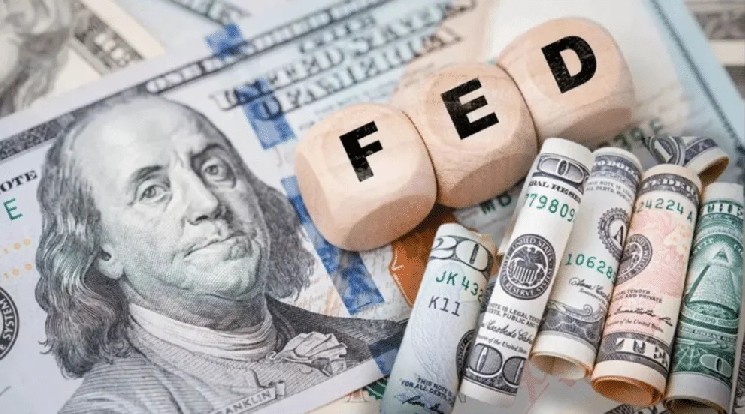

Interest Rate Hike Option Back on the Table, CPI Release Imminent: What Variables Are Markets Focusing On?

The possibility of interest rate hikes is back on the table ahead of the June CPI release. Fed Governor Christopher Waller stated that if upcoming core inflation data remains hot, the FOMC should consider tightening monetary policy soon. His comments, directly linking potential action to the CPI report, caused market expectations for a July rate hike to rise from around 35% to over 40%. This CPI report is critical not for dictating a single meeting's outcome, but for testing the credibility of disinflation. A higher-than-expected core CPI reading would challenge the Fed's ability to remain patient, potentially shifting internal discussions toward more tightening. Conversely, cooler data would allow markets to view Waller's remarks as a warning rather than a policy shift signal. The repricing of rate expectations pressures risk assets like tech stocks and cryptocurrencies (BTC, ETH) by pushing up the discount rate for future cash flows and strengthening the US dollar. The key variable to watch post-CPI is whether the implied probability of a July hike stabilizes above 50%, which would signify a shift from pricing a tail risk to a baseline scenario. The most significant market stress would come from a combination of hot CPI data, a sustained rise in hike probabilities above 50%, and similar hawkish signals from other Fed officials, forcing a broad repricing of the "hiking cycle is over" trade.

marsbit5 год тому

Interest Rate Hike Option Back on the Table, CPI Release Imminent: What Variables Are Markets Focusing On?

marsbit5 год тому

On the Eve of the U.S. Stock Inflation Test, Wall Street Faces the Worst 'Data Deception' in History

On the eve of the US June CPI data release, a stark contradiction is undermining market trust in macroeconomic indicators. Official data, showing May CPI at 4.2% and PCE at 3.4%, paints a picture of manageable inflation pressures. However, the University of Michigan Consumer Sentiment Index hit a record low in May and its second-lowest reading in June across its 50-year history, which includes multiple recessions and crises. This gap highlights a systemic flaw in the current inflation measurement system, as argued by labor economist Kathryn Anne Edwards. The CPI, based on an average "market basket" for a "typical consumer," masks vastly different inflation realities across income and demographic groups. BLS research from 2006-2023 shows the lowest income quintile experienced an annual inflation rate approximately 0.28 percentage points higher than the highest quintile, a cumulative 7.7-point difference. This averaging obscures the true economic pressure distribution from investors and policymakers. Edwards argues the technical barriers to improvement are low. The BLS already collects the necessary price data. Expanding the current three consumer baskets—by factors like household type, income, age, or tenure—would mainly involve re-weighting existing data, a path already demonstrated by BLS's experimental series for seniors and income quintiles. Beyond measurement issues, real economic pressures persist, including slowing hiring, stagnant wage growth, elevated prices, rising credit card debt, high interest rates, and AI's potential labor market impact. These factors explain the deep consumer pessimism. For markets, the key takeaway is to question how well a single aggregate CPI captures the true, differentiated inflation pressures and consumption risks that are critical for understanding the Fed's policy path.

链捕手17 год тому

On the Eve of the U.S. Stock Inflation Test, Wall Street Faces the Worst 'Data Deception' in History

链捕手17 год тому

Opinion: AI Bubble Bursts, Bitcoin and Other Risky Assets Are the First to Be Impacted

BIS Warns AI Investment Boom Could Trigger Market Stress, Impacting Bitcoin First The Bank for International Settlements (BIS) warns that a potential bursting of the "AI bubble" could tighten liquidity and severely impact risk assets like Bitcoin in the near term. Major tech firms are projected to spend over $1 trillion on AI infrastructure in 2025-2026. The BIS cautions that if returns fail to meet expectations, a sudden withdrawal of financing could turn this investment boom into a prolonged bust, creating ripple effects across financial markets. While AI holds long-term economic promise, the current scale and speed of investment, coupled with intense competition and physical bottlenecks (e.g., semiconductors, power grids), mirror historical bubbles. The report highlights that the AI funding web—spanning corporate debt, private credit, and complex vendor agreements—makes systemic risks harder to see. A disappointment in AI adoption could transmit stress through this chain, widening credit spreads and pressuring weaker borrowers. For Bitcoin, the initial reaction to such a market shock would likely be defensive. As liquidity tightens, investors typically sell liquid assets first, and Bitcoin often trades in line with other risk assets during portfolio de-risking. Recent correlations, like Bitcoin's drop following a sharp decline in South Korea's stock market, support this view. However, the longer-term outcome for Bitcoin depends on the policy response. If an AI-driven credit crunch forces central banks to inject liquidity and ease policy eventually, it could reignite Bitcoin's narrative as a hedge against monetary debasement. Yet, traders betting on this outcome may first have to endure significant market volatility and potential price declines.

marsbit06/30 04:38

Opinion: AI Bubble Bursts, Bitcoin and Other Risky Assets Are the First to Be Impacted

marsbit06/30 04:38

Conversation with the Founder of 42 Macro: The Fed's 'Boiling the Frog Slowly' and the K-Shaped Economy

In a conversation with Anthony Pompliano, Darius Dale, founder of 42 Macro, discusses the Federal Reserve's monetary policy and the K-shaped U.S. economy. Dale characterizes new Fed Chair Kevin Warsh as a "dove in hawk's clothing," expecting the Fed to signal or enact policy tightening in the coming quarters to create room for later easing. He argues current economic signals, including high deficit spending, debt monetization, and credit growth, strongly indicate inflation is not on a credible path back to 2%, forcing the Fed to act. The discussion highlights the stark "K-shaped" economic reality. While top earners, buoyed by massive cash savings (up ~$8 trillion since pre-pandemic), continue robust spending, those at the bottom face severe financial strain, with delinquency rates on consumer loans reaching crisis-era highs. Dale attributes much of the current social and political anxiety to this divergence, driven by the "Cantillon effects" of monetary expansion, which disproportionately benefits asset owners. He emphasizes that in this environment of "financial repression," individuals must participate in asset markets to avoid being left behind. On equities, Dale notes a rotation from the "Magnificent Seven" tech giants into broader AI-exposed companies, while warning that the tech giants' massive capital expenditure cycles could eventually puncture over-optimistic cash flow projections. Dale concludes by stressing that the core desire across all economic strata is simply the dignity to provide for one's family, a goal currently undermined by systemic policies that act as a "wealth siphon" from the bottom to the top.

marsbit06/28 05:34

Conversation with the Founder of 42 Macro: The Fed's 'Boiling the Frog Slowly' and the K-Shaped Economy

marsbit06/28 05:34

Stablecoins Becoming the Next Policy Challenge for the Fed's Walsh Version

Fed Governor Christopher Waller's speech at the June 22 conference on the U.S. dollar's international role signifies a notable policy shift: stablecoins like USDT and USDC are now being formally considered as potential channels for transmitting U.S. dollar liquidity globally. With their combined market cap surpassing $250 billion and high transaction volumes, these digital assets are moving from the periphery of crypto policy to the core of monetary system research. The key concern for policymakers is how stablecoin flows interact with traditional dollar infrastructure. Their growth could affect bank deposits, demand for short-term Treasury securities (like T-bills), and global access to dollars, depending on whether demand originates overseas or substitutes for domestic bank balances. Issuers' reserve management—holding assets in banks, money market funds, or Treasuries—links stablecoin activity directly to these core markets. The Fed's research agenda now examines whether stablecoins, by combining payment and balance-holding functions on digital rails, could complicate monetary policy implementation or transmit liquidity stress to banks. While current Treasury holdings by issuers are under 1% of the total market, their concentrated demand could marginally impact yields, especially during periods of stress. Consequently, stablecoins are evolving from mere crypto trading tools into a private-layer dollar transmission system with public policy implications, prompting closer regulatory scrutiny of their reserve robustness, redemption mechanisms, and systemic integration.

marsbit06/26 04:50

Stablecoins Becoming the Next Policy Challenge for the Fed's Walsh Version

marsbit06/26 04:50

活动图片