# Пов'язані статті щодо Monetary Policy

Центр новин HTX надає останні статті та поглиблений аналіз на тему "Monetary Policy", що охоплює ринкові тренди, оновлення проєктів, технологічні розробки та регуляторну політику в криптоіндустрії.
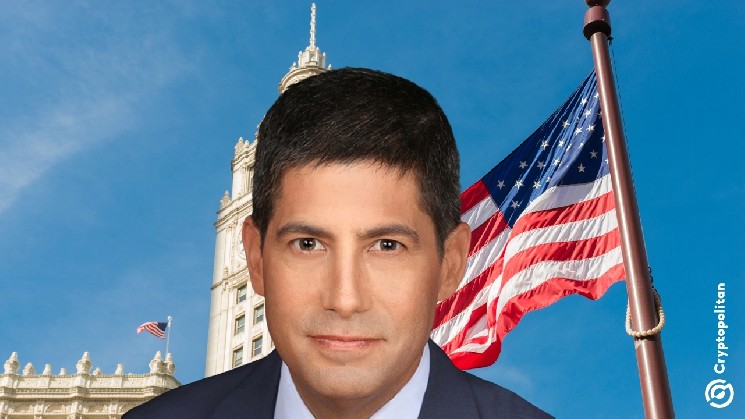
Will the Fed Raise Interest Rates in September? Latest Probability Indicators Here!

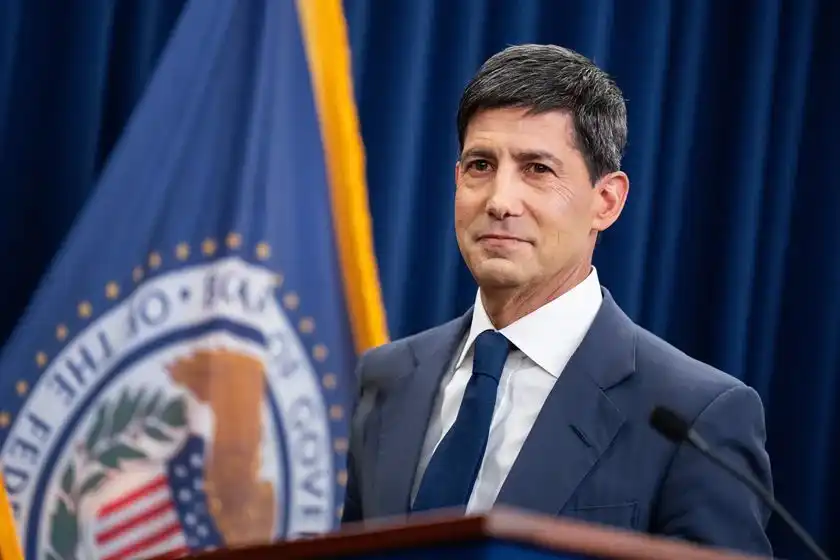
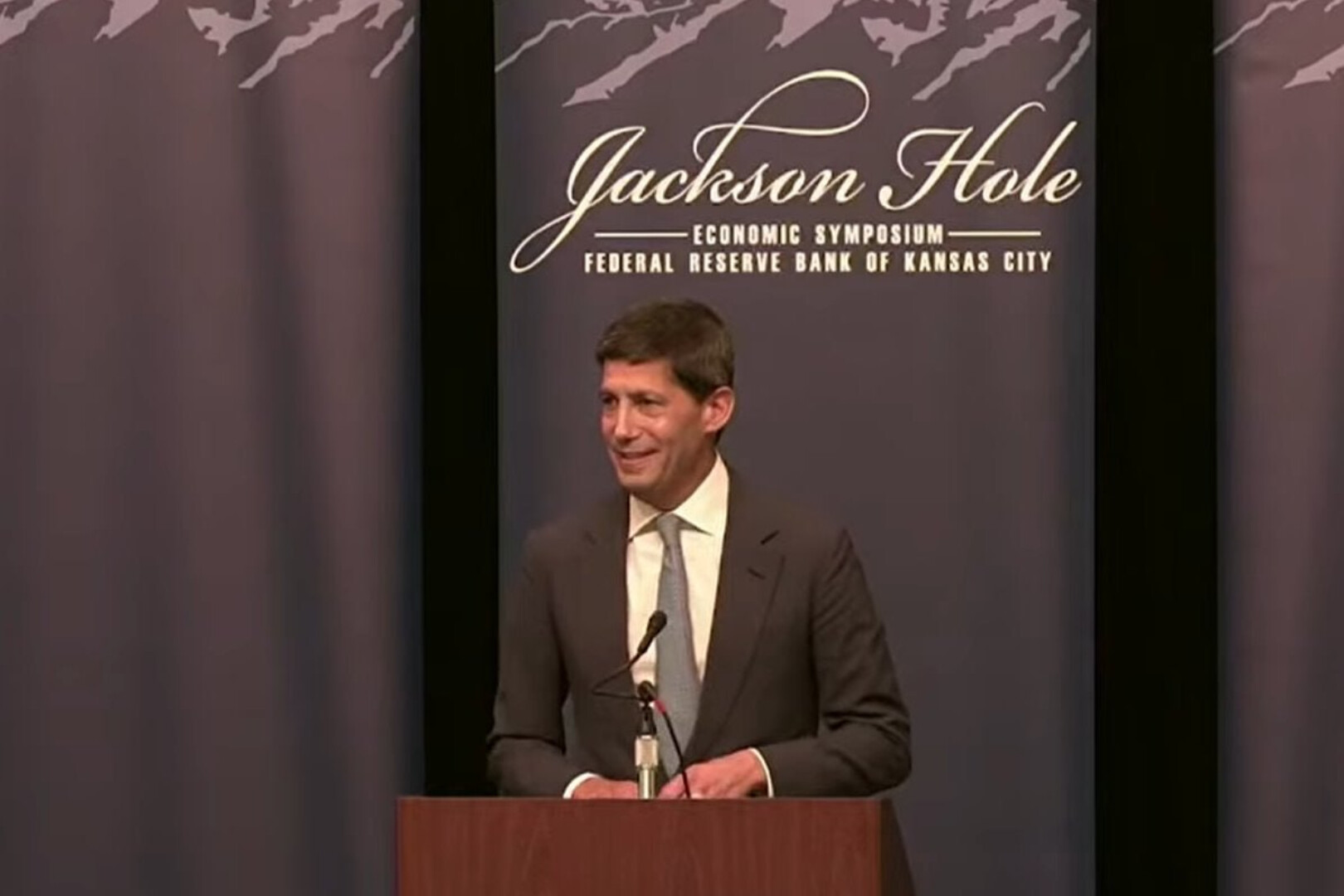
Will the Fed raise interest rates in September? Market expectations have shifted significantly following cautious inflation remarks from Fed Chairman Kevin Warsh. The probability of a September rate hike has surged, with market-implied odds now around 55-56% for an increase, a sharp rise of about 20 basis points in a single day. The likelihood of rates remaining unchanged is approximately 55%, while a 25-basis-point hike is priced at about 46%. Chairman Warsh, speaking at the Jackson Hole symposium, acknowledged some positive summer inflation data but stated it does not indicate a substantial improvement in underlying inflation trends. He emphasized the need for clear and timely progress toward the Fed's inflation target, warning that further policy tightening may be necessary. Following his comments, U.S. Treasury yields rose sharply. The yield on the two-year note, highly sensitive to Fed policy expectations, increased about 8 basis points to 4.31%, reaching its highest level since late July. This surge reflects investor expectations of potential near-term monetary tightening. Key inflation and employment data due in the weeks leading up to the September 16th meeting are seen as crucial for final rate decision expectations. Persistently high inflation could increase the odds of a hike, while a significant slowdown in price pressures might bolster the case for holding rates steady.

cryptonews.ru5 год тому

Will the Fed Raise Interest Rates in September? Latest Probability Indicators Here!

cryptonews.ru5 год тому

Putin's Words on Russia's Future and the Metropolitan's Prayer for Lowering the Central Bank Rate

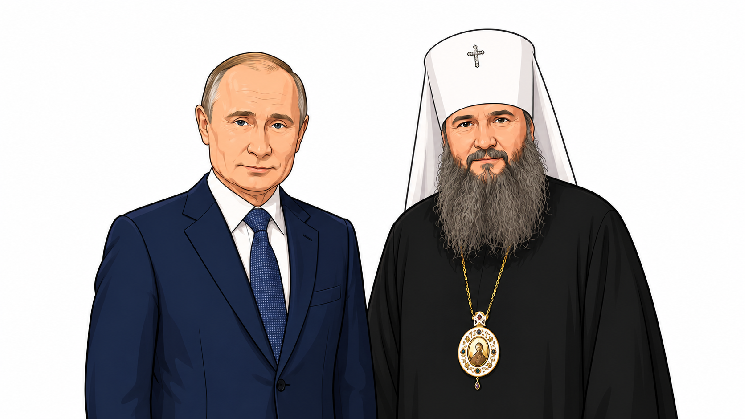
In a speech at the ASI forum in August 2026, Russian President Vladimir Putin stated Russia is fighting for its present and future and the strengthening of its sovereignty, though he did not specify against whom. Concurrently, Metropolitan Evgeniy of Yekaterinburg announced plans to pray for the nation's financial well-being, specifically asking for a reduction in the Central Bank's key interest rate and better mortgage conditions when the relics of Saint Spyridon are brought to the city from September 11-13, 2026. The report notes this coincides with a scheduled Bank of Russia board meeting on the key rate on September 11. It details a list of complaints about the high rate from major business figures and officials in preceding months, including Sberbank's Herman Gref, AEON founder Roman Trotsenko, Rostec head Sergey Chemezov, Finance Minister Anton Siluanov, and the head of Yakutia, Aisen Nikolaev, who all argued it stifles investment and economic growth. From a macroeconomic perspective, the alignment of dates is seen as structural rather than coincidental, reflecting prolonged business sector pressure. The analysis suggests that while public pressure on the formally independent regulator rarely directly changes policy decisions—which are based on inflation targets and lending dynamics—it creates a significant informational backdrop ahead of the key meeting. The question remains whether this symbolic tension will coincide with real economic grounds for policy easing or remain a parallel narrative.

cryptonews.ru12 год тому

Putin's Words on Russia's Future and the Metropolitan's Prayer for Lowering the Central Bank Rate

cryptonews.ru12 год тому

How Does Wall Street View Warsh's Jackson Hole Debut? Hawkish 'Correction' of July Communication; Failure to Hike in September May Further Damage Fed Credibility

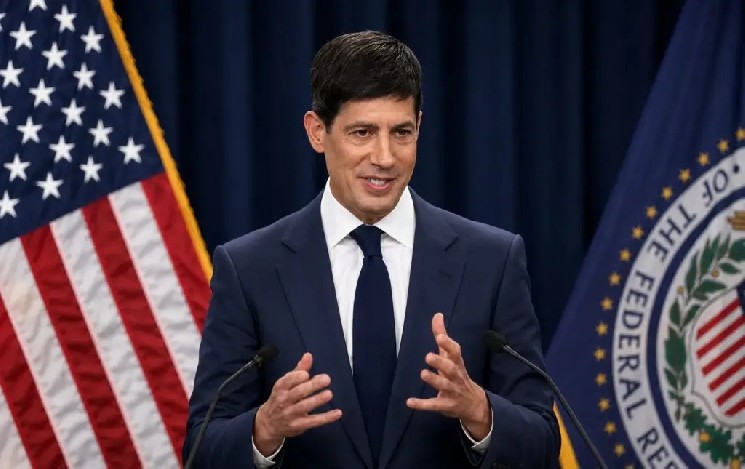
Wall Street widely interpreted Fed Chair Wash's first speech at the Jackson Hole symposium as a "hawkish correction" to the Fed's July FOMC communications. Wash firmly reiterated the Fed's unwavering commitment to the 2% inflation target, indicated that overall financial conditions are not restrictive, and stated that recent positive PCE and CPI data are not enough to show meaningful improvement in underlying inflation trends. He said if confidence is lacking that inflation is falling "clearly and fast enough," the Fed "has more work to do," with Reuters calling it his closest admission yet that another rate hike may be needed. This shifted market focus to the September meeting. JPMorgan's Priya Misra called it a "hawkish speech" that cleaned up July's communication "misstep." Aberdeen's Matthew Amis warned that if the Fed doesn't hike in September, its credibility could take another hit. Barclays and Société Générale now forecast 25-basis-point hikes in September and December, with SocGen adding a March hike expectation. However, analysts noted Wash provided principles but no explicit forward guidance. The "new Fed whisperer," Nick Timiraos, observed Wash gave a more hawkish diagnosis but no clear "reaction function." The CME's FedWatch Tool showed the probability of a September hike jumped from about 35% to around 50-60% after the speech. The bond market reaction was telling: short-term yields rose more than long-term yields, indicating traders were repricing near-term rate hikes. In essence, Wash rebuilt a hawkish policy logic: if the economy remains resilient and inflation doesn't fall fast enough, more tightening is possible. The consensus is that he successfully delivered a hawkish reset. While a September hike is now a serious possibility, the final decision will hinge on incoming data, creating a credibility test for the Fed if data doesn't improve and it holds rates steady.

marsbit22 год тому

How Does Wall Street View Warsh's Jackson Hole Debut? Hawkish 'Correction' of July Communication; Failure to Hike in September May Further Damage Fed Credibility

marsbit22 год тому

Warsh's Latest Speech: The Era We Are In

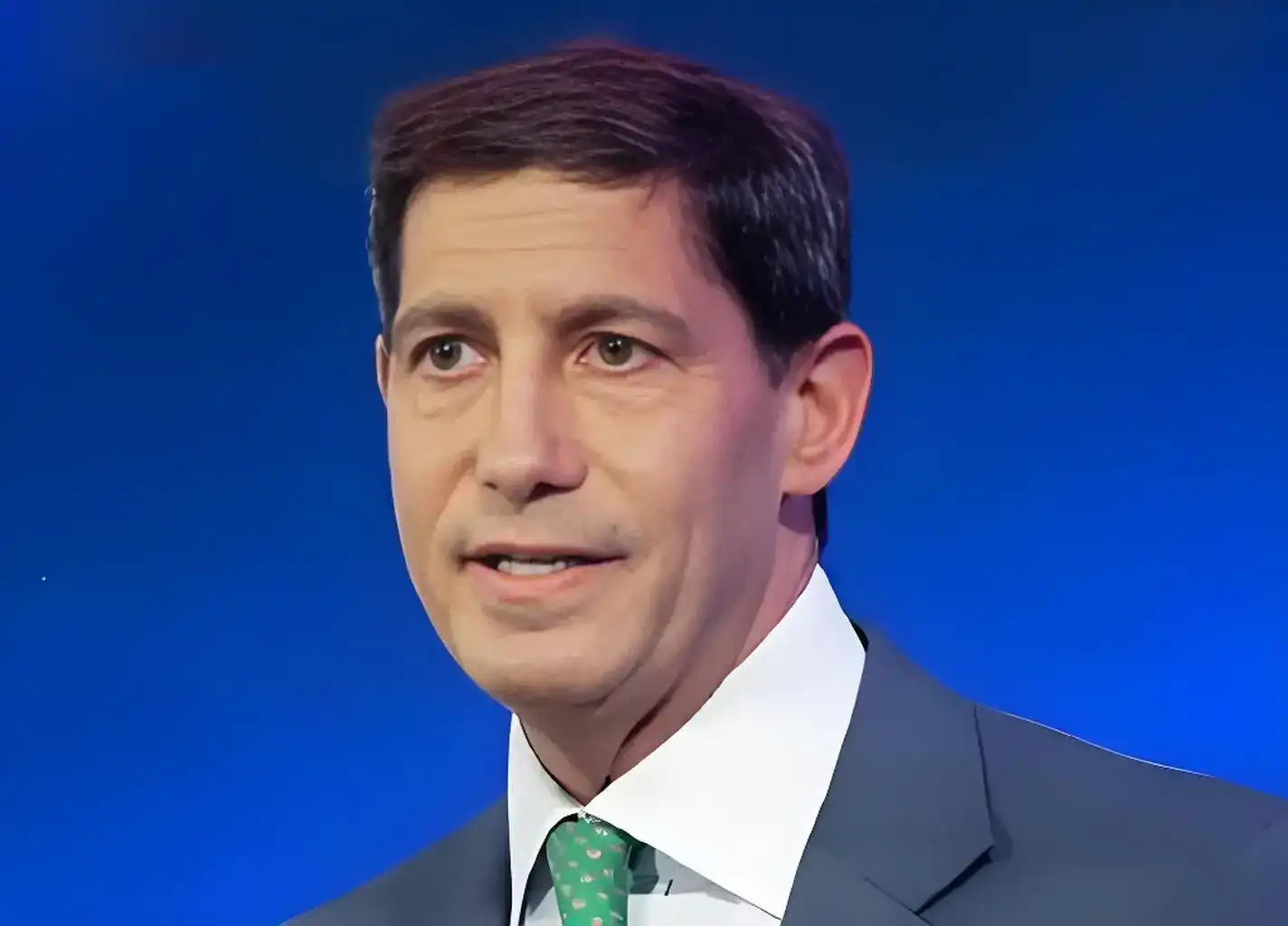
Federal Reserve Chairman Kevin W. Warsh delivered a speech titled "In Our Time" at the Jackson Hole Economic Policy Symposium. The remarks struck a cautiously hawkish tone, with Warsh emphasizing that inflation remains significantly above the Fed's 2% target and should be the primary focus of monetary policy. He expressed that recent, better-than-expected CPI and PCE data do not yet signal a meaningful improvement in the underlying inflation trend. Warsh outlined core principles for monetary policy, including the firm commitment to the 2% inflation target, the importance of both price stability and maximum employment, and the primary role of short-term interest rates as a policy tool. He also stressed the relevance of monetary aggregates and advocated for a Fed that communicates with greater purpose and restraint. A significant portion of the speech addressed the practice of "forward guidance." Warsh argued that while essential during crises, forward guidance should be limited in normal times. He warned that excessive pre-commitment to future policy paths can constrain the Fed's flexibility and create a "hall-of-mirrors" problem, where markets rely too heavily on Fed signals rather than independently assessing economic fundamentals. On the current economy, Warsh noted impressive resilience, strong business investment (partly driven by AI infrastructure), healthy consumer spending, and a stable labor market with low unemployment. However, he observed that broad financial conditions are not particularly restrictive. Despite economic strength, inflation metrics remain elevated, with a high proportion of PCE basket components still showing price increases above 3%. Warsh concluded by stating the Fed's standard: policymakers must be confident that underlying inflation is moving clearly and sufficiently quickly toward the 2% target. Otherwise, "we have more work to do." He framed his approach as a commitment to disciplined policy-making rather than to any specific near-term decision.

marsbit23 год тому

Warsh's Latest Speech: The Era We Are In

marsbit23 год тому

Wash's Jackson Hole Debut: Bidding Farewell to 'Forward Guidance', Reshaping Fed Discipline Amidst the Squeeze Between AI and Inflation

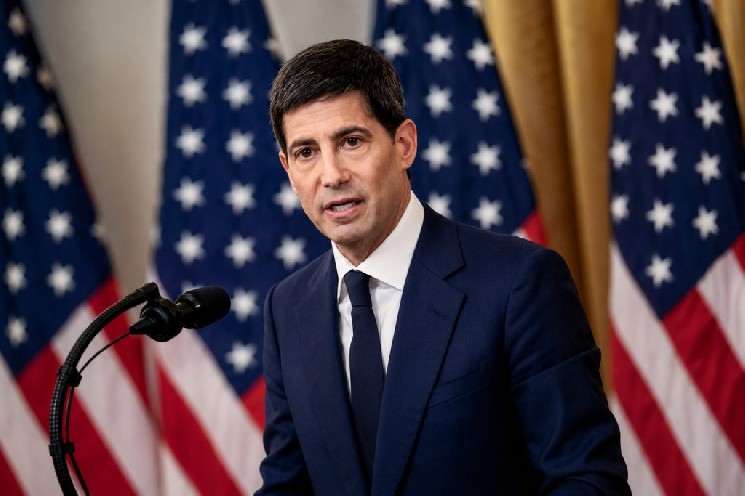
In his first Jackson Hole speech, new Fed Chair Kevin Warsh signaled a significant shift in monetary policy communication. He declared that "forward guidance," a tool heavily used since the financial crisis, has outlived its usefulness in normal times and should be retired. He cautioned that over-reliance on it can distort market signals and constrain the Fed's flexibility. Instead, Warsh emphasized a return to data-dependence and decision-making discipline. Warsh outlined seven key principles to guide policy: anchoring the 2% inflation target, pursuing the employment mandate, using short-term rates as the primary tool, acknowledging the importance of money, and maintaining purposeful, restrained communication. He stressed that policy should focus on trends, not single data points. On the current economic outlook, Warsh noted that the labor market is consistent with full employment but inflation remains "far above" the Fed's target. He highlighted that over half of the PCE basket's components are still rising above 3% annually. While acknowledging AI's transformative potential for productivity and capital allocation, he admitted its full economic impact remains uncertain and is not a factor in current policy decisions. His core message was a commitment to policy discipline rather than pre-set decisions. Warsh stated the Fed's primary focus must be on restoring price stability, vowing, "We still have work to do," until there is clear evidence inflation is moving decisively toward 2%. He concluded by framing effective monetary policy as crucial for economic prosperity and U.S. global leadership.

Odaily星球日报Вчора 14:52

Wash's Jackson Hole Debut: Bidding Farewell to 'Forward Guidance', Reshaping Fed Discipline Amidst the Squeeze Between AI and Inflation

Odaily星球日报Вчора 14:52

活动图片