Автор: Ян Гэри
8 июня 2026 года, написано в Сингапуре
Часы эволюции ИИ постоянно ускоряются после вспышки сингулярности, что привело к быстрому формированию новых цивилизационных поколений в разных регионах мира. За последние два месяца я принял участие в более чем 20 мероприятиях, связанных с ИИ, в более чем десяти городах мира, и только Stripe Sessions в центре Сан-Франциско в конце апреля превзошли все остальные темы, продемонстрировав ошеломляющий разрыв поколений. В то время как весь мир устал от однопользовательского узкого места Claws & Agents, Кремниевая долина и Сан-Франциско уже перешли в следующее измерение в управлении агентской экономикой и эпистемологией агентов, конкуренция в Q3-Q4 2026 года по-прежнему чрезвычайно интенсивна, а кривая развития очень крута.
1. Конкуренция в AI Payment и узкие места экономики H2A
В Q1 2026 года мы предсказали, что в апреле-мае во многих регионах мира начнется ожесточенная конкуренция за AI Agent Payment, которая быстро обострится. Потребность в обмене стоимостью между агентами начала проявляться, и быстрое развитие AI Payment также подтвердилось во втором квартале. После x402 в Q2 быстро появились MPP и другие AI Payment Protocol. Не только традиционные и крипто-финансовые платежные компании ускорили модернизацию с помощью ИИ, но даже крупные компании (особенно Google) и даже старые ИТ-компании (такие как IBM) ринулись в эту гонку, надеясь захватить право голоса в мире агентов.
В день Stripe Sessions в Сан-Франциско я обсуждал с несколькими техническими руководителями ведущих AI-компаний вопросы стандартизации и применения Payment Protocol. Результаты были ожидаемыми, но не совсем удовлетворительными: 1) Никто не может установить стандарт, только в процессе захвата рынка постепенно формируется консенсусный стандарт; 2) Большинство полностью согласны, что Crypto — это неизбежность для AI Payment Protocol, но стартуют с Fiat API, отчасти по инерции, но больше из-за регуляторных препятствий; 3) KYC — это и непреодолимый барьер, и нечто, противоположное Agent Native; 4) Все говорят об A2A (Agent to Agent), но все делают H2A (Human to Agent).
На самом деле, во втором квартале 2026 года многие крупные и средние компании в Кремниевой долине очень похожи на компании в Восточной Азии. Даже большинство глав департаментов компаний из Magnificent Seven все еще преследуют коммерческие цели B2B/B2C, пытаясь пропиариться на теме AI Payment и Agent Economy, устанавливая KPI для среднего и младшего персонала, ориентированные на пользователей-людей. Это неизбежно привело к временной неортодоксальности текущих Payment Protocol и экономики A2A. Эта тенденция, ориентированная на H2A, быстро наткнулась на узкие места уже во втором квартале. Причина проста: ключевая особенность AI Agent — способность принимать решения, однако бизнес B2B/B2C, развившийся в эпоху интернета, и экономика H2A по своей сути основаны на принятии решений людьми. Использование Agent для помощи людям в совершении фиатных платежей в традиционных сценариях электронной коммерции по своей логической цепочке изначально является Non-AI-Native, поэтому на данном этапе его ценность как хайпа пока больше, чем практическая польза.
Однако, с другой стороны, H2A действительно сыграла очень хорошую роль катализатора, стимулировав переход к размышлениям о следующем этапе AI-Native и автономной экономики агентов. К концу Q2 2026 некоторые умные компании осознали это и начали «открыто строить дорогу, а втихомолку пробираться тропой» — использовать мышление AI-Native агентской экономики для переосмысления проблемы и обратного проектирования интерфейсов текущей экономики H2A как лучшего способа получения ценности в Q2-Q3.
2. Агентская экономика и неизбежная тенденция к экосистеме A2A
Агентская экономика — это новая экономическая система, в которой автономные (самоуправляемые) AI Agent непосредственно участвуют в создании стоимости, обмене стоимостью и капитализации стоимости, постепенно становясь независимыми экономическими субъектами.
Экосистема A2A — это общая картина экономической активности, в которой различные Agents в агентской экономике взаимодействуют друг с другом, осуществляют обмен (информацией) и обмен (стоимостью), формируя конкурентно-кооперативную экономическую ценность.
В Q2 2026 года многие ведущие венчурные фонды мира заявили о важности инвестиций в агентскую экономику и экосистему A2A, даже определив это как единственное важное направление инвестиций на следующем этапе.
Подобно периоду подготовки к интернет-коммерции в 2007 году, мобильному интернету в 2013 году и крипто DeFi в 2019 году, создание агентской экономики и экосистемы A2A также требует технологических стандартов, экономических правил, формирования консенсуса и просвещения рынка. На основе схожей парадигмы различия заключаются в следующем: 1) На этот раз скорость итераций базовых технологий выше; 2) Перспектива «для агентов» отличается от B2B/B2C, она не полностью основана на точке зрения и потребностях человека, более абстрактна, сложна для понимания, требует опоры на принципы первой природы, больше требует мышления с точки зрения AI-Native о проблемах энергетической ценности и эффективности работы; 3) Из-за конфликта первых двух пунктов, плюс предубеждений в разных регионах и регуляторных факторов, краткосрочный консенсус достичь сложнее. Ужасная вещь в том, что скорость эволюции ИИ не замедлится из-за вышеупомянутых проблем. Это означает, что формирование агентской экономики и экосистемы A2A по сути уже постепенно выходит за рамки правил и требований, установленных человеком. Для них это в основном вопрос преодоления нескольких количественно измеримых узких мест.
Это игра с быстро смещающимся равновесием. Быстрый взрыв AI Protocol во втором квартале 2026 года полностью подтверждает это. Крупные компании и передовые лаборатории (Frontier Labs) борются за входные правила AI Agent, формируется первоначальная инфраструктура агентской экономики, подобно черновому варианту законов Хаммурапи. Равновесие в традиционных финансах и бизнесе будет быстро разрушено и переформировано в ходе этого сдвига парадигмы. Тот, кто сможет быстро понять мышление, основанное на Protocol, в парадигме AI-Native, и реализовать его, получив дифференцированное преимущество, сможет получить свою долю ИИ-пирога в этой игре со смещением равновесия.
3. Связь, пропасть и политико-экономические факторы между AI Protocol и Crypto Protocol
AI Protocol — это инфраструктура для участия AI Agent в агентской экономике, а также основные правила, стандарты и механизмы консенсуса, которые позволяют Agent обнаруживать, общаться, обмениваться и сотрудничать в экономической деятельности в Open Network. Проще говоря, это правила управления и экономическое право мира ИИ.
С конца Q1 2026 года я начал работу над написанием AI Protocol. Сначала это было похоже на то, как первобытный человек с опытом охоты внезапно оказался в современном обществе, участвуя в разработке коммерческих правил. Пока я не встретил одного топ-менеджера Google, который помог мне и моей команде быстро встать на верный путь. Формирование и созревание AI Protocol несет в себе инерцию восприятия интернет-гигантов, но в то же время должно следовать принципам первой природы будущей экосистемы ИИ.
Форма инкапсуляции AI Protocol до сих пор очень неоднородна. Обычно это файловые форматы (.json, .ts, .txt), CLI-интерфейсы, а также API или SDK. Это сильно отличается от Crypto Protocol. С одной стороны, на начальной стадии развития ИИ многие стандарты надежного рукопожатия для коммуникации еще не установлены; с другой стороны, содержание, которым обмениваются AI Protocol и Crypto Protocol на данном этапе, различно: первое — это разница в информации, возможностях и вычислительной мощности, границы которой пока неясны, но которую необходимо обменивать, а второе — это относительно четко определенные права на активы, права собственности и права управления.
Возникает острый и очевидный вопрос: являются ли AI Protocol и Crypto Protocol одним и тем же? Будут ли они в будущем сливаться воедино? Я пока не могу математически доказать эту гипотезу, но интуитивно они определенно будут постепенно сливаться, и большая их часть перекрытся, образуя зрелую систему Digital Protocol.
Есть более глубокая скрытая проблема: AI Protocol на текущем этапе больше склонны к установлению связи для взаимодействия и сотрудничества, ослабляя финансовые управленческие полномочия и размывая границы. Это прямо противоположно концепции Crypto Protocol, основанной на установлении прав и определении стоимости. Пропасть настолько очевидна, что можно подумать, что это две разные философии. Помимо поверхностного фактора, заключающегося в том, что экономика AI Agent находится на начальной стадии развития с точкой входа, отличной от Crypto Protocol, существуют ли еще какие-либо скрытые факторы для этого явления?
Да, совершенно четко, политико-экономические факторы. Основные экономики и регионы мира из-за традиционной финансовой и правовой регуляторной базы сильно влияют на эту проблему пропасти. Другими словами, текущие AI Protocol и агентская экономика по-прежнему осуществляют производственную деятельность в рамках старой парадигмы человеческого общества. Все протоколы, связанные с деньгами и управлением, пассивно избегаются или временно ослабляются и компенсируются привычными рамками управления традиционной финансовой и правовой систем (Примечание 1). Однако по мере накопления энергии различий в пропасти, в сравнении с экспоненциальным развитием ИИ, скоро возникнет непримиримая ситуация, как я резюмировал на одной из встреч в Cambridge CJBS в прошлом месяце:
«AI Agent не будут мыслить по инерции человеческого общества, и у них нет мотивации следовать регуляторным привычкам традиционных финансов. В течение следующего десятилетия большая часть глобального финансового законодательства станет недействительной или столкнется с серьезными проблемами, потому что AI Agent следуют только:
1. Принципам первой природы
2. Принципу кратчайшего пути энергетической ценности и принципу максимальной эффективности
3. Эффективному KYA, а не KYC, соответствующему прошлым представлениям о прекрасном»
Тенденция слияния AI Protocol с Crypto Protocol имеет неизбежность, основанную на принципах первой природы.
4. AI Agent субмикроэкономика и аналогия с биологической парадигмой
AI Agent субмикроэкономика — это описание, которое я впервые использовал во время обсуждения с другом-экспертом по ИИ в Оксфорде некоторое время назад, и в последние две недели оно все чаще появлялось в наших обсуждениях с партнерами.
Независимо от того, как называется текущая тенденция — экономика ИИ или агентская экономика, мы обнаруживаем, что их поведенческие характеристики несколько отличаются от характеристик человеческой экономики. Хотя существует определенная аналогия парадигм, они не совсем одинаковы. Ниже я кратко приведу некоторые отличия экономики AI Agent от экономики человеческого общества:
1. Частота взаимодействий и транзакций AI Agent выше, а сумма отдельной транзакции ниже;
2. Потребление и обмен экономической ценностью AI Agent более непосредственно направлены на энергию;
3. Решения AI Agent основаны на эффективности, а не на эмоциях;
4. Экономическое поведение AI Agent ориентировано на задачи, а не на потребление;
5. Организационные и предельные издержки обучения AI Agent стремятся к нулю;
6. Консенсус в отношении ценности AI Agent основан на протоколах связи, издержки на коммуникационное трение практически равны нулю;
7. Минимальная экономическая единица и минимальная единица стоимости в экономике AI Agent отличаются, что можно аналогично провести с биологией.
Фактически, это лишь некоторые различия, которые можно увидеть или предвидеть на данный момент. В процессе развития и производных продуктов ИИ в будущем обязательно появится больше различий.
Последний пункт из вышеперечисленных различий, аналогия с биологией, является наиболее полезной базовой идеей для нашего бизнес-развития со второго квартала 2026 года, а также наиболее эффективной моделью для размышлений о продуктах, рынке и методах управления в коммерциализации AI-компаний. Конкретная аналогия следующая:
1. LLM как движущее ядро мышления Agent аналогично клеточному ядру;
2. Agent Harness обеспечивает дифференциацию возможностей выполнения Agent, аналогично цитоплазме;
3. Agent в целом — это управляющая единица с независимой способностью выполнять задачи, обладающая субъектностью и функциональной специфичностью, аналогично клетке;
4. Граница информационной коммуникации Agent обычно представляет собой стек сетевых протоколов, аналогично липидному бислою клеточной мембраны, допускающему условный проход веществ;
5. Система ценности и среда за пределами Agent, такие как Skills, Prompt, Algorithm, Cli, а также все чаще появляющиеся Composite Skills, Skill Factories и т.д., аналогичны внеклеточной среде, включая внеклеточные везикулы (экзосомы), тканевую жидкость, внеклеточный матрикс, обмениваемые питательные вещества и различные метаболические среды.
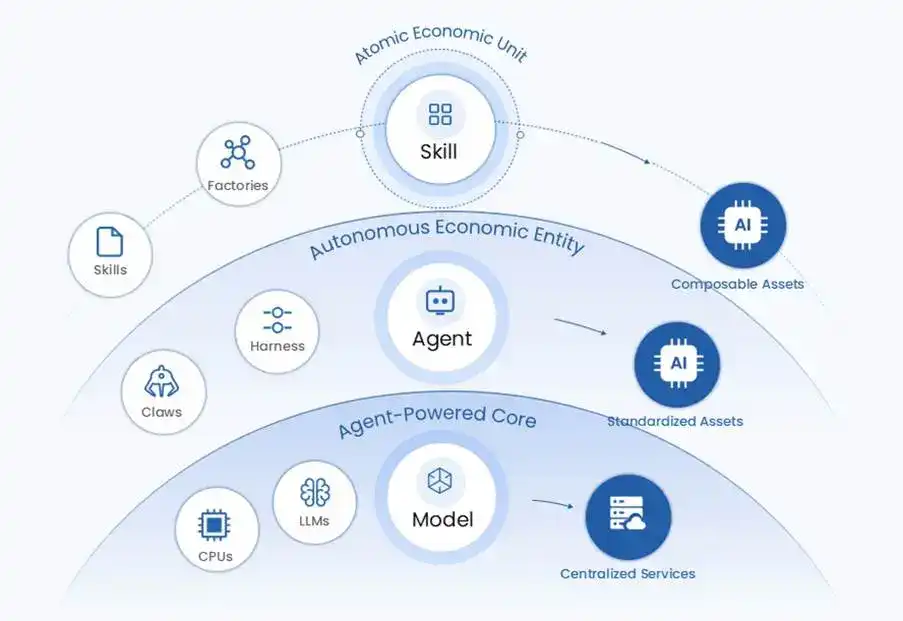
В процессе итераций развития в Q1-Q2 2026 года AI Agent постепенно формируют более четкие границы, более четкую субъектность и более четкие принципы обмена информацией, стоимостью и энергией. Формируется среда AI Agent субмикроэкономики, аналогичная среде биологического организма. В этом заключена огромная ценность ИИ и экономическая ценность, которую можно извлечь. AI Protocol и AI Finance — неизбежная тенденция к взрывному росту.
5. Неизбежность AIFi и экономическое значение финансового чипа FinChip
С прошлого года мы начали размышлять и работать над направлением AIFi (искусственный интеллект в финансах), и к концу Q1 2026 концепция AIFi сформировалась как четкая тенденция. Если дать AIFi относительно четкое определение, то это может быть: финансовая система и инфраструктура для обмена, торговли и капитализации, которые формируются после идентификации и токенизации AI-нативной стоимости в агентской экономике.
Самая большая разница между AIFi, DeFi и TradFi заключается в том, что в DeFi и TradFi стоимость заключена в Fi (Finance), а Decentralized и Traditional — это формы стоимости; в AIFi все наоборот — стоимость заключена в AI, а Fi становится формой стоимости. Это не просто игра слов, а результат развития ИИ от количественных к качественным изменениям.
Проще говоря, раньше ИИ служил количественным стратегиям, финансовым продуктам и производственным процессам, он был лишь инструментом разработки для извлечения финансовой и производственной стоимости; теперь же способность AI Agent принимать решения переносит возможность и право обнаружения стоимости из рук людей и компаний к Agent. Субъект экономической единицы изменился, поэтому и субъект стоимости изменился по своей сути.
В такой тенденции построение инфраструктуры для новой системы стоимости станет важной задачей. В предыдущей статье в феврале этого года я впервые ввел концепцию финансового чипа (FinChip) и упомянул, что сверхинтеллектуальные финансовые активы, объединяющие AI Agent и Crypto Smart Contract, действительно подойдут для развития экономики AI Agent следующей эпохи. После 3 месяцев итераций и обновлений FinChip.AI уже обладает первоначальной независимой системой AIFi с AI Autonomous + Crypto Protocol, совместимой как со средой H2A, так и A2A; создание инфраструктуры для экономики AI Agent в Open Network и постепенное формирование AI-финансовой стоимости — важное экономическое значение FinChip.
6. AI-Native — это смена парадигмы, отличная от «интернет+»
Будь то AIFi, принципы финансовых цепей (Примечание 2) или финансовый чип FinChip, самое важное — нативно объединить фундаментальные принципы AI, Crypto и Finance, чтобы сформировать разумную с точки зрения будущего систему стоимости и механизм управления. Мышление AI-Native — это абстрактная и неинтуитивная логика на данном этапе. Как упоминалось ранее, «ИИ следует принципам первой природы, а также принципу кратчайшего пути энергетической ценности и принципу максимальной эффективности». Именно это является самой важной и сложной задачей при построении новых бизнес-парадигм на текущем этапе.
В начале этого раунда обновлений ИИ, вызванного OpenClaw в феврале, я и несколько предпринимателей обсуждали прогноз: обновление компаний по модели «AI+» будет кардинально отличаться от обновления по модели «интернет+».
Поскольку ИИ обладает такими характеристиками, как высокая скорость развития, абстрактная форма и более глубокая связь с процессами, в течение длительного времени (например, как минимум 2 года) будет трудно сформировать эффективную методологию инструментов отраслевого обновления или универсальные профессиональные консультационные рекомендации. Давление крутой кривой развития будет сохраняться, что представляет собой огромную проблему для всех ученых, инженеров и предпринимателей. Процесс смены парадигмы также будет полностью отличаться от любого исторического опыта.
Примечание1: Это общий исторический закон. Новые производительные силы рождаются в производственных отношениях предыдущей эпохи, на начальном этапе сначала развиваются в соответствии с прежними производственными отношениями, пока не станут несовместимыми, после чего вынудят появление производственных отношений следующего этапа, постепенно заменяя прежние и формируя новую эпоху, полностью соответствующую развитию производительных сил.
Примечание2:<Финансовые цепи и принципы экономических моделейWeb3 >, написано в октябре 2022 года, описывает аналогию парадигмы между будущей финансовой стоимостью и физическими цепями.