Автор: Michel Athayde
Многие трейдеры сталкивались с одним и тем же разочарованием: они правильно предсказали направление, но в итоге не заработали.
Вы предполагали, что биткоин вырастет, и он действительно вырос, но вы вошли после пробоя и быстро были выбиты резким откатом. Вы предвидели разворот рынка, и движение действительно началось, но до того, как крупная волатильность проявилась, мелкие колебания уже истощили ваш капитал, терпение и стоп-лоссы. На поверхности вы проиграли из-за ритма; глубже — вы проиграли из-за неверной оценки волатильности.
Именно поэтому многие, годами следя только за ценой, всё равно не преуспевают в трейдинге. Цена отвечает на вопрос «где рынок сейчас», а волатильность — «насколько неспокойным он может стать дальше». Первое описывает результат, второе — путь; первое показывает направление, второе — плотность риска.
Поэтому по-настоящему зрелые участники рынка давно смотрят не только на то, вырастет BTC или упадет, а на то, как рынок оценивает «будущую волатильность».
Это особенно актуально в последнее время. Все больше платформ и институтов начинают превращать «криптовалютную волатильность» из профессиональной переменной, скрытой в опционах, в более явные индексы и объекты торговли. Gate уже запустила бессрочные контракты на BVIX и EVIX, BitMart также запустил соответствующие BVIXUSDT и EVIXUSDT; одновременно, Cboe в марте 2026 года объявила о запуске BITVX на основе опционов IBIT, и, согласно ее公告, этот индекс использует методологию, аналогичную VIX, для измерения 30-дневной форвардной волатильности биткоина.
Это означает, что крипторынок движется от «торговли только ценой» к «одновременной торговле ценой, ожиданиями и риском».
Что такое волатильность на самом деле?
Если объяснять максимально просто, волатильность — это мера幅度 (масштаба) изменения цены. Она не отвечает на вопрос о направлении, только на вопрос «насколько сильно может двинуться».
Это означает, что даже если рынок не демонстрирует явного роста или падения, но внутридневные и междневные колебания достаточно велики, волатильность может быть высокой. И наоборот, даже если рынок растет, но процесс роста достаточно плавный, волатильность может быть невысокой.
Для понимания волатильности биткоина crucial важно различать три уровня.
Первый уровень — это историческая волатильность. Она рассчитывается на основе уже произошедших ценовых данных и измеряет, насколько фактически колебалась BTC за прошедший период. Она как зеркало заднего вида, может показать, насколько ухабистым был рынок в прошлом, но не может напрямую представлять будущее. Историческая волатильность подходит для анализа, сравнительного анализа, определения базового уровня риска, но не для прямого прогнозирования будущего.
Второй уровень — это подразумеваемая (implied) волатильность. Она рассчитывается не напрямую из прошлых цен, а выводится из цен опционов, отражая ожидания рынка относительно будущей волатильности. Основные определения обычно подчеркивают, что подразумеваемая волатильность отражает ожидания рынка относительно будущей амплитуды колебаний, а не реализованную волатильность как таковую. Другими словами, опционы дороги не только потому, что рынок бычий или медвежий, но и потому, что рынок закладывает цену за будущую неопределенность.
Третий уровень — это индекс волатильности. Можно понимать его как сжатие ожиданий рынка относительно будущей волатильности за определенный период в более直观ное, наблюдаемое и сравнимое число. В традиционных финансах VIX является самым ярким представителем. Теперь и биткоин получает аналогичный «термометр страха». Cboe описывает BITVX как индекс, основанный на опционах IBIT и использующий методологию VIX для измерения 30-дневной форвардной волатильности биткоина.
С этой точки зрения,真正 важное в таких показателях, как BVIX и EVIX, заключается не в новизне названия, а в том, что они превращают ключевую переменную, которая раньше существовала только в сложном ценообразовании деривативов, в нечто, что могут напрямую понимать и наблюдать больше трейдеров.
Почему отсутствие движения цены не означает отсутствие риска?
Многие привыкли понимать «флэт» как «безопасность», а «низкую волатильность» как «всё спокойно». Но на реальном рынке часто всё с точностью до наоборот.
Спокойствие цены лишь означает, что волатильность временно не высвобождается; это не означает, что риск исчез, и тем более не означает, что система стала более stable устойчивой. Часто длительно подавленная низкая волатильность сопровождается ростом something более скрытного: хрупкости.
Потому что一旦 рынок привыкает к спокойствию, поведение участников меняется. Кредитное плечо постепенно увеличивается, стоп-лоссы ослабляются, риск-бюджет становится все более агрессивным, стратегии продажи волатильности, заработка на контанго (премии), поедания временной стоимости становятся все более переполненными. На поверхности волатильность исчезает; но точнее будет сказать, что риск вытесняется в положение, где его труднее увидеть.
Вот почему真正 опасные моменты often часто наступают не тогда, когда сильная волатильность уже произошла, а тогда, когда волатильность долго сжималась, и все начали верить, что «ничего не случится».
Если в этот момент произойдет неожиданный шок, рынок столкнется не с обычной волатильностью, а с внезапной materialization реализацией хвостового риска. Кажущиеся линейными изменения цены быстро превращаются в нелинейную давку, цепные закрытия позиций и испарение ликвидности. Many многие в период низкой волатильности зарабатывают лишь небольшую, стабильную «спокойную прибыль»; но одно экстремальное событие типа fat tail (толстый хвост) может поглотить эту прибыль с本金 основной суммой и процентами.
Поэтому низкая волатильность не равна низкому риску по умолчанию. Часто она merely просто转移转移ляет риск из «видимой волатильности» в «невидимую хрупкость».
Вот почему волатильность заслуживает отдельного изучения. Она не только показывает, сильно ли двигался рынок в последнее время, но и напоминает: начала ли оценка рынком будущей неопределенности отклоняться от кажущегося спокойствия.
Для трейдеров здесь есть очень важная мысль: когда волатильность极度 сжата, не стоит ради сиюминутной выгоды брать на себя крайне асимметричный риск. То, что вы видите, — возможно, лишь затишье; но то, что накапливается в глубинах рынка, может быть еще не реализованным剧烈 сильным высвобождением.
Почему волатильность часто отражает настроения раньше цены?
Цена явная, волатильность же часто опережающая.
На графике может не происходить никаких visible видимых изменений, свечи могут выглядеть скучно, но只要 как только рынок начинает платить более высокую премию за будущую неопределенность, волатильность двигается первой. То есть, движение еще по-настоящему не началось, но деньги уже платят за «возможную большую волатильность».
В этом ценность волатильности compared compared to цене. Цена отражает already уже成交成交вшийся результат, а волатильность ближе к提前提前定价 коллективной психологии рынка. Она отражает не просто направление (бычье/медвежье), а степень разногласий, плотность тревоги, интенсивность ожиданий.
Верно и обратное. Падение волатильности не automatically автоматически означает бычий настрой и не automatically автоматически означает медвежий. Более распространенное значение — разногласия рынка относительно будущего пути уменьшаются, или краткосрочный риск считается менее urgent насущным. Но同样 важно и другое:持续持续ное сжатие волатильности sometimes иногда является не исчезновением риска, а его еще не проявившейся формой. По-настоящему опытные трейдеры будут спрашивать не только «вырастет ли», но сначала спросят: усилится ли волатильность далее или продолжит сжиматься?
Это ключевая мысль всей статьи: волатильность не является побочным продуктом цены, она сама является ценой рыночных ожиданий.
От BVIX и EVIX до BITVX: волатильность становится новой инфраструктурой крипторынка
Если взглянуть шире, такие продукты, как BVIX, EVIX, BITVX,真正说明показывают не то, что какая-то платформа добавила еще пару новых активов, а更明确的более четкий тренд индустрии: крипторынок постепенно достраивает инфраструктурный слой «ценообразования волатильности».
Согласно公告 объявлению Gate, бессрочные контракты на BVIX и EVIX были запущены 28 января 2026 года с поддержкой плеча от 1 до 50; BitMart также опубликовал公告 объявление о запуске 28 января бессрочных контрактов BVIXUSDT и EVIXUSDT. Cboe则在 в марте 2026 года объявила о планах запустить BITVX 23 марта, внедрив свою методологию волатильности в стиле VIX на рынок биткоина.
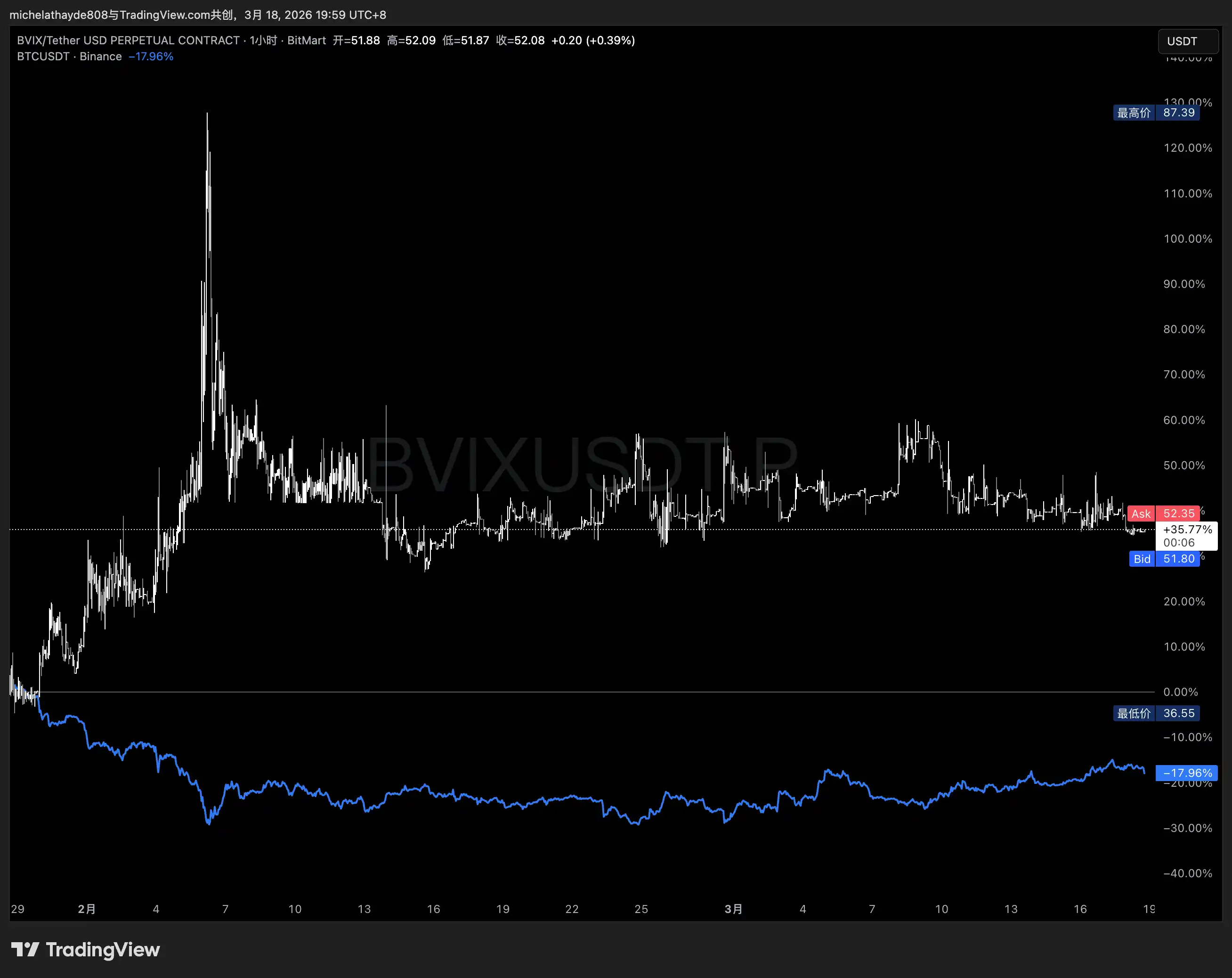
Если рассматривать эти события together вместе, значение становится ясным: выражение волатильности вокруг криптоактивов постепенно превращается из разрозненной, профессиональной информации, скрытой в surface поверхности опционов, в более стандартизированную, явную систему индексов.
Чем зрелее рынок, тем меньше он торгует только направлением. Он также будет торговать риском, разногласиями, неопределенностью будущего пути. Тот, кто может точнее понять, за какой именно风险 риск рынок закладывает цену, тот ближе к真正的核心真正的核心 этого рынка.
Поэтому最值得关注наиболее примечательно в таких продуктах, как BVIX и EVIX, не то, являются ли они новой热点热点ой, а то, что они представляют изменение структуры крипторынка: этот рынок начинает всё серьезнее оценивать «будущую неопределенность».
Как использовать волатильность на практике?
Многие, услышав о волатильности, first reaction首先想到 об управлении рисками. Это верно лишь отчасти. Волатильность, конечно, может помочь в защите, но更重要的是更 важно то, что она также может помочь понять, когда рынок дорого продает панику, а когда дешево продает спокойствие.
1. Защитная перспектива: не входите на пике эмоций
Когда цена только что пробила уровень, настроения рынка быстро разгорелись, а BVIX или EVIX同步同步но пошли вверх, многие инстинктивно думают, что «это настоящий пробой». Но с точки зрения волатильности это часто означает, что рынок платит высокую премию за будущую неопределенность.
Это не значит, что нельзя открывать long длинные позиции, но你要明白вам следует понимать: вы покупаете, возможно, не только направление, но и уже дорогие эмоции.
При высокой волатильности запас прочности для покупки на росте и продажи на падении обычно значительно снижается. Вы можете быть правы в направлении, но из-за того, что вошли в момент наивысшего эмоционального подъема и самых дорогих ожиданий, в итоге не получите желаемой прибыли. Правильное направление не равно успешной сделке; часто то, что съедает прибыль, — это не ошибка в направлении, а то, что вы купили слишком дорого.
2. Перспектива识别识别 риска:表面表面ное спокойствие не обязательно означает безопасность
Другой, более скрытый и более рискованный сценарий — это сужение цен, вялость рынка, когда многие начинают觉得думать, что «сейчас рисков нет». Но если в этот момент вы观察到наблюдаете, что структура волатильности начала аномально двигаться, или оценка рынком будущих событий悄悄тихо растет, это говорит о том, что спокойствие, возможно, лишь поверхностное явление.
На этом этапе самое需要необходимое — не немедленно ставить на направление, а сначала признать: внутри рынка, возможно, накапливается хрупкость, которую вы не видите невооруженным глазом.
Для трейдеров с высоким плечом этот этап особенно опасен. Потому что то, что真正摧毁унивает счета, — often часто не видимая большая волатильность, а то, что вы увеличили риск в то время, когда «кажется, всё спокойно».
3. Наступательная перспектива: когда паника продается дорого, продажа волатильности может быть привлекательнее
По-настоящему интересное в волатильности то, что она может не только предупредить об опасности, но и предоставить窗口 возможности для стратегии.
Когда BVIX, EVIX взлетают, или, в более broad широком смысле, когда подразумеваемая волатильность显著显著но превышает историческую реальную волатильность, это означает, что рынок платит очень высокую премию за будущую неопределенность. Для трейдеров, играющих в одну сторону, это часто одна из самых неудобных зон, потому что вы покупаете не только направление, но и саму дорогую панику.
Но для более зрелых трейдеров это может означать другую возможность: продажу переоцененной волатильности.
В рамках традиционных деривативов такие идеи通常通常表现为表现为 продажей опционов с высокой подразумеваемой волатильностью, получением более высокой премии или выполнением систематической стратегии rolling продажи опционов для заработка на эмоциональной премии и временном decay衰减ении. Её核心逻辑основная логика заключается не в «я обязательно медвежий», а в «я считаю, что рынок переоценил будущую волатильность».
Конечно, это не направление, подходящее для новичков, чтобы слепо模仿подражать. Продажа волатильности по своей сути — это заработок небольших денег при несении большого риска, больше всего怕боится внезапного наступления хвостового события. Это предъявляет высокие требования к управлению гарантийным обеспечением, ограничению позиций, оценке ликвидности и хеджированию хвостовых рисков. Поэтому真正重要的真正 важная вещь не в том, чтобы заставить всех быть продавцами, а в понимании更高维度более высокомерной交易逻辑交易 логики: пока другие торгуют направлением, зрелые трейдеры могут торговать «переоценены ли ожидания».
4. Перспектива относительной стоимости: наблюдение за разницей волатильности BTC и ETH
Помимо наблюдения за абсолютным уровнем волатильности, также стоит наблюдать за разницей волатильности между BTC и ETH.
Если EVIX持续持续но显著显著но выше BVIX, это обычно означает, что рынок считает, что ETH сталкивается с более высокой неопределенностью, или готов платить более высокую премию за риск за будущий путь ETH. Это не обязательно дает直接прямой вывод о long/short длинной/короткой позиции, но это может помочь вам понять, на какой актив деньги ставят риск, а также помочь в оценке, склонен ли рынок в настоящее время больше к核心核心ному убежищу или к высоко弹性弹性ой спекуляции.
Часто真正有价值真正 ценная информация заключается не в каком-то одном абсолютном числе, а в относительных изменениях между different разными активами и different разными периодами времени. Разница в волатильности, в некотором смысле,就是就是 разница в аппетите к риску.
Настоящее升级повышение — не умение предсказать рост/падение, а умение видеть «ожидания»
Многие трейдеры на определенном этапе своего роста постепенно обнаруживают факт: самое сложное на рынке — never никогда не угадать один раз рост или падение, а понять, что именно рынок оценивает.
Иногда рынок оценивает направление; иногда рынок оценивает ликвидность; но во многие ключевые моменты рынок真正真正 дорого торгует именно самой неопределенностью.
Вот почему волатильность не следует понимать как вспомогательный индикатор цены. Она не сноска рядом с движением, и не продвинутый термин, который нужен только игрокам в опционы. Она сама является ценой, ценой будущего пути, распределения рисков и разногласий в ожиданиях.
Цена отражает настоящее, волатильность оценивает будущее.
А самое дорогое в будущем — often часто не сам тренд, а страх людей перед неизвестностью или ошибочная вера в спокойствие.
Когда все больше трейдеров начинают关注 таким индикаторам волатильности, как BVIX, EVIX, BITVX, они真正关心真正 интересуются уже не тем, вырастет биткоин или упадет, а:
Может ли этот рынок быть более剧烈剧烈ым, чем想象想象ется?
Не переоценены ли эти ожидания или недооценены?
Торгую ли я направлением или самими переоцененными эмоциями?
Крипторынок движется от «торговли только ценой» к «торговле ожиданиями, торговле риском, торговле волатильностью». Тот, кто раньше примет это, у того будет больше шансов摆脱избавиться от单纯простой торговли угадыванием направления и войти в下一阶段следующую стадию真正по-настоящему понимания структуры рынка.





















