Этим летом Маск собирается сделать то, чего никогда не происходило в истории. Он поместит компанию-разработчика больших моделей внутрь компании, которая строит ракеты, и выведет их на биржу вместе.
Возможно, создание телефона — это самое неподходящее, чем OpenAI сейчас должна заниматься. Но, судя по всему, Сэм Олтман думает иначе.
В первом квартале этого года рост выручки и числа пользователей OpenAI не оправдал ожиданий. Конкурент Anthropic с помощью Claude Code переманил самую платежеспособную аудиторию. Следуя этой логике, OpenAI сейчас должна бы сокращать масштабы, концентрироваться и сначала доказать, что может зарабатывать деньги, чтобы подготовиться к IPO в конце этого года или начале следующего.
Однако информация из цепочки поставок говорит об обратном. Компания собирается бросить вызов самому зрелому, закрытому и прибыльному сегменту потребительской электроники в мире — iPhone.
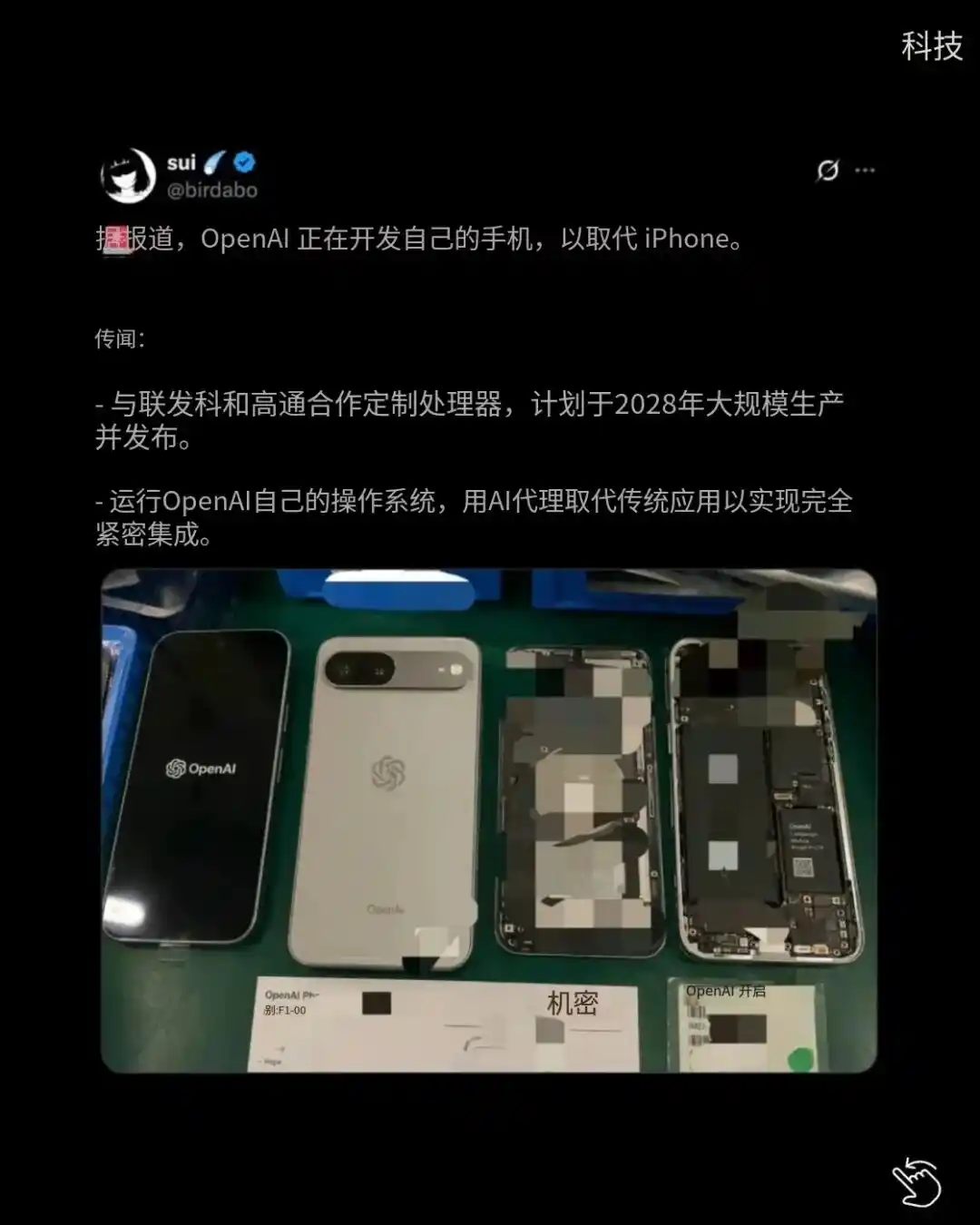
По данным утечек, OpenAI ускоряет разработку своего первого телефона с AI Agent, серийное производство может начаться уже в первой половине 2027 года, цель — выпуск 30 миллионов устройств за следующие два года.
Они что, с ума сошли?
Возможно, нет. OpenAI, похоже, уже осознала более серьёзную проблему: ChatGPT умён, но у него нет рук.
Он может ответить на ваш вопрос, но с трудом выполнит задачу за вас. Он живёт в чужих системах — Apple, Microsoft, операционных системах, браузерах — поэтому не имеет реальных полномочий.
Далее речь пойдёт не о том, почему OpenAI хочет создать телефон. А о том, как эта компания шаг за шагом осознала, что без собственного терминального устройства ChatGPT не сможет перевернуть ситуацию.
Успех ChatGPT — это тоже своего рода зависимость от выбранного пути
В апреле 2026 года SpaceX получила опцион: до конца года компания может приобрести Cursor за сумму до 600 миллиардов долларов.
Первоначально OpenAI верила не в телефоны, не в браузеры и не в какое-то конкретное приложение. Она верила в модель — точнее, в сам интеллект.
Согласно её мировоззрению, если модель достаточно мощная, то доступ к ней, продукты и бизнес-модель будут двигаться вперёд под влиянием интеллекта.
Это не пустые слова. В 2020 году OpenAI опубликовала статью Scaling Laws, на которую впоследствии часто ссылались, и установила относительно оптимистичное убеждение: если масштабировать модель, данные и вычислительные мощности, интеллект будет улучшаться предсказуемым образом.
Другими словами, самая важная задача — не захватывать точки входа, а продолжать совершенствовать модель. Если интеллект достаточно мощный, мир сам уступит дорогу.
Эта вера подтвердилась 30 ноября 2022 года.
В этот день был запущен ChatGPT. У него не было крутого интерфейса, аппаратного обеспечения, предустановки на платформе — это была всего лишь строка ввода на веб-странице. Но он дал обычным людям невиданный ранее опыт: вы пишете сообщение, а он отвечает вам как человек.
Поразительно было не только то, что ИИ умеет разговаривать, но и то, что он практически не использовал традиционные точки входа. Ему не помогали производители телефонов с рассылкой, операционные системы не выводили его на видное место — пользователи находили его сами.
За два месяца количество активных пользователей в месяц превысило 100 миллионов, что сделало его самым быстрорастущим потребительским приложением в истории человечества.
Казалось, OpenAI оказалась права. Microsoft тут же усилила свою ставку, встроив её возможности в Copilot, Office и Bing; Apple на WWDC 2024 также подключила ChatGPT к Apple Intelligence.
В этот момент OpenAI оказалась в центре эпохи. Самая мощная модель, наибольшее количество пользователей, самые глубокие партнёрские отношения.
Но именно здесь и начались проблемы.
Успех ChatGPT был слишком ослепительным. Настолько, что OpenAI легко могла поверить: сама модель является точкой входа. Ей не нужно сначала иметь телефон или контролировать операционную систему — достаточно шокирующего интеллекта, и пользователи сами найдут её.
Именно отсюда позже начали появляться настоящие трещины.
Claude Code изменил правила заработка
Первая трещина появилась со стороны Anthropic.
В мае 2025 года компания выпустила Claude Code. Не было громких демонстраций или шумной презентации. Этот продукт просто интегрировался в терминал разработчика, в базы кода и рабочий процесс Git, помогая инженерам выполнять работу.
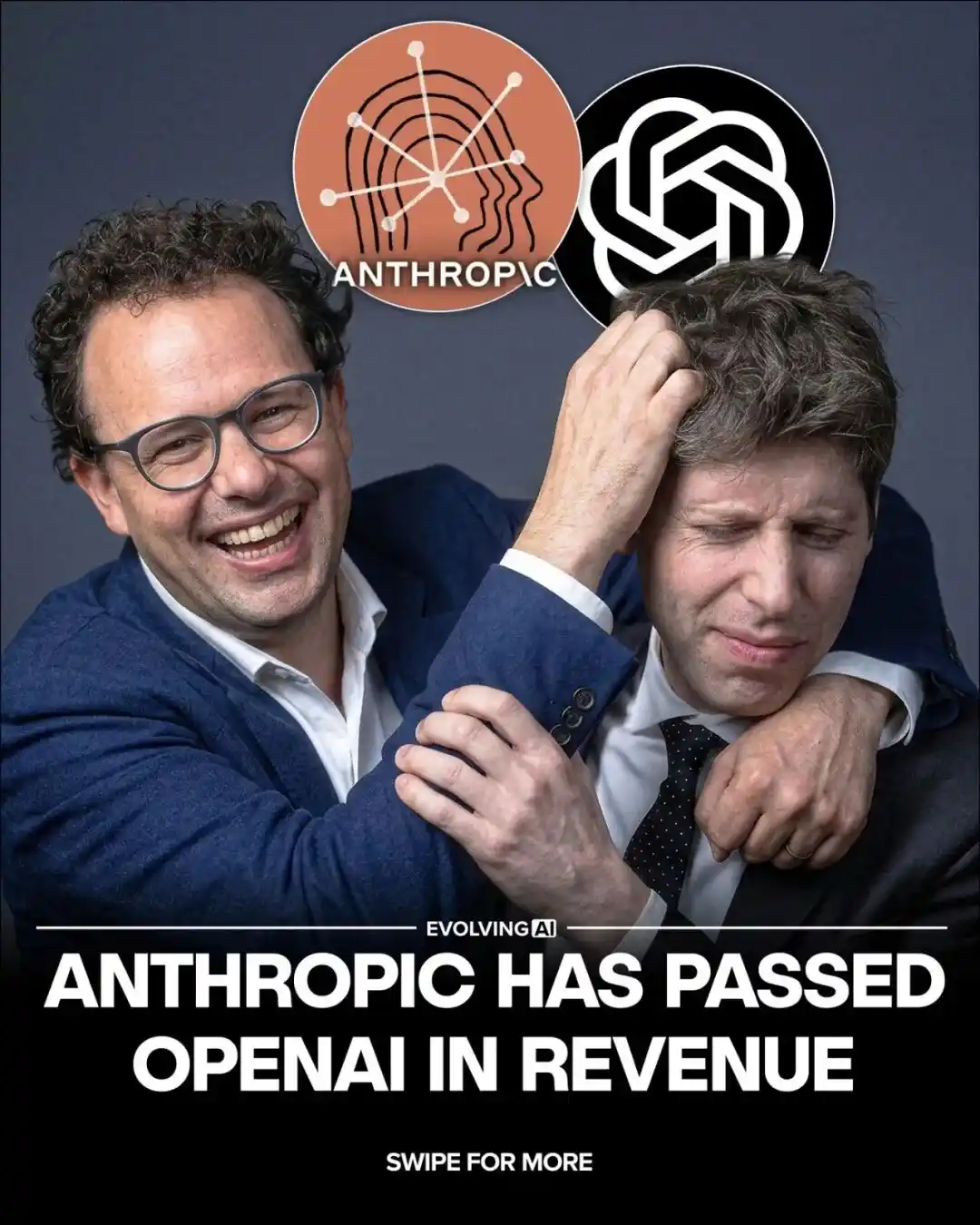
Через полгода после запуска годовой доход Claude Code достиг 1 миллиарда долларов; менее чем через год — превысил 2,5 миллиарда долларов. К апрелю 2026 года общий годовой доход Anthropic перешагнул отметку в 30 миллиардов долларов.
В то же время ежемесячный доход OpenAI составлял 2 миллиарда долларов, что в годовом исчислении равно примерно 24 миллиардам.
Anthropic, имея значительно меньше пользователей, чем у ChatGPT, показала более высокий доход. Вот что должно было по-настоящему насторожить OpenAI.
Причина проста — они переманили наиболее платежеспособную часть аудитории.
Вопрос в том, почему OpenAI опоздала?
Не потому, что она не видела потенциал Agent'ов. Успех ChatGPT был слишком ослепительным, что заставило OpenAI продолжать двигаться по инерции: создавать более мощные модели, расширять пользовательскую базу, искать следующую универсальную точку входа.
Поэтому за последние два года можно было видеть, как OpenAI предпринимала множество попыток от 0 до 1 — GPT Store, Sora, Operator, Deep Research — все они выросли из этого подхода. Они указывают на общее суждение: если модель достаточно мощная, новые продукты, точки входа и бизнес-модели появятся сами собой.
Но Anthropic выбрала другой путь. Она не стала сначала создавать супер-точку входа для всех, а встроила Claude Code в рабочий процесс разработчиков, постоянно оттачивая одну задачу — чтобы ИИ завершал работу.
Вот в чём отставание OpenAI. Она не отказалась от новых продуктов, но не смогла сразу же развить высокодоходный сценарий от 1 до 100.
Sora — яркий пример. При запуске она потрясла всех, но генерация видео потребляла огромные вычислительные ресурсы, а удержание пользователей и бизнес-модель были неясны. Позднее закрытие Sora OpenAI стало своего рода обрезкой — компания начала осознавать, что создание впечатляющей демонстрации ИИ и пробивание высокодоходного рабочего процесса — это две разные вещи.
Возможности модели могут создавать яркие моменты, но коммерческая эффективность приходит от постоянного выполнения задач.
К этому моменту OpenAI наконец осознала: Agent — это не дополнительная функция, а ядро коммерциализации ИИ на следующем этапе. ChatGPT должен доказать не только свою интеллектуальность, но и способность выполнять задачи за пользователя.
Но когда он действительно начинает брать на себя задачи, он сталкивается не с потолком возможностей модели, а с потолком разрешений.
900 миллионов пользователей: как превратить их в деньги
OpenAI, конечно, тоже нагоняет. В мае 2025 года она выпустила Codex в ответ на Claude Code. К апрелю 2026 года еженедельная активность Codex достигла 3 миллионов пользователей.
Но в битве за программирование OpenAI в краткосрочной перспективе будет трудно победить — Anthropic уже закрепила за собой концепцию coding Agent, а последователям остаётся только догонять.
Вот почему OpenAI начала перераспределять ресурсы: переключив внимание с проектов, которые легко создают ажиотаж, но трудно доводят до коммерческого успеха, на Agent'ов, корпоративный рынок и более фундаментальные исследования.
Но её настоящая козырная карта — это 900 миллионов еженедельных активных пользователей.
Эти люди — не программисты, они не будут платить за код. Но у каждого из них есть потребности: написать письмо, подготовить предложение, найти информацию, забронировать поездку, купить товары, организовать файлы.
Если ChatGPT превратится из "разговорчивого" помощника в "исполнительного", вот где раскроется настоящий коммерческий потенциал OpenAI.
Представьте себе такую ситуацию: вы хотите купить авиабилет, говорите ChatGPT время, бюджет, предпочтения, он ищет рейсы, сравнивает цены, смотрит отели и в конце даёт вам кнопку подтверждения.
В этот момент часть ценности таких сервисов, как Booking, обходится стороной. Сравнение цен, рекламные места, комиссии, влияние на решение пользователя — всё будет перераспределено. Покупка страховки, оплата кредитной карты, коммунальных услуг — та же логика. Если Agent сможет выполнять задачи за вас, OpenAI получит свою долю от каждой комиссии за транзакцию и каждого рекламного воздействия.
Вот где настоящая ценность 900 миллионов пользователей — ChatGPT перестаёт только отвечать на вопросы и начинает брать на себя задачи и точки входа для транзакций.
Но как только ИИ начинает действовать, он перестаёт быть просто моделью в чате. Он должен знать, где вы находитесь, видеть, что происходит на вашем экране, иметь доступ к вашим файлам, календарю, почте и платежам.
Таким образом, проблема смещается с "достаточно ли мощна модель" на "у кого есть разрешения".
А разрешения — это именно то, чего не хватает OpenAI.
ChatGPT живёт в чужом доме
Изначально OpenAI полагала, что партнёрство решит проблему точки входа. Apple дала ей iPhone, Microsoft — Office, Windows и корпоративных клиентов. На тот момент это выглядело как победа веры OpenAI в модели.
Но с наступлением эры Agent'ов проблема изменилась.
Для Apple ChatGPT — это внешний эксперт, к которому обращаются. Он может отвечать на вопросы, но не может полностью контролировать экран, камеру, уведомления, платежи и файлы — эти разрешения Apple не отдаст. Иначе "душа" iPhone перестанет принадлежать Apple.
То же самое и с Microsoft. Раньше OpenAI предоставляла модели, а Microsoft интегрировала ИИ в такие точки входа, как Office. Но когда OpenAI сама начала создавать Codex и корпоративных Agent'ов, она вторглась на территорию Microsoft — Agent'ы по своей природе должны встраиваться в рабочий процесс, писать код, обрабатывать файлы, выполнять задачи за сотрудников, а это именно та сфера, где Microsoft имеет суверенитет.
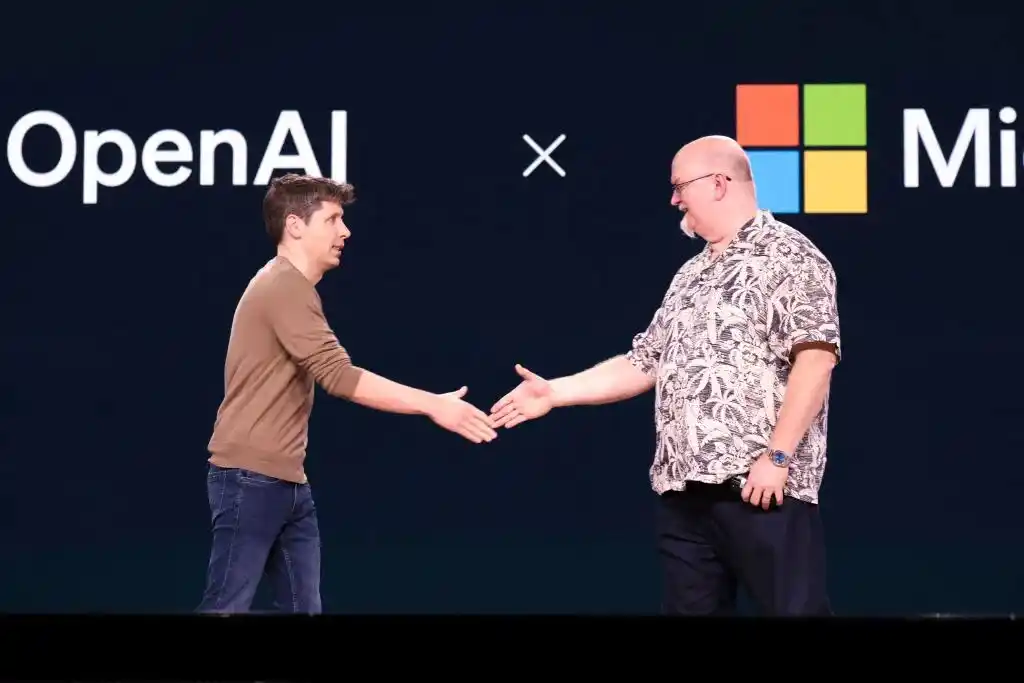
Поэтому отношения OpenAI и Microsoft не разорвались сразу, но границы изменились. В апреле 2026 года стороны пересмотрели соглашение: эксклюзивная лицензия Microsoft стала неэксклюзивной, OpenAI может обслуживать клиентов на любом облаке.
Смысл этого ясен: OpenAI не хочет быть просто поставщиком в экосистеме Microsoft. Она хочет самостоятельно взаимодействовать с клиентами, предоставлять Agent'ов, захватывать точки входа.
Дойдя до этого этапа, её отношения с Apple и Microsoft становятся деликатными. Потому что Agent'у нужна не просто видимая позиция, а точка входа по умолчанию, системные разрешения и интеллектуальный терминал, с которым пользователь сталкивается первым каждый день.
Эти вещи Apple не отдаст, Microsoft тоже не отдаст. Они и не могут этого сделать.
В конечном счёте, ChatGPT мощный, но он всегда живёт в чужом доме — доме Apple, доме Microsoft, доме браузера, доме операционной системы. Его можно вызывать, подключать, он может быть отличным поставщиком, но он не может решать, когда появиться и какие разрешения получить.
А телефон — это наиболее близкое к его ресурсам устройство. 900 миллионов еженедельных активных пользователей уже готовы задавать вопросы ChatGPT — перенести этот менталитет на устройство короче, чем с нуля создать операционную систему или браузер.
Она хочет создать не просто ещё один iPhone, заполненный приложениями, а телефон, предназначенный специально для Agent'ов — тело, которое позволит ChatGPT видеть, обращаться к системам и выполнять задачи.
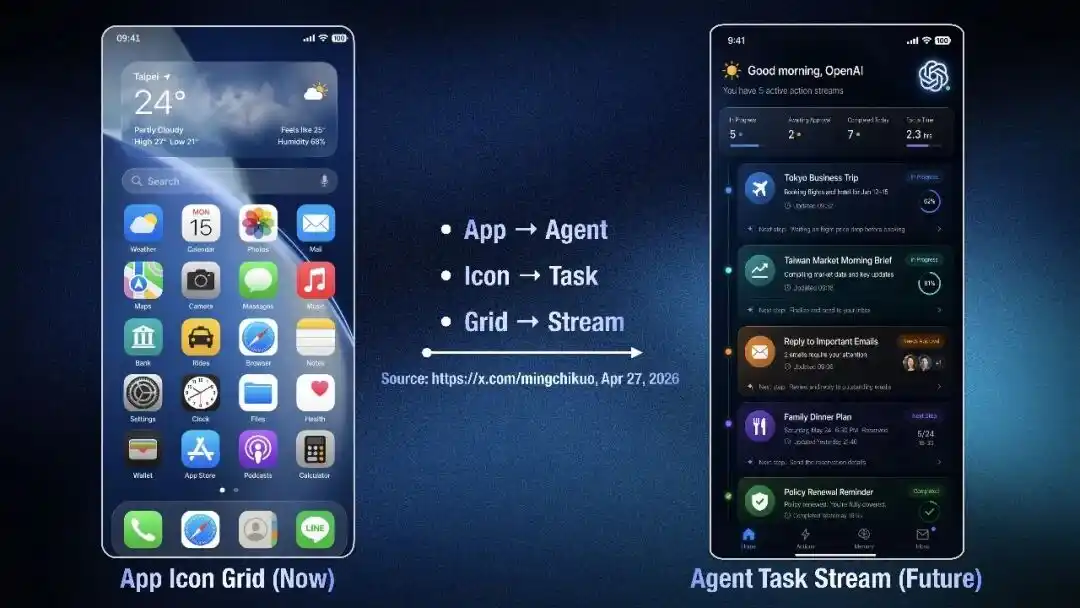
Вот почему в мае 2025 года OpenAI потратила около 6,5 миллиардов долларов на приобретение аппаратной компании Джони Айва. Этот человек — промышленный дизайнер первого iPhone, один из самых важных людей рядом со Стивом Джобсом. OpenAI наняла его не только для создания красивого оборудования, но и для переопределения персональных устройств в эпоху ИИ.
Возвращаясь к начальному вопросу: зачем компании, разрабатывающей большие модели, создавать телефон?
OpenAI нужен не телефон, а суверенитет.
Она хочет найти для ChatGPT собственную точку входа по умолчанию. Но создание телефона по сути противопоставит OpenAI Apple. Раньше Apple могла считать ChatGPT поставщиком; если OpenAI действительно создаст телефон эпохи ИИ, она перестанет быть поставщиком и станет конкурентом Apple на рынке персональных точек входа.
Оглядываясь на последние годы, история OpenAI претерпела поворот.
Она верила, что если модель достаточно мощная, мир сам будет перестраиваться вокруг интеллекта. Взрывной рост ChatGPT действительно доказал это — без аппаратного обеспечения, предустановки, всего лишь с помощью поля ввода на веб-странице он привлёк сотни миллионов пользователей в эпоху ИИ.
Но с наступлением эры Agent'ов OpenAI обнаружила, что ей не хватает самого ключевого элемента: суверенитета.
Успех ChatGPT — это победа, но и зависимость от пути. Он слишком долго заставлял OpenAI верить, что сама модель является ответом. Пока Claude Code не показал годовой доход в 2,5 миллиарда долларов, пока Apple и Microsoft не отказались предоставлять системные разрешения — только тогда OpenAI осознала, что как бы ни была сильна модель, ей всё равно нужны точка входа, разрешения и задачи.
Поэтому, создавая телефон, OpenAI на самом деле хочет создать не телефон, а первое тело для ChatGPT.
Эта статья из WeChat-аккаунта "像素301", автор: 像素301