Автор: Nancy, PANews
В то время как ведущие блокчейны, такие как Solana и Base, изо всех сил стараются привлечь разработчиков, пользователей и расширить свои экосистемы, Фонд Ethereum (EF) решил отойти на второй план.
Постоянный отток ключевых талантов в сочетании с многократным давлением продаж ETH разогревает настроения FUD вокруг EF. Такая пассивная стратегия продолжает подрывать доверие рынка к EF.
25 мая Виталик Бутерин опубликовал пространный пост в ответ на недавние споры, предложив рассматривать EF как обычный узел со специальной миссией, и четко обозначил стратегию оптимизации EF на будущее, а также техническую дорожную карту, прямо заявив, что поддержание цены ETH не входит в обязанности EF.
Как Ethereum будет двигаться вперед в эпоху после Фонда, потеряв "большого брата"?
От прагматизма к долгосрочному видению: стили фондов блокчейнов расходятся
Недавние события — отток ключевых членов фонда, частые продажи ETH и споры об эффективности экосистемы — разогрели сомнения внешних наблюдателей в отношении EF, что даже привело к призывам начать все заново.
В то же время Виталик недавно сообщил, что в настоящее время EF владеет примерно 0,16% от общего предложения ETH, что значительно ниже обычного диапазона 10-50% для многих фондов блокчейнов.
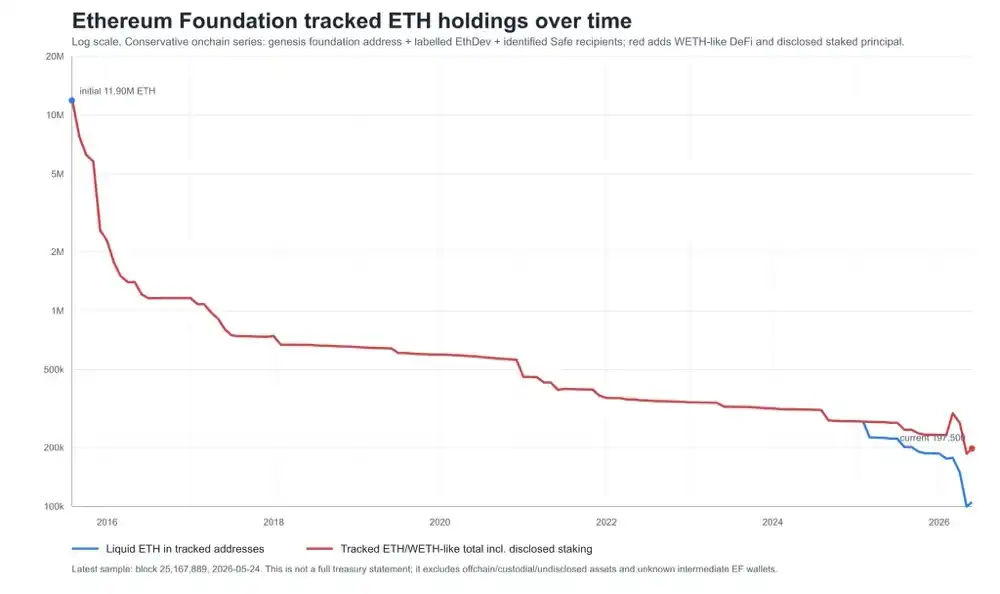
Другими словами, изначальное распределение примерно в 6 миллионов ETH (8,3% от начального общего предложения) было в основном израсходовано за последние десять лет, и осталось около 100 000 ETH. Сегодня EF, как с точки зрения финансовых резервов, так и человеческих ресурсов и организационной эффективности, уже не может продолжать играть роль, поддерживающую быстрое развитие огромной экосистемы.
Как один из наиболее репрезентативных чистых фондов в отрасли, EF долгое время сосредотачивался на исследованиях протокола, разработке общественных благ и поддержке экосистемы с открытым исходным кодом. Хотя EF не контролирует напрямую сеть Ethereum, благодаря раннему накоплению резервов ETH и постоянному влиянию ключевых разработчиков, таких как Виталик, его долгое время рассматривали как важную координирующую и движущую силу экосистемы Ethereum.
Однако по мере взросления экосистемы Ethereum EF и Виталик намеренно ослабляют свое централизованное влияние, переходя к более скромной роли поддержки за кулисами. Эта трансформация, с одной стороны, обусловлена приверженностью нейтралитету и долгосрочному видению, а с другой — ограничена практическими обстоятельствами.
По мере ослабления роли EF в Ethereum для проектов экосистемы путь роста, который в прошлом сильно зависел от ресурсов фонда, становится все менее эффективным. Расширение экосистемы теперь смещается в сторону инноваций, движимых сообществом, и разнообразного внешнего сотрудничества.
Фактически, модель фондов разных блокчейнов не только формирует их собственную культуру управления, но и определяет уровень зрелости экосистемы, степень децентрализации и долгосрочный путь развития.
Для сравнения, новые блокчейны все еще находятся на стадии активного расширения, где их фонды играют более агрессивную и доминирующую роль. Например, такие новые блокчейны, как Solana, Aptos, TON, используют более гибкую модель, движимую фондом. Имея на раннем этапе значительные резервы токенов (высокий процент), они осуществляют интенсивные ресурсные вливания, запускают постоянные программы стимулирования, получают поддержку от DAT-компаний и даже основатели напрямую вовлекаются в продвижение, поддерживая высокую операционную эффективность и темпы роста.
Base представляет собой другой путь. Будучи L2, поддерживаемым Coinbase, она не полагается на традиционную структуру независимого фонда, а использует ресурсы материнской компании и коммерческую сеть для развития экосистемы, дополняя это фондом поддержки экосистемы для привлечения разработчиков и интеграции приложений. Преимущество этой модели в высокой эффективности консолидации ресурсов, что позволяет быстро достичь роста пользовательской базы и внедрения продуктов.
Polygon и Avalanche, среди прочих, используют гибридную архитектуру с параллельным существованием фонда и лабораторий (Labs). Фонд отвечает за прозрачность управления и общественные вопросы сообщества, в то время как Labs сосредоточены на разработке продуктов и коммерческой реализации. Это позволяет избежать чрезмерной концентрации власти в одном субъекте и повышает скорость принятия решений и внедрения. Фонд Hyperliquid следует более финансово-оригинальному пути управления, глубоко связывая права управления, экономические стимулы и фонд развития экосистемы через механизмы токенов, а также направляя часть ресурсов на исследование политик и внешние коммуникации, что усиливает самодостаточность и адаптивность экосистемы.
Что еще более важно, поскольку новые блокчейны все еще находятся на стадии острой конкурентной борьбы за расширение, они обычно предлагают высокие денежные зарплаты и щедрые токенные стимулы, активно привлекая ресурсы разработчиков и получая явное преимущество в краткосрочной борьбе за таланты. Для сравнения, Ethereum неконкурентоспособен на уровне компенсаций, полагаясь в большей степени на идеализм разработчиков, культурную идентификацию с открытым исходным кодом и долгосрочную репутацию экосистемы для поддержания вклада. В то же время многие ключевые разработчики, пришедшие в экосистему Ethereum на раннем этапе, уже получили значительное финансовое вознаграждение в предыдущем бычьем рынке. Некоторые участники постепенно уходят с позиций активной разработки и поддержки, что приводит к заметной нехватке устойчивых исполнительских ресурсов в экосистеме.
Можно сказать, что трансформация EF является как результатом развития Ethereum, так и выбором долгосрочного выживания в условиях ограниченности средств и исполнительских возможностей.
Фонд будет меньше продавать, для роста стоимости ETH нужно больше крупных игроков
"Фонд Ethereum выполняет много технической работы, но рынок воспринимает его как компанию, поэтому этот разрыв в ожиданиях вызывает недовольство. В общем, во всем виновата цена", — метко заметил крипто-KOL Blue Fox Notes (Голубые лисьи заметки).
Для сообщества Ethereum почти все споры в конечном итоге сводятся к проблеме низкой цены ETH.
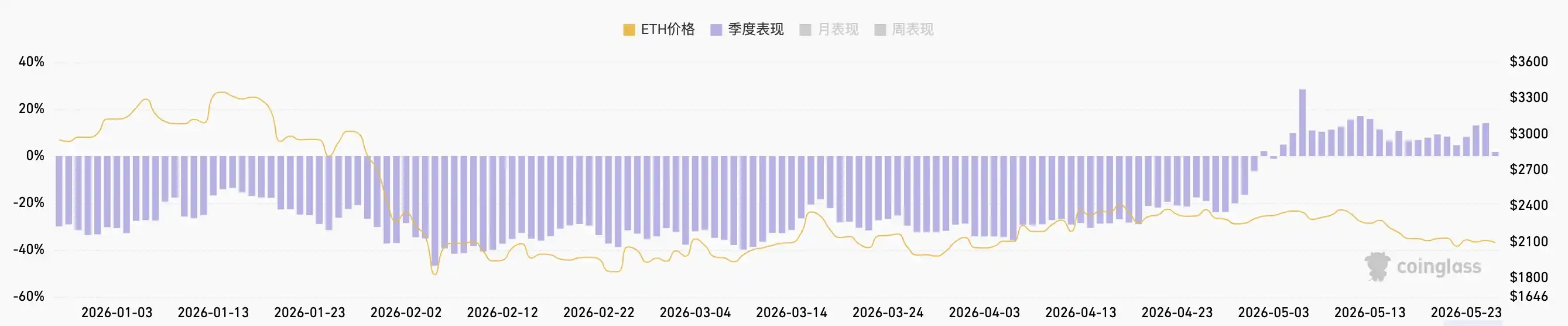
Крипто-журналистка Лаура Шин отметила, что после обновления Cancun серия выборов на дорожной карте Ethereum постоянно недооценивала аспект токеномики, чрезмерно фокусируясь на идеологии и игнорируя рынок капитала и ценовые показатели, что вызывало недовольство сообщества и инвесторов. А вовлечение внешних организаций может помочь только с развитием бизнеса, но не решает фундаментально рыночные проблемы на уровне актива ETH.
Более того, конкуренция только начинается. Лаура Шин считает, что сейчас мы находимся на ключевом этапе внедрения в реальном мире. Однако по сравнению с конкурентами, которые активно захватывают рынок, привлекают разработчиков и капитал, Фонд Ethereum все больше похож на того, кто почивает на лаврах прошлых успехов. Особенно когда наиболее конкурентоспособные таланты внутри экосистемы продолжают уходить, такая попустительская позиция в конечном итоге может помочь конкурентам усилиться и даже породить новых претендентов.
Виталик в своем длинном посте также ответил на сомнения рынка. Он подчеркнул, что ETH является наиболее ценным продуктом блокчейна Ethereum, и масштаб стоимости ETH, который сейчас защищает и на котором работает сеть Ethereum, достиг примерно 2500 миллиардов долларов. Более 90% его личного чистого капитала также вложено в ETH, остальная часть в основном состоит из активов в фиатной валюте на блокчейне на сумму около 40 миллионов долларов, которые уже инвестированы в проекты с открытым исходным кодом в области биотехнологий, программного и аппаратного обеспечения.
Но Виталик также заявил, что хотя фонд в будущем будет меньше продавать ETH, поддержание цены ETH не входит в обязанности EF. По его мнению, в экосистеме Ethereum уже существует множество частных лиц и организаций, чьи финансовые возможности намного превышают возможности EF. Для реального стимулирования роста стоимости актива ETH необходимы совместные усилия большего числа "героев" экосистемы. EF также планирует установить связи с такими организациями, оказывая им необходимую первоначальную поддержку.
Исследователь блокчейна Уильям Мугаяр выразил схожую точку зрения. Он считает, что ETH по своей сути является активом, Ethereum — это общая вычислительная инфраструктура, а Фонд Ethereum — это некоммерческая организация, ответственная за развитие протокола. Одна из ее долгосрочных целей — даже "сделать самих основателей со временем менее важными".
Поскольку EF активно отходит на задний план, ETH вступает в новую фазу, которая в большей степени зависит от самоорганизации экосистемы.
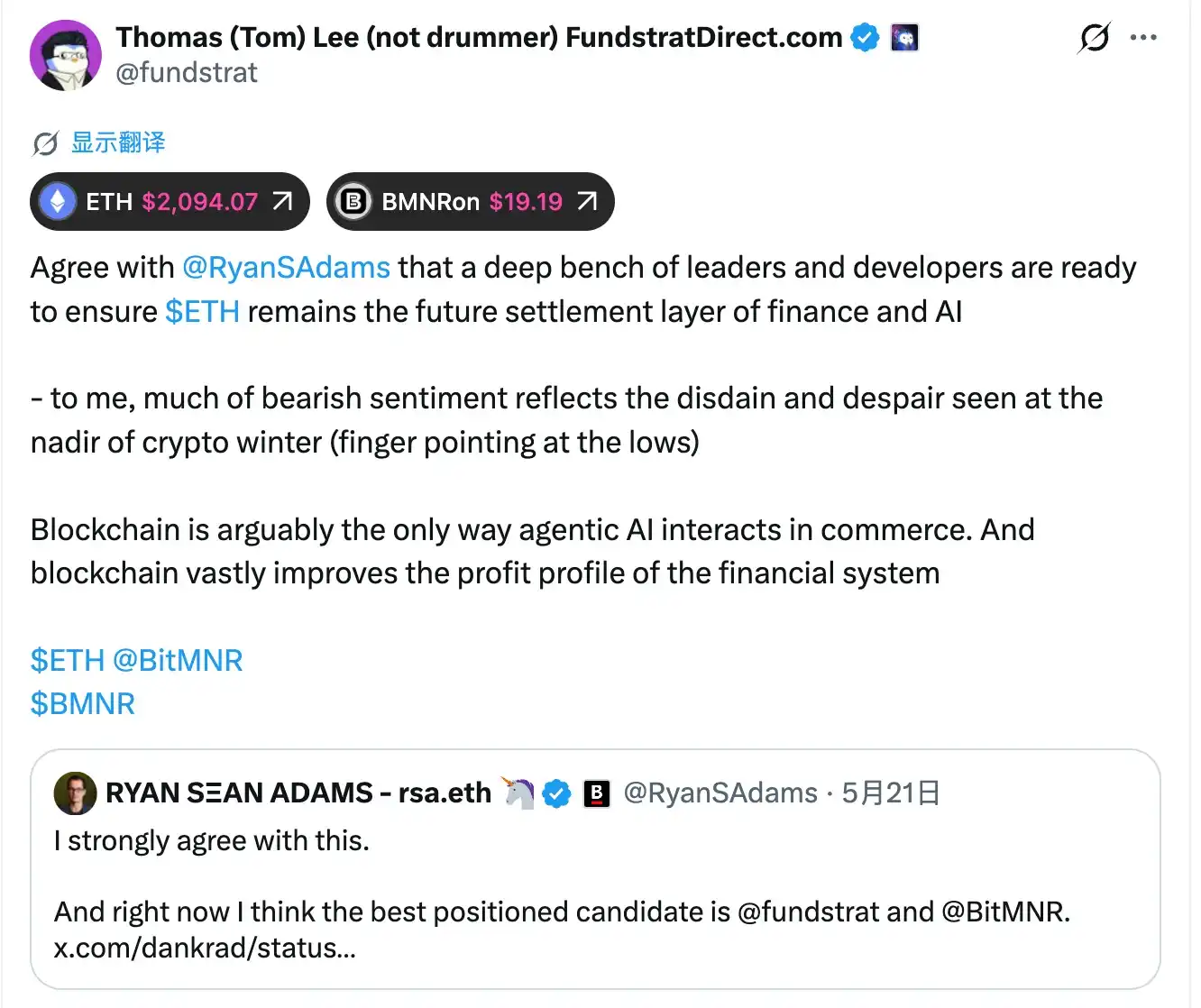
В то время как сообщество беспокоится о цене ETH, процесс мейнстриминга Ethereum ускоряется. Две компании DAT Ethereum, BitMine и Sharplink, могут быть включены в американские индексы Russell 29 июня этого года. В частности, BMNR будет включена в индекс Russell 1000 и Russell 3000, а SBET — в индекс Russell 2000 и Russell 3000.
По словам председателя BitMine Тома Ли, при текущей рыночной капитализации BitMine в 107,5 миллиарда долларов, в случае успешного включения, BitMine получит приток средств на покупку не менее 21,5 миллиарда долларов.
Blue Fox Notes далее указывает, что глобальные фонды, отслеживающие индексы Russell 2000 и Russell 3000, управляют активами на триллионы долларов. После официального включения соответствующие индексные фонды будут обязаны приобретать эти акции. Это откроет шлюзы для пассивного капитала в отношении SBET и BMNR, позволяя множеству обычных инвесторов, ранее не связанных с крипторынком, автоматически владеть ими, тем самым выводя Ethereum в мейнстрим традиционных финансов. Покупки пассивных фондов создают реальный спрос, особенно вокруг даты включения, что часто обеспечивает краткосрочную поддержку цены акций, а в долгосрочной перспективе повышает ликвидность акций и долю институционального владения. Следует отметить, что хотя эти средства покупают акции, а не сам ETH, это может косвенно усилить рыночный спрос на ETH.
Кто может стать следующим лидером сообщества Ethereum в эпоху после Фонда? Том Ли начал вызываться добровольцем. Его Fundstrat и BitMine рассматриваются сообществом как лучшие кандидаты. BitMine уже владеет примерно 5,28 миллионами ETH, что составляет 4,37% от общего предложения, и является крупнейшим в мире хранилищем ETH.
Отказ от войны за производительность, верность ценностям CROPS
Помимо новой позиции Фонда Ethereum, Виталик поделился своими личными размышлениями о будущей технической дорожной карте Ethereum.
По мнению Виталика, Ethereum должен создать уникальную и трудновоспроизводимую конкурентоспособность. В настоящее время технология ИИ стремительно развивается, и вся технологическая отрасль переживает взрывной рост. Если Ethereum будет цепляться только за существующую архитектуру EVM и удовлетворять краткосрочные потребности пользователей через периодические хардфорки, он постепенно потеряет привлекательность.
Он считает, что простое стремление к быстрому масштабированию и лишь небольшое преимущество в децентрализации по сравнению с другими блокчейнами в конечном итоге сделает Ethereum посредственным. Ethereum нужно масштабироваться, но еще важнее уделять внимание CROPS, то есть пяти измерениям: устойчивости к цензуре (C), устойчивости к хищничеству (R), открытости (O), конфиденциальности (P) и безопасности (S).
Фактически, за последние несколько лет внимание рынка к конкурентной борьбе блокчейнов почти полностью сосредоточено на производительности, стоимости и росте пользователей. Будь то Solana, Sui или различные нарративы о модульности, по сути, все они соревнуются в том, чтобы быть "быстрее, дешевле, удобнее".
Но Виталик явно не хочет, чтобы Ethereum продолжал участвовать в этой гонке за производительность. Потому что с практической точки зрения Ethereum вряд ли сможет полностью победить новое поколение высокопроизводительных блокчейнов на уровне производительности, а постоянные жертвы своими ключевыми характеристиками ради скорости приведут к постепенной потере самой основы его ценности.
Виталик особо подчеркнул, что для таких инфраструктурных блокчейнов, как Ethereum и Bitcoin, даже если 34% узлов отключатся, ни в коем случае нельзя полагаться на социальный консенсус или хардфорк для "спасения ситуации". Для Hyperledger, BNB, Solana и других это, возможно, приемлемо, но для Ethereum, Bitcoin, Zcash и подобных — неприемлемо.
В то же время масштабирование состояния (state) также является ключевым направлением исследований для Ethereum. А хорошо спроектированные сети L2 по-прежнему смогут постоянно приносить ценность экосистеме. Особенно в вертикальных сценариях, таких как торговля или приватность, специализированные L2 по-прежнему имеют важное значение. Кроме того, с развитием P2P-технологий с кодами исправления ошибок (erasure codes) и других оптимизационных решений, интервал между блоками Ethereum в будущем также может быть сокращен.
По сравнению с процветанием экосистемы, сегодняшний Виталик, кажется, больше озабочен тем, чтобы Ethereum сохранял свою незаменимость, следуя технической дорожной карте, проникнутой ценностями Виталика.
По мнению Виталика, если компания, придерживаясь принципов, выглядит слишком догматичной, худшим результатом будет лишь замедление ее собственного развития, но технический прогресс все равно будет продолжен другими компаниями. А лучшим результатом станет ситуация, когда компания, действительно глубоко разделяющая ценности сообщества, получит спонтанную поддержку, таланты и маркетинговые ресурсы от сообщества — поддержку, которую трудно получить просто за деньги. Он считает, что ранее некоторые компании в сфере ИИ пытались достичь аналогичного эффекта через эффективный альтруизм, но из-за того, что консеквенциализм легко развращается, конечный результат был ограниченным.
В эпоху после Фонда, хотя EF под лозунгами нейтралитета и долгосрочного видения постепенно покидает центральную сцену Ethereum, сможет ли это по-настоящему утихомирить негативные настроения на рынке, остается неизвестным. Более важный вопрос заключается в том, как Ethereum, находящийся в фазе нисходящего тренда, сможет через реформы на дорожной карте открыть путь к росту — это тема, которая волнует рынок еще больше.