Автор: Ada, TechFlow Глубокой волны
Недавно Google объявил о первом с 2005 года выпуске акций для привлечения капитала. Если соединить три действия Google за последние 90 дней, то становится ясно, что эти 80 миллиардов направлены не только на решение проблем с производственными мощностями, а на саму суть доминирования GPU NVIDIA на рынке AI-вычислений. Наиболее уязвимыми к этому удару оказались «три мушкетера» Neocloud — CoreWeave, Nebius и IREN, чьи высокие оценки строились на ставке на «уникальность NVIDIA».
Полная картина из трех действий
22 апреля на конференции Google Cloud Next '26 компания Google представила восьмое поколение TPU, разделенное на две чипа: TPU 8t, предназначенный для обучения, и TPU 8i — для вывода. В том же анонсе продуктов Google впервые четко заявил, что начнет продавать TPU выбранным сторонним операторам центров обработки данных. Это первый за десять лет, с момента начала производства TPU в 2015 году, официальный выход этих чипов за пределы Google Cloud.
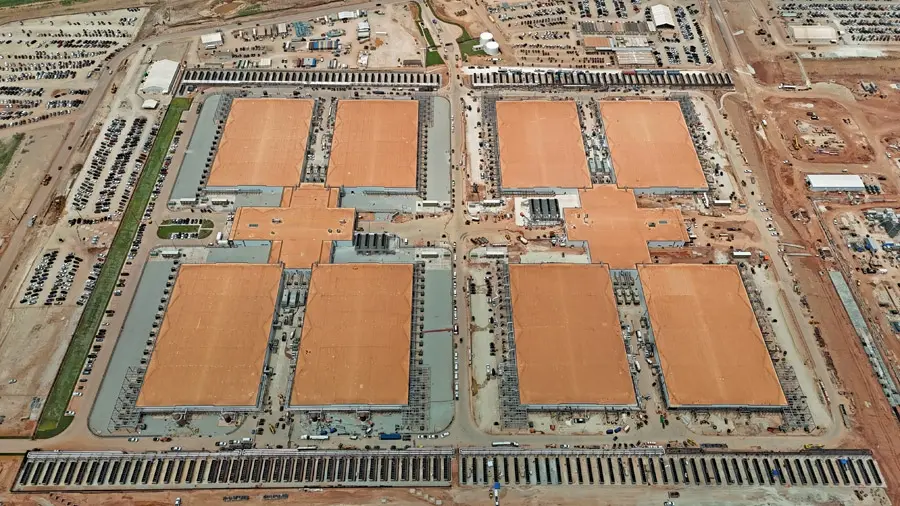
24 мая Google и Blackstone объявили о создании совместного предприятия. Начальные инвестиции Blackstone в акционерный капитал составят 5 миллиардов долларов, а общий объем с учетом кредитного плеча может достичь 25 миллиардов. Blackstone выступит мажоритарным акционером, а Google предоставит TPU и программное обеспечение. Новая компания позиционируется как провайдер услуг compute-as-a-service — стандартная бизнес-модель Neocloud. Цель — развернуть мощности на 500 мегаватт к 2027 году под руководством бывшего топ-менеджера Google Бенджамина Трейнора Слосса. В день объявления акции CoreWeave упали на 3.8%, Nebius — на 1%.
1 июня Google объявил о привлечении капитала на 80 миллиардов долларов через выпуск акций. Компания использовала в полную силу инструмент привлечения акционерного капитала, к которому не прибегала с 2005 года: выпуск конвертируемых привилегированных акций на 15 миллиардов, консервативный выпуск акций класса A/C на 15 миллиардов, план дополнительной эмиссии на открытом рынке (ATM) на 40 миллиардов и частное размещение на 10 миллиардов долларов с участием Баффетта.
Если объединить эти три действия, становится видно, что Google одновременно прокладывает три пути: самостоятельное строительство ЦОДов, продажа чипов и создание собственного аналога Neocloud. По сути, это три формы проникновения на рынок одного и того же стека вычислений на базе TPU. Называть это просто расширением производства гигантом — значит сильно недооценивать амбиции Google. Компания пытается переделать рынок вычислений, доминируемый GPU NVIDIA, с помощью TPU.
Реальная причина привлечения 80 миллиардов через акции
Сводки в СМИ приписывают эти средства исключительно AI-инфраструктуре, что является неверным прочтением. В документах для SEC Google четко указывает, что из плана ATM на 40 миллиардов около 30 миллиардов предназначены для покрытия налоговых обязательств по программам акционерного вознаграждения сотрудников в 2026 году. Это «административная мера», а не новые капиталовложения.
Исключив эту часть, «новыми деньгами», направленными на AI-инфраструктуру, являются примерно 50 миллиардов: 30 миллиардов от консервативного выпуска, 10 миллиардов от частного размещения с Баффеттом и 10 миллиардов от оставшейся части плана ATM.
Если сравнить с другой цифрой, то общие капиталовложения Google на 2026 год прогнозируются на уровне 180–190 миллиардов долларов, а в 2027 году они «значительно вырастут». 50 миллиардов от выпуска акций покроют лишь чуть больше четверти годовых капиталовложений. Остальные средства потребуется заполнить за счет операционного денежного потока, долгов и последующих размещений.
Это, в свою очередь, объясняет, почему Google пришлось обратиться к акционерному капиталу. Выручка Google Cloud в первом квартале 2026 года выросла на 63% в годовом исчислении, а объем невыполненных заказов удвоился с 230 миллиардов в предыдущем квартале до более чем 460 миллиардов долларов. Даже контрактные потребности клиентов уже значительно опережают скорость расширения собственных производственных мощностей Google. Другими словами, даже такая денежноемкая компания, как Google, вынуждена размывать долю акционеров из-за масштабов капиталовложений в ИИ.
Частное размещение Berkshire Hathaway на 10 миллиардов — еще один аспект этого финансирования, требующий отдельного рассмотрения. За 60 лет публичной истории Баффетт почти никогда не участвовал в первичных размещениях и уж точно не в капиталовложениях в расширение производства компаний «новой экономики». На этот раз он приобрел акции по фиксированным ценам: 351,81 доллара за акцию класса A и 348,20 доллара за акцию класса C. Это больше похоже на акт легитимации — официальное признание «AI-вычислений как класса инфраструктурных активов».
Пути Microsoft и Google начинают расходиться
Чтобы понять истинное значение этого финансирования, нужно сравнить двух крупнейших покупателей вычислительных мощностей.
Microsoft выбрала путь «самостоятельное строительство плюс аутсорсинг Neocloud». Разработка собственного чипа Maia отстает от графика, а потребности OpenAI в вычислениях для обучения и вывода растут экспоненциально. С конца 2025 года контрактные обязательства Microsoft перед экосистемой Neocloud превысили 60 миллиардов долларов: 23 миллиарда для Nscale (на развертывание 200K чипов GB300), остальное распределено между CoreWeave, Nebius, IREN и Lambda Labs. Все эти контракты используют исключительно GPU NVIDIA. Microsoft вынуждена глубоко зависеть от Neocloud, потому что собственные мощности не поспевают за спросом, а собственные чипы не могут заменить NVIDIA.
Google идет другим путем. Самостоятельная разработка TPU, самостоятельное строительство ЦОДов (без опоры на Neocloud), а теперь еще и продажа TPU другим и создание совместного предприятия с Blackstone для конкуренции на рынке Neocloud. Google не нуждается в Neocloud — он сам хочет стать конкурентом для Neocloud.
Это расхождение и является настоящей стратегической основой данного финансирования. Чем сильнее Microsoft привязывается к Neocloud, тем больше Google стремится разрушить Neocloud. Выбор компаний разный, потому что различаются их базовые активы: у Microsoft нет собственного передового AI-чипа, а у Google есть TPU.
Реальным основанием для пути Google является прогресс TPU. В 2025 году Anthropic уже массово перенесла задачи обучения на TPU. Сообщается, что Meta, SSI и xAI ведут переговоры о заказах TPU. Внутренние данные Google свидетельствуют, что соотношение цена/производительность TPU для определенных рабочих нагрузок вывода в 3–5 раз выше, чем у GPU NVIDIA, что подтверждено несколькими независимыми аналитиками.
Несимметричные судьбы трех мушкетеров
Вернемся к трем мушкетерам Neocloud: CoreWeave, Nebius и IREN.
С точки зрения краткосрочного денежного потока Google не представляет угрозы. Объем невыполненных заказов CoreWeave в первом квартале достиг почти 100 миллиардов долларов, включая новый контракт с Meta на 21 миллиард, подписанный в марте, и многолетний контракт с Anthropic. Выручка Nebius в первом квартале составила 390 миллионов долларов, увеличившись на 841% в годовом исчислении. Прогноз на 2026 год — выручка 3–3,4 миллиарда и годовой операционный доход 7–9 миллиардов, а также подписанный с Meta пятилетний контракт на 27 миллиардов. IREN обладает контрактами с Microsoft на 9,7 миллиарда и NVIDIA на 5,5 миллиарда долларов. Все это — закрепленные контракты на GPU NVIDIA, которые TPU от Google заменить не могут.
Разрушенным оказался нарратив оценки. Высокая оценка трех компаний строилась на трех предпосылках: острая нехватка AI-мощностей, GPU NVIDIA как единственный вариант, а также неспособность гиперскейлеров нарастить собственные мощности в срок. Комбинированные действия Google ослабили каждую из этих предпосылок. TPU является реальной альтернативой, новые мощности наращиваются, а если самостоятельное строительство отстает — используется совместное предприятие для ускорения.
Однако положение трех компаний совершенно разное.
Риски высокой оценки CoreWeave уже частично реализовались, но долговое плечо еще не ликвидировано. Ее рыночная позиция — «AWS эпохи GPU», что является величайшей амбицией и источником наивысшей премии к оценке. NVIDIA уже владеет примерно 11% акций CoreWeave (рыночная стоимость около 4,9 миллиарда долларов) и в январе 2026 года удвоила свою долю, купив акции по цене 87,20 доллара за штуку. Такая глубокая привязка не оставляет CoreWeave пространства для маневра в сторону TPU, поскольку в восприятии клиентов она является агентом GPU NVIDIA. Если действия Google убедят рынок в том, что TPU действительно стал вариантом первого выбора, премия к оценке CoreWeave сократится.
Nebius занимает промежуточное положение. Ее технологический стек относительно открыт (Soperator уже имеет открытый исходный код, аналогично пути SUNK от CoreWeave), а структура клиентов, хотя и смещена в сторону GPU NVIDIA, более гибкая. Долги и денежные средства Nebius почти уравновешивают друг друга. Хедж-фонд Situational Awareness бывшего исследователя OpenAI Леопольда Ашенбреннера открыл позицию в Nebius в конце мая. То, что он вошел в игру уже после выхода Google на рынок, свидетельствует о ставке на то, опередит ли рост оценку или наоборот.
IREN — самый необычный случай. Компания перешла из майнинга биткоинов и среди трех мушкетеров обладает самыми тяжелыми активами и самой низкой премией к оценке. Денежный поток от контрактов с Microsoft на 9,7 миллиарда и NVIDIA на 5,5 миллиарда достаточен для поддержания фундаментальных показателей. На нее не давит давление «разрушения нарратива высокой оценки». В новой расстановке сил IREN из «самого слабого» превращается в «самого устойчивого», хотя и он уже не является дешевым.
Переход рынка вычислений от дефицита к сегментации клиентов
Вторичное значение этих событий заключается в структурном изменении рынка вычислений.
За последние 18 месяцев рынок AI-вычислений был типичным рынком продавца, где NVIDIA определяла темпы поставок, а все покупатели стояли в очереди. Сейчас одновременно происходят три процесса сегментации.
Во-первых, передовые модельные лаборатории начинают использовать несколько стеков. Anthropic уже публично использует Google TPU, AWS Trainium и GPU NVIDIA. Сообщается, что OpenAI также оценивает TPU. Как только мультистек станет стандартом для ведущих лабораторий, ярлык «эксклюзивные GPU NVIDIA» для Neocloud, напротив, станет ограничением с точки зрения клиентов.
Во-вторых, пути гиперскейлеров расходятся. Microsoft (глубокая привязка к Neocloud), Google (самостоятельное строительство плюс продажа чипов плюс создание Neocloud) и Amazon (в основном собственные разработки Trainium) выбрали совершенно разные направления. Это расхождение напрямую определяет клиентскую структуру Neocloud. В настоящее время ключевыми клиентами Neocloud являются Microsoft и Meta, Google полностью отсутствует. Если Microsoft сократит аутсорсинг из-за улучшений Maia или изменений в отношениях с OpenAI, то доходная часть Neocloud окажется под структурным риском.
В-третьих, сегментация стоимости капитала. Google привлекает средства через выпуск акций, поддержку Баффетта и операционный денежный поток, что приближает стоимость его капитала к нулю. Последняя цена кредита для CoreWeave составляет SOFR (обеспеченная ставка овернайт) + 4,5%. В капиталоемком бизнесе, где срок амортизации GPU составляет всего 5–7 лет, эта разница в стоимости капитала будет накапливаться с эффектом сложного процента, создавая смертельную пропасть. Neocloud сейчас существует, потому что GPU NVIDIA все еще дефицитный товар; как только GPU из дефицитного продукта превратится в относительно доступный товар, рынком снова будут управлять игроки с самой низкой стоимостью капитала. Именно на это и ставит Google.
За какими тремя показателями следить дальше
Возвращаясь к тому выпуску акций на 80 миллиардов, его настоящий сигнал для рынка заключается в том, что Google уже рассматривает рынок AI-вычислений как арену, которую необходимо переделить. У CoreWeave, Nebius и IREN краткосрочные контракты обеспечат работу еще на два-три года, но нарратив «единственности NVIDIA», на котором основывались их высокие оценки, уже получил трещину от комбинированных действий Google.
Дальше достаточно следить за тремя вещами: сможет ли совместное предприятие Google-Blackstone ввести в эксплуатацию запланированные мощности на 500 мегаватт к 2027 году, расширится ли список клиентов TPU за пределы Anthropic до Meta и xAI, а также обратится ли Microsoft к переговорам по TPU, если отношения с OpenAI станут напряженными. Если две из этих трех вещей реализуются, история трех мушкетеров будет переписана.