Авторы: Дэн Сяоюй, Ли Хаоцзюнь
Введение
Недавно зарубежная версия Trip.com официально запустила функцию оплаты стейблкоинами. Цифровые кочевники Web3 восклицают: «Наконец-то можно превратить свои USDT в реальные авиабилеты и отели!»
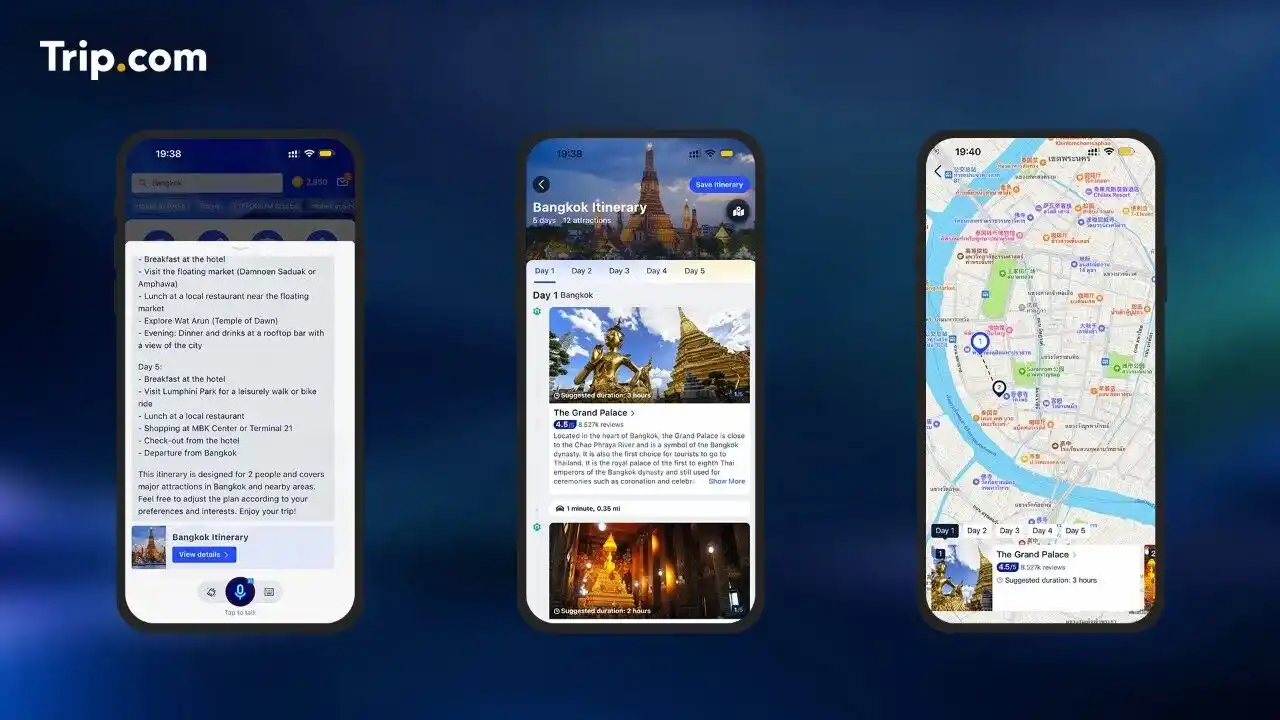
Я уверен, что специалистов из материкового Китая это «внедрение приложения» волнует гораздо больше, чем использование карт USDT. Адвокат Дэн Сяоюй, как член сообщества Trip.com, испытывает глубокое удовлетворение от такого платежного решения, но считает необходимым напомнить цифровым кочевникам, что в процессе использования также важно уделять внимание соответствию требованиям, чтобы совместно способствовать росту смелых и инновационных компаний.
Почему поддержка оплаты в U зарубежной версией Trip.com вызвала такой ажиотаж? Помимо так называемой «свободы платежей», за этим стоит极其精明 экономический расчет.
Во-первых, это «естественная скидка» due to разницы курсов. На внебиржевом рынке стейблкоинов между обменным курсом USDT и официальным обменным курсом банка часто существует «перевернутая разница» или волатильность премии. Получая дешевые стейблкоины через определенные внебиржевые каналы и используя их для оплаты по эквиваленту в долларах США, пользователи часто могут забронировать элитные авиабилеты и отели по цене на 5%-10% ниже рыночной.
Во-вторых, это позволяет избежать «комиссий» и «лимитов»跨境支付. Традиционные跨境ные платежи по кредитным картам不仅 сталкиваются с комиссией за конвертацию валюты в размере 1,5%-3%, но и ограничены годовым лимитом на иностранную валюту в 50 000 долларов США. Использование стейблкоинов для оплаты不仅 обеспечивает «физический вывод» активов, но и обходит многоуровневые проверки соответствия в банковской системе. Для从业ников Web3 или состоятельных людей, имеющих на руках большое количество U, это не только потребление, но и «скрытая метафора» ликвидности активов.
Однако эти так называемые «арбитражные возможности» и «платежные преимущества», с точки зрения регулирующих органов, являются также лакомым кусочком и неизбежно привлекут внимание надзорных органов. Поэтому частным пользователям, прежде чем нажать «Подтвердить оплату», обязательно следует прочитать это руководство по избежанию уголовных рисков для различных сценариев.
Сценарий 1: Чисто личное потребление
Если ваши USDT получены законным путем (например, майнинг на ранних этапах, инвестиции через лицензированные биржи) и используются исключительно для бронирования жилья или покупки билетов для себя во время зарубежных поездок, это относится к «потреблению для личного использования».
Хотя такое поведение кажется безобидным, с точки зрения китайского валютного контроля его логическая цепочка выглядит как «юань — виртуальная валюта — иностранная валюта за рубежом — авиабилеты/отели». По своей сути это构成了变相 обмен юаня на иностранную валюту.
Хотя мелкие, разовые случаи личного использования обычно не преследуются как уголовное преступление в судебной практике, на административном уровне это все равно является нарушением правил, обходящим валютный контроль. Если сумма累计较大, штраф от валютного управления может оказаться дороже ваших расходов на проживание.
Другая реальная风险 заключается в «токсичности» источника средств.
Ключевая больная точка платежей Web3 заключается в том, что很难 гарантировать абсолютную чистоту ваших U. Если при покупке USDT на внебиржевом канале средства контрагента были связаны с мошенничеством, азартными играми и другим черным бизнесом, то вы платите платформе «черными U». Правоохранительные органы будут отслеживать цепочку USDT, и一旦 платеж будет заблокирован, вы不仅 не попадете в отель, но и все ваши банковские карты, аккаунты WeChat и Alipay могут столкнуться с «полной заморозкой».
В уголовном расследовании доказать «я действительно просто хотел забронировать номер» — это сложность и временные затраты, которые трудно представить.
Сценарий 2: Бронирование для других с получением прибыли
Если вы обнаружите, что存在 разница курсов или скидка при оплате стейблкоинами, и воспользуетесь этим, чтобы разместить пост в соцсетях и помочь другим забронировать отель или авиабилеты за юани, характер деятельности коренным образом меняется.一旦 ваши действия приобретают повторяющийся и корыстный характер, это уже не потребление, а «предпринимательская деятельность».
Согласно «Интерпретации Верховного народного суда и Верховной народной прокуратуры по применению закона при рассмотрении уголовных дел о незаконной деятельности по расчетному обслуживанию и незаконной买卖外汇», незаконная деятельность по расчетному обслуживанию или незаконная买卖外汇, при незаконном经营 объемом в 5 миллионов юаней и более или незаконном доходе в 100 000 юаней и более,构成 незаконная предпринимательская деятельность.
Вы думаете, что наживаетесь на платформе, но в глазах регулятора вы, по сути, используете виртуальную валюту в качестве посредника для незаконного ведения деятельности подпольных банков. Такое поведение «профессионального бронирования» напрямую попадает под прицел уголовного преследования.
Кроме того, «перевернутая разница цен» часто означает «первородный грех». Если вы можете предоставить услуги по бронированию за USDT по цене значительно ниже рыночной, судебные органы будут предполагать, что вы субъективно знаете о незаконном происхождении U. В этом случае каждый полученный вами платеж за бронирование может быть расценен как помощь черному бизнесу в «обналичивании».
В этом случае вам грозит не только незаконная предпринимательская деятельность, но и可能 обвинение в сокрытии доходов от преступной деятельности или пособничестве. Цена такого уголовного риска绝对 не покрывается этими комиссионными за бронирование.
Как быть «соответствующим правилам путешественником» в эпоху Web3?
Технологический прогресс приносит удобства, но «длинная рука» закона всегда следит за безопасностью跨境流动 средств. Чтобы игроки Web3 могли享受 преимущества технологий, не рискуя «попасть внутрь», юристы Mankun дают следующие рекомендации:
1. Для игроков, использующих USDT для личного потребления, необходимо придерживаться принципа «дефинансирования».
Имя в платежном аккаунте, имя в заказе на Trip.com и имя фактического проживающего должны高度 совпадать. Ни в коем случае не оплачивайте за «друзей» ради удобства, такое несоответствие личностей крайне сложно объяснить в ходе судебного расследования. Кроме того, вы должны сохранять полные доказательства «чистоты средств».
Если стейблкоины, которыми вы платите, были куплены вами на регулируемой бирже с прохождением проверки подлинности личности, обязательно сделайте скриншот交易记录 и сохраните его. В случае заморозки банковской карты или уголовного допроса, это ваш ключевой оберег, исключающий субъективное уголовное знание.
Кроме того, квитанции из отеля после заселения и посадочные талоны также являются незаменимыми доказательствами, они能证明, что ваша оплата имела реальный потребительский контекст, а не являлась фиктивной сделкой по незаконному обмену валюты.
2. Для тех, кто хочет извлечь выгоду из разницы курсов, у нас есть только одна рекомендация: немедленно прекратите.
Публичная публикация рекламы «Бронирование за U» на внутренних платформах соцсетей不仅 легко может привести к обвинению в незаконной предпринимательской деятельности, но и сделать вас «белой перчаткой» для отмывания средств черного бизнеса. Не принимайте юани от незнакомцев, чтобы заплатить за них U платформе, потому что вы никогда не знаете, сколько слез жертв скрывается за этими юанями.
Помните, дешевые U часто сопровождаются высокими уголовными издержками. Никогда не пытайтесь отмыть черные U в чистые фиатные деньги через «возврат средств и обналичивание».
Зарубежные платформы, такие как Trip.com, имеют extremely сильные системы противодействия отмыванию денег,一旦 такое поведение вызовет тревогу, ваши активы Web3 и внутренние банковские карты будут заблокированы в обоих направлениях, и вас даже могут внести в международный черный список по борьбе с отмыванием денег.
Заключение
Мечта цифровых кочевников Web3 прекрасна: у бассейна в Чиангмае забронировать билет до Лондона с помощью своих стейблкоинов, в любое время отправиться в путешествие, куда захочется. Поддержка оплаты U в зарубежной версии Trip.com действительно приблизила нас к этой «свободе платежей» на большой шаг.
Но как юристы, мы видели太多 трагедий, когда погоня за небольшой разницей в курсе приводила к заморозке банковских карт всей семьи. Цена такой «гладкости» часто заключается в ночных допросах, где вы не можете доказать свою невиновность.
Мы не рекомендуем полностью сталкивать активы Web3 с активами реальной жизни, и тем более не советуем帮你朋友「顺便代订」, навлекая на себя тяжелые уголовные подозрения. Жизнь должна оставаться жизнью, пусть монеты остаются в кошельке, а соответствие — в сознании.
В конце концов, все путешествия должны заканчиваться благополучным возвращением домой, только тогда этот билет真正 вступает в силу.
Не позволяйте одному «гладкому» платежу превратиться в длительную уголовную博弈.


















