Автор:Lao Bai
Спустя два года, Vitalik снова написал в Twitter, и я тоже хочу вернуться к тому исследовательскому отчету двухлетней давности, даже дата совпадает — 10 февраля. (Связанное чтение: ABCDE: обзор AI+Crypto с точки зрения первичного рынка)
Два года назад Виталик уже довольно прозрачно намекнул, что он не очень высокого мнения о различных популярных в то время концепциях «Crypto Helps AI». Тогда в кругах были популярны «три кита»: токенизация вычислительных мощностей, токенизация данных и токенизация моделей. Мой отчет двухлетней давности в основном касался именно этих трех направлений и некоторых наблюдений и сомнений, замеченных на первичном рынке. С точки зрения Виталика, он больше верил в «AI Helps Crypto».
Тогда он привел несколько примеров:
- ИИ как участник в игре;
- ИИ как интерфейс игры;
- ИИ как правила игры;
- ИИ как цель игры;
За последние два года мы сделали множество попыток в направлении «Crypto Helps AI», однако результаты скромные. Многие направления и проекты — выпустили токен и на этом всё, нет реального продукт-рыночного соответствия (PMF), я называю это «токенизированной иллюзией».
1. Токенизация вычислительных мощностей — Большинство не может предоставить коммерческий SLA, нестабильны, часто отключаются. Могут обрабатывать только простые задачи инференса небольших моделей, в основном обслуживают нишевые рынки, доход не привязан к токену......
2. Токенизация данных — Высокое трение на стороне предложения (частные лица), низкая готовность, высокая неопределенность. Со стороны спроса (компании) нужны структурированные, контекстно-зависимые данные от профессиональных поставщиков с доверием и юридической ответственностью, Web3 проекты с DAO-структурой вряд ли могут это предоставить.
3. Токенизация моделей — Модель по своей сути является не稀缺ным, реплицируемым, настраиваемым, быстро обесценивающимся процессуальным активом, а не конечным активом. Hugging Face сам по себе является платформой для collaboration и распространения, больше похож на «GitHub для ML», а не на «App Store для моделей». Поэтому так называемые «децентрализованные Hugging Face» для токенизации моделей в основном заканчиваются провалом.
Кроме того, за эти два года мы пробовали различные методы «верифицируемого инференса» — это классическая история «искать гвозди для молотка». От ZKML до OPML и игровых теорий и т.д., даже EigenLayer переключил свой нарратив Restaking на основе Verifiable AI.
Но в основном происходит то же, что и в секторе Restaking — немногие AVS готовы постоянно платить за дополнительную верифицируемую безопасность.
Точно так же, верифицируемый инференс в основном проверяет «то, что никто на самом деле не нуждается в проверке», модель угроз на стороне спроса крайне размыта — от кого именно мы защищаемся?
Ошибки вывода ИИ (проблемы возможностей модели) случаются гораздо чаще, чем злонамеренное изменение вывода ИИ (проблемы противодействия). Недавние инциденты безопасности на OpenClaw и Moltbook все видели, реальные проблемы исходят от:
- Неверно разработанной стратегии
- Слишком широких выданных прав
- Непродуманных границ
- Неожиданного взаимодействия комбинаций инструментов
- ...
Практически не существует таких выдуманных «гвоздей», как «модель была изменена», «процесс вывода был злонамеренно переписан».
dir="ltr">В прошлом году я публиковал эту картинку, не знаю, помнит ли кто-нибудь из старых товарищей.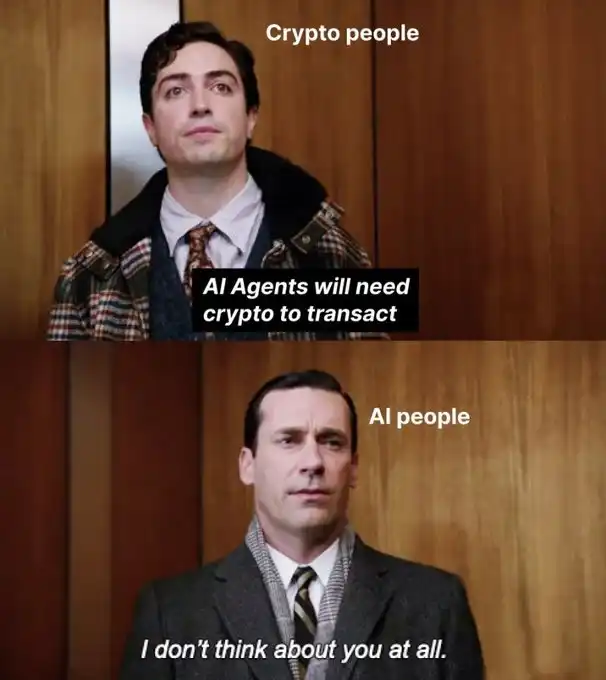
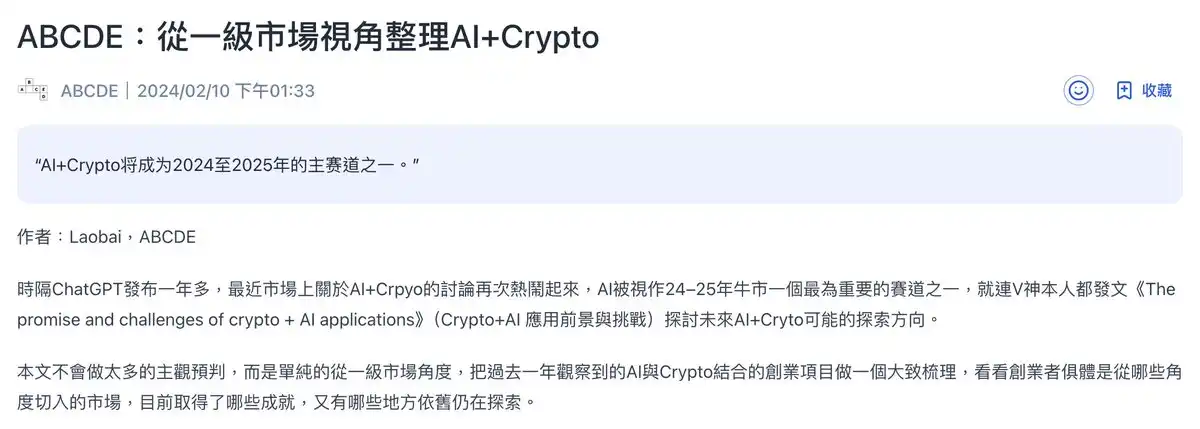
Идеи, которые Виталик предложил на этот раз, явно более зрелые, чем два года назад, и это также связано с прогрессом, достигнутым нами в области конфиденциальности, X402, ERC8004, прогнозных рынков и других направлениях.
Можно видеть, что на этот раз он разделил на четыре квадранта, половина относится к AI Helps Crypto, другая половина — к Crypto Helps AI, а не явный перекос в сторону первого, как два года назад.
Верхний левый и нижний левый — Использование децентрализации и прозрачности Ethereum для решения проблем доверия и экономического взаимодействия в AI
1. Обеспечение доверительных и приватных взаимодействий с ИИ (Инфраструктура + Выживание): Использование технологий ZK, FHE и др. для обеспечения конфиденциальности и верифицируемости взаимодействий с ИИ (не знаю, подходит ли сюда упомянутый мной ранее верифицируемый инференс).
2. Ethereum как экономический слой для ИИ (Инфраструктура + Процветание): Позволить AI-агентам (Agents) осуществлять экономические платежи через Ethereum, нанимать других ботов, вносить гарантийные депозиты или создавать системы репутации, тем самым строя децентрализованную архитектуру ИИ, а не ограничиваясь единой платформой гиганта.
Верхний правый и нижний правый — Использование интеллектуальных возможностей ИИ для оптимизации пользовательского опыта, эффективности и управления в крипто-экосистеме:
3. Видение «киберпанк-отшельника» с локальными LLM (Влияние + Выживание): ИИ как «щит» и интерфейс пользователя. Например, локальные LLM (большие языковые модели) могут автоматически аудировать смарт-контракты, проверять транзакции, уменьшая зависимость от централизованных фронтендов,保障 (обеспечивая) цифровой суверенитет личности.
4. Сделать значительно лучшие рынки и управление реальностью (Влияние + Процветание): Глубокое участие ИИ в прогнозных рынках (Prediction Markets) и управлении DAO. ИИ может выступать в качестве эффективного участника, усиливая человеческое суждение за счет массовой обработки информации, решая ранее существовавшие проблемы рынков и управления: недостаток внимания людей, высокая стоимость решений, информационная перегрузка, апатия к голосованию и т.д.
Раньше мы безумно хотели, чтобы Crypto помогал AI, а Виталик стоял по другую сторону. Теперь мы наконец встретились посередине, хотя, по предварительным оценкам, это не имеет отношения к различным XX-токенизациям или каким-либо AI Layer1. Надеюсь, что через два года, оглянувшись на сегодняшний пост, мы увидим новые направления и сюрпризы.