После взлома, в результате которого злоумышленники похитили 44,5 млрд вон (примерно 30 млн долларов) из горячего кошелька Solana, Upbit начал перемещать почти все активы клиентов в холодное хранилище. Этот шаг ставит его в число самых консервативных платформ в мире с точки зрения хранения активов в онлайн-режиме.
Этот переход знаменует собой один из самых значительных поворотов в области безопасности со стороны крупной биржи, что указывает на более широкую отраслевую дискуссию о балансировании между быстрым выводом средств и необходимостью сокращения поверхностей атаки.
По мере продолжения расширения рынков цифровых активов ответные меры Upbit предоставляют реальное представление о том, как платформы балансируют операционную ликвидность с системными киберрисками.
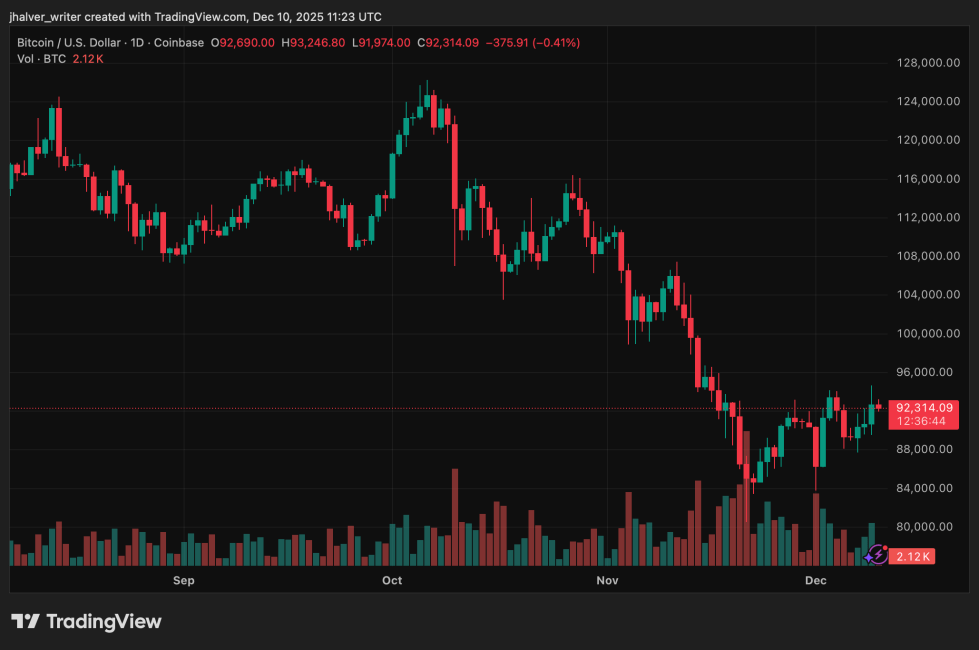
Цена BTC показывает небольшой рост на дневном графике. Источник: BTCUSD на Tradingview
Upbit сводит использование горячих кошельков к нулю
После внутренней проверки и пересмотра системы Upbit подтвердил, что теперь около 99% активов пользователей хранятся в холодных кошельках, а exposure горячих кошельков сокращен до примерно 1% и, как ожидается, будет снижаться дальше.
По состоянию на конец октября биржа хранила 98,33% средств клиентов в оффлайн-режиме, что уже значительно превышает минимальные 80%, требуемые южнокорейским Законом о защите пользователей виртуальных активов.
Этот сдвиг следует тенденции роста осторожности. Недавнее нарушение стало второй значительной атакой на Upbit, произошедшей 27 ноября, и повторило инцидент 2019 года, когда из его систем было выведено более 342 000 ETH.
Атака на основе Solana в этом году привела к выводу средств по 24 токенам менее чем за час, что prompted немедленное отключение операций с горячими кошельками и аварийные переводы в холодное хранилище. Upbit пообещал полностью возместить убытки пострадавшим пользователям из корпоративных резервов.
Внутренние данные свидетельствуют о том, что биржа уже лидирует на рынке по использованию холодного хранения, поддерживая самый низкий коэффициент горячих кошельков среди местных конкурентов, чьи доли холодных кошельков варьируются от 82% до 90%.
Бенчмарк безопасности оказывает давление на глобальные и местные биржи
Коэффициент холодного хранения Upbit, близкий к 99%, превосходит стандарты крупных глобальных бирж. Coinbase хранит около 98% своих средств оффлайн, а показатель Kraken составляет от 95% до 97%.
Некоторые азиатские биржи, включая OKX и Gate.io, поддерживают аналогичные уровни. С последним обновлением Upbit платформа теперь находится на переднем крае глобальной практики холодного хранения.
Наблюдатели в отрасли отмечают, что этот шаг соответствует более широкому регуляторному импульсу. Комиссия по финансовым услугам Южной Кореи рассматривает новые правила, которые потребуют от бирж компенсировать пользователям убытки, resulting от взломов, независимо от вины, аналогично стандартам, imposed на банки.
Вопросы ликвидности сохраняются на ограниченном рынке
Хотя безопасность находится в центре реструктуризации Upbit, аналитики предупреждают, что работа с минимальными резервами горячих кошельков может замедлить вывод средств в периоды повышенной волатильности рынка.
Рынок криптовалют Южной Кореи в значительной степени закрыт для иностранных участников, что ограничивает арбитраж и создает условия, при которых задержки могут усугублять ценовые расхождения, commonly известные как «кимчи-премия».
Во время временной приостановки вывода средств в прошлом месяце ликвидность была effectively заблокирована, что привело к резкому расширению ценовых разрывов между корейским и мировым рынками. Тем не менее, Upbit утверждает, что его rebuilt системы и predictive модели обеспечат sufficient ликвидность в нормальных торговых условиях.
Изображение для обложки от ChatGPT, график BTCUSD от Tradingview






