Token Doesn't Need a Chinese Name, But the Business Behind It Does

marsbitОпубликовано 2026-03-23Обновлено 2026-03-23

Введение

Recent discussions in China have intensified around finding an appropriate Chinese translation for the technical term "Token," driven by its growing economic and industrial significance. Previously an obscure technical term within AI circles, Token has now entered mainstream discourse due to its role as a billing unit in cloud services, a revenue metric for AI companies, and a key indicator in national AI industry statistics. Proposed translations include "智元" (suggested by AI media, implying "intelligence unit"), "模元" (proposed by academics, leaning toward "model unit"), and "符元" (a more neutral, technical term meaning "symbol unit"). The debate is not merely linguistic but reflects broader commercial and narrative control over the AI industry. Different translations align with different stakeholders’ interests: "智元" benefits those emphasizing intelligent computation, while "模元" reinforces the role of model developers. The term already had an academic translation—“词元” (ciyuan)—since 2021, but it gained little attention until Tokens became a valuable economic unit. As Token consumption in China surges—reaching 180 trillion per day—the naming contest underscores deeper issues of market influence, branding, and “coinage” rights in the emerging AI-driven economy. Ultimately, those who produce Tokens may hold the power to define them, regardless of the chosen name.

Author: Kuli, Shenchao TechFlow

Recently, you may have noticed something: people have started discussing what Token should be called.

Professor Yang Bin from Tsinghua University published an article titled "It's Urgent to Determine the Chinese Translation for Token"; a related translation question on Zhihu garnered 250,000 views, with comment sections flooded with suggestions.

Over the past two to three years, the domestic AI circle directly used the term "Token" without any issue. Why the sudden need for a Chinese name?

The immediate reason might be that, after this year's Spring Festival, ordinary people learned for the first time that Tokens cost money.

OpenClaw transformed AI from chatting to working, with a single task burning through hundreds of thousands of Tokens, sending bills skyrocketing; various cloud providers have also announced price increases, with the billing unit being Token.

At the same time, Token started appearing in places it hadn't before.

At the GTC conference, NVIDIA CEO Jensen Huang mentioned that in Silicon Valley, people are now asking in job interviews, "How many Tokens does this job offer?" He suggested incorporating Tokens into engineers' compensation;

OpenAI founder Sam Altman took it even further, suggesting that Tokens would replace universal basic income, with everyone receiving computing power instead of money.

Data from the National Data Bureau shows that China's daily Token consumption surged from 100 billion in early 2024 to over 40 trillion by September 2025, reaching 180 trillion this February. At the beginning of the year, People's Daily published an article titled "A Casual Talk on Ciyuan (词元)" to explain the term to readers.
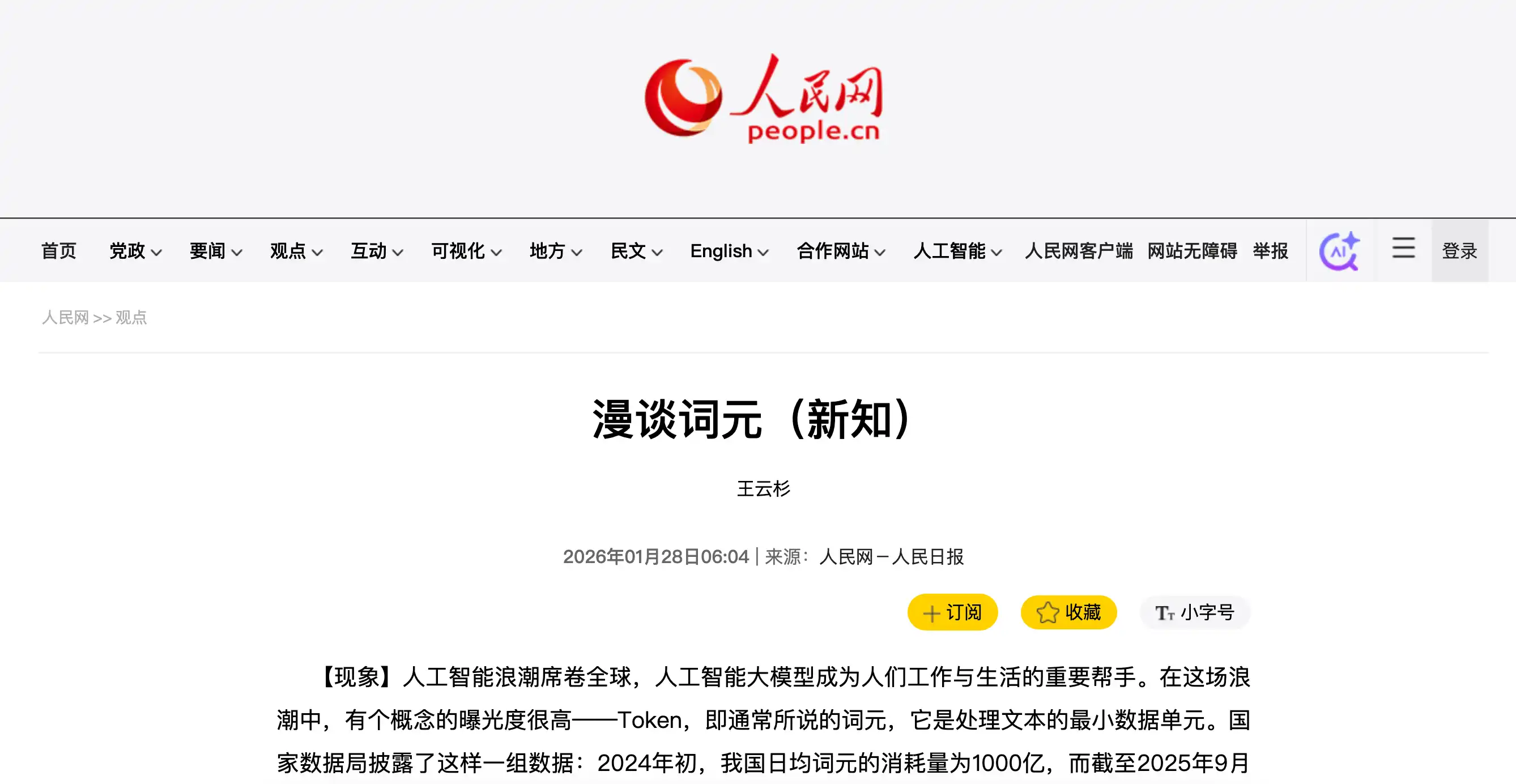
Once a technical term enters cloud service bills, recruitment compensation packages, and official statistical metrics, it can no longer remain in English.

The question is, what to call it?

If this were merely a translation issue, there would already be an answer. In 2021, the domestic academic community settled on a name for Token: 词元 (Ciyuan).

But no one cared back then because Token was still an internal term within technical circles.

Now, it's different.

The word "Token" itself is a versatile container; previously, people in the crypto sphere called it 代币 (Daibi, meaning token/coin), those in security called it 令牌 (Lingpai, meaning token/pass), and those in AI called it 词元 (Ciyuan, meaning lexical unit). The same English word, depending on which direction the Chinese translation leans, determines whose territory it belongs to.

Thus, a battle over naming Token began.

Business Needs Discourse Power

How a word is translated is usually a matter for linguists. But this time, almost no linguists are involved in the naming.

The currently most prominent name is "智元" (Zhiyuan).

It is being pushed most vigorously by an AI media outlet called "新智元" (Xin Zhiyuan). If the Chinese name for Token is set as "智元", this company's brand name would coincide with a fundamental industry term, effectively getting free advertising in every article discussing Token.

Their own promotional article ends quite frankly: "We suggest translating Token as the industry's new consensus: 智元 (Zhiyuan), leaving the '新' (Xin, meaning new) for us."

According to the same article, Baichuan Intelligent founder Wang Xiaochuan commented: "Calling it Zhiyuan is quite good."

As a maker of large models, it's certainly good for him if Token is called Zhiyuan. Each operation of the model would then produce not just a billing unit, but a "basic unit of intelligence."

Selling Token is selling traffic; selling Zhiyuan is selling intelligence—the valuation story is entirely different.

Professor Yang Bin from Tsinghua University proposed "模元" (Moyuan), with "模" (Mo) corresponding to model. Whoever owns the large model holds the production rights to "模元". Leaning the name towards models shifts pricing power to the model companies.

Some advocate for "符元" (Fuyuan), returning to the most fundamental definition in computer science—Token is simply a unit of symbolic processing, unrelated to intelligence or models.

It's the cleanest technically, but the proposer is an independent technical writer, without corporate backing or capital push, and thus has almost no voice in this discussion.

Whichever direction the name leans, the industry narrative moves that way, and money flows accordingly.

A distant example: the day Facebook renamed itself Meta, "metaverse" transformed from a sci-fi concept into a valuation story for a company. A recent example: China consumes 180 trillion Tokens daily, ranking first globally, but what to call it, how to define it, and who defines it remain undecided...

The world's largest consumer of Tokens hasn't even decided what to call what it consumes.

However, this term actually already had a Chinese name.

In 2021, Professor Qiu Xipeng from the School of Computer Science at Fudan University translated Token as "词元" (Ciyuan). The academic community accepted it and wrote it into textbooks. Nobody discussed it then because Token wasn't valuable back then.

Now Token is valuable.

It is the billing unit for cloud services, the revenue source for large model companies, and a core metric for national statistics on the AI industry's scale. So the media arrived, the big shots arrived, the professors arrived, each bringing their preferred name and the rationale behind it.

Translation was never the problem. The problem is when this term started becoming valuable.
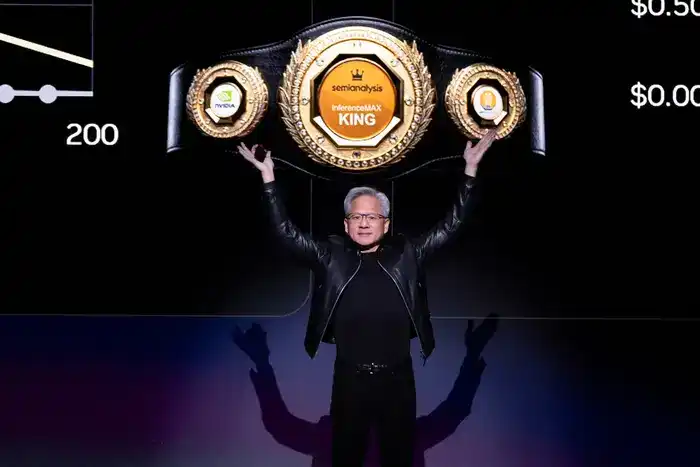
Jensen Huang did not participate in the Chinese naming discussion at GTC. He did something simpler: held up a championship belt printed with "Token King" and declared that data centers are Token factories.

Whoever produces Tokens, defines Tokens. What the name is, he doesn't care.

Token, Land Grabbing, and Coin Minting

Therefore, the part truly deserving serious thought in this matter is not which translation is better.

After the term "calorie" was established, the entire food industry's pricing, labeling, and regulatory systems were built around it. After the definition of "流量" (Liuliang, data traffic) was established in China's telecommunications industry, operators billed, competed, and designed packages based on it—the entire business model revolved around these two words for over a decade.

Token is now on the same path.

It is already the billing unit for cloud services, the revenue metric for large model companies, and a core indicator for measuring the AI industry's scale at the national level. The VC circle is even starting to talk about whether investment disbursements can be made directly in Tokens.

Once a word becomes a measure of money, naming it is no longer translation; it's minting currency.

Call it "智元" (Zhiyuan), and the minting right belongs to the AI narrative; whoever tells the story of intelligence benefits. Call it "模元" (Moyuan), and the minting right goes to the model companies; whoever has the large model prints money. Call it "符元" (Fuyuan), and the minting right returns to the technology itself, but technology itself doesn't speak for itself.

The academic community's 2021 term "词元" (Ciyuan) was ignored not because the translation was poor, but because this "coin" wasn't valuable back then.

Now it's valuable, and everyone wants to carve their name on it.

Трендовые криптовалюты

Связанные с этим вопросы

QWhy has there been a recent push to give Token a Chinese name, according to the article?

ABecause Token has become a valuable economic unit, appearing in cloud service bills, recruitment packages, and official statistics, making an English term no longer suitable for widespread use in China.

QWhat are some of the proposed Chinese translations for Token mentioned in the article, and who supports them?

A"智元" (Zhi Yuan) is promoted by the AI media '新智元' and supported by Baichuan AI's founder Wang Xiaochuan; "模元" (Mo Yuan) was proposed by Professor Yang Bin of Tsinghua University; "符元" (Fu Yuan) was suggested by an independent technical writer.

QWhat does the article suggest is the real issue behind the naming debate, beyond just translation?

AThe real issue is about 'minting rights' or economic control. The chosen name will shape the industry narrative and determine where the economic benefits and pricing power flow, whether to AI storytellers, model companies, or the technical field.

QWhat was the earlier academic translation for Token from 2021, and why was it largely ignored at the time?

AThe academic translation from 2021 was "词元" (Ci Yuan), proposed by Professor Qiu Xipeng of Fudan University. It was ignored because Token was not yet a valuable economic unit at that time and was only an internal technical term.

QHow does the article use the examples of 'calories' and 'data traffic' to explain the significance of naming Token?

AThe article uses these examples to show that once a term becomes a unit of measurement for money (like calories for food pricing or data traffic for telecom billing), naming it is not just about translation but about establishing an entire economic and regulatory system around it, effectively 'minting a new currency'.

Похожее

Майкл Сэйлор: «Мы никогда не говорили, что никогда не будем продавать биткоины»

Председатель стратегической комиссии Майкл Сэйлор прокомментировал сообщения о новом разрешении компании Strategy на продажу биткоинов. Он заявил, что данное разрешение не является новым — оно было объявлено ещё 29 июня в рамках системы управления капиталом компании. Соглашение позволяет продавать BTC на сумму до 5 миллиардов долларов для определённых целей, но не обязывает компанию к продаже. Сэйлор подчеркнул, что Strategy никогда официально не брала на себя обязательство никогда не продавать свои биткоины, хотя и рассчитывает оставаться чистым покупателем BTC в долгосрочной перспективе. Он назвал текущие новости «старыми», переподанными как новые, и подтвердил, что программа монетизации биткоинов компании не предполагает обязательной продажи её активов.

cryptonews.ru9 мин. назад

Майкл Сэйлор: «Мы никогда не говорили, что никогда не будем продавать биткоины»

cryptonews.ru9 мин. назад

«Летняя пила» продолжается: пробой $67 000 станет началом роста биткоина

Цена биткоина продолжает консолидироваться в диапазоне $58 000–$67 000 с начала июня. 1 августа актив снизился до $62 217. Аналитики расходятся в краткосрочных прогнозах: некоторые, как Crypto Candy, ожидают тестирования уровня $60 000 или ниже, пока цена находится под $66 000. Другие, как Jelle, видят в боковом движении «летнюю пилу» и придерживаются стратегии усреднения. Ключевым для определения дальнейшего направления считается уровень $67 000. По мнению Daan Crypto Trades, его пробой необходим для выхода из затянувшейся паузы. Roman полагает, что уверенный пробой с объемом может быстро запустить рост к $70 000–$80 000 и выше. С долгосрочной точки зрения, макроаналитик Герт ван Лаген рассматривает текущую фазу как накопление в рамках масштабной формации «чаша с ручкой». Он отмечает, что долгосрочные держатели не спешат продавать актив, о чем говорит показатель NUPL. Таким образом, рынок находится в решающей фазе, где пробой либо поддержки $60 000, либо сопротивления $67 000 задаст тренд на ближайшее будущее.

cryptonews.ru23 мин. назад

«Летняя пила» продолжается: пробой $67 000 станет началом роста биткоина

cryptonews.ru23 мин. назад

На неделе с 3 по 9 августа стоит обратить внимание: Закон CLARITY, возможно, будет поставлен на голосование в Сенате; SpaceX и Circle опубликуют финансовые отчеты

**Важные события на следующей неделе (3–9 августа 2026 г.)** **Ключевые даты:** * **3 августа:** Публикация отчетов American Bitcoin за Q2. Полное закрытие сервисов DeFi-трекера Zapper и кошелька Ctrl Wallet. LayerZero прекратит поддержку ретрансляторов v1. Upbit прекратит торговлю токенами AQT и AERGO. * **4 августа:** Публикация финансовых отчетов SpaceX и Hut 8 за второй квартал 2026 года. * **5 августа:** Circle опубликует отчет за Q2. Начинается предварительное ценовое консультирование для IPO компании Unitree Tech (Ушу Цзишу) в Китае. * **6 августа:** Первая крупная разблокировка акций SpaceX — до 12% от общего капитала. * **7 августа:** Выход важных данных по рынку труда США (отчет о занятости за июль). Предельный срок для Сената США — получить 60 голосов в поддержку **Закона CLARITY** (билль о регулировании криптовалют и этике). Ожидается выпуск Grok 4.6 от xAI. * **8 августа:** Начало принудительной подачи сигналов в сети Bitcoin согласно предложению BIP-110. * **На неделе (дата уточняется):** Ожидается голосование полного состава Сената США по **Закону CLARITY**. Выход нового релиза XRP Ledger (v3.3.0) с новыми функциями, такими как конфиденциальные данные и пакетные транзакции. **Основные темы недели:** корпоративная отчетность (SpaceX, Circle), регулирование (CLARITY Act), рыночные события (разблокировка акций SpaceX, отчет по занятости в США) и обновления в технологиях блокчейна.

marsbit1 ч. назад

На неделе с 3 по 9 августа стоит обратить внимание: Закон CLARITY, возможно, будет поставлен на голосование в Сенате; SpaceX и Circle опубликуют финансовые отчеты

marsbit1 ч. назад

Акции упали сильнее, чем криптовалюты. Куда делись деньги?

Автор: Кэти,白话区块链 28-29 июля, Сеул. Индекс Kospi впервые в истории Южной Кореи два дня подряд срабатывал на приостановку торгов. Первый день: падение на 10.84%, второй день: -5.98%. SK Hynix, крупнейшая по весу акция, потеряла за два дня около 23%. Падение Nasdaq, глобальный обвал акций полупроводниковых компаний, массовые потери на кредитных ETF. За два дня откат Kospi от пика июня достиг 40%. Июль угрожает стать худшим месяцем в истории индекса. Все ранее перегретые сделки были перевернуты, как стол. Это не локальный негатив по одной акции, а глобальное принудительное снижение кредитного плеча. Самое парадоксальное: на этот раз больше всего на «криптовалютное» падение похожи именно акции. Спот: прибыль SK Hynix за второй квартал достигла рекордных 60.54 трлн вон, но из-за несоответствия прогнозу в 64.22 трлн акция подверглась жесткой распродаже. Хорошие новости не растут — это уже плохая новость. Производные инструменты пострадали еще сильнее. Кредитный ETF с плечом 2x на SK Hynix упал на 83% с пика, потеряв в стоимости более 1 трлн гонконгских долларов. Эмитент был вынужден изменить правила продукта. Неожиданно: Биткоин, известный высокой волатильностью, с 1 июля вырос почти на 15%, в то время как акции демонстрировали «криптовалютную» динамику. Это не паника всего рынка, а точечный сброс перегретых позиций. Триггеры: отчет SK Hynix и фактор Китая — крупнейшее IPO ChangXin Memory, направленное на расширение производства DRAM, создало конкуренцию для нарратива о дефиците памяти для ИИ. Дополнительное давление — нормализация политики Банка Японии и потенциальное сокращение кэрри-трейда в иенах. Эксперт Дэн Найлз считает, что это не крах логики ИИ, а «краткосрочное дно», вызванное принудительными ликвидациями мелких инвесторов и хедж-фондов. Промышленная логика не мертва — умерло кредитное плечо. Перетекли ли деньги из акций в Биткоин? Нет. «Устойчивость» Биткоина объясняется тем, что он уже прошел фазу распродаж раньше. В мае-июне американские спотовые BTC-ETF зафиксировали рекордный отток средств. К июлю продавать было уже нечего. Небольшой приток в июле — лишь частичное восстановление. Настоящие «защитные» деньги пошли в золото. Коэффициент корреляции между Биткоином и золотом упал до -0.88. Нарратив о «цифровом золоте» разбит: золото — для сохранения капитала, Биткоин — для роста. Деньги придут в криптоактивы при выполнении трех условий: смягчение глобального давления на ликвидность; снижение ставок ФРС без рецессии; принятие закона CLARITY, устраняющего регуляторные неопределенности. Пока Биткоин — не убежище, а актив, который раньше других прошел очистку. Но когда шторм утихнет и глобальный капитал снова начнет распределяться, Биткоин займет место в первых рядах очереди. Место уже зарезервировано.

marsbit1 ч. назад

Акции упали сильнее, чем криптовалюты. Куда делись деньги?

marsbit1 ч. назад

Диалог с Далио: Сейчас мы находимся в пузыре ИИ, 1% моего инвестиционного портфеля — это биткоин

Источник: интервью Рэя Далио, основателя Bridgewater Associates, для подкаста "The Diary Of A CEO". Далио, предсказавший кризис 2008 года, обсуждает "большой цикл" — концепцию, охватывающую долговые проблемы, растущее неравенство и геополитические сдвиги. Он указывает, что текущий ажиотаж вокруг ИИ демонстрирует классические признаки пузыря, который может лопнуть из-за высокой долговой нагрузки, роста процентных ставок и чрезмерной эмиссии акций, что способно привести к рецессии. Для защиты личного капитала в неопределенные времена Далио советует диверсификацию: вместо хранения наличных инвестировать в акции, золото, облигации. Сам он держит около 1% портфеля в биткоине, считая его "твердыми деньгами", но предпочитает физическое золото из-за его статуса резервного актива и независимости от технологических рисков. Говоря о влиянии ИИ, Далио отмечает, что технология заменяет не только физический труд, но и элементы мышления, что увеличит разрыв между капиталом и трудом. Ключевыми останутся человеческие качества — эмоции и интуиция, а успеха добьются те, кто научится работать в партнерстве с ИИ. На геополитической арене, по его мнению, мир движется к регионализации с центрами в виде США и Китая. Вовлечение США в конфликты, подобные иранскому, обнажает снижение их абсолютного влияния. Внутренние вызовы, такие как дебаты о налогах на богатство, риск капитального бегства и низкая производительность, также ставят под вопрос стабильность традиционных держав в текущей фазе цикла.

marsbit4 ч. назад

Диалог с Далио: Сейчас мы находимся в пузыре ИИ, 1% моего инвестиционного портфеля — это биткоин

marsbit4 ч. назад

Торговля

Спот

Популярные статьи

Как купить PEOPLE

Добро пожаловать на HTX.com! Мы сделали приобретение ConstitutionDAO (PEOPLE) простым и удобным. Следуйте нашему пошаговому руководству и отправляйтесь в свое крипто-путешествие.Шаг 1: Создайте аккаунт на HTXИспользуйте свой адрес электронной почты или номер телефона, чтобы зарегистрироваться и бесплатно создать аккаунт на HTX. Пройдите удобную регистрацию и откройте для себя весь функционал.Создать аккаунтШаг 2: Перейдите в Купить криптовалюту и выберите свой способ оплатыКредитная/Дебетовая Карта: Используйте свою карту Visa или Mastercard для мгновенной покупки ConstitutionDAO (PEOPLE).Баланс: Используйте средства с баланса вашего аккаунта HTX для простой торговли.Третьи Лица: Мы добавили популярные способы оплаты, такие как Google Pay и Apple Pay, для повышения удобства.P2P: Торгуйте напрямую с другими пользователями на HTX.Внебиржевая Торговля (OTC): Мы предлагаем индивидуальные услуги и конкурентоспособные обменные курсы для трейдеров.Шаг 3: Хранение ConstitutionDAO (PEOPLE)После приобретения вами ConstitutionDAO (PEOPLE) храните их в своем аккаунте на HTX. В качестве альтернативы вы можете отправить их куда-либо с помощью перевода в блокчейне или использовать для торговли с другими криптовалютами.Шаг 4: Торговля ConstitutionDAO (PEOPLE)С легкостью торгуйте ConstitutionDAO (PEOPLE) на спотовом рынке HTX. Просто зайдите в свой аккаунт, выберите торговую пару, совершайте сделки и следите за ними в режиме реального времени. Мы предлагаем удобный интерфейс как для начинающих, так и для опытных трейдеров.

887 просмотров всегоОпубликовано 2024.04.12Обновлено 2026.06.02

Как купить PEOPLE

Обсуждения

Добро пожаловать в Сообщество HTX. Здесь вы сможете быть в курсе последних новостей о развитии платформы и получить доступ к профессиональной аналитической информации о рынке. Мнения пользователей о цене на PEOPLE (PEOPLE) представлены ниже.

活动图片













