Token Doesn't Need a Chinese Name, But the Business Behind It Does

marsbitОпубликовано 2026-03-23Обновлено 2026-03-23

Введение

Recent discussions in China have intensified around finding an appropriate Chinese translation for the technical term "Token," driven by its growing economic and industrial significance. Previously an obscure technical term within AI circles, Token has now entered mainstream discourse due to its role as a billing unit in cloud services, a revenue metric for AI companies, and a key indicator in national AI industry statistics. Proposed translations include "智元" (suggested by AI media, implying "intelligence unit"), "模元" (proposed by academics, leaning toward "model unit"), and "符元" (a more neutral, technical term meaning "symbol unit"). The debate is not merely linguistic but reflects broader commercial and narrative control over the AI industry. Different translations align with different stakeholders’ interests: "智元" benefits those emphasizing intelligent computation, while "模元" reinforces the role of model developers. The term already had an academic translation—“词元” (ciyuan)—since 2021, but it gained little attention until Tokens became a valuable economic unit. As Token consumption in China surges—reaching 180 trillion per day—the naming contest underscores deeper issues of market influence, branding, and “coinage” rights in the emerging AI-driven economy. Ultimately, those who produce Tokens may hold the power to define them, regardless of the chosen name.

Author: Kuli, Shenchao TechFlow

Recently, you may have noticed something: people have started discussing what Token should be called.

Professor Yang Bin from Tsinghua University published an article titled "It's Urgent to Determine the Chinese Translation for Token"; a related translation question on Zhihu garnered 250,000 views, with comment sections flooded with suggestions.

Over the past two to three years, the domestic AI circle directly used the term "Token" without any issue. Why the sudden need for a Chinese name?

The immediate reason might be that, after this year's Spring Festival, ordinary people learned for the first time that Tokens cost money.

OpenClaw transformed AI from chatting to working, with a single task burning through hundreds of thousands of Tokens, sending bills skyrocketing; various cloud providers have also announced price increases, with the billing unit being Token.

At the same time, Token started appearing in places it hadn't before.

At the GTC conference, NVIDIA CEO Jensen Huang mentioned that in Silicon Valley, people are now asking in job interviews, "How many Tokens does this job offer?" He suggested incorporating Tokens into engineers' compensation;

OpenAI founder Sam Altman took it even further, suggesting that Tokens would replace universal basic income, with everyone receiving computing power instead of money.

Data from the National Data Bureau shows that China's daily Token consumption surged from 100 billion in early 2024 to over 40 trillion by September 2025, reaching 180 trillion this February. At the beginning of the year, People's Daily published an article titled "A Casual Talk on Ciyuan (词元)" to explain the term to readers.
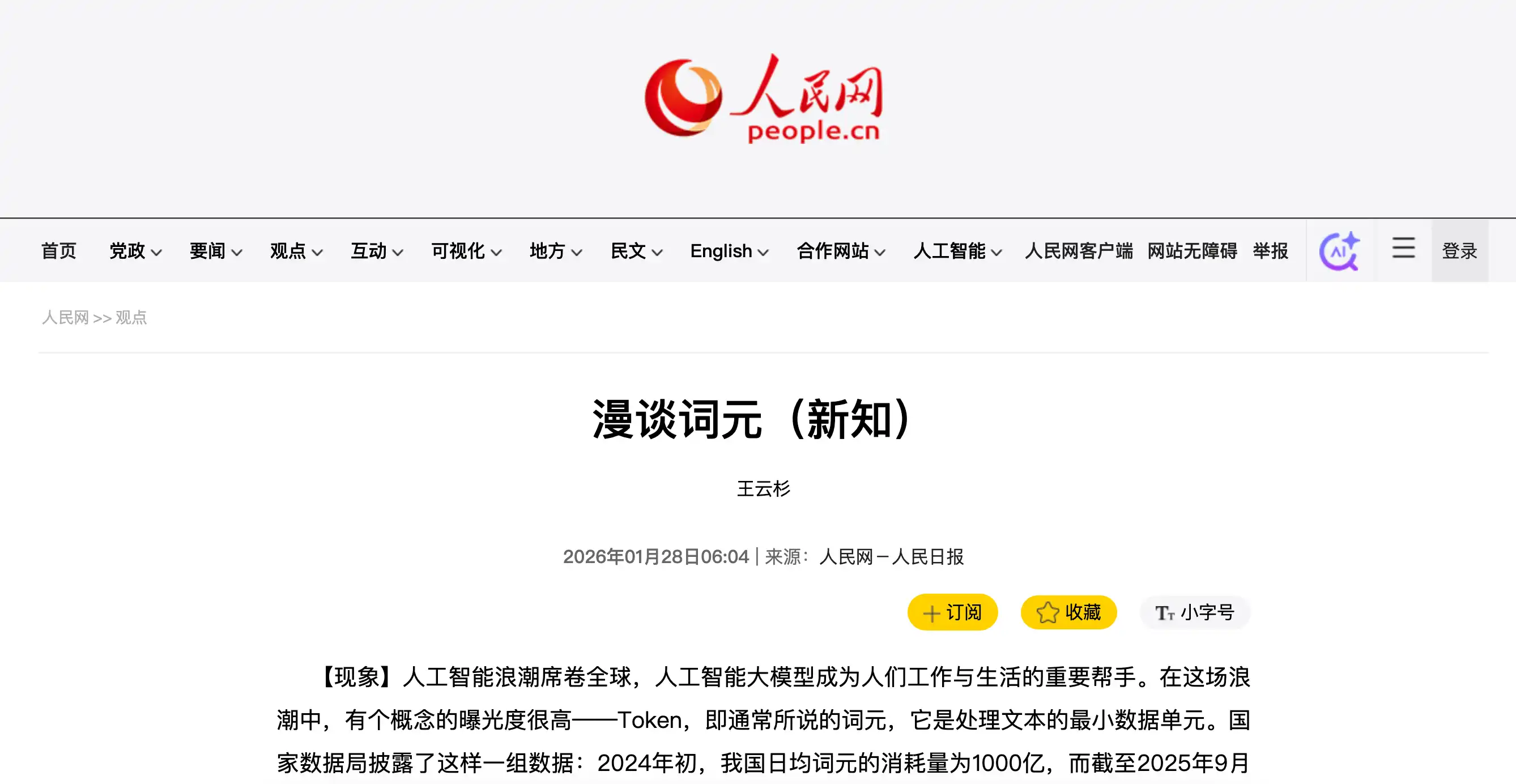
Once a technical term enters cloud service bills, recruitment compensation packages, and official statistical metrics, it can no longer remain in English.

The question is, what to call it?

If this were merely a translation issue, there would already be an answer. In 2021, the domestic academic community settled on a name for Token: 词元 (Ciyuan).

But no one cared back then because Token was still an internal term within technical circles.

Now, it's different.

The word "Token" itself is a versatile container; previously, people in the crypto sphere called it 代币 (Daibi, meaning token/coin), those in security called it 令牌 (Lingpai, meaning token/pass), and those in AI called it 词元 (Ciyuan, meaning lexical unit). The same English word, depending on which direction the Chinese translation leans, determines whose territory it belongs to.

Thus, a battle over naming Token began.

Business Needs Discourse Power

How a word is translated is usually a matter for linguists. But this time, almost no linguists are involved in the naming.

The currently most prominent name is "智元" (Zhiyuan).

It is being pushed most vigorously by an AI media outlet called "新智元" (Xin Zhiyuan). If the Chinese name for Token is set as "智元", this company's brand name would coincide with a fundamental industry term, effectively getting free advertising in every article discussing Token.

Their own promotional article ends quite frankly: "We suggest translating Token as the industry's new consensus: 智元 (Zhiyuan), leaving the '新' (Xin, meaning new) for us."

According to the same article, Baichuan Intelligent founder Wang Xiaochuan commented: "Calling it Zhiyuan is quite good."

As a maker of large models, it's certainly good for him if Token is called Zhiyuan. Each operation of the model would then produce not just a billing unit, but a "basic unit of intelligence."

Selling Token is selling traffic; selling Zhiyuan is selling intelligence—the valuation story is entirely different.

Professor Yang Bin from Tsinghua University proposed "模元" (Moyuan), with "模" (Mo) corresponding to model. Whoever owns the large model holds the production rights to "模元". Leaning the name towards models shifts pricing power to the model companies.

Some advocate for "符元" (Fuyuan), returning to the most fundamental definition in computer science—Token is simply a unit of symbolic processing, unrelated to intelligence or models.

It's the cleanest technically, but the proposer is an independent technical writer, without corporate backing or capital push, and thus has almost no voice in this discussion.

Whichever direction the name leans, the industry narrative moves that way, and money flows accordingly.

A distant example: the day Facebook renamed itself Meta, "metaverse" transformed from a sci-fi concept into a valuation story for a company. A recent example: China consumes 180 trillion Tokens daily, ranking first globally, but what to call it, how to define it, and who defines it remain undecided...

The world's largest consumer of Tokens hasn't even decided what to call what it consumes.

However, this term actually already had a Chinese name.

In 2021, Professor Qiu Xipeng from the School of Computer Science at Fudan University translated Token as "词元" (Ciyuan). The academic community accepted it and wrote it into textbooks. Nobody discussed it then because Token wasn't valuable back then.

Now Token is valuable.

It is the billing unit for cloud services, the revenue source for large model companies, and a core metric for national statistics on the AI industry's scale. So the media arrived, the big shots arrived, the professors arrived, each bringing their preferred name and the rationale behind it.

Translation was never the problem. The problem is when this term started becoming valuable.
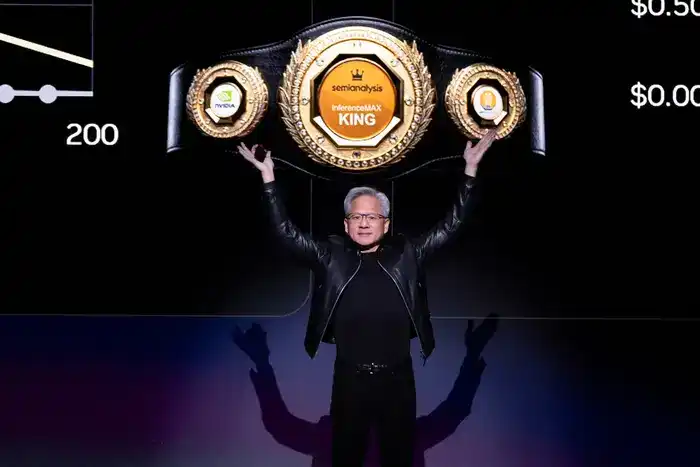
Jensen Huang did not participate in the Chinese naming discussion at GTC. He did something simpler: held up a championship belt printed with "Token King" and declared that data centers are Token factories.

Whoever produces Tokens, defines Tokens. What the name is, he doesn't care.

Token, Land Grabbing, and Coin Minting

Therefore, the part truly deserving serious thought in this matter is not which translation is better.

After the term "calorie" was established, the entire food industry's pricing, labeling, and regulatory systems were built around it. After the definition of "流量" (Liuliang, data traffic) was established in China's telecommunications industry, operators billed, competed, and designed packages based on it—the entire business model revolved around these two words for over a decade.

Token is now on the same path.

It is already the billing unit for cloud services, the revenue metric for large model companies, and a core indicator for measuring the AI industry's scale at the national level. The VC circle is even starting to talk about whether investment disbursements can be made directly in Tokens.

Once a word becomes a measure of money, naming it is no longer translation; it's minting currency.

Call it "智元" (Zhiyuan), and the minting right belongs to the AI narrative; whoever tells the story of intelligence benefits. Call it "模元" (Moyuan), and the minting right goes to the model companies; whoever has the large model prints money. Call it "符元" (Fuyuan), and the minting right returns to the technology itself, but technology itself doesn't speak for itself.

The academic community's 2021 term "词元" (Ciyuan) was ignored not because the translation was poor, but because this "coin" wasn't valuable back then.

Now it's valuable, and everyone wants to carve their name on it.

Трендовые криптовалюты

Связанные с этим вопросы

QWhy has there been a recent push to give Token a Chinese name, according to the article?

ABecause Token has become a valuable economic unit, appearing in cloud service bills, recruitment packages, and official statistics, making an English term no longer suitable for widespread use in China.

QWhat are some of the proposed Chinese translations for Token mentioned in the article, and who supports them?

A"智元" (Zhi Yuan) is promoted by the AI media '新智元' and supported by Baichuan AI's founder Wang Xiaochuan; "模元" (Mo Yuan) was proposed by Professor Yang Bin of Tsinghua University; "符元" (Fu Yuan) was suggested by an independent technical writer.

QWhat does the article suggest is the real issue behind the naming debate, beyond just translation?

AThe real issue is about 'minting rights' or economic control. The chosen name will shape the industry narrative and determine where the economic benefits and pricing power flow, whether to AI storytellers, model companies, or the technical field.

QWhat was the earlier academic translation for Token from 2021, and why was it largely ignored at the time?

AThe academic translation from 2021 was "词元" (Ci Yuan), proposed by Professor Qiu Xipeng of Fudan University. It was ignored because Token was not yet a valuable economic unit at that time and was only an internal technical term.

QHow does the article use the examples of 'calories' and 'data traffic' to explain the significance of naming Token?

AThe article uses these examples to show that once a term becomes a unit of measurement for money (like calories for food pricing or data traffic for telecom billing), naming it is not just about translation but about establishing an entire economic and regulatory system around it, effectively 'minting a new currency'.

Похожее

Сенатор предложил создать бюро борьбы с криптовалютным бизнесом Трампа

Сенатор Чак Шумер предложил создать независимое федеральное бюро для расследования коррупции, связанной с криптовалютным бизнесом, и возврата незаконно полученных средств. Инициатива направлена на борьбу со злоупотреблениями госслужащих. Шумер также предлагает разрешить частным лицам и прокурорам штатов подавать иски против чиновников и компаний. В качестве примера он привёл доходы Дональда Трампа и его семьи, превышающие $5,4 млрд с 2025 года от таких проектов, как World Liberty Financial и мемкоины TRUMP и MELANIA. Белый дом отвергает наличие конфликта интересов. Споры вокруг криптобизнеса Трампа заблокировали законопроект CLARITY: демократы настаивают на включении в него запрета на получение прибыли от криптовалют для высших должностных лиц и их семей. Ранее Шумер с коллегами безуспешно пытался внести аналогичные поправки в закон о стейблкоинах GENIUS.

cryptonews.ru40 мин. назад

Сенатор предложил создать бюро борьбы с криптовалютным бизнесом Трампа

cryptonews.ru40 мин. назад

Руководитель HIVE: Графические процессоры для ИИ приносят в 10 раз больше дохода в час, чем майнинговые фермы

Руководитель HIVE заявил, что использование графических процессоров для вычислений в сфере искусственного интеллекта приносит в 10 раз больше дохода в час, чем майнинг биткоина. Конкретный кластер из 504 GPU Nvidia B200 приносит около $2,90 за GPU-час, в то время как майнинговые установки компании генерируют примерно $0,12 в час. Эта разница лежит в основе стратегии компании: инвестиции направляются в высокодоходный ИИ-бизнес при продолжении майнинговой деятельности. В 2026 финансовом году выручка HIVE выросла на 158% до $297,8 млн, а доход от нового подразделения ИИ и высокопроизводительных вычислений (HPC) составил $19,5 млн. Компания ранее сделала крупную ставку на чипы Nvidia, что дало ей преимущество с началом бума ИИ. HIVE строит в Торонто центр обработки данных для ИИ мощностью 320 МВт, который после запуска в 2027 году сможет приносить около $360 млн годовой выручки. Компания ставит цель увеличить доход от ИИ/HPC в десять раз к концу финансового года. Аналогичный тренд наблюдается и у других майнинговых компаний, таких как MARA, Hut 8 и Terawulf, которые также переориентируют мощности на более доходные контракты в сфере ИИ и HPC на фоне снижения маржинальности майнинга биткоина.

cryptonews.ru41 мин. назад

Руководитель HIVE: Графические процессоры для ИИ приносят в 10 раз больше дохода в час, чем майнинговые фермы

cryptonews.ru41 мин. назад

«Каждый день без правил — это потеря капитала»: Grayscale обратилась к Сенату из-за CLARITY Act

Компания Grayscale Investments обратилась к лидерам Сената США с призывом провести голосование по законопроекту CLARITY Act до августовского перерыва Конгресса. В открытом письме компания подчеркивает, что американская криптоиндустрия годами работает без четкой законодательной базы, вынужденно адаптируясь к «регулированию через принудительное правоприменение», что создает неопределенность для бизнеса и инвесторов. Принятие CLARITY Act, по мнению Grayscale, установит ясные правила, распределит полномочия между CFTC и SEC и повысит конкурентоспособность США, остановив отток капитала и инноваций в юрисдикции с более понятным регулированием, такие как Сингапур или Абу-Даби. Закон также будет способствовать развитию рынка крипто-ETF и других регулируемых инвестиционных инструментов. Законопроект, являющийся результатом двухпартийной работы, уже прошел комитетские стадии. Однако его рассмотрение в Сенате откладывается из-за перегруженного законодательного календаря и приоритета других вопросов. Несмотря на достигнутый прогресс, в том числе по блоку этических поправок, документ продолжает сталкиваться с критикой. Генеральный прокурор Нью-Йорка опасается ослабления борьбы с мошенничеством на уровне штатов, а крупные банки призывают ужесточить регулирование стейблкоинов, чтобы предотвратить отток депозитов.

cryptonews.ru42 мин. назад

«Каждый день без правил — это потеря капитала»: Grayscale обратилась к Сенату из-за CLARITY Act

cryptonews.ru42 мин. назад

Grayscale считает, что появление 3 000 ончейн-хранилищ с активами на сумму более 7 млрд долларов станет следующим прорывом в криптовалютной сфере

Стейблкоины и токенизированные активы меняют традиционные финансы. Grayscale прогнозирует, что следующим прорывным направлением станут ончейн-хранилища (vaults) — блокчейн-инструменты управления активами, аналогичные традиционным обеспеченным кредитным обязательствам (CLO). Они объединяют капитал инвесторов в портфели для получения доходности, но вместо посредников используют смарт-контракты в сетях типа Ethereum. Это обеспечивает прозрачность, операционную эффективность и потенциально более высокую ликвидность. В настоящее время рынок хранилищ невелик: около 3000 хранилищ с активами на $7 млрд под управлением 57 кураторов, при этом 79% стратегий ориентированы на стейблкоины. Для сравнения, глобальный рынок CLO оценивается в $1,5 трлн. Главным препятствием для развития является регулирование. В США активная роль кураторов в управлении может привлечь внимание регуляторов к вопросам соблюдения законов о ценных бумагах и инвестиционных компаниях. Успех хранилищ будет зависеть от способности отрасли сочетать эффективность смарт-контрактов с соблюдением правовых и операционных стандартов традиционного финансового мира.

cryptonews.ru43 мин. назад

Grayscale считает, что появление 3 000 ончейн-хранилищ с активами на сумму более 7 млрд долларов станет следующим прорывом в криптовалютной сфере

cryptonews.ru43 мин. назад

Крупный криптоинвестор вывел из стейкинга HYPE на $57 млн

Крупный инвестор ("кит"), купивший 1,02 млн токенов $HYPE по средней цене $18 17 месяцев назад, вывел их из стейкинга и перевел на биржи FalconX и Coinbase Prime, что, вероятно, указывает на подготовку к продаже. Потенциальная прибыль от такой сделки может превысить $39 млн. В тот же день с другого кошелька было выведено из стейкинга ещё 1,89 млн $HYPE на сумму $105,9 млн. Эти действия являются частью общей тенденции: объём токенов $HYPE, ожидающих вывода из стейкинга, за неделю вырос более чем вдвое — с 4,09 млн ($241 млн) до 9,1 млн ($496,6 млн). Общее количество застейканных монет за месяц сократилось, что может сигнализировать о медвежьих настроениях среди долгосрочных держателей. Курс $HYPE демонстрирует негативную динамику: после отскока от отметки $72 три недели назад он торгуется в нисходящем тренде, потеряв за месяц 16,15% и опустившись до $54,4. Ранее, в июне, сооснователь BitMEX Артур Хейс также продал все свои токены $HYPE на $18,02 млн, несмотря на прежние оптимистичные прогнозы.

cryptonews.ru44 мин. назад

Крупный криптоинвестор вывел из стейкинга HYPE на $57 млн

cryptonews.ru44 мин. назад

Торговля

Спот

Популярные статьи

Как купить PEOPLE

Добро пожаловать на HTX.com! Мы сделали приобретение ConstitutionDAO (PEOPLE) простым и удобным. Следуйте нашему пошаговому руководству и отправляйтесь в свое крипто-путешествие.Шаг 1: Создайте аккаунт на HTXИспользуйте свой адрес электронной почты или номер телефона, чтобы зарегистрироваться и бесплатно создать аккаунт на HTX. Пройдите удобную регистрацию и откройте для себя весь функционал.Создать аккаунтШаг 2: Перейдите в Купить криптовалюту и выберите свой способ оплатыКредитная/Дебетовая Карта: Используйте свою карту Visa или Mastercard для мгновенной покупки ConstitutionDAO (PEOPLE).Баланс: Используйте средства с баланса вашего аккаунта HTX для простой торговли.Третьи Лица: Мы добавили популярные способы оплаты, такие как Google Pay и Apple Pay, для повышения удобства.P2P: Торгуйте напрямую с другими пользователями на HTX.Внебиржевая Торговля (OTC): Мы предлагаем индивидуальные услуги и конкурентоспособные обменные курсы для трейдеров.Шаг 3: Хранение ConstitutionDAO (PEOPLE)После приобретения вами ConstitutionDAO (PEOPLE) храните их в своем аккаунте на HTX. В качестве альтернативы вы можете отправить их куда-либо с помощью перевода в блокчейне или использовать для торговли с другими криптовалютами.Шаг 4: Торговля ConstitutionDAO (PEOPLE)С легкостью торгуйте ConstitutionDAO (PEOPLE) на спотовом рынке HTX. Просто зайдите в свой аккаунт, выберите торговую пару, совершайте сделки и следите за ними в режиме реального времени. Мы предлагаем удобный интерфейс как для начинающих, так и для опытных трейдеров.

877 просмотров всегоОпубликовано 2024.04.12Обновлено 2026.06.02

Как купить PEOPLE

Обсуждения

Добро пожаловать в Сообщество HTX. Здесь вы сможете быть в курсе последних новостей о развитии платформы и получить доступ к профессиональной аналитической информации о рынке. Мнения пользователей о цене на PEOPLE (PEOPLE) представлены ниже.

活动图片