The True Replay of the Internet Bubble Is Web3, Not AI

marsbitОпубликовано 2026-03-13Обновлено 2026-03-13

Введение

Author TVBee argues that Web3, not AI, is the true reenactment of the 2000 dot-com bubble. The article compares the three sectors: the historical internet bubble, the current AI boom, and Web3. During the 2000 bubble, capital was focused on the supply side with many unprofitable companies, while demand-side applications were scarce due to limited internet access and primitive technology. In contrast, the current AI boom is primarily driven by infrastructure leaders like NVIDIA and AMD, which have substantial profits. Demand-side applications, such as various AI models and tools, are growing and integrating into more use cases, though the ecosystem is still developing. Web3, however, is criticized for its significant supply-side speculation with high valuations based on minimal revenue (e.g., ZKsync's $1.76B市值 vs. $458 daily income). Demand-side applications are limited mostly to DeFi, memecoins, and prediction markets, with much activity driven by airdrop farming rather than genuine utility. The author concludes that Web3, with its hype-driven capital and lack of practical products, mirrors the 2000 bubble most closely. Predictions include a likely U.S. stock market correction (but not a crash), a moderate impact on Bitcoin, and a prolonged, painful consolidation for altcoins to separate valuable projects from speculative ones. The author warns that the altcoin market decline since late 2024 is not yet over.

Author: TVBee

Both stock market and crypto players are worried that AI might repeat the 2000 internet bubble, but in reality, Web3 is the true replay of the internet bubble.

Bubble: Supply-Side Self-Indulgence, Lackluster Demand

During the 2000 internet bubble phase, capital was self-indulgent on the supply side. Many internet-listed companies had no profits or cash flow, yet their stock prices soared wildly.

On the other end, internet applications on the demand side were pitifully few... Before 2000, there was no Douyin or Kuaishou, no Alibaba or JD.com, no WeChat.

The mainstream internet applications at the time were only the雏形 of QQ like OICQ, MSN and other chat software, download tools like FlashGet and NetAnts, information platforms like Yahoo,网易, and搜狐, basic applications like Google Search and email, and the early stages of e-commerce like Amazon and eBay, which had very few users.

At that time, there was no mobile internet. Personal computers were considered luxury items, and most households in China did not have one. Monitors were those big, bulky CRT monitors. Laptops were as thick as bricks, and internet access relied on dial-up connections through telephone lines. Even older were the storage media; the primary storage was floppy disks—yes, the A drive. Their capacity was only 1.44MB, not even enough to hold a single moderately sized image today.
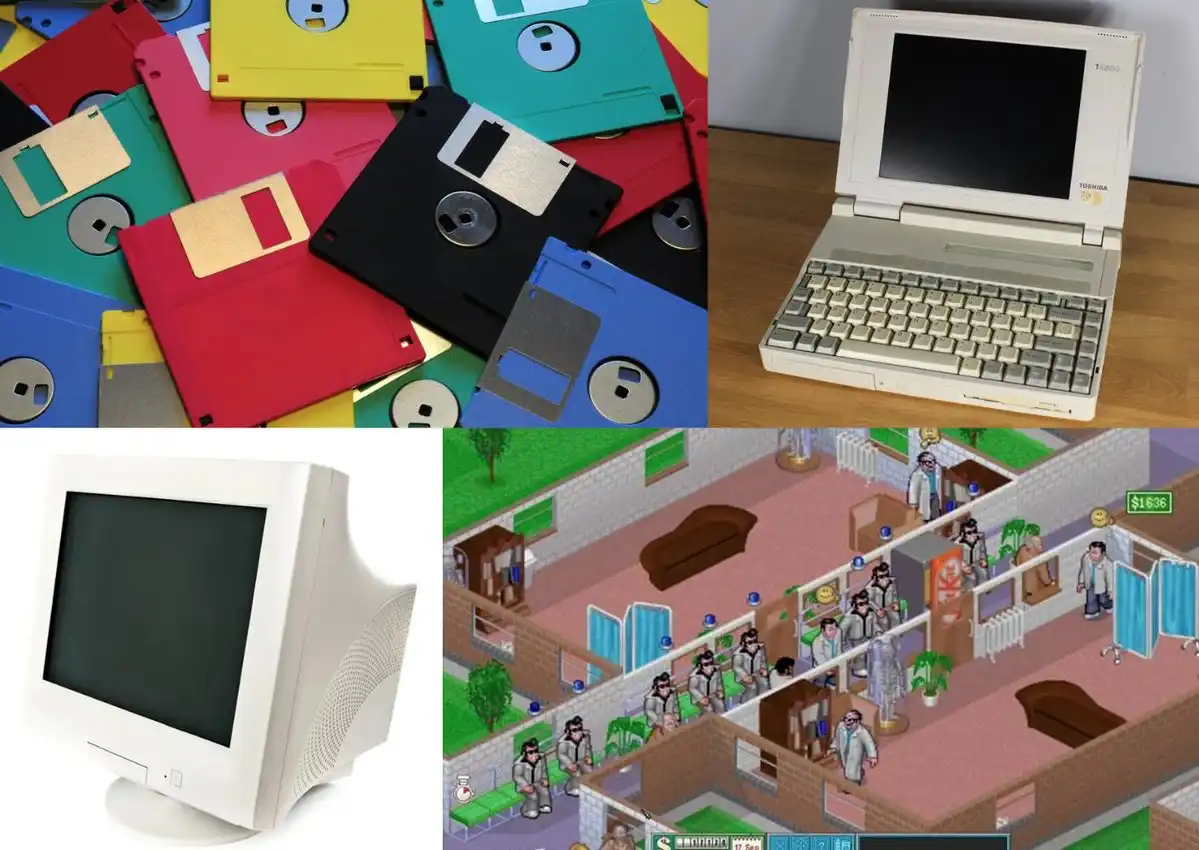
It's worth mentioning that there were single-player games back then, but they were pixelated games.

AI: Infrastructure Leaders Soar, Products Growing

Looking at the AI industry, stock prices have surged, but the main gainers are AI leaders, primarily in infrastructure—NVIDIA, AMD, SK Hynix, Samsung, Micron... This is because AI requires extensive training before deployment. On the supply side, AI does not have the exaggerated bubble seen in 2000. At least these leading AI companies do have considerable profits.

On the demand side, we can at least see Gemini, Claude, GPT, Doubao... various UGC applications. And the recently popular Lobster, the newly launched Perplexity Personal Computer... the highly eye-catching AI robots at the Spring Festival Gala... Although the breadth of AI products still can't be compared to that of the internet in 2000, this is because AI development has high infrastructure requirements. AI needs to develop its infrastructure first before it can integrate into more types of applications.

Web3: Technology as a Gimmick, Applications Few and Far Between

Circulating Market Cap and Profit

Now look at the Web3 industry. Various technological narratives emerge one after another, but how many applications actually have users? Aside from a handful of DeFi leaders, there might only be MEME platforms, prediction markets, and Perp DEXs, with much of the activity in the latter two coming from interaction behaviors driven by airdrop expectations.

Corresponding to the scarcity of products on the demand side is the self-indulgence on the supply side.

⏵ Example from the ZK track: ZKsync with a daily income of $458 has a circulating market cap of $176 million, equivalent to a P/E ratio of 1052.

⏵ Example from the L2 track: Optimism with a daily income of $2,427 has a circulating market cap of $253 million, equivalent to a P/E ratio of 285.

⏵ Example from the L1 track: Sei with a daily income of $3,564 has a circulating market cap of $424 million, equivalent to a P/E ratio of 327.

And there's Blast with a daily income of -$6...
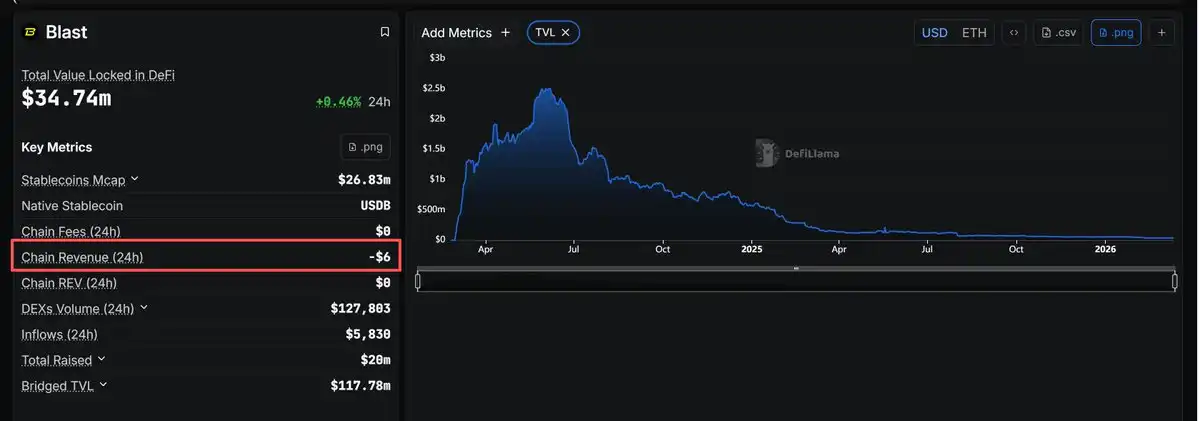
If we follow stock market logic, shareholders of the first three projects would have to wait 1052 years, 285 years, and 327 years respectively to break even, and this doesn't even include the infrastructure and operational costs required to keep these chains running.

Although these ecosystems are not meant to break even and profit from on-chain revenue, for shareholders, i.e., token holders, this is a nightmare...

What Web3 Applications Are There?

Now, what Web3 applications are there?

Former applications like the metaverse,链游, inscriptions, social... and probably some others we can't even remember are almost never mentioned now.

Currently, besides DeFi and RWA, the only ones with users are almost just meme coins, prediction markets, and perp DEXs. Among these, meme coins are PvP among existing capital, and part of the activity in prediction markets and Perp DEXs is still driven by interaction behaviors due to airdrop expectations.

Compared to the internet applications mentioned from 2000, Web3 applications are truly few and far between...

Final Thoughts

Therefore, the sector that is truly indulging on the supply side while lacking achievement on the demand side is not AI, but Web3.

US stock market players overlap with those from 26 years ago. Investors and Wall Street are deliberately avoiding a repeat of history. AI has a bubble, but it differs from the 2000 internet bubble.

Instead, it's the younger Web3 field where capital is speculating on technology on the supply side, while the demand side has few truly practical products. This is the true reappearance of the 2000 internet bubble.

Based on the reasoning of a moderate AI泡沫 and a high Web3泡沫:

  • First, the US stock market will correct, but a crash like in 2000 is unlikely.
  • Second, BTC, which is correlated with US stocks, will be moderately affected.
  • Third, just like the 2000 internet bubble,山寨币 will continue to be washed out, forming a painful process of separating the wheat from the chaff. This process might be even longer than I imagine.

So far,山寨币 have generally been falling for about 15 months since the end of 2024, but this is not the end.

Don't believe the talk that山寨币 have bottomed out. Some have, others have no bottom.

Трендовые криптовалюты

Связанные с этим вопросы

QAccording to the article, which sector is more likely to repeat the 2000 internet bubble: AI or Web3?

AThe article argues that Web3 is more likely to repeat the 2000 internet bubble, not AI.

QWhat was a key characteristic of the supply side during the 2000 internet bubble?

AA key characteristic was that capital was indulging in self-amusement on the supply side, with many internet companies having no profits or cash flow but their stock prices soared wildly.

QHow does the article describe the current state of Web3 applications?

AThe article describes Web3 applications as scarce and lacking truly practical products, with only a handful like some DeFi leaders, meme platforms, prediction markets, and perpetual DEXs having users, some of which are driven by airdrop expectations.

QWhat is the article's view on the profitability and valuation of major Web3 infrastructure projects like ZKsync, Optimism, and Sei?

AThe article highlights their extremely high Price-to-Earnings (PE) ratios (e.g., 1052 for ZKsync) based on meager daily revenues, suggesting it would take centuries for token holders to recoup their investment, representing a nightmare for them.

QWhat are the article's three main predictions based on its analysis of AI and Web3 bubbles?

A1. The U.S. stock market will correct but is unlikely to crash like in 2000. 2. Bitcoin, being associated with U.S. stocks, will be moderately affected. 3. Altcoins will continue to be washed out in a painful process of eliminating the false and preserving the true, which may be a prolonged cycle.

Похожее

Майкл Сэйлор заявил, что стало невозможно принять обновление биткойна, против которого он выступал!

Майкл Сэйлор заявил, что обновление Bitcoin BIP-110 математически не сможет достичь требуемого порога в 55% добровольной поддержки майнеров в текущем цикле сложности. По его данным, из 946 блоков, сгенерированных к моменту блока 960 561, лишь в 24 был зафиксирован сигнал поддержки этого предложения, и все они исходили от майнеров DATUM через пул OCEAN. Сэйлор подчеркнул, что отсутствие сигналов от остальных майнеров означает, что текущий уровень поддержки не отражает консенсуса. BIP-110 предлагает ограничить возможность добавления в блокчейн Bitcoin данных, не связанных с денежными переводами (например, изображений или текста), чтобы предотвратить «засорение» сети. Сэйлор выступает против, считая, что сеть не должна решать, какие транзакции являются «нужными», а правила не могут меняться по воле небольшой группы. Он также утверждает, что высокая статистика поддержки может быть искусственно завышена из-за автоматизированного процесса сигнализации в некотором программном обеспечении.

cryptonews.ru38 мин. назад

Майкл Сэйлор заявил, что стало невозможно принять обновление биткойна, против которого он выступал!

cryptonews.ru38 мин. назад

В рамках стратегии дивидендная доходность STRC сохраняется на уровне 12%, поскольку цена акций остается ниже номинальной стоимости

Исполнительный председатель Strategy Майкл Сэйлор подтвердил, что дивидендная ставка по бессрочным привилегированным акциям STRC сохранится на уровне 12% до августа 2026 года. Механизм «трещотки» повышает ставку на 0,5%, когда цена падает ниже $95, но не может её понизить при восстановлении цены, что призвано поддерживать стоимость акций на уровне номинала в $100. Несмотря на рекордную дивидендную доходность, акции STRC продолжают торговаться со скидкой около 10-11% от номинала, закрывшись 31 июля на отметке $89.46. Конкуренция с продуктами вроде SATA (13% доходность) и волатильность биткоина усложняют задачу. Устойчивый дисконт вынудил Strategy приостановить выпуск новых акций STRC, ограничив один из каналов финансирования закупок биткоина. Аналитики и юристы высказывают опасения по поводу долгосрочных рисков структуры «трещотки» и способности компании поддерживать выплаты при падении цены биткоина. Strategy создала финансовые резервы, покрывающие около 26 месяцев обязательств, и утвердила программу выкупа акций и монетизации биткоинов для управления рисками.

cryptonews.ru40 мин. назад

В рамках стратегии дивидендная доходность STRC сохраняется на уровне 12%, поскольку цена акций остается ниже номинальной стоимости

cryptonews.ru40 мин. назад

Аналитик: В августе курс биткоина упадет до 60 тыс. долларов, а затем восстановится до 70 тыс. долларов

Аналитик Андрей Порошин (Bitbanker) прогнозирует динамику биткоина на август. Он ожидает, что криптовалютный рынок переживёт спад из-за отсутствия макроэкономических стимулов. Решение ФРС США сохранить процентные ставки не дало рынку чётких сигналов, оставив инвесторов в состоянии осторожности. По базовому сценарию, биткоин в августе может упасть до уровня $60 000 – $62 000, после чего восстановится до $70 000. Этот уровень всё ещё ниже себестоимости майнинга в США, что вынуждает некоторых майнеров переходить в бизнес ИИ-центров обработки данных. В качестве положительного катализатора аналитик отмечает уход со рынка слабых игроков, например, сворачивание деятельности BitMEX, что традиционно снижает краткосрочное давление на цену. Геополитические факторы (эскалация конфликта Иран-США) и неопределённость вокруг закона CLARITY, по его мнению, не окажут существенного влияния на рынок в августе. Более активные ценовые колебания Порошин ожидает в сентябре в связи с новыми решениями ФРС и возможным движением по закону CLARITY Act.

cryptonews.ru40 мин. назад

Аналитик: В августе курс биткоина упадет до 60 тыс. долларов, а затем восстановится до 70 тыс. долларов

cryptonews.ru40 мин. назад

В результате взлома Coldcard, одного из крупнейших взломов биткоин-кошельков за последнее время, началась новая волна убытков! Убытки растут

В результате взлома Coldcard, одного из крупнейших взломов биткоин-кошельков за последнее время, произошла третья волна атак. Исследовательская компания Galaxy Research сообщает, что из кошельков, созданных на этих устройствах, было выведено еще 207,73 BTC. Общие потери теперь составляют около 1367 BTC (примерно 88,6 млн долларов США) по 4585 адресам. Первые две волны атак демонстрировали схожие черты, что указывало на одного злоумышленника. Однако третья волна отличается по методам: используются отдельные адреса для каждой жертвы, адреса P2WSH вместо P2WPKH, и атака нацелена на стандартный путь генерации. Это может означать либо модификацию инструментов первоначальным взломщиком, либо появление нового. Похищенные биткоины, общая стоимость которых оценивается в 88,6 млн долларов, пока не были потрачены злоумышленниками. Анализ показывает, что потери в основном пришлись на кошельки с небольшим балансом, что характерно для индивидуальных пользователей, а не институциональных сервисов. Уязвимое ПО Coldcard было выпущено 17 марта 2021 года, и все украденные средства были созданы после этой даты.

cryptonews.ru1 ч. назад

В результате взлома Coldcard, одного из крупнейших взломов биткоин-кошельков за последнее время, началась новая волна убытков! Убытки растут

cryptonews.ru1 ч. назад

Trump Media продаёт ещё 2628 BTC, запасы снижаются до 4261 BTC

Компания Trump Media & Technology Group (TMTG), стоящая за социальной сетью Truth Social, продолжает сокращать свои вложения в Bitcoin. По данным аналитической платформы Lookonchain, компания продала ещё 2628 BTC на сумму около 165 миллионов долларов через платформу Crypto.com. Это продолжение серии продаж, начавшихся семь месяцев назад. Всего за этот период TMTG продала 7281 BTC на общую сумму примерно 545 миллионов долларов по средней цене 74 855 долларов за монету. Первоначально компания приобрела 11542 BTC по средней цене 118 522 доллара. После последних транзакций её резервы сократились до 4261 BTC (около 269,8 миллиона долларов), что на 63% меньше изначальных холдингов. Эти продажи происходят на фоне усиленного внимания законодателей к криптовалютным интересам, связанным с Дональдом Трампом. В Конгрессе идут дебаты по закону CLARITY Act, который касается этических норм, владения цифровыми активами и потенциальных конфликтов интересов государственных лиц. Критики указывают на такие проекты, как мемкойны TRUMP и MELANIA, а также на токены World Liberty Financial, связывая политическое влияние с частными криптоинтересами.

cointelegraph2 ч. назад

Trump Media продаёт ещё 2628 BTC, запасы снижаются до 4261 BTC

cointelegraph2 ч. назад

Торговля

Спот

Популярные статьи

Неделя обучения по популярным токенам (2): 2026 может стать годом приложений реального времени, сектор AI продолжает оставаться в тренде

2025 год — год институциональных инвесторов, в будущем он будет доминировать в приложениях реального времени.

1.9k просмотров всегоОпубликовано 2025.12.16Обновлено 2025.12.16

Неделя обучения по популярным токенам (2): 2026 может стать годом приложений реального времени, сектор AI продолжает оставаться в тренде

Обсуждения

Добро пожаловать в Сообщество HTX. Здесь вы сможете быть в курсе последних новостей о развитии платформы и получить доступ к профессиональной аналитической информации о рынке. Мнения пользователей о цене на AI (AI) представлены ниже.

活动图片