Автор | Odaily Planet Daily (@OdailyChina)
Автор | Azuma (@azuma_eth)
Вчера эксклюзивное интервью журнала «Colossos» с основателем Hyperliquid Джеффом Яном (Jeff Yan) стало вирусным по всему интернету (подробнее см. «Гипержизнь Джеффа Яна»).
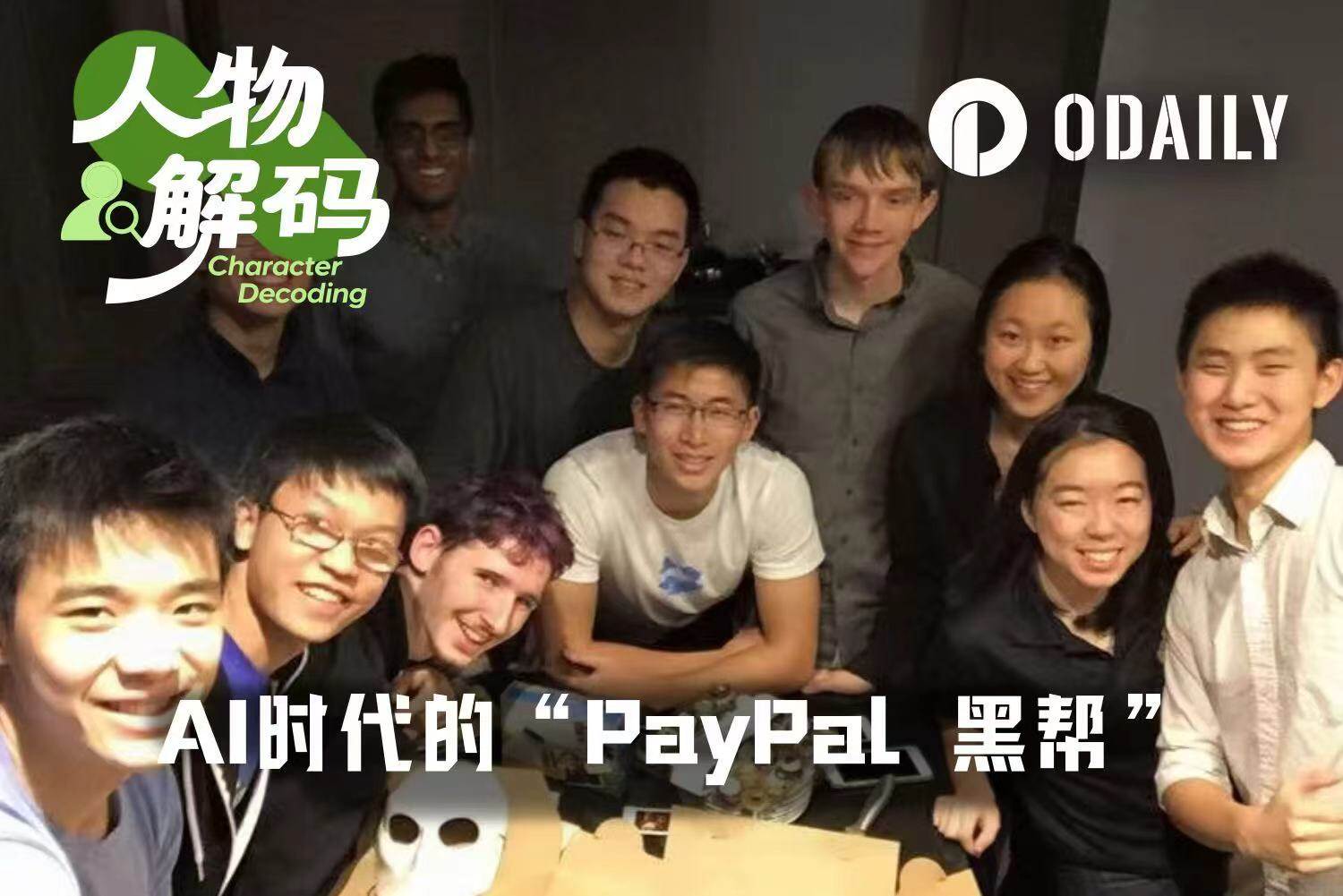
В интервью Джефф Ян раскрыл малоизвестную историю — на третьем курсе Гарварда он участвовал в первой стажерской программе гиганта количественного трейдинга «Hudson River Trading» (HRT), куда тогда отобрали 10 стажеров. Помимо Джеффа Яна, выбравшего направление криптовалют, несколько других стажеров того набора стали известными фигурами в сфере ИИ, включая руководителя направления ИИ в Meta Александра Ванга (Alexandr Wang), основателя и CEO Decagon Джесси Чжана (Jesse Zhang), основателя и CEO Cognition Скотта У (Scott Wu).
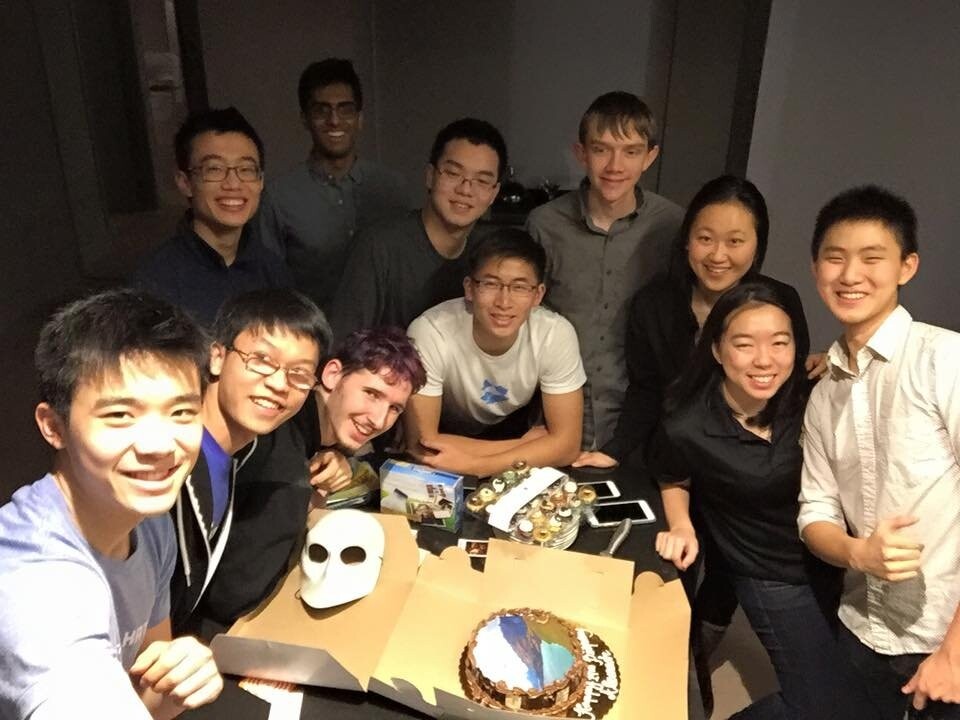
Прим. Odaily: Фотография того набора стажеров, которой поделился Джесси Чжан
Как дополнительно раскрыл сам Скотт У, стажерская программа HRT не была началом их дружбы — еще в старшей школе многие из них познакомились на олимпиадах (Джефф Ян, Скотт У и другие были золотыми медалистами), и в этом кругу было еще много громких имен, включая, но не ограничиваясь, сооснователя и CSO Perplexity Джонни Хо (Johnny Ho), сооснователя и CEO Pika Деми Го (Demi Guo), партнера Александра Ванга по предыдущему проекту Scale AI Стивена Хао (Steven Hao)...
В период взросления Джеффа Яна и Скотта У такие представители «банды PayPal», как Илон Маск и Питер Тиль, уже были влиятельными фигурами в бизнесе, и люди начали искать следующую подобную особую сеть связей. Маленький кружок Джеффа Яна и других также обсуждал эту тему, и 19-летний Александр Ванг тогда сказал своим приятелям: «Почему это не можем быть мы?»
Прошло десять лет, и смелое заявление Александра Ванга, кажется, сбывается. Благодаря силе ИИ эта группа молодых людей с берегов Гудзона своим способом меняет наше время.
Александр Ванг: Мозг ИИ Цукерберга
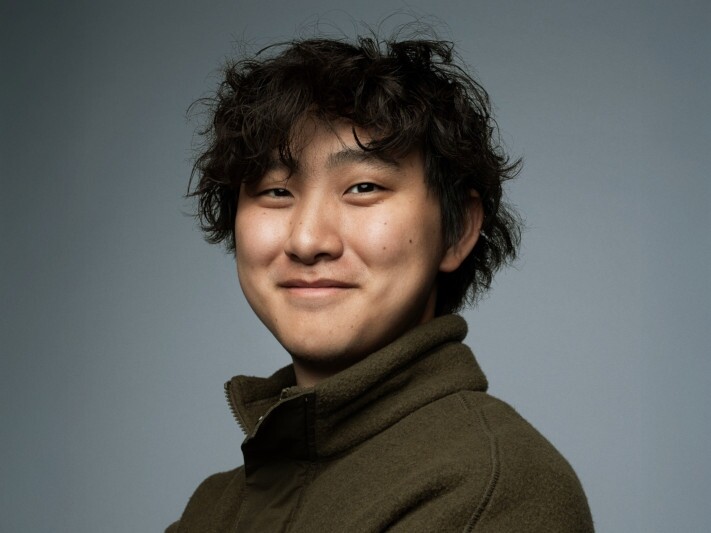
Александр Ванг, пожалуй, самый известный человек в этом кругу. Он родился в 1997 году в Лос-Аламосе, штат Нью-Мексико. Он потомок китайских иммигрантов, его родители работали физиками в Лос-Аламосской национальной лаборатории — именно там во время Второй мировой войны в секрете разрабатывалась первая американская атомная бомба.
С детства Александр увлекался математикой и программированием: в 2013 году он получил право на участие в Математической олимпийской программе, в 2014 году — попал в сборную США по физике, а в 2012 и 2013 годах вышел в финал Американской олимпиады по программированию.
В 2015 году Александр Ванг бросил Массачусетский технологический институт и год спустя основал Scale AI, занимавшуюся аннотацией данных для обучения ИИ в компьютерном зрении и транскрибации аудио. На волне бума ИИ оценка Scale AI росла: к 2021 году она достигла 7,3 миллиарда долларов, а состояние Александра Ванга, владевшего 15% акций, перешагнуло отметку в 1 миллиард долларов.
В июне 2025 года Meta, заметно отставшая в гонке ИИ, приобрела 49% акций Scale AI за 14,3 миллиарда долларов, поставив условием — ключевая фигура Scale AI, 28-летний на тот момент Александр Ванг, должен присоединиться к Meta. Александр Ванг немедленно приступил к работе в Meta, возглавив команду разработки ИИ компании «Лаборатория сверхразума» (Meta Superintelligence Labs, MSL).
В ночь на 8 апреля ставка Цукерберга окупилась: MSL официально представила свою первую собственную модель ИИ Muse Spark. Muse Spark — это原生ная мультимодальная модель reasoning, поддерживающая вызов инструментов, chain-of-thought с визуальным компонентом и оркестрацию множественных агентов. Это самая мощная модель из когда-либо выпущенных Meta, в процессе обучения MSL наблюдала предсказуемое масштабируемое улучшение модели на этапах предобучения, обучения с подкреплением и reasoning во время тестирования.
Скотт У: Мастер олимпиад, создатель нового AI-гиганта с оценкой в миллиарды
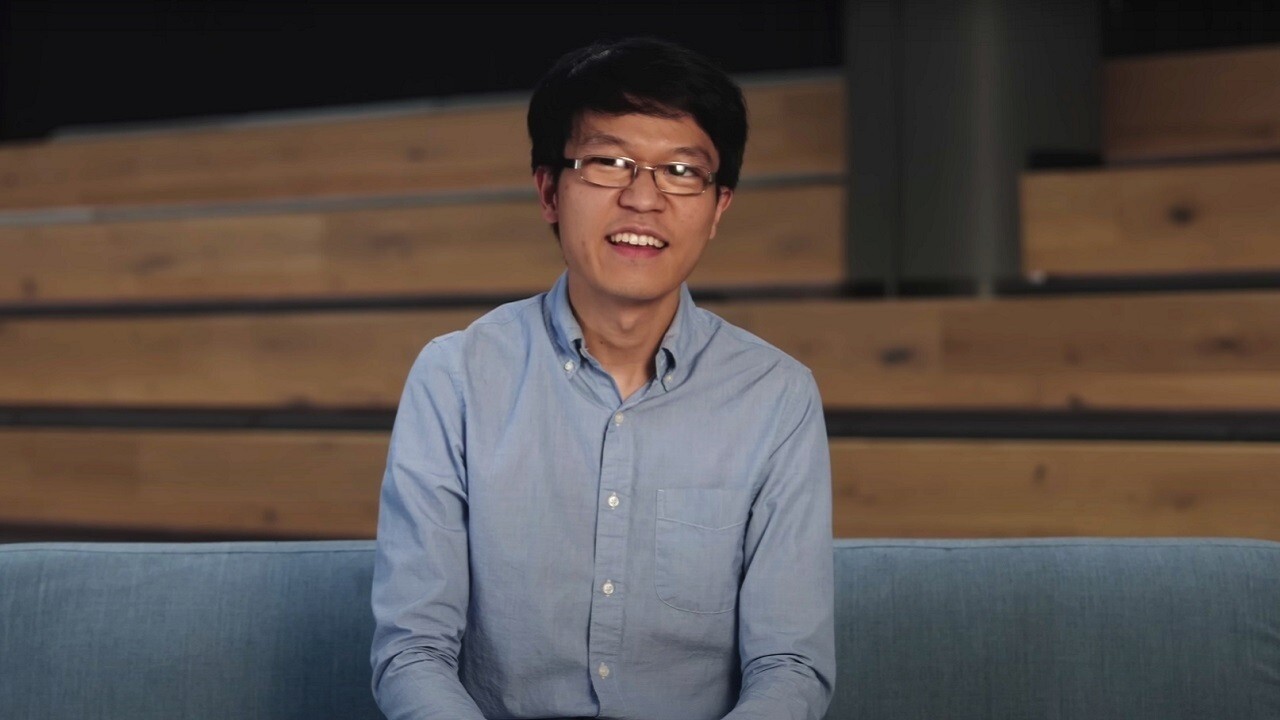
Скотт У родился в 1997 году в Луизиане в семье китайских иммигрантов. В процессе взросления он активно участвовал в олимпиадах по программированию и математике, завоевав три золотые медали на Международной олимпиаде по информатике, в 2014 году заняв первое место.
После окончания школы Скотт У поступил в Гарвардский университет, но бросил его через два года. Во время учебы в бакалавриате Гарварда он в составе университетской команды участвовал в Международной студенческой олимпиаде по программированию (ICPC) 2016 года, где команда завоевала золотую медаль и заняла третье место в общем зачете.
В 2019 году Скотт У стал сооснователем и техническим директором социальной платформы Lunchclub. В 2023 году он вместе с друзьями Стивеном Хао и Уолденом Яном (оба — золотые медалисты олимпиад) основал Cognition, где занял пост CEO.
В 2024 году команда Cognition представила первого в мире автономного AI-инженера Devin, который может самостоятельно писать, тестировать и развертывать код, а также разбивать сложные задачи на подзадачи и работать в collaboration. На тесте SWE-bench он показал результаты значительно лучше, чем GPT-4. В мае того же года Cognition привлекла 175 миллионов долларов под руководством Founders Fund Питера Тиля, оценка компании составила 2 миллиарда долларов; в сентябре 2025 года Cognition снова привлекла 400 миллионов долларов, а оценка компании взлетела до 10,2 миллиарда долларов.
По состоянию на начало 2026 года годовой доход Cognition достиг 400 миллионов долларов.
Джонни Хо: Состояние 2,1 млрд долларов, хотел купить TikTok и Chrome
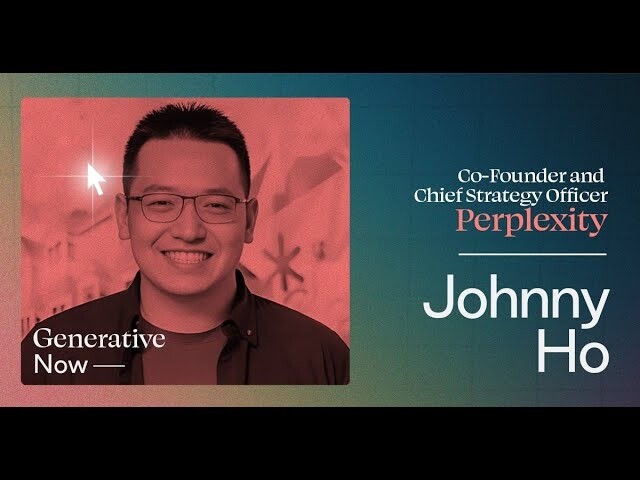
Как и Скотт У, выпускник Гарварда Джонни Хо трижды выигрывал золото на Международной олимпиаде по информатике, в 2012 году заняв первое место с идеальным результатом.
В августе 2022 года Джонни Хо вместе с Аравиндом Шринивасом, Энди Конвински и Денисом Ярацем основал Perplexity. Perplexity позиционируется как компания-разработчик AI-поисковика, предлагающая услуги диалоговой поисковой системы, ответы которой содержат цитаты из источников и предлагают связанные вопросы.
В 2023 году месячный трафик Perplexity достиг 10 миллионов; к апрелю 2024 года месячная аудитория Perplexity составляла около 15 миллионов. В том же году Perplexity начала бешеный раунд финансирования, к концу года в четвертом раунде привлекла 5 [млрд? - в оригинале опечатка, вероятно, миллионов] долларов при оценке в 9 миллиардов долларов; в июле 2025 года Perplexity снова завершила новый раунд финансирования на 100 миллионов долларов, а оценка выросла до 18 миллиардов долларов.
Стоит отметить, что Perplexity неоднократно делала смелые предложения о поглощении по принципу «слабый сильного» (причем венчурные инвесторы были готовы дать деньги), включая предложение о покупке TikTok в начале 2025 года, согласно которому Perplexity, американский бизнес TikTok и новые капитал-партнеры должны были объединиться в новую структуру, а также предложение Google в августе 2025 года о покупке его ключевого продукта — браузера Chrome — за 34,5 миллиарда долларов.
По последним данным Forbes, текущая оценка Perplexity достигла 20 миллиардов долларов, а личное состояние Джонни Хо составляет 2,1 миллиарда долларов.
Джесси Чжан: Три года в AI-стартапе, оценка в 4,5 млрд долларов
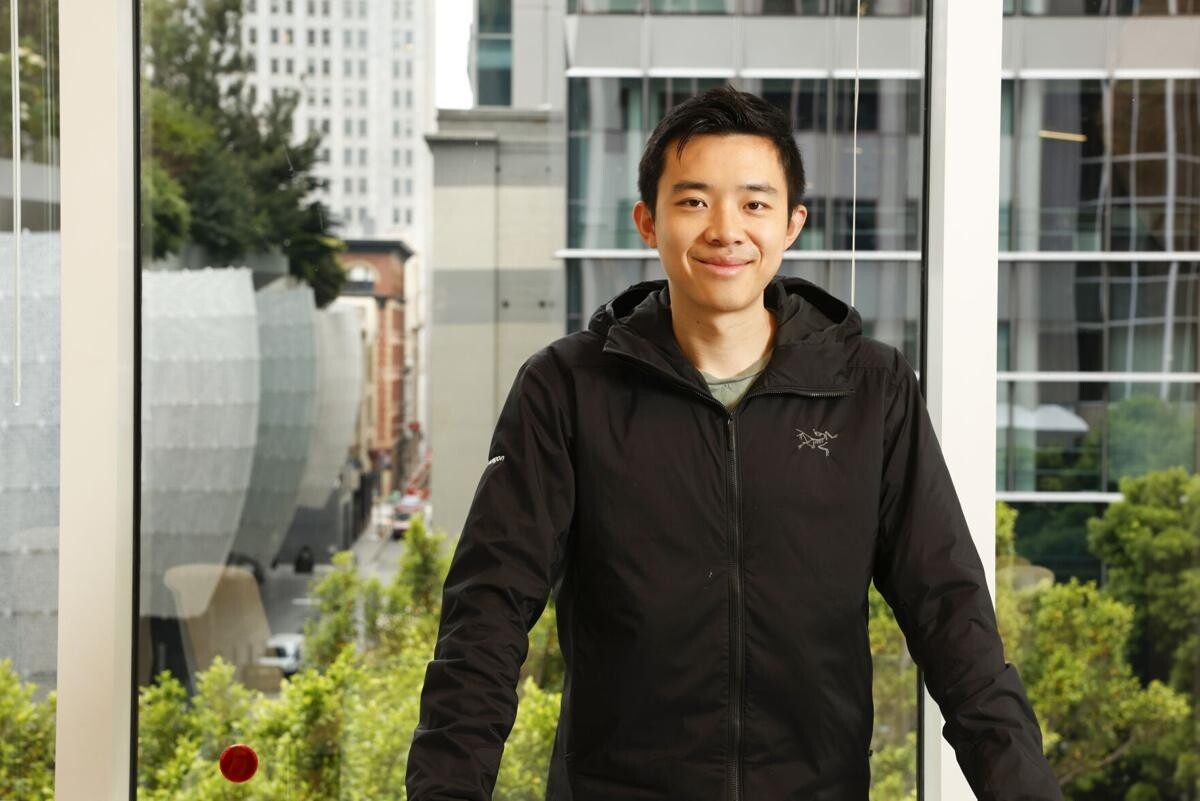
Джесси Чжан также родился в 1997 году и вырос в районе залива Сан-Франциско. Со старшей школы он был типичным «олимпиадным маньяком» — дважды попадал в Математическую олимпийскую программу США (MOP), был финалистом Intel STS, участвовал в научно-исследовательской программе RSI MIT. Поступив в Гарвард, Джесси Чжан закончил четырехлетнюю университетскую программу всего за три года.
В 2018 году Джесси Чжан вместе с друзьями основал платформу для обмена игровыми моментами Lowkey, которая получила seed-инвестиции от Y Combinator и инвестиции серии A от a16z. В 2021 году Lowkey был приобретен разработчиком Pokémon GO Niantic, цена покупки не разглашалась.
В 2023 году Джесси Чжан и его партнер Ашвин Сринивас (Ashwin Sreenivas)共同创立 Decagon, сфокусировавшись на автоматизации клиентского сервиса предприятий с помощью AI-агентов, решая проблемы высоких затрат на人力 и низкой эффективности в call-центрах.
В июне 2024 года недавно созданная Decagon быстро привлекла 35 миллионов долларов финансирования, включая seed-раунд на 5 миллионов долларов под руководством a16z и раунд А на 30 миллионов долларов под руководством Accel; четыре месяца спустя Decagon привлекла еще 65 миллионов долларов в раунде B; в июне 2025 года — 131 миллион долларов в раунде C, оценка взлетела до 1,5 миллиарда долларов; в январе 2026 года — 250 миллионов долларов в раунде D, оценка взлетела до 4,5 миллиарда долларов... Рост оценки сопровождался ростом доходности Decagon: по состоянию на конец 2025 года заявленный годовой доход компании превысил 30 миллионов долларов.
Деми Го: Уроженка Ханчжоу 95 г.р., пионер генерации AI-видео

Деми Го родилась в 1999 году в Ханчжоу, Китай, в детстве переехала с семьей в Силиконовую долину, США.
Деми Го завоевала серебряную медаль на Международной олимпиаде по информатике 2015 года. Она окончила Гарвардский университет со степенью бакалавра математики и магистра компьютерных наук, затем бросила докторскую программу в Стэнфорде, чтобы сосредоточиться на предпринимательстве в области генеративного AI-видеоконтента.
В апреле 2023 года Деми Го и Чэньлинь Мэн (Chenlin Meng)共同创立了 Pika, Деми Го担任 CEO. Pika专注于视频生成 AI 技术的开发,核心产品包括支持 3D 动画、动漫、卡通及电影风格生成的 Pika 1.0 与 Pika 2.0 模型,提供视频延长、画布扩展和元素替换等功能。
В плане финансирования Pika привлекла 20 миллионов долларов seed-раунда еще до официального запуска; затем в ноябре 2023 года завершила раунд А на 35 миллионов долларов под руководством Lightspeed Venture Partners; в июне 2024 года Pika при оценке в 470 миллионов долларов завершила раунд B на 80 миллионов долларов под руководством Spark Capital, при участии Greycroft, Lightspeed Venture Partners и актера Джареда Лето.
Стивен Хао: Технический гуру ИИ с состоянием свыше 1 млрд долларов

Выпускник факультета математики MIT Стивен Хао также завоевал золотую медаль на Международной олимпиаде по информатике (IOI). Он был партнером Александра Ванга в Scale AI, а теперь присоединился к Cognition Скотта У, заняв пост CTO. Обе компании подробно описаны выше, здесь повторяться не будем.
По данным Forbes, личное состояние 30-летнего Стивена Хао на сегодня оценивается в 1,3 миллиарда долларов.
Эпилог: Возможно, мы становимся свидетелями новой легенды
Я думал дать этому кругу новое имя, похожее на «банду PayPal», например, «банда Гудзона» или охватывающее большее пространство «банда олимпиад»... Хотя временной контекст и развитие событий совершенно разные, но, кажется, у них такая же духовная основа, как и у предыдущего поколения «банды PayPal» — за дружбой, скрепленной олимпиадами, на самом деле их объединяет общее стремление к интеллектуальной плотности, инженерной эффективности и способности перестраивать системы, а также глубокое предвидение того, где начинается будущее.
Новое поколение предпринимателей вышло на авансцену. Перед ними стоит вопрос «Как ИИ изменит мир?» — задача куда сложнее любой олимпиады. Это их поле битвы и их сцена.