Криптовалютная компания, управляемая миллиардерами братьями Уинклвосс, столкнулась с серьезным федеральным иском, но после возвращения Дональда Трампа в Белый дом Комиссия по ценным бумагам и биржам США (SEC) решила приостановить рассмотрение этого дела. Ранее SEC также подала иск против крупнейшей в мире криптовалютной платформы Binance, но после прихода новой администрации иск был полностью отозван. Кроме того, после многолетнего судебного спора с Ripple Labs новая SEC попыталась смягчить наказание, назначенное судом этой криптовалютной компании.
Расследование «Нью-Йорк Таймс» показало, что отступление SEC по этим делам отражает кардинальный сдвиг в подходе федерального правительства к криптовалютной индустрии после начала второго срока Трампа. Никогда еще регулятор не отзывал массово множество исков против одной и той же отрасли, однако «Нью-Йорк Таймс» выяснила, что на момент возвращения Трампа к власти в более чем 60% рассматриваемых SEC дел, связанных с криптовалютами, произошло смягчение мер — либо приостановление процесса, либо снижение наказаний, либо полное прекращение дел.
В расследовании также отмечается, что отзыв криптовалютных дел особенно нетипичен. Доля прекращенных дел, связанных с криптовалютными компаниями, во время правления Трампа значительно превышает аналогичный показатель для дел в других отраслях. Хотя具体情况 этих криптовалютных исков различаются, у многих вовлеченных компаний есть общая черта: финансовые связи с Трампом, который называет себя «криптовалютным президентом».
Будучи главным федеральным агентством по регулированию нарушений на финансовых рынках, SEC больше не преследует активно ни одну известную компанию, связанную с Трампом. Агентство прекратило все иски против компаний, которые сотрудничали с криптовалютным бизнесом семьи Трампа или финансировали его политическую деятельность. Теперь оставшиеся у агентства дела, связанные с криптовалютами, касаются малоизвестных субъектов без явных связей с Трампом.
· SEC прекратила 7 криптовалютных дел, в 5 из которых участвовали компании с известными связями с Трампом;
· Еще 7 криптовалютных дел были приостановлены, по ним предложены выгодные условия урегулирования или приняты уступки, в 3 из них участвовали компании с известными связями с Трампом;
· Осталось лишь 9 дел, по которым не было принято решение о прекращении, и стороны по этим делам не имеют известных связей с Трампом.
В заявлении SEC утверждается, что при рассмотрении криптовалютных enforcement-дел политическое предпочтение не играло роли, а изменение направления правоприменения было обусловлено юридическими и политическими соображениями, включая сомнения в собственных полномочиях по надзору за криптовалютной отраслью. SEC также заявила, что нынешние республиканские комиссары фундаментально выступали против подачи большинства исков, связанных с криптовалютами, еще до того, как Трамп начал поддерживать отрасль, подчеркнув, что SEC «придает большое значение вопросам мошенничества с ценными бумагами и добросовестно защищает права инвесторов».
В настоящее время нет доказательств того, что президент оказывал давление на SEC с целью оказания снисхождения конкретным криптовалютным компаниям. «Нью-Йорк Таймс» также не обнаружила, что эти компании пытались повлиять на исход дел путем предоставления Трампу политических взносов или ведения бизнеса с ним; некоторые финансовые операции и деловые связи возникли уже после того, как SEC изменила подход к делам.
Но суть проблемы в том, что Трамп является одновременно и участником криптовалютной индустрии, и ее высшим политическим decision-maker. Как президент, проводимая им политика, если она сильно совпадает с его личными интересами, создает конфликт интересов, а то, что многие криптовалютные компании, на которые подала в суд SEC, связаны с ним, как раз и подчеркивает наличие этого конфликта.
В начале второго срока Трампа Белый дом публично заявил, что президент «положит конец агрессивным enforcement-действиям и чрезмерному регулированию, которые препятствуют инновациям в криптовалютной сфере». Хотя ранее отзыв SEC отдельных криптовалютных дел уже привлекал общественное внимание, анализ «Нью-Йорк Таймс» тысяч судебных документов и десятки интервью показали, что в этом году масштабы смягчения криптовалютного регулирования со стороны SEC намного превзошли предыдущие, и союзники Трампа в криптоиндустрии извлекли из этого огромную выгоду, о чем ранее не сообщалось в полном объеме.
Все ответчики, фигурирующие в этом расследовании, отрицают нарушения; многие заявляют, что их обвиняют лишь в procedural violations. Кроме того, в некоторых делах, по которым SEC смягчила处理ление, участвовали компании без явной связи с президентом.
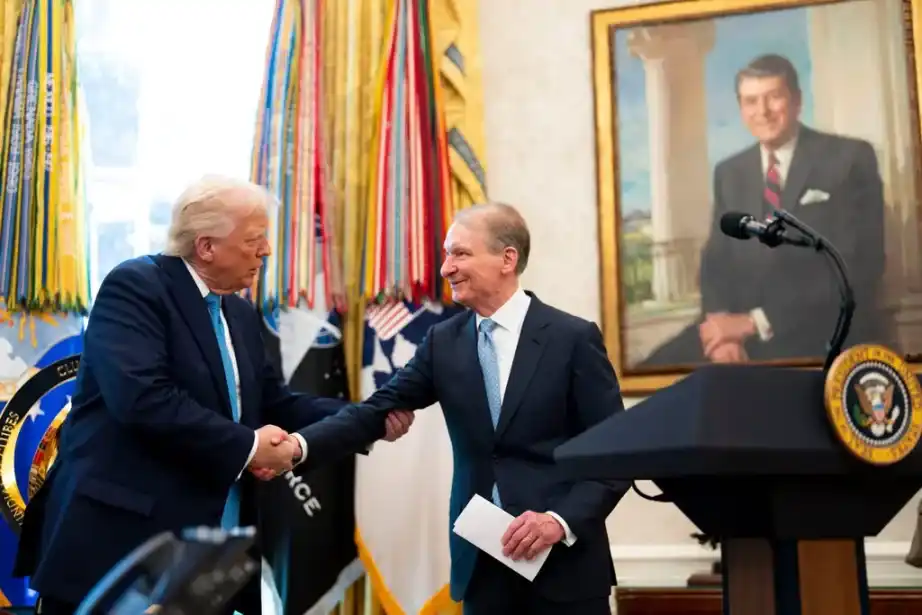
Пресс-секретарь Белого дома Каролин Ливитт отвергла утверждения о конфликте интересов со стороны Трампа и его семьи, заявив, что проводимая им политика «выполняет承诺 президента по содействию инновациям и созданию экономических возможностей для всех американцев, помогая США стать мировым центром криптовалют».
Администрация Трампа полностью ослабила регулирование криптовалютной отрасли, Министерство юстиции США даже распустило подразделение по борьбе с преступлениями в сфере криптовалют. А изменение политики SEC в этом году стало разворотом на 180 градусов.
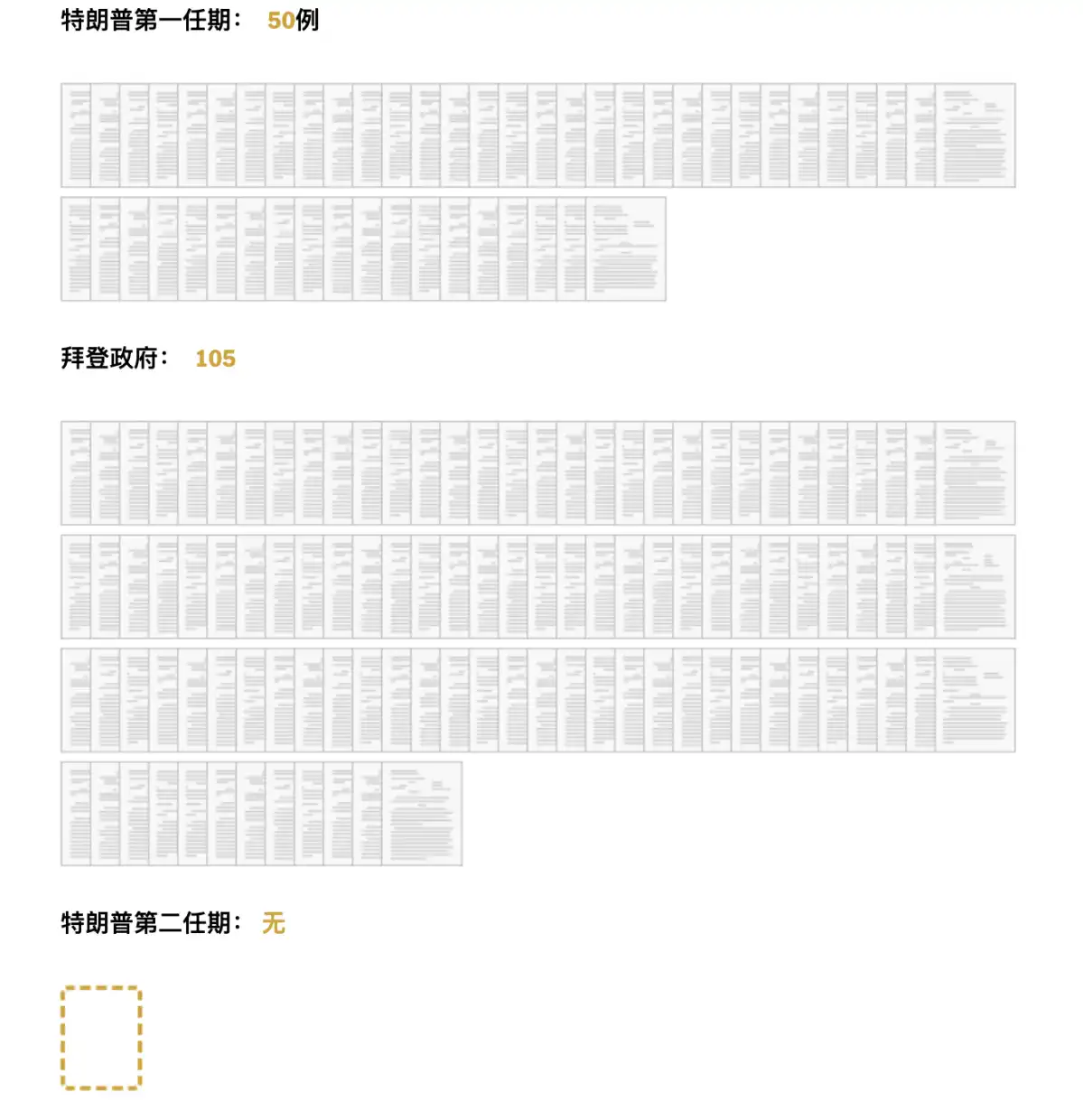
Анализ «Нью-Йорк Таймс» показывает, что при Байдене SEC подавала в среднем более двух исков, связанных с криптовалютами, в месяц, используя федеральные суды и внутреннюю правовую систему агентства. Даже во время первого срока Трампа SEC подавала в среднем около одного иска, связанного с криптовалютами, в месяц, включая нашумевшее дело Ripple.
На этом фоне, после возвращения Трампа к власти SEC не возбудила ни одного нового дела, связанного с криптовалютами, в то время как десятки исков против других отраслей продолжают рассматриваться.
Аткинс в своем заявлении сказал, что эти меры SEC были лишь исправлением чрезмерно агрессивного regulatory подхода предыдущей администрации к криптовалютной отрасли. Он заявил, что SEC при Байдене использовала enforcement-полномочия для навязывания новой политики. Он подчеркнул: «Я четко дал понять, что мы полностью откажемся от модели подмены регулирования правоприменением».
В то время как криптовалютные компании ликуют по поводу этой новой эры, veteran юристы SEC, которые вели эти дела, выражают серьезную озабоченность по поводу тенденции к ослаблению регулирования. Они опасаются, что агентство, созданное в разгар Великой депрессии почти сто лет назад с целью защиты инвесторов и поддержания порядка на рынке, своим ослаблением может embolden криптовалютную индустрию, что навредит потребителям и даже создаст риски для всей финансовой системы.
Кристофер Э. Мартин, бывший старший юрист SEC по litigation, который вел дело против одной криптовалютной компании, ушел на пенсию после того, как SEC отозвала иск в этом году. Говоря о широкомасштабном ослаблении регулирования со стороны SEC, он直言: «Это полная капитуляция, это просто бросание инвесторов на произвол судьбы».
Конец regulatory crackdown
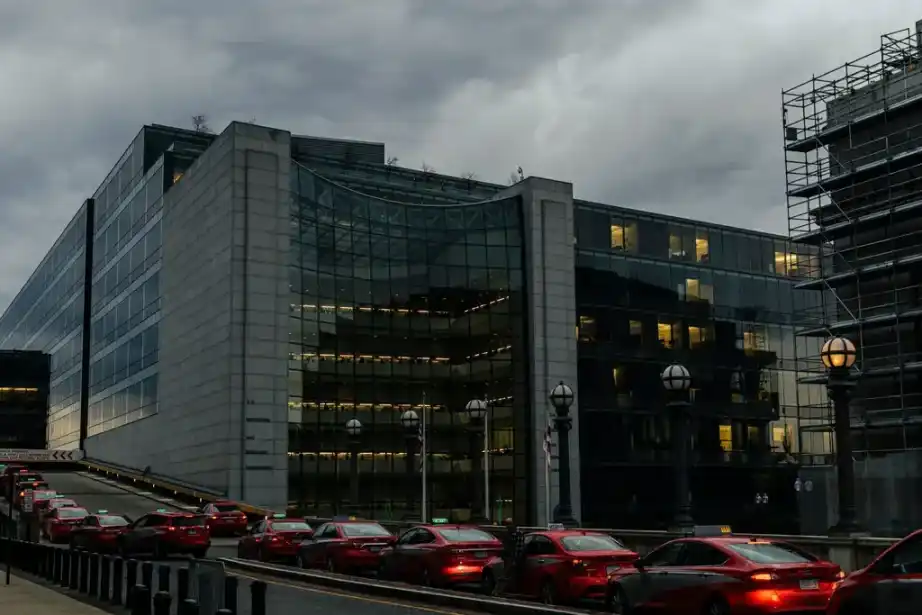
В конце прошлого года в штаб-квартире SEC в Вашингтоне, выполненной в виде стеклянного здания, enforcement actions против криптовалют практически остановились. Председатель SEC времен Байдена Гэри Генслер хотел продвинуть несколько криптовалютных расследований, но его срок подходил к концу.
До этого Трамп только что объявил о запуске совместно с семьей криптовалютного проекта под названием World Liberty Financial, затем успешно переизбрался на пост президента, и он早就公开 заявил о намерении ограничить полномочия SEC.
На самом деле Трамп не всегда поддерживал криптовалютную отрасль. Во время первого срока он писал в Twitter, что криптовалюты — это воздух и они могут способствовать незаконной деятельности, такой как торговля наркотиками. Тогда SEC также заняла жесткую regulatory позицию, создав专门 подразделение для расследования нарушений в сети в сфере криптовалют и подав десятки связанных с ними исков.
Во времена Байдена регулирование криптовалют со стороны SEC еще более ужесточилось. В 2022 году рухнула крупная криптовалютная платформа FTX, и в том же году подразделение по регулированию криптовалют SEC практически удвоилось, расширившись до约 50 юристов и отраслевых экспертов.
Как во время первого срока Трампа, так и при Байдене SEC始终坚持, что, поскольку инвесторы могут вкладывать в криптовалюты свои сбережения, они имеют право знать о связанных с этим рисках. Но одна сложная юридическая проблема始终 беспокоила SEC: действительно ли у агентства есть полномочия для подачи相关 исков против криптовалютной отрасли? Ответ на этот вопрос зависит от того, являются ли криптовалюты ценными бумагами — категорией, производной от современных акций и других финансовых инструментов.
SEC утверждает, что многие криптовалюты по своей сути являются ценными бумагами, поэтому криптовалютные биржи и брокеры等 учреждения должны зарегистрироваться в SEC, раскрывать подробную информацию в соответствии с требованиями, а некоторые учреждения также должны проходить независимую проверку. В случае невыполнения регистрационных обязательств SEC может подать на них в суд в соответствии с законом о ценных бумагах.
Криптовалютная отрасль反驳, что большинство криптовалют не являются ценными бумагами, а представляют собой особый вид финансовых продуктов, для которых должны быть специальные правила регулирования, а SEC еще не制定 таких правил. Генеральный директор криптовалютной ассоциации Blockchain Association Саммер Мерсингер заявила: «Мы не хотим уйти от регулирования, мы просто хотим иметь четкие и ясные правила для работы».
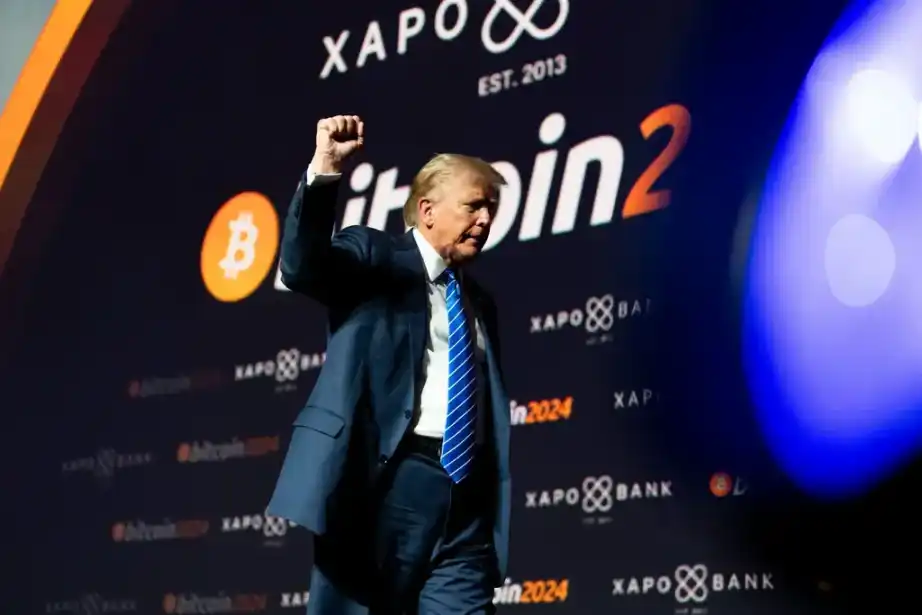
В 2024 году ситуация начала меняться, и отношение Трампа彻底 превратилось из скептического в推崇вающее. В июле того года он пообещал криптовалютным从业者在 своей речи, что «преднамеренное преследование» отрасли прекратится, и заявил, что «уволит Гэри Генслера в первый же день своего пребывания в должности».
SEC作为 независимое агентство, имеет 5 комиссионеров, назначаемых президентом, причем председатель обычно разделяет позицию назначившего его правительства. Решение о возбуждении, урегулировании или прекращении дел принимается голосованием комиссионеров, но фактическая расследовательская работа осуществляется专职 сотрудниками по правоприменению. Эта система позволяет гибко调整 приоритеты регулирования, избегая при этом резких колебаний политики из-за внезапных изменений политического winds.
Но после второй победы Трампа на выборах атмосфера в SEC резко изменилась. Вскоре после выборов Генслер объявил об уходе. Подразделение по регулированию криптовалют, которое ранее считалось热门 местом для карьерного роста, внезапно стало被视为「непопулярным」.
По словам анонимных осведомленных источников, в период перехода президентской власти глава enforcement-подразделения Генслера Санджай Вадхва умолял сотрудников правоприменения «выполнять работу, за которую американский народ платит нам деньги».
Но некоторые сотрудники начали сдаваться. По словам источников, один из руководителей группы по регулированию криптовалют самовольно взял несколько недель отпуска и игнорировал emails, связанные с делами; другой руководитель отказался подписывать документы, связанные с为数ленными исками против криптовалют, поданными SEC после выборов;还有些 сотрудники просто перестали заниматься делами, связанными с криптовалютами, что полностью сорвало усилия Генслера по продвижению регулирования на последнем этапе.
Виктор Сутамманонт проработал в SEC десять лет и перед уходом занимал должность советника по правоприменению у Генслера. Он сказал, что ранее, пережив две смены администрации, сотрудники始终坚守岗位 и нормально выполняли свои обязанности. «Но эта смена была完全不同, атмосфера внутри агентства изменилась мгновенно», — сказал Сутамманонт, хотя он и не говорил о конкретных делах.
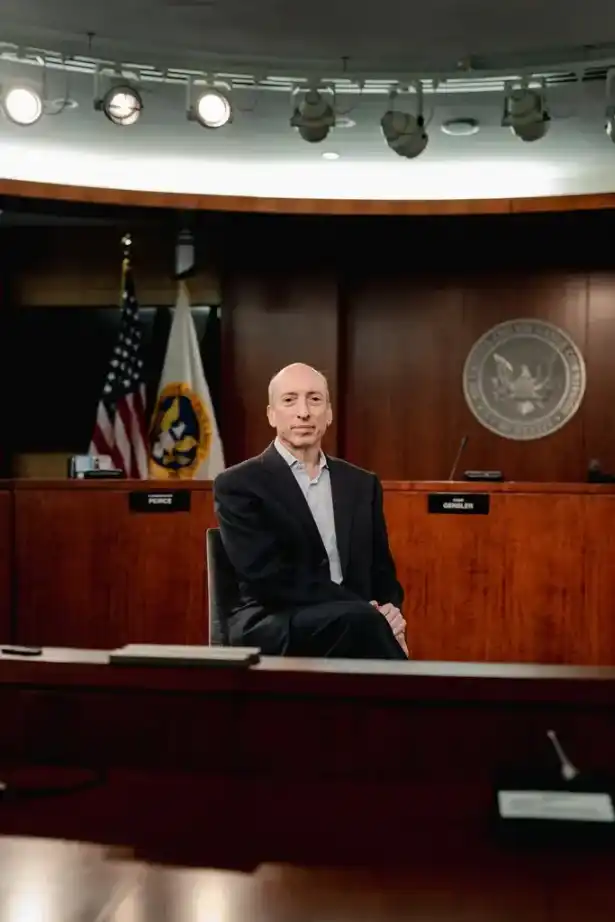
Гэри Генслер объявил об уходе в отставку после переизбрания Трампа
После инаугурации Трампа ситуация стала необратимой. Сначала он назначил республиканского комиссара SEC Марка Т. Уеду исполняющим обязанности председателя до утверждения Сенатом его кандидата Пола С. Аткинса. Уеда长期 выступал против подходов SEC к делам о криптовалютах, в интервью «Нью-Йорк Таймс» он заявил, что многие regulatory меры Генслера основывались на «новых теориях, не подкрепленных действующим законодательством».
Еще в 2022 году в одной из своих речей Генслер выразил противоположную точку зрения, заявив: «Даже при появлении новых технологий действующее законодательство не перестает действовать».
В начале февраля 2025 года Уеда перевел Хорхе Г. Тенрейро с поста главы litigation-подразделения SEC. Тенрейро ранее возглавлял работу подразделения по регулированию криптовалют и вел许多相关 дел, но这次 был переведен в IT-отдел, что внутри SEC被视为 унизительное понижение.
После ухода Тенрейро SEC начала прекращать расследования в отношении ряда криптовалютных компаний, которые potentially могли столкнуться с исками. Хотя некоторые расследования все еще продолжаются, по крайней мере 10 компаний объявили, что они больше не находятся под следствием SEC, причем одна из компаний сделала такое заявление на прошлой неделе.
Места для переговоров не было
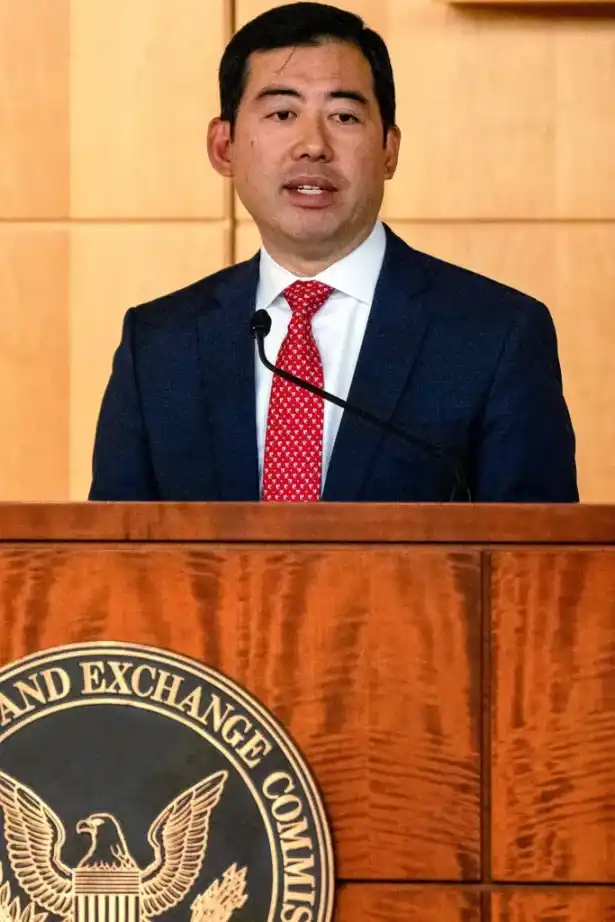
Вскоре Уеда столкнулся с еще более сложной проблемой: что делать с оставшимися на рассмотрении crypto-исками эпохи Байдена. Приостановление расследований SEC — обычное дело, но прекращение уже рассматриваемых дел крайне редко и должно быть одобрено голосованием комиссионеров.
Крупнейшая в США криптовалютная биржа Coinbase была sued SEC за failure to зарегистрироваться, это было одним из самых примечательных дел в сфере криптовалют. Во времена Байдена Coinbase заняла жесткую позицию по защите и успешно убедила судью разрешить вышестоящему суду пересмотреть дело до судебного разбирательства.
Теперь, когда SEC контролируется администрацией Трампа, Coinbase стала одной из первых компаний, подавших ходатайство о прекращении дела. По обычаю, офис председателя SEC обычно не вмешивается в переговоры по таким делам, ими занимаются专职 юристы по правоприменению. Но в ходе этих переговоров сотрудники офиса Уеды участвовали в部分 переговорах с Coinbase вместе с юристами по enforcement.
Главный юрисконсульт Coinbase Пол Гревал, бывший федеральный судья, сказал в интервью: «Мы всегда确保 своевременно информируем офис действующего председателя о ходе переговоров по делу, обеспечивая его полную осведомленность о ситуации». Уеда же заявил, что участие его сотрудников в таких协商 встречах «完全 соответствует нормам».
Изначально SEC под руководством Уеды не хотела полностью прекращать это дело. По словам информированных источников, первоначально SEC предложила лишь приостановить рассмотрение дела. Но это предложение было отвергнуто Coinbase.
Затем SEC пошла на еще большие уступки, предложив прекратить дело, но сохранить за собой право возобновить его в будущем, если руководство передумает, но это предложение также не было принято Coinbase. Гревал твердо заявил: «Наша позиция предельно ясна: либо они полностью отзывают иск, либо мы продолжаем litigation, здесь нет места для переговоров».
В конечном итоге SEC пошла на妥协. К тому времени Генслер и еще один демократический комиссионер ушли в отставку, и в комиссии SEC остались только два республиканских и один демократический комиссионер.
Уеда не комментировал это конкретное решение, но сказал: «Продолжать推进 такие дела нецелесообразно, особенно если в ближайшее время SEC может перестать признавать理论, на которых основано рассмотрение дела».
Оставшаяся в SEC демократический комиссионер Кэролайн А. Креншоу в интервью直言, что действия SEC дают криптовалютной отрасли огромное преимущество: «Они могут делать практически все, что угодно, без каких-либо последствий».
Смена курса

После прекращения дела Coinbase криптоиндустрия восприняла это как сигнал о妥协 со стороны SEC. Юристы других криптовалютных компаний也开始 действовать по образцу, добиваясь аналогичных результатов для своих клиентов. К концу мая SEC прекратила еще 6 дел, связанных с криптовалютами.
Анализ «Нью-Йорк Таймс» судебных документов показал, что это явление крайне нетипично. Во времена Байдена SEC никогда主动 не прекращала ни одного crypto-дела, оставшегося с первого срока Трампа. За тот период дела были прекращены лишь в одном случае из-за смерти ответчика, а в другом — частично прекращены некоторые исковые заявления из-за неблагоприятного решения судьи.
После начала второго срока Трампа было прекращено 33% crypto-дел, оставшихся с эпохи Байдена, по сравнению с лишь 4% прекращенных дел в других отраслях.
Хотя SEC一再承诺 продолжать преследование за мошенничество с ценными бумагами, она все же прекратила иск против Binance. Ранее SEC обвиняла две аффилированные структуры Binance в мошенничестве, утверждая, что они вводили потребителей в заблуждение относительно мер по предотвращению манипулятивных trades.
Кроме того, SEC подала ходатайство в суд о приостановлении рассмотрения дела о мошенничестве против Джастина Сана и основанного им фонда Tron. Всего было приостановлено 4 дела для переговоров об урегулировании, и SEC еще не объявила о результатах по этому делу.
Всего администрация Трампа унаследовала 23 криптовалютных дела, 21 из которых originated из эпохи Байдена, а 2 остались с первого срока Трампа, и SEC уже смягчила处理ление по 14 из этих дел. В 8 из этих 14 дел участвовали компании, которые имели связи с Трампом и его семьей как до, так и после处理ления дел.
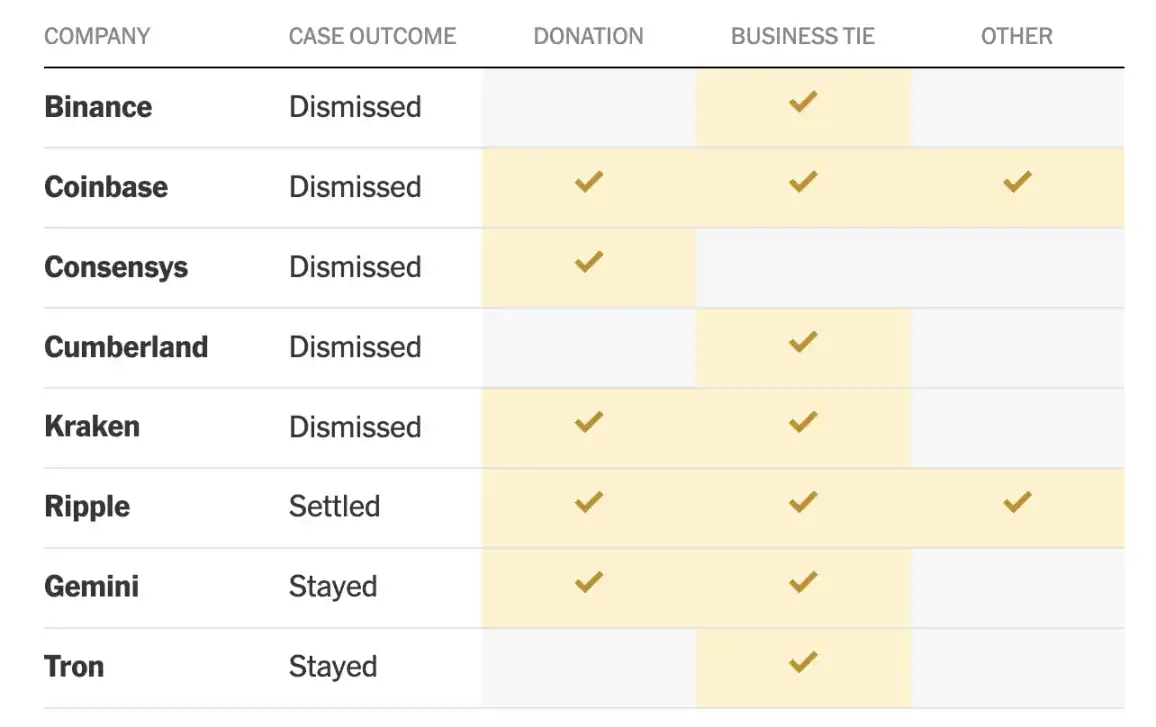
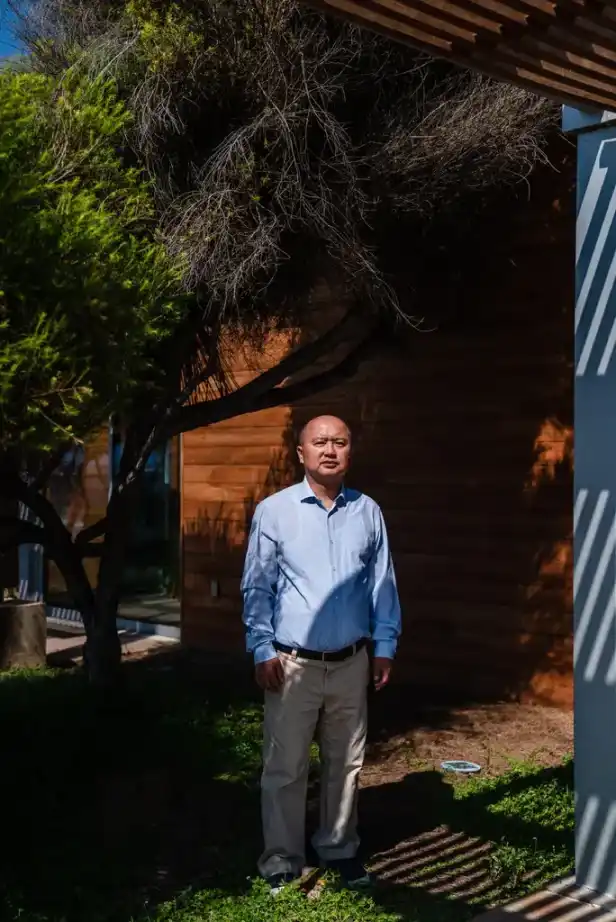
Например, Джастин Сан потратил 75 миллионов долларов на покупку токенов, выпущенных World Liberty Financial. Фонд Tron не ответил на多次 запросы о комментариях, а Джастин Сан и фонд Tron в судебных документах заявили, что у SEC не только нет доказательств мошенничества, но и нет полномочий подавать на них в суд.
За несколько недель до прекращения дела Binance компания参与 в сделке на 2 миллиарда долларов, в которой использовался стейблкоин, выпущенный World Liberty Financial. Ожидается, что эта сделка будет приносить семье Трампа десятки миллионов долларов дохода в год.
Пресс-секретарь World Liberty Financial заявила, что «компания не имеет никакого отношения к правительству США» и «не оказывает никакого влияния на процесс выработки политики и принятия решений правительством». Binance в своем заявлении заявила, что иск SEC против нее был по сути «целенаправленным преследованием криптовалютной отрасли».
В марте 2025 года SEC прекратила дело против криптовалютного дилера Cumberland, обвиняемого в ведении бизнеса с ценным бумагами без регистрации. Примерно два месяца спустя материнская компания Cumberland, DRW, инвестировала почти 100 миллионов долларов в медиакомпанию семьи Трампа. Руководители DRW заявили, что компания получила возможность для инвестиций только после прекращения дела, а SEC прекратила дело solely потому, что обвинения не имели factual basis.
Ripple, которая пожертвовала nearly 5 миллионов долларов на инаугурацию Трампа, также оказалась втянутой в судебный спор. Во время первого срока Трампа SEC обвинила Ripple в failure раскрыть ключевую информацию инвесторам при выпуске crypto-токенов. В прошлом году федеральный судья отклонил часть обвинений SEC, но все же постановил, что Ripple нарушила законы о ценных бумагах, и приговорила ее к штрафу в 125 миллионов долларов.
После возвращения Трампа к власти SEC попыталась снизить штраф до 50 миллионов долларов. Судья подверг резкой критике такое поведение SEC и отклонил запрос. Ripple, в свою очередь, argued перед судьей, что заслуживает более мягкого наказания, отчасти потому, что SEC прекратила последующие многочисленные аналогичные crypto-иски. В конечном итоге Ripple все же заплатила штраф в полном объеме. В июле этого года медиакомпания семьи Трампа объявила о планах включить криптовалюту, выпущенную Ripple, в один из своих публичных инвестиционных фондов.
Хестер Пирс, республиканский комиссар SEC, возглавляющая новую целевую группу агентства по криптовалютам, заявила в интервью, что прекращение многих crypto-дел исправляет past ошибки, и эти дела не should были быть возбуждены с самого начала.
Она сказала: «Я считаю, что真正的过激行为 произошло в предыдущие годы, когда SEC возбуждала множество дел без какой-либо юридической основы». Она добавила, что эти иски препятствовали законным инновациям в отрасли. Пирс подчеркнула, что дела рассматриваются исключительно на основе фактов и конкретных обстоятельств, без учета «связей вовлеченных сторон», и что не было никаких политических или экономических соображений.
Состоятельные
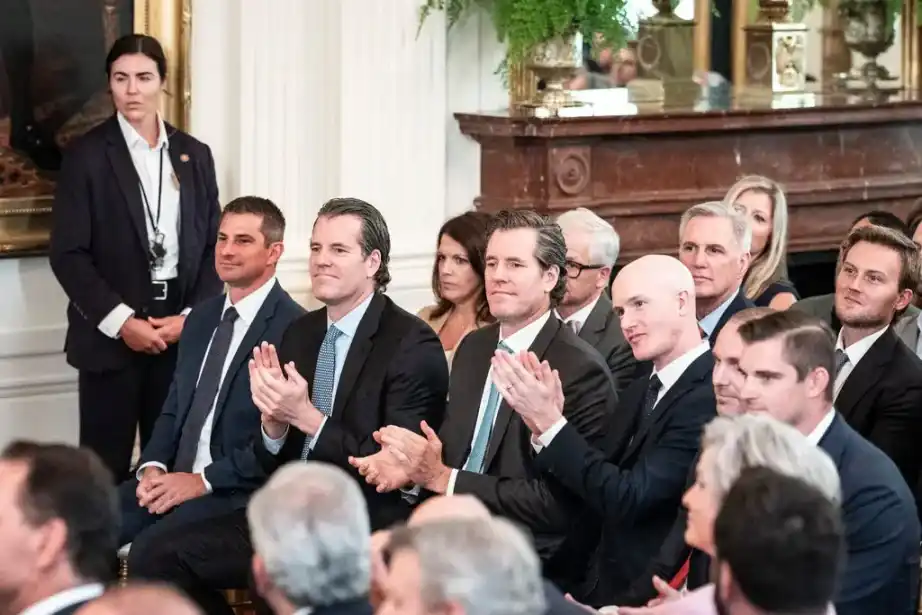
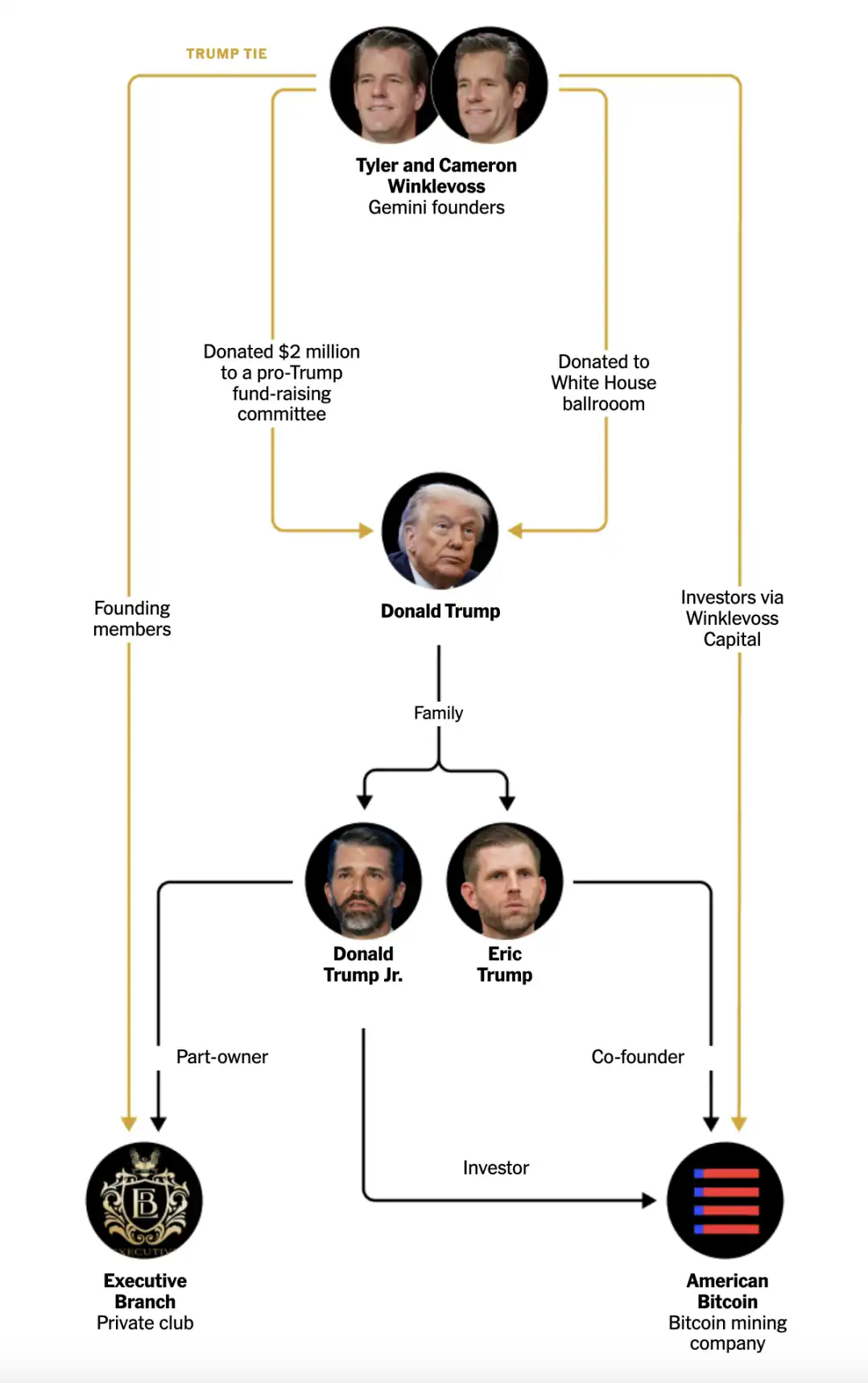
В криптоиндустрии немногие были так близки с Трампом, как братья Тайлер Уинклвосс и Кэмерон Уинклвосс. Эти братья основали и управляют криптовалютной компанией Gemini Trust. Они не only предоставляли финансовую поддержку комитету по сбору средств на переизбрание Трампа и другим республиканским организациям, но и финансировали реконструкцию любимого банкетного зала Трампа в Белом доме. Кроме того, они provided资金 для поддержки элитного частного клуба в Вашингтоне под названием Executive Branch, акционером которого является старший сын Трампа, Дональд Трамп-младший.
Недавно инвестиционная компания братьев также вложила средства в новую компанию по майнингу криптовалют под названием American Bitcoin. Младший сын Трампа, Эрик Трамп, является соучредителем и главным стратегом этой компании, а старший сын, Дональд Трамп-младший, также участвовал в инвестициях.
Трамп неоднократно публично хвалил этих братьев, называя их «талантливыми и красивыми» людьми, обладающими как умом, так и внешностью. На одном мероприятии в Белом доме он сказал: «У них есть внешность, мозги и огромное богатство».
Но Gemini Trust также оказалась втянутой в legal troubles.
В декабре 2020 года Gemini Trust partnered с другой компанией, Genesis Global Capital, чтобы предложить клиентам Gemini услугу по кредитованию своих crypto-активов Genesis, которая затем перекредитовывала эти активы более крупным институциональным инвесторам.
Genesis выплачивала пользователям проценты и гарантировала, что они могут выкупить свои активы в любое время; Gemini действовала как посредник, получая соответствующую долю. Gemini рекламировала, что этот проект может обеспечить владельцам счетов доходность до 8% годовых.
Специалист по данным из Сан-Диего Питер Чен сказал в интервью, что он инвестировал в этот проект более 70 000 долларов, доверяя Gemini.
«Gemini произвела на меня впечатление компании, которая ведет бизнес в соответствии с правилами, является одной из наиболее регулируемых компаний в криптопространстве», — вспоминал он.
Однако в конце 2022 года Genesis, оказавшись на грани банкротства, заморозила счета 230 000 клиентов.
73-летняя бабушка умоляла Gemini вернуть ее сбережения в размере 199 000 долларов. Согласно court документам иска, поданного регулятором штата Нью-Йорк, она написала: «Без этих денег я полностью в тупике».
В мае 2024 года Genesis достигла мирового соглашения с регулятором Нью-Йорка на 2 миллиарда долларов, и в конечном итоге средства клиентов были возвращены. Gemini также достигла和解ения с штатом Нью-Йорк, пообещав выплатить до 50 миллионов долларов при необходимости для покрытия оставшихся убытков клиентов. Gemini настаивала на том, что она не сделала ничего плохого, возложив вину за кризис на Genesis, и подчеркнула, что в конечном итоге ни один клиент не понес убытков.
Но SEC также подала иск против этих двух компаний, обвинив их в предложении crypto-активов без регистрации. Тайлер Уинклвосс в социальных сетях назвал этот иск «надуманным обвинением».
Genesis chose урегулировать дело с SEC, но Gemini坚持 litigation,直到 апреля 2025 года SEC внезапно предложила приостановить рассмотрение дела для переговоров об урегулировании. В сентябре того же года SEC disclosed, что достигла соглашения об урегулировании с Gemini, которое все еще ожидает голосования комиссионеров.
SEC сообщила федеральному судье, ведущему дело, что это соглашение «полностью положит конец этому судебному спору».