# Сопутствующие статьи по теме SSD

Новостной центр HTX предлагает последние статьи и углубленный анализ по "SSD", охватывающие рыночные тренды, новости проектов, развитие технологий и политику регулирования в криптоиндустрии.

One Article to Understand the Profit Pools and Industry Landscape of the AI Storage Hierarchy

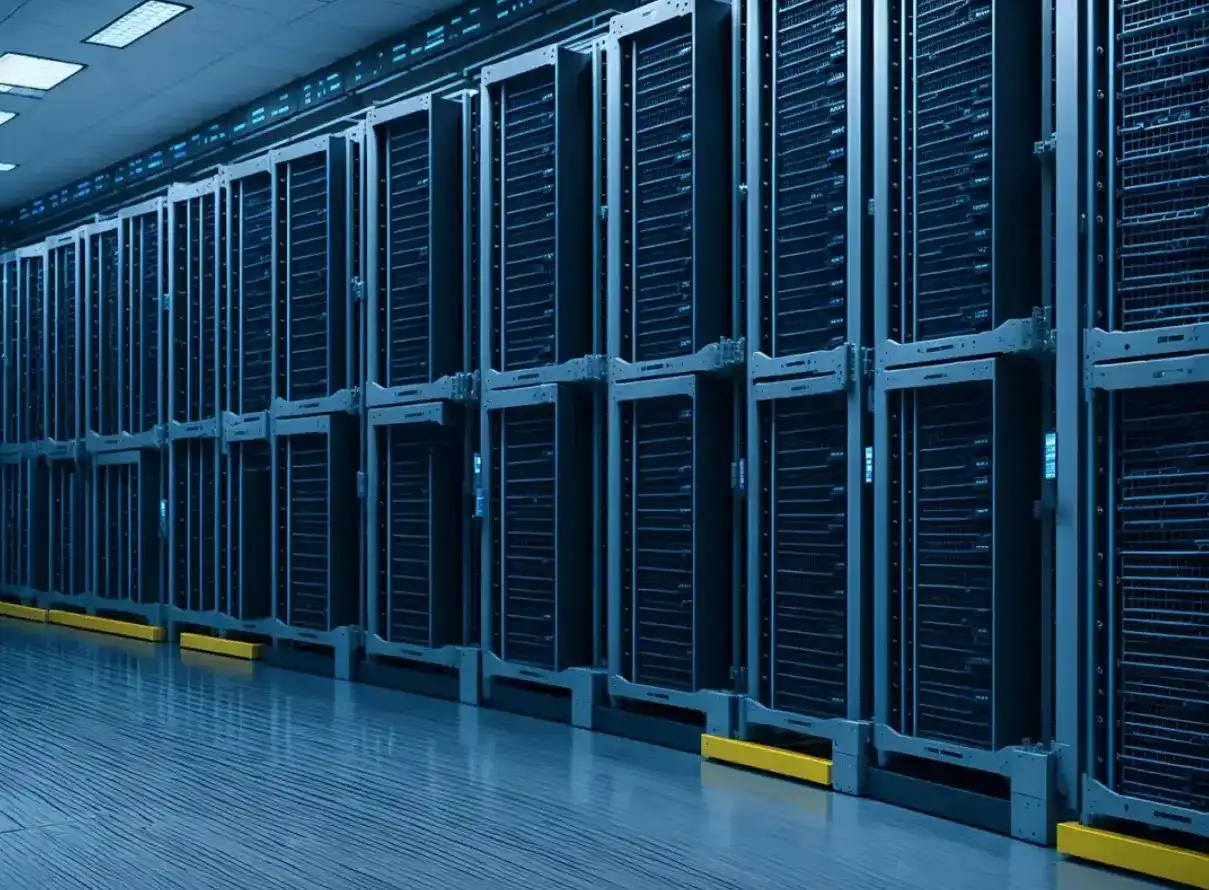
**Deciphering the Profit Pools and Industry Landscape of the AI Storage Hierarchy** AI storage architecture can be divided into six distinct layers based on proximity to computing units: 1) On-chip SRAM, 2) HBM, 3) Motherboard DRAM, 4) CXL pooling layer, 5) Enterprise SSD, and 6) NAS & Cloud Object Storage. In 2025, the total market for these layers (excluding embedded SRAM value) was approximately $229 billion, with DRAM constituting half, HBM 15%, and SSD 11%. The profit landscape is highly concentrated, with over 90% market share in the top three layers for key players. These profit pools are categorized into three types: 1) High-margin, oligopolistic silicon layers (HBM, embedded SRAM, QLC SSD), 2) High-margin, emerging interconnect layers (CXL), and 3) Scalable, recurring-revenue service layers (NAS, Cloud Object Storage). **Key Layers Analysis:** * **On-chip SRAM:** Profits accrue primarily to TSMC via advanced wafer sales for AI chips. * **HBM:** The largest AI-era profit pool, driven by AI accelerator demand. SK Hynix (57-62% share), Samsung, and Micron dominate. HBM boasts exceptionally high margins (e.g., SK Hynix's 72% operating margin in Q1 2026) and is projected to grow at a ~40% CAGR to $100 billion by 2028. * **Motherboard DRAM:** The largest market by revenue ($121.8B in 2025), controlled by Samsung, SK Hynix, and Micron. High profitability is sustained as capacity shifts to HBM. * **CXL Pooling Layer:** Enables rack-level memory sharing for AI workloads. The market is forecast to grow from $1.6B in 2024 to $23.7B by 2033. While memory giants lead, companies like Astera Labs (holding ~55% share in retimers/controllers) achieve very high margins (~76%). * **Enterprise SSD:** A major beneficiary of the AI inference era, especially QLC SSDs, with the market expected to reach $76B by 2030. Samsung, SK Hynix (including Solidigm), and Micron are key players. * **NAS & Cloud Object Storage:** The outermost data lake layer, growing steadily (CAGR ~16-17%). Profit derives from long-term data hosting, egress fees, and ecosystem lock-in, led by vendors like NetApp, Dell, and cloud providers (AWS, Azure, Google Cloud). **Summary:** Profitability correlates strongly with proximity to compute: layers like HBM and CXL components command the highest margins (60%+ and 76%+, respectively) despite smaller market sizes, while DRAM has the largest revenue base. The primary growth vectors are HBM (CAGR ~28%), Enterprise SSD (CAGR ~24%), and CXL pooling (CAGR ~37%). Barriers vary by layer, encompassing advanced manufacturing (HBM), IP/certification (CXL), and high switching costs (service layers).

marsbit05/14 04:03

One Article to Understand the Profit Pools and Industry Landscape of the AI Storage Hierarchy

marsbit05/14 04:03

Memory Card Prices Double in Four Months: How Long Will the Surge Last?

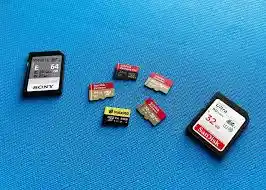
NAND flash memory prices have entered a rapid upward cycle, with consumer-grade storage products like microSD cards seeing significant retail price increases. For example, a SanDisk Extreme 128GB microSD card rose from $17 in October 2025 to nearly $40 by February 2026—a 130% surge in under four months. This price surge is driven by structural shifts in the NAND market, primarily due to soaring demand from AI data centers. These large-scale buyers are securing the majority of NAND wafer supply through long-term contracts, leaving limited inventory for the consumer market. According to TrendForce, NAND contract prices rose 55–60% in Q1 2026, with enterprise SSD prices climbing 53–58%. Retail prices rose even more sharply due to constrained supply in the distribution channel. Unlike the 2016–2017 price cycle caused by production transitions, the current spike is demand-led. AI data centers are consuming NAND capacity at an unprecedented rate, with 2026 demand growth estimated at 20–22% against supply growth of only 15–17%. Manufacturers are prioritizing high-margin enterprise products over consumer-grade storage, further tightening retail availability. New production capacity from major suppliers like Samsung, Micron, and Kioxia is not expected until late 2027 or 2028. Until then, consumer storage prices are likely to remain high, with no significant price relief anticipated in the near term.

marsbit04/16 03:13

Memory Card Prices Double in Four Months: How Long Will the Surge Last?

marsbit04/16 03:13

活动图片