# Сопутствующие статьи по теме Shipping

Новостной центр HTX предлагает последние статьи и углубленный анализ по "Shipping", охватывающие рыночные тренды, новости проектов, развитие технологий и политику регулирования в криптоиндустрии.

Can Iran 'Control' the Strait of Hormuz?

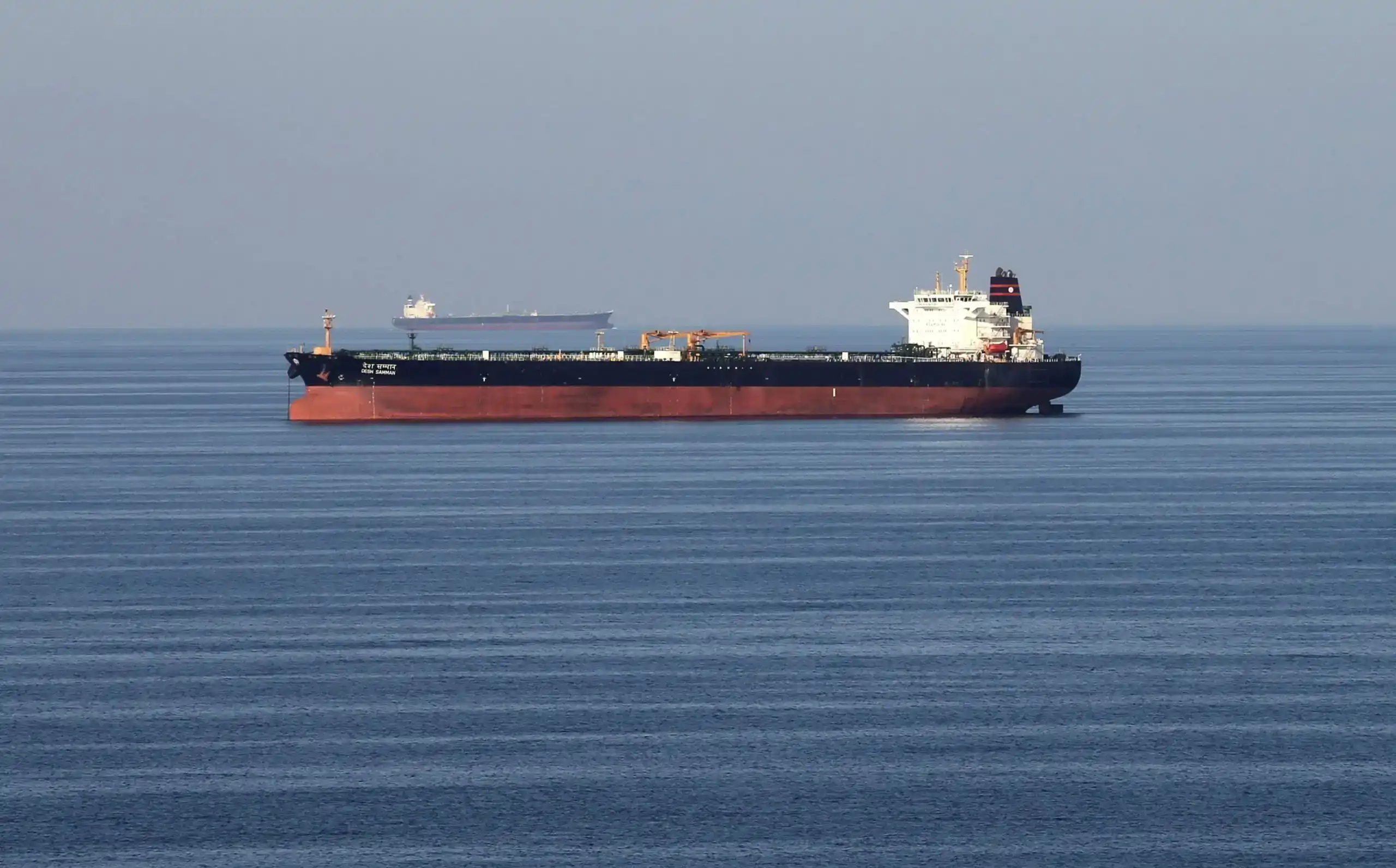
Iran has announced a comprehensive plan to assert control over the strategic Strait of Hormuz, a critical global oil shipping chokepoint. The proposed measures include requiring all vessels to obtain Iranian permission for passage, imposing fees for security, environmental protection, and navigation management—preferably paid in Iranian rials—and absolutely banning Israeli ships. Vessels from countries deemed hostile by Iran’s top security bodies may also be barred. Analysts suggest Iran’s motives are multifaceted: increasing pressure on the U.S. and Israel by leveraging control over oil transit to influence global prices and inflation; creating a new revenue stream, potentially exceeding $7.7 billion annually, to counter Western sanctions and support postwar reconstruction; and using transit permissions as bargaining chips in future negotiations, notably with the U.S. However, the plan faces significant practical and diplomatic challenges. Enforcing comprehensive interception and fee collection in the busy waterway, patrolled by international military forces, would be difficult. The U.S. has already countering with a blockade of Iranian ports and threats to intercept any ship paying fees, potentially strangling Iran’s oil exports and fee revenue. Broad international opposition, led by European and Gulf states, and legal controversies further complicate implementation. The proposal may ultimately serve more as a negotiating tactic than a feasible policy, with its execution remaining highly uncertain.

marsbit04/27 01:30

Can Iran 'Control' the Strait of Hormuz?

marsbit04/27 01:30

A Hidden Financial War? Iran Collects Strait Passage Fees with Stablecoins

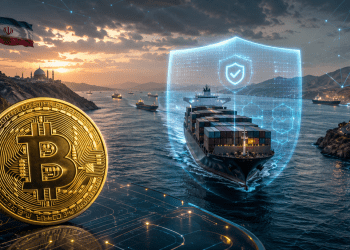
Iran has officially institutionalized a mandatory toll system for all large tankers passing through the Strait of Hormuz, rejecting dollar-denominated payments. Instead, fees must be paid either via yuan-denominated wire transfers or in USD-pegged stablecoins via decentralized networks. The move is designed to bypass U.S. financial sanctions and traditional banking channels like SWIFT system. The Islamic Revolutionary Guard Corps (IRGC) is implementing a tiered pricing model based on geopolitical alignment: allies like China and Russia pay the lowest rates, while U.S. allies and Israel are barred entirely. Vessels must display approved flags and are escorted through the strait after payment. This marks the first time a nation has integrated cryptocurrency into strategic-level payment infrastructure at commercial scale. The mechanism could channel over $20 billion annually in stablecoins through Iranian-controlled wallets, creating a grey liquidity pool shielded by sovereign power. However, risks remain. Compliance with sanctions from the EU and UK may void insurance coverage for vessels paying the IRGC, forcing shipowners to choose between longer routes or potential financial penalties. Russia is considering a similar model for the Northern Sea Route, signaling a broader shift toward using geographic chokepoints as financial leverage in a reordered global trade system.

marsbit04/07 03:51

A Hidden Financial War? Iran Collects Strait Passage Fees with Stablecoins

marsbit04/07 03:51

活动图片