2 миллиона долларов бонуса за подписание + 30 тысяч долларов в месяц: что стоит за тем, как Pump.fun переманивает пользователей у FOMO
Оригинал | Odaily Planet Daily (@OdailyChina)
Автор | Golem (@web3_golem)
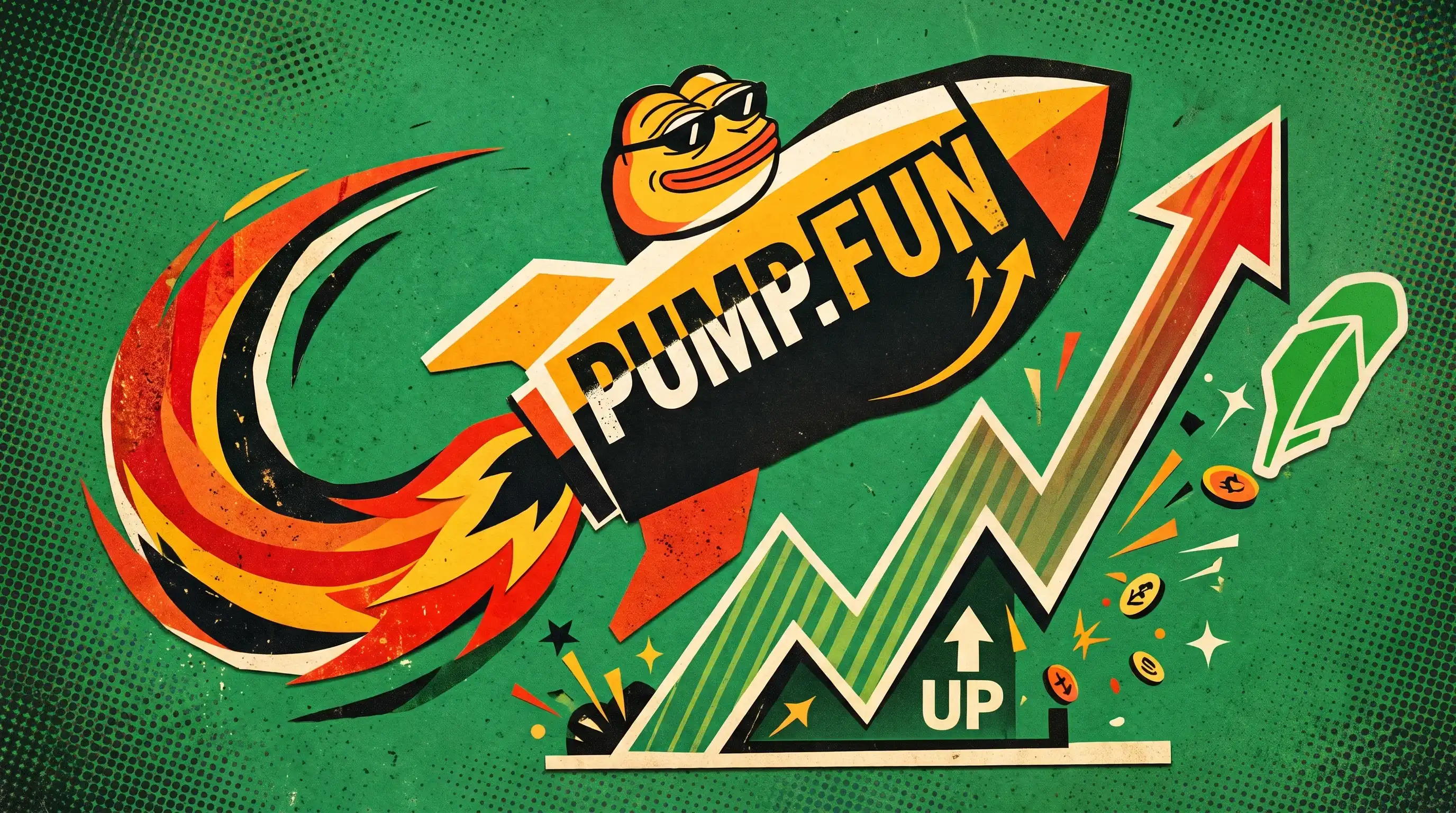
На фоне растущей раздробленности рынка мем-токенов, где зарубежные и китайские сообщества почти не пересекаются, 8 августа в зарубежном мем-сообществе распространились слухи о том, что крупнейшая платформа для выпуска токенов Pump.fun предлагает пользователям конкурента — платформы FOMO — перейти к ним на выгодных условиях.
Согласно опубликованным документам, Pump.fun предлагает квалифицированным пользователям разовый бонус за подписание контракта в размере 20 000 долларов США и ежемесячную фиксированную плату в размере 30 000 долларов США. Условия включают перевод средств и торговых позиций с платформы FOMO на Pump.fun, использование нового эксклюзивного кошелька, привязку аккаунта в X и публичное заявление об этом, а также полное удаление аккаунта на FOMO. Также требуется выполнять минимальный ежемесячный торговый объем.
FOMO — это мультичейновая торговая платформа для мем-токенов, запущенная в мае 2025 года. Несмотря на молодость, она привлекла 94 млн долларов финансирования и по оценкам стоит более 550 млн долларов. За последние 30 дней её доходы (8,17 млн долларов) превысили показатели Uniswap и Phantom, а доля на рынке торговых ботов в августе достигла 43%, что вывело её на первое место, обогнав GMGN.
Ключ к успеху FOMO — её социально-ориентированный дизайн: таблицы лидеров (Leaderboard) и лента новостей (Feed), отслеживающая действия успешных трейдеров. Это создало культуру «поклонения сильнейшим» и позволило платформе «создавать кумиров» — влиятельных трейдеров, за действиями которых следит сообщество. Pump.fun, видя эффективность этой модели, недавно обновил своё приложение, добавив аналогичные социальные функции, и активно привлекает известных мем-трейдеров, в том числе из FOMO.
Такое поведение Pump.fun отражает важный сдвиг на зарубежном рынке мем-токенов: конкуренция смещается с технологий и ликвидности к борьбе за ключевых носителей внимания — популярных трейдеров и KOL. Платформы теперь конкурируют за «суперузлы», которые привлекают пользователей, подобно тому, как стриминговые платформы боролись за топ-стримеров. Однако эта тенденция также сигнализирует о риске потери органической, основанной на культуре сообщества жизненной силы, которая изначально питала мем-сектор. Рынок вступает в фазу «моды на инфлюенсеров», где успех платформы определяется количеством привлеченных влиятельных трейдеров.
Odaily星球日报08/09 13:17