# Сопутствующие статьи по теме Lobbying

Новостной центр HTX предлагает последние статьи и углубленный анализ по "Lobbying", охватывающие рыночные тренды, новости проектов, развитие технологий и политику регулирования в криптоиндустрии.

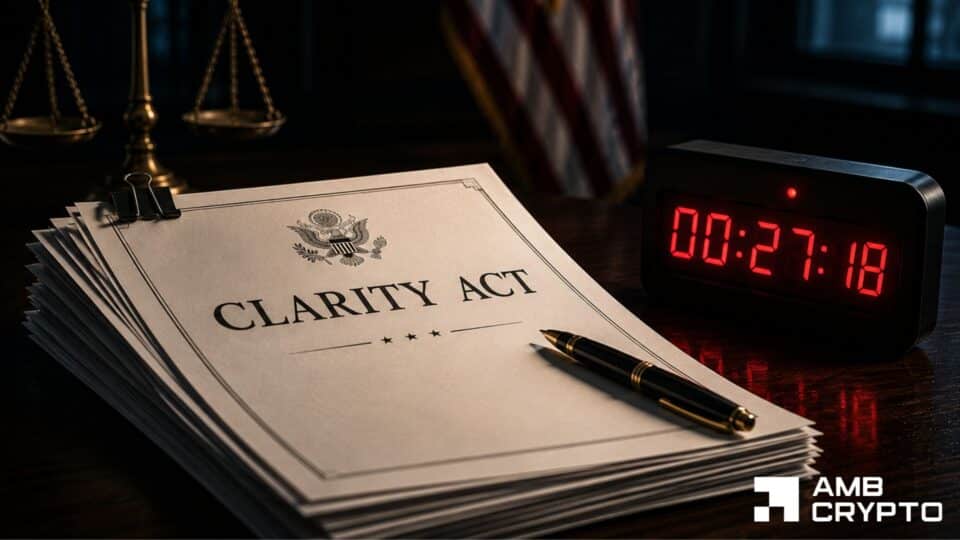
Who Controls the Profit Rights of Digital Dollars? The Wall Street vs. Crypto Capital Game Behind the CLARITY Act

The CLARITY Act represents a pivotal U.S. legislative effort to regulate digital assets, moving beyond the infrastructure-focused GENIUS Act. It aims to end "regulation by enforcement" by granting the CFTC exclusive jurisdiction over digital commodities and the SEC over investment contracts. A major conflict emerged in the Senate over "yield-bearing stablecoins." Traditional banks, fearing massive deposit outflows and damage to their net interest margins, lobbied for a total ban on third-party stablecoin yields. The crypto industry, led by Coinbase, argued this would stifle innovation, deprive users of rightful earnings from underlying assets like Treasuries, and drive capital offshore. The debate reached a stalemate in early 2026, stalling the bill's progress. White House mediation set a March 1 deadline for a compromise. A proposed solution, the "Digital Markets Restructure Act," introduced a "Yield Neutrality" principle, decoupling yield rights from bank charters, and a "Residual-Risk Assessment Model" to regulate based on actual risk (enterprise, exposure, market) rather than outdated classifications. The outcome will profoundly impact the U.S. financial system: potentially deepening demand for U.S. Treasuries, lowering government borrowing costs, and extending dollar hegemony digitally. It forces traditional banks to digitize and could cause a major schism in DeFi, pushing compliant players toward institutionalization and smaller, non-compliant protocols offshore. The act ultimately decides who controls the profits of the digital dollar.

marsbit02/22 05:34

Who Controls the Profit Rights of Digital Dollars? The Wall Street vs. Crypto Capital Game Behind the CLARITY Act

marsbit02/22 05:34

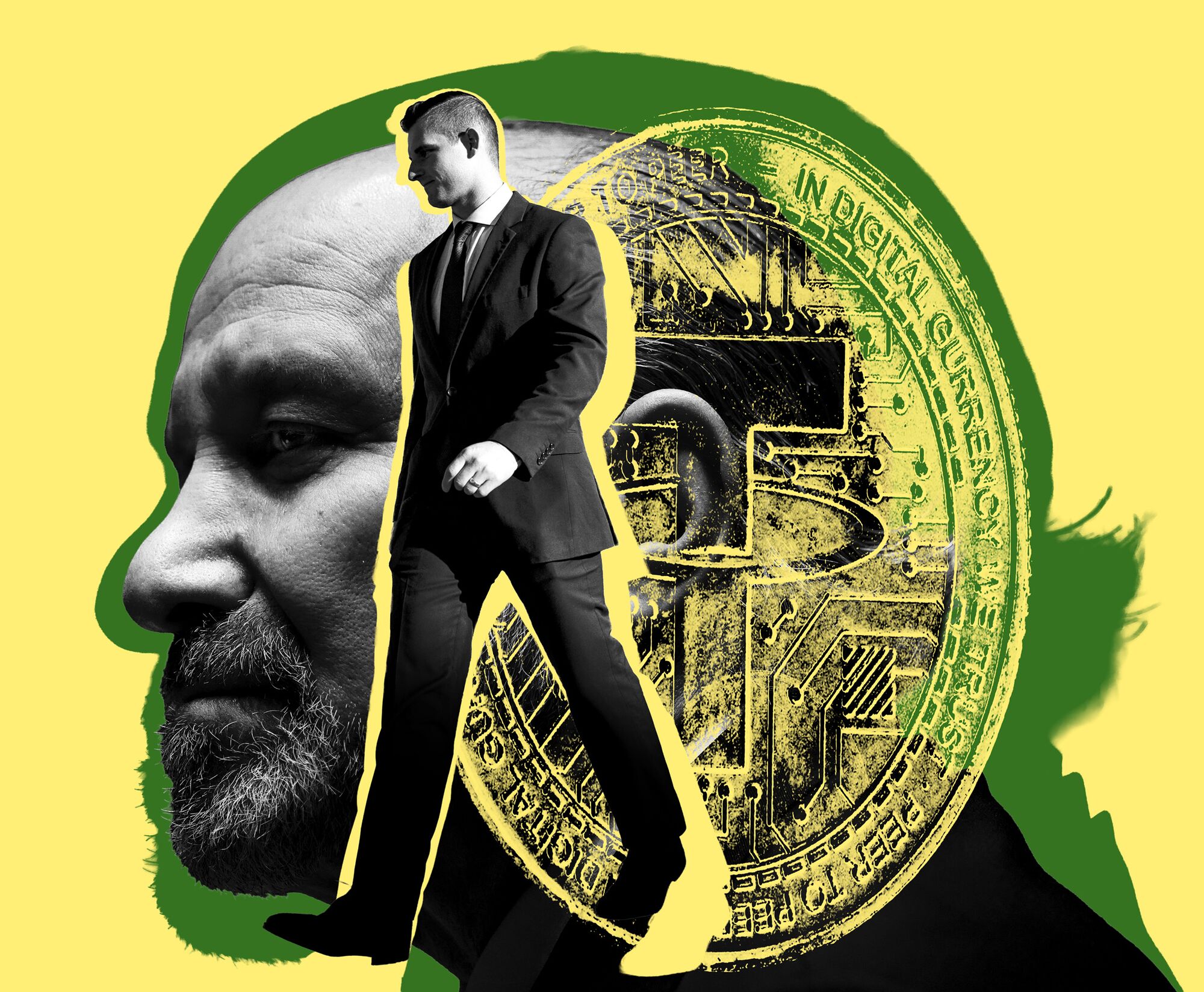
Bloomberg: How a16z Became the Key Force Behind U.S. AI Policy?

This article from Bloomberg details how venture capital firm Andreessen Horowitz (a16z) has become a dominant, behind-the-scenes force shaping U.S. artificial intelligence (AI) policy, particularly under the Trump administration. Through massive lobbying, close relationships with key figures like Donald Trump, and a network of former staff in government roles, a16z aggressively promotes a deregulatory agenda. The firm argues that strict rules would stifle innovation and harm U.S. competitiveness, positioning itself as a defender of small startups while its own massive portfolio benefits from a lax regulatory environment. a16z's chief lobbyist, Collin McCune, is often the first external call for White House officials and Republican aides considering AI legislation. The firm played a key role in supporting a Trump executive order that blocked states from enacting their own AI safety laws. Co-founder Marc Andreessen, a major Republican donor, wields significant influence through meetings and donations. Despite its "small tech" rhetoric, critics note a16z's substantial investments in giant tech companies and its opposition to any major new regulations. Its influence has made legislative compromise difficult, even causing friction with larger tech companies willing to negotiate. The firm is now focused on crafting federal AI standards designed to preempt state laws and endure beyond the current administration.

marsbit02/19 04:08

Bloomberg: How a16z Became the Key Force Behind U.S. AI Policy?

marsbit02/19 04:08

活动图片