# Сопутствующие статьи по теме Inflation

Новостной центр HTX предлагает последние статьи и углубленный анализ по "Inflation", охватывающие рыночные тренды, новости проектов, развитие технологий и политику регулирования в криптоиндустрии.

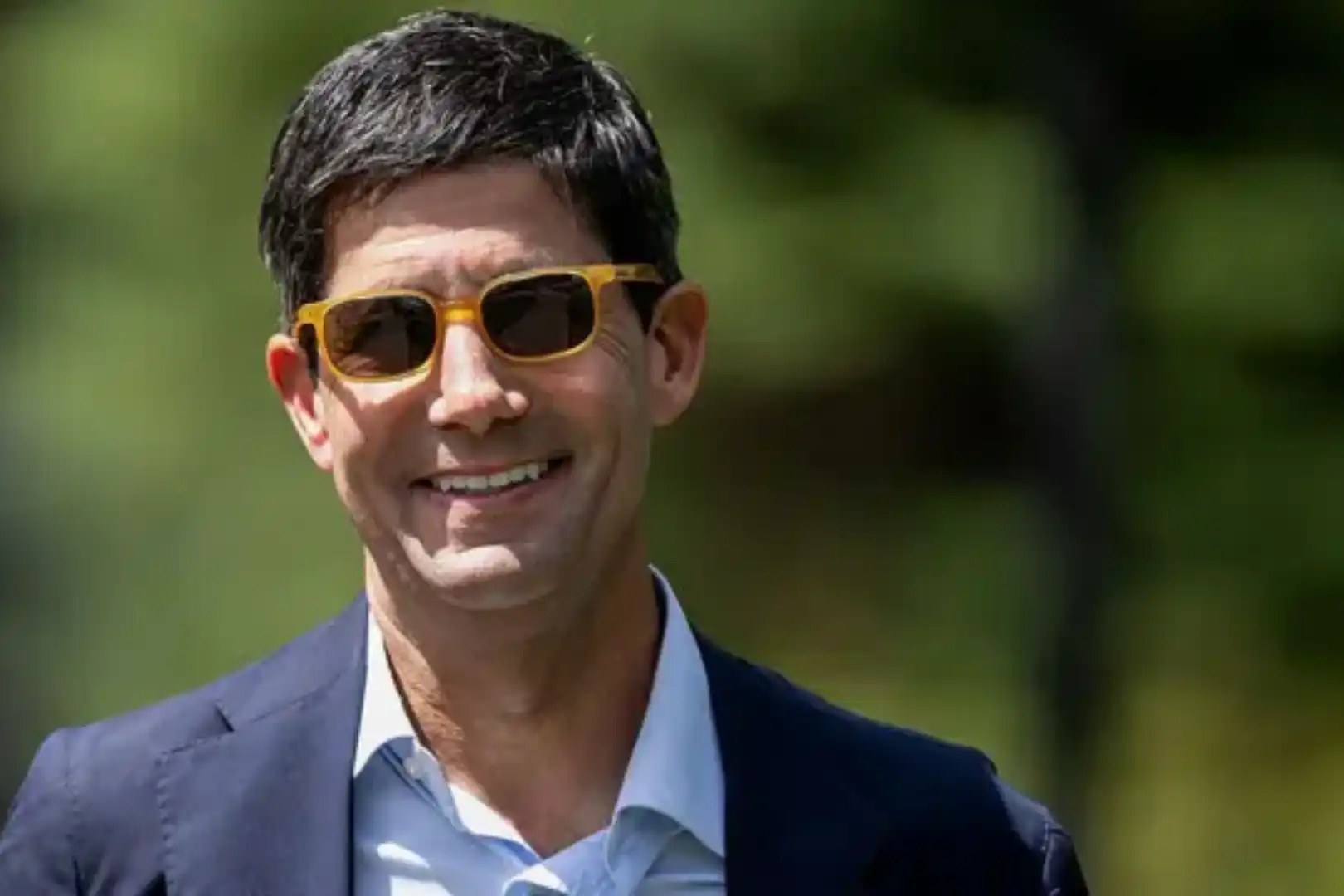
The Kevin Warsh Era Begins: Which Assets Will Rise?

The appointment of Kevin Warsh as the new Federal Reserve Chair signals a major shift in monetary policy and institutional priorities, centered on AI-driven fiscal discipline and government efficiency. Warsh views inflation not as a result of wage growth but as a consequence of fiscal excess and government waste. AI, particularly through companies like Palantir, is seen as a key tool to combat fraud, reduce inefficient spending, and boost productivity, thereby acting as a deflationary force. Palantir is already being used by federal agencies like the SBA and Fannie Mae to detect and prevent fraud, indicating a structural move towards greater transparency and accountability. This shift is expected to benefit assets tied to AI and semiconductors, banking, small-cap stocks, and cryptocurrencies like Bitcoin, which Warsh endorsed as "the new gold" for younger generation. Conversely, metals like gold and silver may face pressure due to a stronger dollar and reduced monetary easing, while renewable energy sectors could lose policy support. Globally, economies aligned with AI and tech exports (e.g., Japan, South Korea) may resilience, whereas emerging markets and China could struggle with dollar strength and tighter liquidity. The new policy mix—potential rate cuts coupled with balance sheet contraction—creates a unique environment where traditional labels like "hawkish" or "dovish" no longer apply, emphasizing instead structural changes over cyclical moves.

marsbit02/03 03:01

The Kevin Warsh Era Begins: Which Assets Will Rise?

marsbit02/03 03:01

February 3 Market Summary: U.S. Stocks and Gold Rebound Together, Fed Still Mired in Independence Crisis

Market Summary, February 3: U.S. stocks and gold both rebounded, while the Federal Reserve faces an ongoing independence crisis. Spot gold surged 3.56% to close at $4,826/oz, marking a strong recovery after its sharpest single-day drop since 1980 the previous Friday. The sell-off was triggered by Donald Trump's nomination of Kevin Warsh—a known hawk—as the next Fed Chair, raising fears of prolonged high interest rates. However, markets are reassessing: Warsh’s potential appointment is not immediate, and the long-term "de-dollarization" narrative for gold remains intact. Technical factors, including margin hikes and stop-loss triggers, exacerbated the initial drop but also cleared excess leverage. Major banks like JPMorgan and Deutsche Bank maintain bullish long-term targets. Bitcoin struggled around $78,700, up 2% on the day but down over 10% for the week. It faced pressure from broader risk-off sentiment, liquidations of long positions exceeding $500 million, and a lack of new catalysts. Ethereum fell even more sharply, down 19% weekly. Altcoins broadly declined as capital concentrated in Bitcoin and a few high-quality assets. U.S. stocks rose, with the Dow up 1.05%, the S&P 500 up 0.54%, and the Nasdaq up 0.56%. The rebound was driven by stronger-than-expected manufacturing PMI data, gains in AI-related and transportation stocks, and a general recovery from Friday’s panic. However, underlying weaknesses persisted, as seen in Disney’s 7% drop on poor earnings. The core market tension remains the Fed’s credibility crisis. Trump’s nomination of Warsh has intensified concerns over the central bank’s independence. Markets are weighing two scenarios: continued hawkish policy hurting all assets, or political pressure leading to premature rate cuts, risking inflation and dollar devaluation. Upcoming data—including ADP employment, ISM services PMI, jobless claims, and especially the nonfarm payrolls report—will be critical for near-term direction. Strong data could reinforce expectations of delayed rate cuts, while weak figures may increase bets on earlier easing. Current market pricing suggests a 40% chance of a March rate cut.

marsbit02/03 01:40

February 3 Market Summary: U.S. Stocks and Gold Rebound Together, Fed Still Mired in Independence Crisis

marsbit02/03 01:40

The Era Without Good Answers: Understanding Warsh, Trump, and the Next Four Years of a New Era

The article "An Era Without Good Answers: Understanding Warsh, Trump, and the Next Four Years" analyzes the potential implications of Kevin Warsh becoming the next Federal Reserve Chair under a Trump administration. It argues that Warsh represents not just a shift from dovish to hawkish policy, but a fundamental redefinition of the Fed's role. His appointment signals a move away from the Fed acting as a perpetual backstop for markets and government debt—a role perfected by Chair Powell during crises like the pandemic. Instead, Warsh advocates for monetary and fiscal discipline, opposing unconditional quantitative easing and emphasizing market rules over intervention. However, the US economy's reality—characterized by massive debt, deficit spending, and market dependence on low rates—severely limits any radical change. Warsh's proposed policies of raising rates and reducing the Fed's balance sheet risk triggering market volatility, higher borrowing costs, and political backlash, likely forcing a retreat to familiar stimulus measures. From Trump’s perspective, Warsh is a "controllable reformer" who can publicly push for fiscal restraint, forcing Congress to address unsustainable spending—while also serving as a convenient scapegoat if reforms fail. Ultimately, the core constraint remains America’s debt-dominated economy, which eliminates any possibility of a definitive solution. The coming years will involve managing, not solving, these problems through a painful and iterative process of half-measures and trade-offs—a era defined not by prosperity, but by the explicit return of economic constraints.

marsbit02/02 10:05

The Era Without Good Answers: Understanding Warsh, Trump, and the Next Four Years of a New Era

marsbit02/02 10:05

活动图片