За USDH, перешедшим под контроль Coinbase, стоит выбор Hyperliquid в пользу собственных интересов
В сентябре прошлого года борьба за нативный стейблкоин USDH на Hyperliquid привлекла внимание отрасли. Теперь этот стейблкоин, на который возлагались большие надежды, неожиданно подошел к своему «финалу».
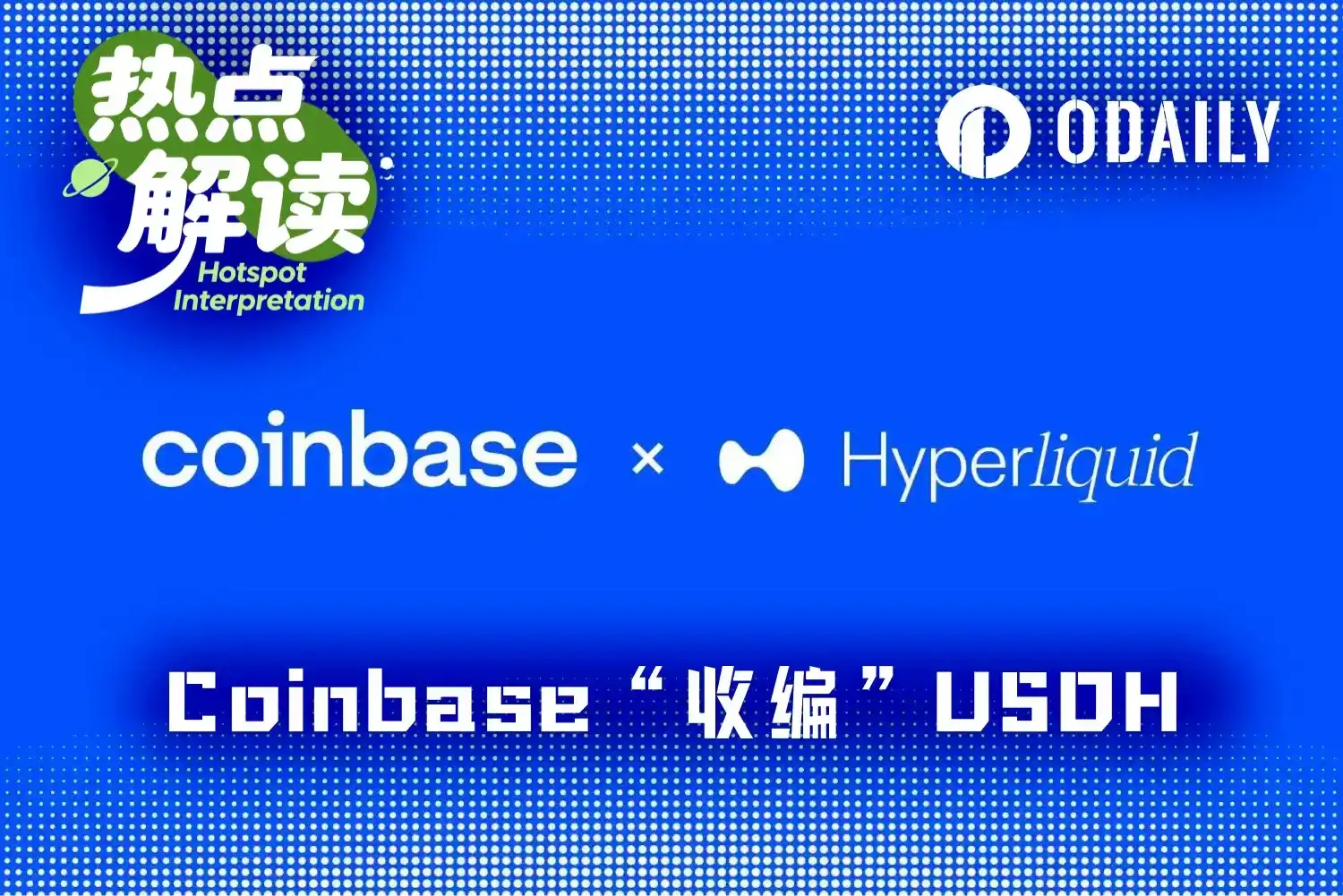
Накануне Coinbase объявил, что станет официальным оператором казначейства USDC на Hyperliquid, а эмитент USDH Native Markets предоставил Coinbase права на приобретение активов бренда USDH. В дальнейшем рынок USDH будет постепенно закрываться, в этот период пользователи смогут без комиссии конвертировать USDH в USDC или фиатные деньги.
Таким образом, некогда известный USDH стал активом, поглощенным Coinbase, а USDC официально утвержден в качестве основного стейблкоина и расчетного актива Hyperliquid. В этой статье кратко анализируются детали и последствия данного события.
**Отступление USDH, расцвет USDC: экономический расчет на фоне 50 млрд долларов**
Итогом «битвы за стейблкоин» в экосистеме Hyperliquid стала ситуация, выгодная для трех сторон: Coinbase&Circle, Hyperliquid и эмитента USDH Native Markets.
Coinbase углубил интеграцию с экосистемой Hyperliquid. Hyperliquid получит большую часть доходов от резервов стейблкоина USDC в своей экосистеме. Native Markets, как прежний победитель в истории USDH, получил вознаграждение в форме «продажи активов бренда USDH».
**Coinbase&Circle:** Укрепляют связь с ончейн-экономикой Hyperliquid, продолжают инвестировать в HYPE. Обе компании обязались стейкать HYPE для активации AQAv2. Ранее Circle уже покупала токен HYPE, и сейчас объем ее стейкинга HYPE вырос примерно до 500 000 токенов.
**Hyperliquid:** Получает основную долю доходов от резервов USDC, пользуется преимуществами статуса союзника Coinbase. Согласно заявлению, Coinbase будет делиться подавляющим большинством доходов от резервов с протоколом Hyperliquid. По оценкам сообщества, это может приносить до 44 000 долларов ежедневно на выкуп токенов HYPE. Глубокие связи с Coinbase также могут обеспечить определенную поддержку на регулирующем уровне в США.
**Native Markets:** Историческая миссия USDH выполнена. Хотя эта сторона выглядит проигравшей, ее исход можно считать «достойным отступлением». USDH послужил примером для модели распределения доходов от USDC между Coinbase и Hyperliquid. Команда Native Markets, вероятно, получила экономическое вознаграждение от продажи активов бренда Coinbase и заявила о сохранении независимости для поиска новых направлений развития.
**После отступления USDH: при всеобщей выгоде пострадали только пользователи USDH**
Отход Native Markets был встречен не только одобрением. Часть сообщества Hyperliquid критикует ситуацию, считая, что уход USDH означает откат от идей децентрализации. Некоторые пользователи указывают, что при голосовании за эмитента USDH следовало выбрать Paxos, который думал о пользователях, тогда как голосовавшие за Native Markets руководствовались внутренними интересами, оставив пользователей ни с чем.
Год назад разыгрывалась драма «борьбы с гигантами». Теперь, глядя на «примирение» Hyperliquid с Coinbase и Circle, становится ясно, что все сводилось к распределению интересов, а не к прежним лозунгам «ради сообщества» или «ради Hyperliquid».
marsbit05/15 06:53