WeChat Agent выпускает "Указ героя", половина интернет-индустрии откликается
Искусственный интеллект WeChat AI скоро появится. Платформа WeChat Open Platform выпустила руководство для разработчиков по интеграции с экосистемой WeChat AI. Это позволит мини-программам (mini-programs) быть рекомендованными и вызываемыми AI. Уже такие сервисы, как Meituan, Ctrip и Tuniu, объявили о подключении.
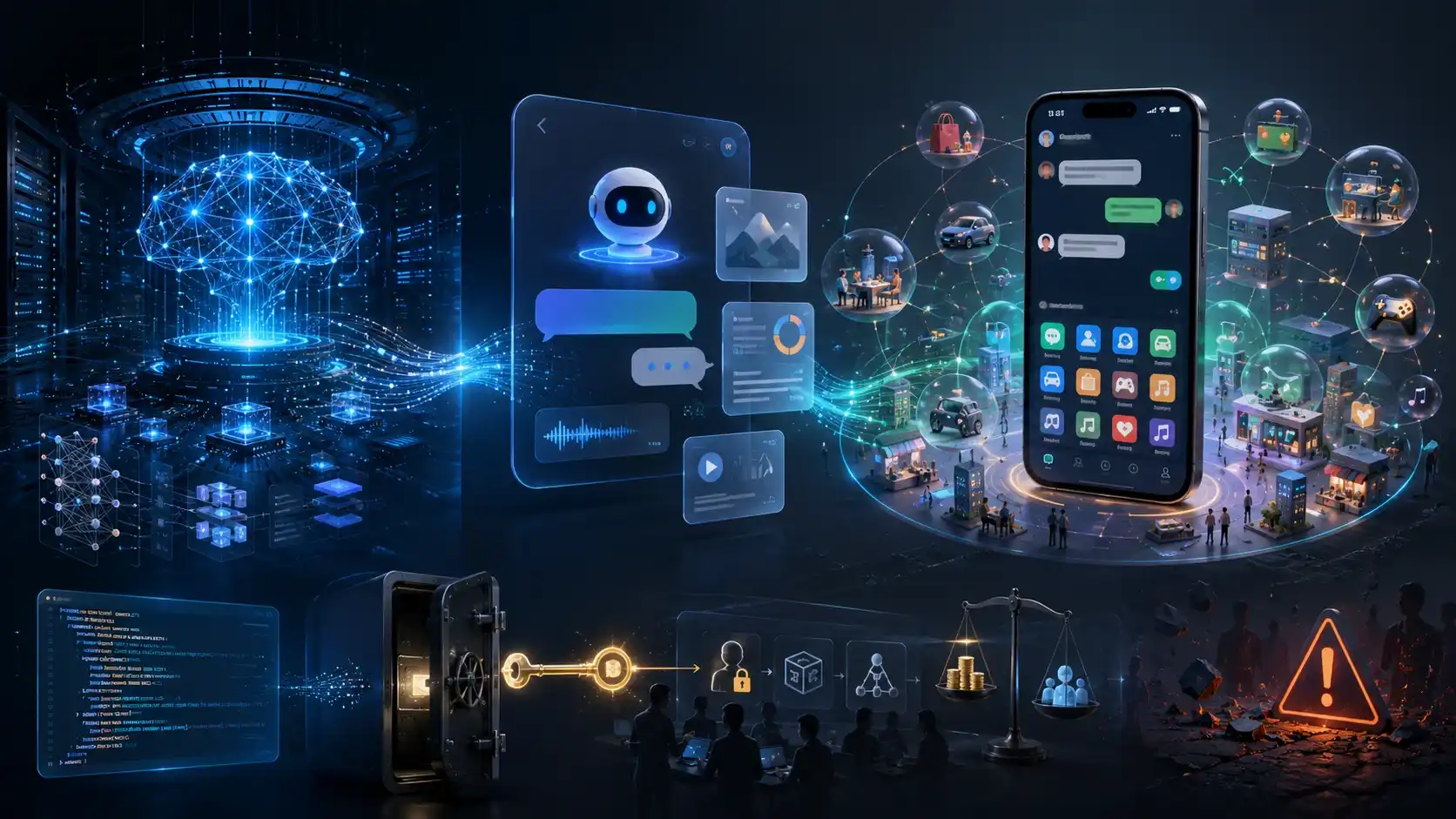
Согласно демонстрациям, пользователь сможет через диалоговое окно AI Agent давать инструкции, например, заказать кофе. Агент автоматически вызовет соответствующую мини-программу для выполнения задачи. Ключевая особенность WeChat AI — возможность управления всей экосистемой WeChat, включая сотни миллионов мини-программ, социальные связи, платежи и контент. Его цель — замкнуть цикл от понимания задачи до её исполнения.
Технически это сложная задача: понимание контекста и намерений пользователя в длинных диалогах, вызов правильных инструментов (поиск, мини-программы, оплата), предсказание результатов действий через мировую модель UI-Oceanus, а также контроль затрат и координация экосистемы.
WeChat — идеальный контекст для такого агента благодаря своим социальным связям, мини-программам, платежам и контенту. Различные AI-продукты Tencent, такие как Yuanbao и WorkBuddy, через механизм Co-Design накапливают способности (чат, поиск, планирование задач), которые затем будут использованы в WeChat AI.
Tencent выбирает для взаимодействия с другими платформами (например, смартфонами) протокол Agent-to-Agent (A2A), а не подход GUI (чтение экрана), чтобы сохранить контроль над экосистемой и безопасностью. Интеграция с недорогой моделью DeepSeek может помочь контролировать огромные затраты на обслуживание 1,432 млрд пользователей. Мысль заключается в использовании небольших моделей для простых задач и мощных — для сложных.
Ожидается, что WeChat AI будет иметь большое практическое значение как для обычных пользователей, так и для предприятий, автоматизируя повседневные задачи. Как заявил научный руководитель Tencent по AI Яо Шуньюй, главное — найти и решить «хорошие проблемы», а не гнаться за рейтингами. Успех WeChat AI может стать ключевым ответом Tencent в следующем этапе развития искусственного интеллекта.
marsbit06/09 04:20