Основатель Claude Code дал свежий прогноз: в эпоху ИИ разделение труда в командах переписывается, эти «пять типов» людей наиболее востребованы
Отцом Claude Code заявлено: в эпоху ИИ разделение ролей в команде переосмыслено, эти «пять типов людей» наиболее востребованы.
На фоне бума Agent Coding, меняющего индустрию ПО, меняется не только роль «инженера». Более глубокая трансформация происходит на уровне организационной структуры команд. Борис Черни, руководитель команды Claude Code в Anthropic, высказал интересное наблюдение: по мере слияния функций инженерии, продукта, дизайна и data science традиционные «ярлыки должностей» стираются. Вместо них появляются пять новых «несвязанных» ролей, основанных на моделях поведения:
1. **Прототипировщик (The Prototyper):** Генерирует множество новых, часто радикальных идей, не все из которых будут реализованы.
2. **Строитель (The Builder):** Превращает сырые идеи или прототипы в готовый для производства продукт или высокодоступную инфраструктуру (от 0.1 до 1).
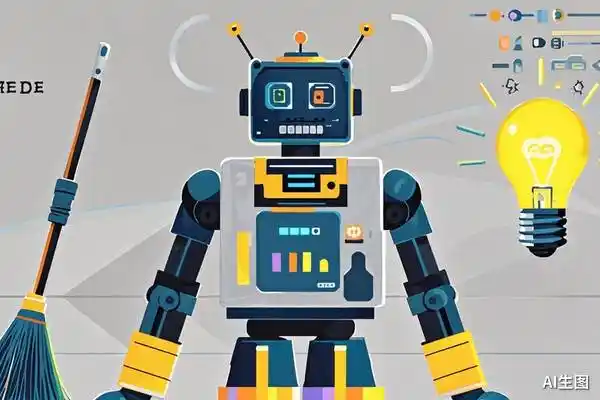
3. **Уборщик (The Sweeper):** Фокусируется на «упрощении»: удаляет избыточные функции, рефакторит код и архитектуру для повышения производительности и ремонтопригодности, борясь с побочным эффектом ИИ — раздуванием.
4. **Специалист по росту (The Growth):** Работает с готовым продуктом, проводя быстрые итерации, чтобы приблизить его к рынку, повысить удержание пользователей и превратить продукт из «рабочего» в «необходимый» (комбинация продуктовых, data, пользовательских и экспериментальных навыков).
5. **Специалист по поддержке (The Maintainer):** Обеспечивает долгосрочную эксплуатацию зрелой системы, уделяя первостепенное внимание безопасности, надёжности, эффективности и отказоустойчивости.
Эти роли не соответствуют традиционным должностям. В эффективной команде, усиленной ИИ, многие члены не являются «винтиками»: дизайнер может быть и прототипировщиком, и уборщиком; инженер — строителем и специалистом по поддержке. Вопрос смещается с «Какова ваша должность?» на «Какую стадию жизненного цикла продукта вы можете продвигать?».
Здоровая комбинация этих ролей зависит от этапа продукта:
- Новый продукт, ищущий PMF: нужны роли 1, 2, 3.
- Растущий продукт с найденным PMF: нужны роли 2, 3, 4 с добавлением 5.
- Зрелый продукт с сильным PMF: нужны роли 3, 4, 5 с сохранением некоторых 2.
Как отмечают в обсуждениях, роли человека часто меняются в зависимости от проекта и его фазы. Гибкость и фокус на целях важнее строгих границ. На вопрос, зачем нужны строители и уборщики, если ИИ пишет код, Борис Черни ответил, что Claude уже хорошо помогает в этих задачах и со временем станет ещё лучше, но человеческие роли эволюционируют, а не исчезают.
marsbit06/30 05:54