# Сопутствующие статьи по теме Governance

Новостной центр HTX предлагает последние статьи и углубленный анализ по "Governance", охватывающие рыночные тренды, новости проектов, развитие технологий и политику регулирования в криптоиндустрии.

Second Largest Whale Cuts Losses and Liquidates, Can AAVE Still Be Bought Amid Deepening Conflict?

The second-largest AAVE whale, excluding the project team, protocol contracts, and exchanges, has sold off 230,000 AAVE tokens (worth approximately $38 million) at a loss, causing a 12% price drop. The sale occurred amid growing tensions between the Aave team and its community over governance and financial control. The conflict began when the community discovered that Aave Labs, without prior communication, redirected front-end exchange fees—previously directed to the Aave DAO treasury—to its own address after switching the default trading path to Cow Swap. This change could divert an estimated $10 million annually from the community to the team. Aave Labs defended the move, arguing that front-end products are separate from the protocol and that the team has the right to monetize its own infrastructure. In response, a proposal was made to transfer control of Aave’s brand assets—including domains and social accounts—to AAVE token holders. Founder Stani Kulechov opposed the proposal, calling it oversimplified and poorly structured, further escalating community backlash. The situation highlights deeper structural tensions in DeFi between team-controlled products and community-governed protocols. The outcome of the ongoing snapshot vote on the proposal may significantly influence AAVE’s price and long-term community trust.

Odaily星球日报12/22 04:10

Second Largest Whale Cuts Losses and Liquidates, Can AAVE Still Be Bought Amid Deepening Conflict?

Odaily星球日报12/22 04:10

7 Crypto Trends and Lessons You Must Know in 2026

The crypto market in 2025 was marked by extreme volatility and a significant downturn, with most altcoins dropping 80–99% in value. Bitcoin outperformed, reclaiming over 60% market dominance, while Ethereum stagnated. Despite positive developments like clearer regulations and institutional adoption, equities significantly outperformed crypto. Key trends and lessons for 2026 include: - Prediction markets** grew rapidly, with platforms like Polymarket reaching $3.8B in weekly volume, serving as versatile trading tools. - Cash-secured puts and covered calls** emerged as conservative strategies for generating yield. - Narrative fatigue accelerated, shifting focus to fundamentals and real metrics, amid growing tension between equity and token holders in M&A deals. - Market-governed organizations like MetaDAO introduced “ownership tokens,” aligning incentives and giving token holders real control and value. - Tokenization of securities gained regulatory approval, paving the way for TradFi and DeFi convergence. - Consumer crypto products and perpetuals (reaching $1.3T monthly volume) demonstrated strong product-market fit. - Storytelling became a critical skill, with increased demand for authentic narrators and community builders. The market is maturing, emphasizing fundamentals, value accumulation, and competitive edges like clear thinking, storytelling, product-building, or disciplined trading.

深潮12/20 04:01

7 Crypto Trends and Lessons You Must Know in 2026

深潮12/20 04:01

UNI Burn Proposal Voting, Lighter TGE Expectations: A Look at Major Ecosystem Movements

In the past 24 hours, the crypto market saw significant developments across multiple sectors. Key discussions revolved around Uniswap's final voting phase for the "Unification" proposal, which includes burning 100 million UNI and activating fee mechanisms, raising debates on governance alignment and value capture. Lido’s low market cap despite high TVL sparked conversations about governance token valuation challenges. CZ highlighted privacy concerns in crypto payments, amplifying discussions on transactional transparency. Solana ecosystem attracted attention with energy company Fuse Energy entering DePIN, signaling real-world adoption. Ethereum witnessed shifting DEX fee dynamics, with Curve gaining ground against Uniswap, while ERC-8004 for trustless AI agents advanced toward mainnet launch. Perp DEX projects like Lighter faced TGE timing uncertainties, and Hyperliquid’s $1 billion回购 strategy triggered debates on balancing buybacks with growth investments. Infrastructure updates included MegaETH opening its mainnet for developers, and traditional finance integration accelerated with SoFi Bank launching SoFiUSD—the first nationally chartered U.S. bank-issued stablecoin. Visa’s stablecoin settlement pilot reached a $3.5 billion annualized volume, and PayPal’s PYUSD partnered with USDAI to enhance interoperability. These movements highlight ongoing convergence between crypto and traditional finance, alongside evolving DeFi economic models and privacy needs.

marsbit12/19 06:57

UNI Burn Proposal Voting, Lighter TGE Expectations: A Look at Major Ecosystem Movements

marsbit12/19 06:57

Why Are Crypto Project Acquisitions Now Excluding Tokens?

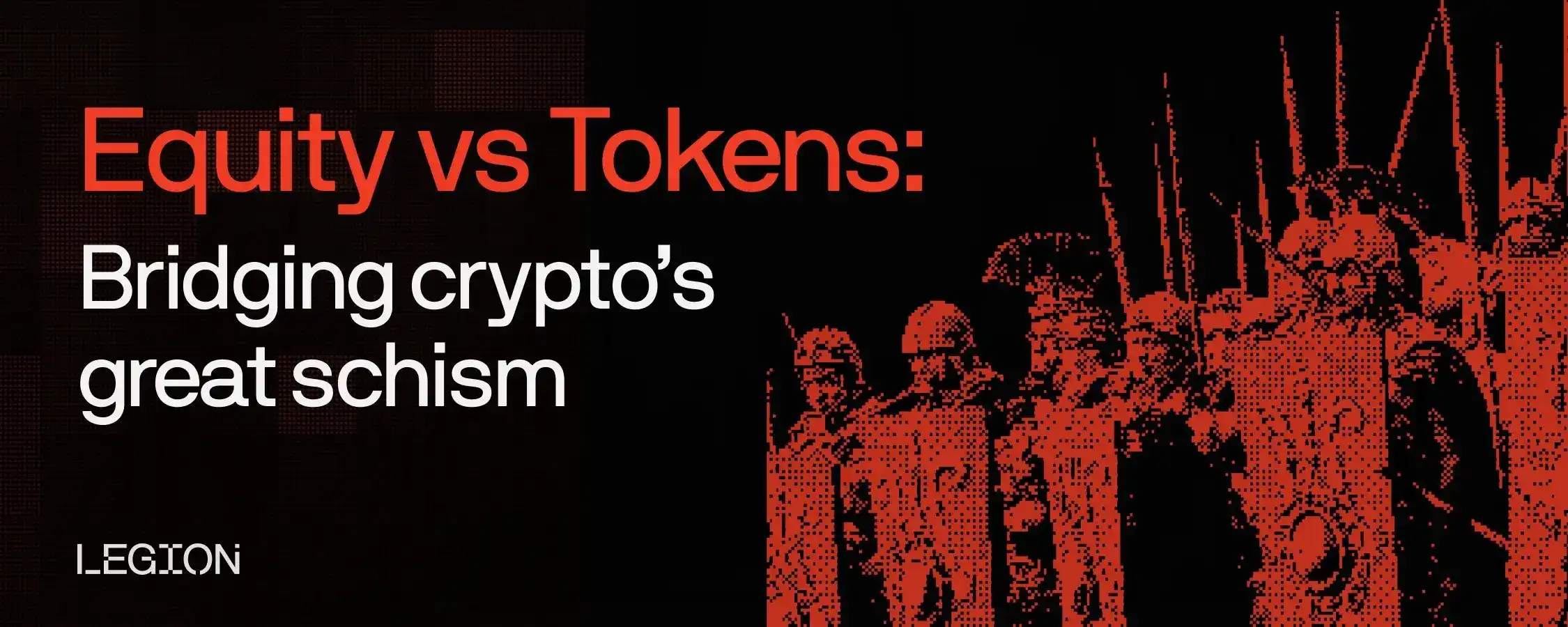
Recent acquisitions in the crypto space, such as Circle’s purchase of Interop Labs (developers of Axelar Network), have sparked controversy by focusing on acquiring teams and intellectual property while excluding the native tokens. In the Axelar case, the AXL token and network remain independent, leading to a 15% price drop and community backlash. Similar patterns emerged in other acquisitions: Kraken’s Ink acquired Vertex Protocol’s team and tech but abandoned the VRTX token, causing a 75% crash. Pump.fun acquired Padre and invalidated its token without compensation, and Coinbase integrated Vector.fun’s tech without involving the TNSR token. These cases reflect a broader “acquihire” trend common in Web2, where companies acquire talent and tech but avoid equity or token obligations. In crypto, however, this often leaves retail token holders with no rights or financial benefits, as tokens are designed to avoid regulatory scrutiny as securities—offering utility or governance instead of ownership or profit-sharing. This has led to growing tension between project teams and token holders, exemplified by Aave’s recent governance proposal to assert DAO control over IP, equity, and revenue—highlighting the misalignment between token-based incentives and traditional equity structures. The trend raises fundamental questions about the value and rights attached to tokens in decentralized ecosystems.

marsbit12/18 01:12

Why Are Crypto Project Acquisitions Now Excluding Tokens?

marsbit12/18 01:12

Axelar Team Acquired, Token Abandoned: Circle's 'Take the Team, Not the Token' Move Sparks Heated Debate in Crypto Community

Circle, the stablecoin giant, has announced the acquisition of the core team and intellectual property of Interop Labs, the initial development team behind the cross-chain protocol Axelar Network. The move aims to advance Circle’s cross-chain infrastructure strategy and improve interoperability for its core products like Arc and CCTP. However, the acquisition explicitly excludes the Axelar Network itself, its foundation, and its native token AXL, which will continue to operate under community governance. Another contributing team, Common Prefix, will take over Interop Labs' former activities. Following the news, the price of AXL dropped sharply, falling 15% to around $0.115. The “acquire-the-team-but-not-the-token” approach has sparked intense debate within the crypto community. Critics, including VCs and industry figures, argue that the move unfairly disadvantages token holders, who supported the project early on but received nothing from the acquisition. Some have called it a “rug pull” and raised ethical and legal concerns, emphasizing the misalignment between team incentives and token holder interests. Supporters counter that this reflects standard market reality where tokens sit at the bottom of the capital structure—below debt and equity—and aren’t inherently entitled to proceeds in acquisitions. They see Circle’s decision as a rational business move that follows conventional corporate finance hierarchies. The incident highlights a recurring conflict in crypto: the ambiguous legal and economic status of tokens. While often treated as “quasi-equity” during bullish phases, tokens lack formal rights in events like acquisitions or liquidations. The Axelar situation underscores the need for clearer definitions and structures around token rights and incentives.

marsbit12/17 10:05

Axelar Team Acquired, Token Abandoned: Circle's 'Take the Team, Not the Token' Move Sparks Heated Debate in Crypto Community

marsbit12/17 10:05

活动图片