Финансовые перемены под новыми правилами SEC: возможности и красные линии регулирования в «токенизированных акциях»
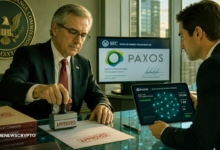
В связи с новыми правилами SEC (Комиссии по ценным бумагам и биржам США) об «инновационном освобождении», разрешающем торговлю некоторыми активами на блокчейне, в финансовом мире активно обсуждается тема «токенизированных акций» (Tokenized Stocks). Важно понимать, что большинство таких токенов, особенно подпадающих под действие новых правил, являются синтетическими активами, выпущенными третьими сторонами (криптоплатформами), а не самими компаниями-эмитентами. Покупая их, инвестор приобретает не прямые права акционера (дивиденды, голосование), а, по сути, договор, зависящий от надежности платформы и ее способности обеспечить привязку к базовому активу. Заявления о «круглосуточной торговле» несут дополнительные риски, такие как отсутствие механизмов защиты (например, аварийной остановки торгов) и низкая ликвидность, что может привести к резким колебаниям цен и значительным потерям. Крупные институциональные инвесторы, такие как BlackRock и JPMorgan, внедряют технологию блокчейн в основном для повышения эффективности расчетов по регулируемым активам (например, казначейским облигациям), в то время как предложения для розничных инвесторов часто носят спекулятивный характер. Особое внимание следует уделить нормативным требованиям: в Китае действуют строгие правила в отношении виртуальных валют и трансграничных операций с ценными бумагами, и участие в подобных нерегулируемых внутренними органами схемах может быть сопряжено с юридическими и финансовыми рисками. Инвесторам рекомендуется различать инвестиции и спекуляции, использовать легальные каналы (например, QDII) для доступа к зарубежным акциям, избегать платформ, обещающих сверхвысокую доходность, и внимательно следить за изменениями в регулировании. Финансовые инновации – это палка о двух концах, и приоритетом всегда должна оставаться безопасность и соответствие законодательству.
链捕手05/22 05:43