Первыми, кто почувствовал горячую волну Robinhood Chain, стал Arbitrum, выросший почти на 20%
Автор: Angelilu, Foresight News
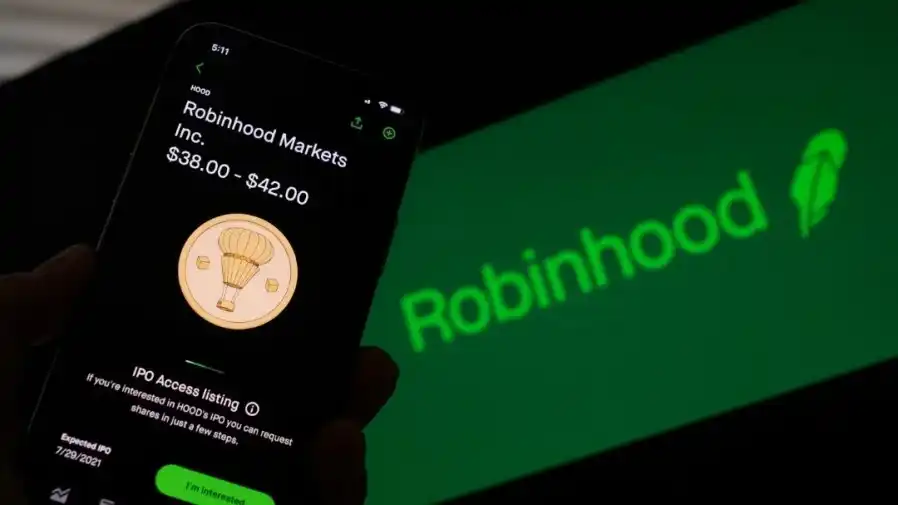
Токен ARB вырос почти на 20% за неделю, став одним из лучших среди основных L2-токенов. Этот рост вызван запуском «Robinhood Chain» — созданного на базе технологии Arbitrum Layer 2 для RWA (реальных активов), чья основная сеть стартовала 1 июля.
Ключевой причиной является активация правила «Программы расширения Arbitrum» (AEP), принятого в январе 2024 года. Согласно ему, независимые цепи, построенные на Arbitrum Orbit, но не использующие Arbitrum One/Nova для финального расчета (например, расчет в Ethereum или Base), должны перечислять 10% своего чистого дохода от протокола в экосистему Arbitrum (8% — в казну DAO, 2% — гильдии разработчиков). Ранее мелкие цепи, такие как Degen Chain, уже платили этот сбор, но из-за их малого масштаба это оставалось незамеченным. Robinhood Chain — первый крупный игрок, который может придать этому механизму реальный вес.
Данные Robinhood Chain впечатляют: за первую неделю более 35 млн транзакций, 350 тыс. адресов, TVL около $2.5 млрд и объем DEX свыше $10 млрд. Однако текущий чистый доход протокола для распределения пока невелик — около $146 тыс., из которых в казну Arbitrum DAO может поступить лишь около $14.6 тыс. Рост ARB отражает рыночные ожидания от будущего потенциала AEP, учитывая огромные активы Robinhood ($324 млрд под управлением), которые могут постепенно переходить в блокчейн.
Ситуация напоминает историю Optimism и Base. Optimism долго собирал «арендную плату» со своих Superchain, но после объявления Base о выходе из OP Stack его доходы упали. Теперь Arbitrum, благодаря Robinhood, запускает свой «арендный» бизнес. Однако некоторые аналитики задаются вопросом, сможет ли Arbitrum удержать такого крупного «арендатора», как Robinhood Chain, или тот, подобно Base, в будущем может перейти на прямую работу с Ethereum, особенно учитывая, что его ежедневный доход от секвенсоров уже почти в три раза превышает доход материнской цепи Arbitrum и способствует сжиганию ETH.
marsbit07/11 02:51



![Продолжит ли Maple Finance [SYRUP] рост по мере достижения TVL $2,2 млрд? Вот что говорят показатели...](https://d1x7dwosqaosdj.cloudfront.net/images/2026-07/4e3b0433345c4ea8a9dd04a53e363624.jpg)