# Сопутствующие статьи по теме Currency

Новостной центр HTX предлагает последние статьи и углубленный анализ по "Currency", охватывающие рыночные тренды, новости проектов, развитие технологий и политику регулирования в криптоиндустрии.

Why Has Bitcoin Risen Against the Trend Amid Turmoil?

Title: Why Bitcoin Defies Market Turmoil and Rises Against the Odds? Amidst the recent Iran conflict, Bitcoin demonstrated unexpected strength, rising 12% while traditional risk assets like the S&P 500 fell 1% and gold dropped 10%. This challenges the conventional view of Bitcoin is a risk-on asset. Matt Hougan, Bitwise CIO, argues that Bitcoin’s surge is not due to ignorance of geopolitical tensions or long-term money printing expectations, but is directly driven by the conflict itself. Hougan proposes a dual-investment thesis for Bitcoin: it acts both as a "digital gold" competing in the $38 trillion store-of-value market, and as a speculative bet on becoming a genuine global currency. While the first narrative has dominated the past five years, the second—once a distant possibility—is gaining relevance as global financial systems become increasingly weaponized. The 2022 SWIFT sanctions against Russia marked a turning point, prompting nations to explore alternative financial networks. Iran’s recent move to demand Bitcoin payments for shipping tolls in the Strait of Hormuz exemplifies this shift. Such developments increase the probability of Bitcoin being used as a neutral, apolitical settlement medium and amplify global monetary system volatility. This dual role suggests Bitcoin’s potential market extends beyond gold’s $38 trillion valuation. Its pricing is now influenced not only by liquidity or tech stock trends but also by growing uncertainties in the international financial architecture. As geopolitical friction elevates Bitcoin’s monetary attributes, its upside potential may be significantly revalued.

marsbitВчера 20:31

Why Has Bitcoin Risen Against the Trend Amid Turmoil?

marsbitВчера 20:31

Token Doesn't Need a Chinese Name, But the Business Behind It Does

Recent discussions in China have intensified around finding an appropriate Chinese translation for the technical term "Token," driven by its growing economic and industrial significance. Previously an obscure technical term within AI circles, Token has now entered mainstream discourse due to its role as a billing unit in cloud services, a revenue metric for AI companies, and a key indicator in national AI industry statistics. Proposed translations include "智元" (suggested by AI media, implying "intelligence unit"), "模元" (proposed by academics, leaning toward "model unit"), and "符元" (a more neutral, technical term meaning "symbol unit"). The debate is not merely linguistic but reflects broader commercial and narrative control over the AI industry. Different translations align with different stakeholders’ interests: "智元" benefits those emphasizing intelligent computation, while "模元" reinforces the role of model developers. The term already had an academic translation—“词元” (ciyuan)—since 2021, but it gained little attention until Tokens became a valuable economic unit. As Token consumption in China surges—reaching 180 trillion per day—the naming contest underscores deeper issues of market influence, branding, and “coinage” rights in the emerging AI-driven economy. Ultimately, those who produce Tokens may hold the power to define them, regardless of the chosen name.

marsbit03/23 08:48

Token Doesn't Need a Chinese Name, But the Business Behind It Does

marsbit03/23 08:48

Myanmar Under Fire: The Dignity of the Dollar, Trapped Youth, and the Underground Financial Market

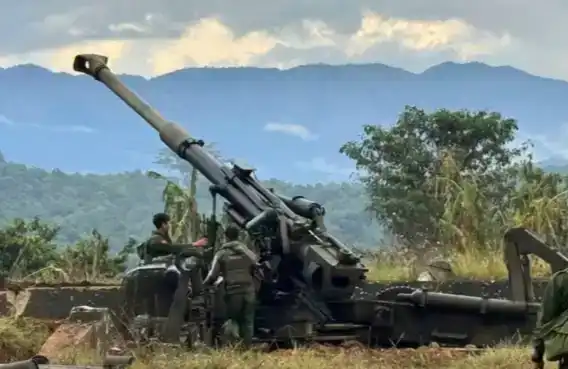
In 2026, a two-week field investigation in Myanmar revealed a nation fractured by war, economic collapse, and extreme social inequality. The country exists in multiple layers of reality: the official state versus the black market, internet stereotypes versus on-the-ground simplicity, and a brutal economic disparity where a server in Hong Kong earns 18,000 RMB monthly, compared to just 300 RMB in Bagan. The economy is defined by a shattered financial system. The official exchange rate is a fiction; the black market rate of 1:550 (USD to MMK) is the real one. This instability manifests in an absurd reverence for physical US dollars, which must be pristine to be accepted, while the local currency is treated with contempt. Hyperinflation has crippled daily life. Prices have surged 5x in a decade, while wages have only doubled. A day's wage for an adult in Bagan is less than 10 RMB, meaning five bottles of water cost a full day's pay. This pressure forces children into labor. It's common to see 9-year-olds working in restaurants or children begging in streets. For the youth, escape is nearly impossible. The government restricts passport issuance for those aged 18-60, making legal departure a privilege. The only options are dangerous illegal routes or being "bought" as a bride by foreigners. The report concludes with a guide's stark summary of his existence: "A lifetime. No happiness." Men live in fear of being forcibly conscripted, and the relentless struggle for survival leaves no room to ponder happiness.

marsbit02/26 09:39

Myanmar Under Fire: The Dignity of the Dollar, Trapped Youth, and the Underground Financial Market

marsbit02/26 09:39

活动图片