Диалог с макроаналитиком: ИИ высасывает всю ликвидность из американского рынка, 40 тысяч долларов — дно биткоина
**Диалог с макроаналитиком: AI высасывает всю ликвидность с рынка акций США, дно биткоина — $40 000**
В подкасте Coin Stories макростратег с 30-летним опытом Люк Громан представил мрачный, но логичный анализ текущей финансовой ситуации. По его словам, несмотря на рекорды индекса S&P 500, рост поддерживают лишь семь AI-акций, которые «высасывают всю ликвидность» из рынка. Биткоин, выступающий в роли «дымового датчика ликвидности», сигнализирует о проблемах.
Громан объясняет, почему продал большую часть биткоина на пиках и пока не возвращается: он ожидает дальнейшей коррекции. Его базовый сценарий — рост акций в долларовом выражении, но их падение в пересчете на золото и биткоин. За 10 лет фьючерсы на долгосрочные казначейские облигации США потеряли 90% к золоту, и этого, по его мнению, недостаточно.
Ключевые риски, по Громану:
1. **Доминирование AI:** Завышенная оценка AI-компаний основана на бухгалтерских методах, откладывающих расходы. Когда их цикл роста замедлится, последует резкая коррекция.
2. **Геополитика:** Закрытие Ормузского пролива Ираном (которое может затянуться) — это «Суэцкий момент» для США, ведущий к инфляции и ослаблению доллара.
3. **Сырьевая зависимость:** Китай контролирует переработку редкоземельных металлов, критичных для технологий. США пытаются наверстать упущенное при активном вмешательстве государства, что редко полезно для акционеров.
4. **Долговая ловушка:** В истории 58 из 58 стран с госдолгом выше 130% ВВП в итоге объявляли дефолт, обычно через инфляцию. США превысили этот порог в 2020 году.
5. **Недоверие в мировой торговле:** Мир движется к системе «no ticky, no washy» (без квитанции нет товара), где расчеты ведутся золотом или иными реальными активами, а не доверием к валютам. Китай активно строит под эту систему инфраструктуру.
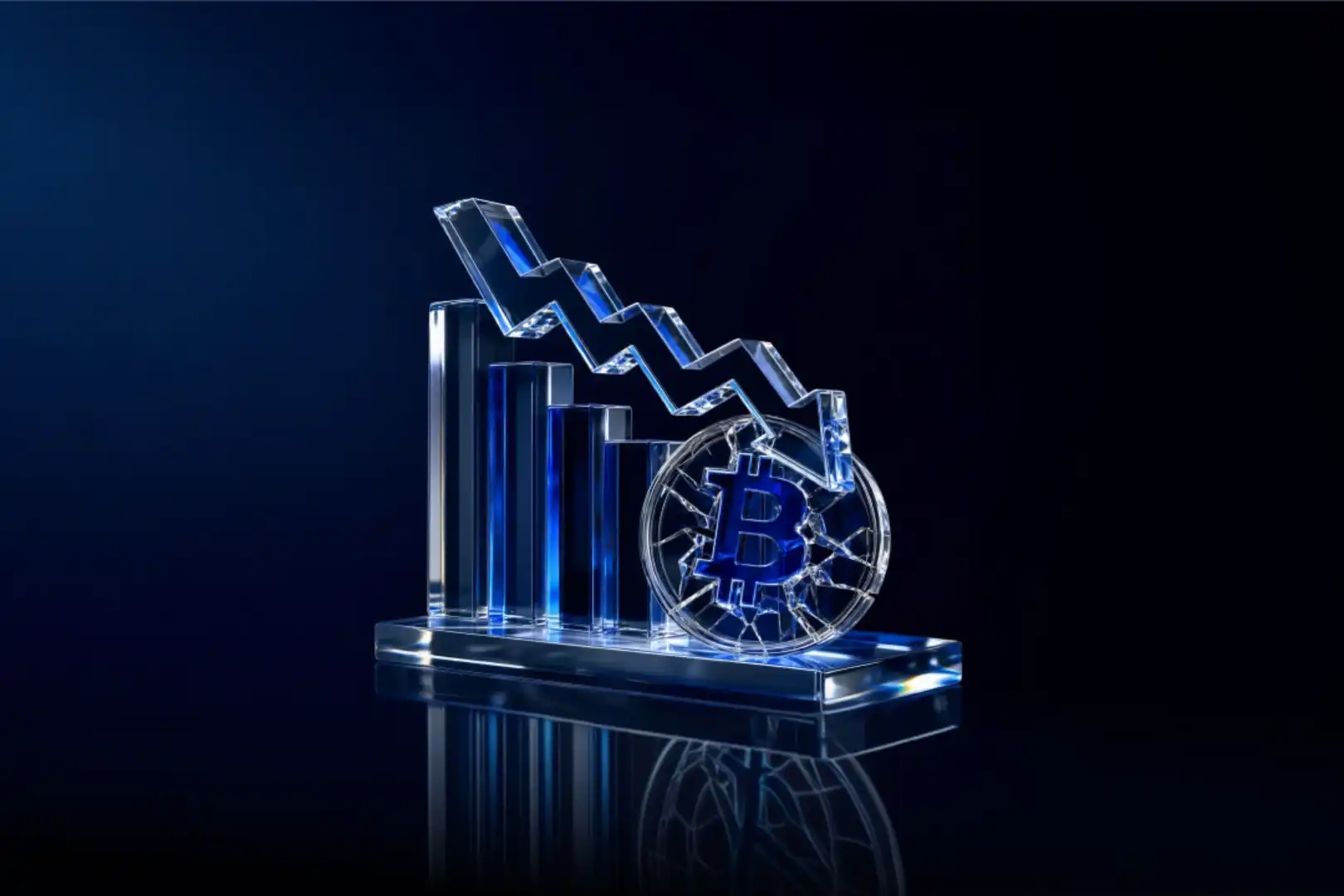
**Вывод для биткоина:** Технический анализ указывает на возможное тестирование дна в районе $40 000 в III-IV квартале. Если это произойдет, покупка на этих уровнях после продажи на пиках станет «эпической» сделкой. В долгосрочной перспективе и золото, и биткоин должны значительно вырасти на фоне общего кризиса доверия к фиатным системам.
marsbit06/10 04:15