Ключевые сигналы
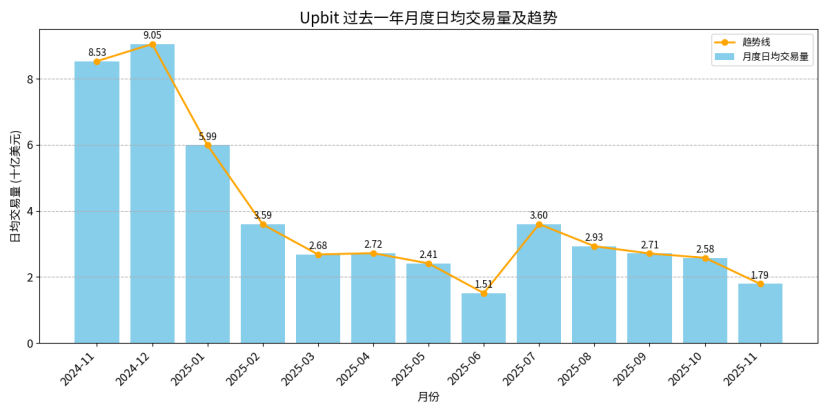
- Рынок цифровых активов Южной Кореи переживает один из самых важных структурных сбросов в своей истории. Среднедневной объем торгов на Upbit упал с 9 миллиардов долларов в декабре 2024 года до 1,78 миллиарда долларов в ноябре 2025 года, что составляет снижение примерно на 80%. Все это произошло на фоне того, что общее количество новых листингов на корейских биржах в 2025 году, наоборот, увеличилось на 141% в годовом исчислении. В то же время средства частных инвесторов активно перетекали на растущий фондовый рынок. Приводямая сектором AI-чипов во главе с Samsung Electronics и SK hynix, индекс KOSPI вырос примерно на 70%.
- «Кимчи-премия» (Kimchi Premium), когда-то считавшаяся знаковым феноменом корейского рынка, исторически составлявшая около 10%, сейчас сжалась примерно до 1,75%. Это не массовый отток капитала, а процесс нормализации, при котором спекулятивный пузырь сдувается.
- Кимчи-премия относится к разнице в цене таких криптоактивов, как биткоин, на местных корейских биржах (таких как Upbit, Bithumb) по сравнению с глобальными биржами (такими как Binance, Coinbase).
- Ключевой вопрос: эпоха криптовалют в Корее закончилась или это системный сброс перед следующей структурной волной?
2. Заморозка: разбираем замедление корейского крипторынка
Это не краткосрочная коррекция, а структурная перестройка, движимая регулированием, контролем за движением капитала и усталостью инвесторов.
2.1 Регуляторное запаздывание и неопределенность
- Закон о стейблкоинах, являющийся ключевым столпом будущего цифровых активов Кореи, был заморожен на 7 месяцев из-за споров о том, должны ли эмитентами быть банки или небанковские учреждения. В настоящее время на рассмотрении находится 6 различных предложений, и Комиссия по финансовым услугам (FSC) планирует объединить их в единый закон к концу 2025 года.
- Этот регуляторный вакуум замедляет темпы инноваций на институциональном уровне и заставляет компании Web2, исследующие токенизацию и инновации в расчетных слоях, действовать более осторожно, общая среда явно смещается в сторону избегания рисков.
2.2 Отток капитала и ловушка ликвидности
- Строгий валютный контроль в Корее блокирует приток ликвидности от зарубежных маркет-мейкеров и институтов, что приводит к хроническому одностороннему оттоку капитала с рынка.
- Закон «О валютных операциях» (Foreign Exchange Transactions Act, FETA): Нерезиденты не могут свободно владеть или гибко использовать вону, подавляющее большинство крупных валютных операций и движений капитала требуют обязательного уведомления или предварительного одобрения, что значительно ограничивает способность зарубежных институтов беспрепятственно работать на корейском рынке.
- «Руководство по обработке валютных операций» Финансовой службы надзора (FSS): местные банки сталкиваются со строгими дневными лимитами позиций, им практически запрещено предоставлять ликвидность в вонах нерезидентным учреждениям, что мешает зарубежным маркет-мейкерам создавать позиции в вонах и предоставлять真正的 двусторонние услуги ликвидности.
- Хотя и прогнозируется, что к 2030 году объем доходов рынка цифровых активов Кореи достигнет 635 миллионов долларов, в краткосрочной перспективе проблема сжатия ликвидности остается острой.
- Интересно, что корейский рынок сильно зависит от маржинальной торговли, и в случае появления нового катализатора, такого как прояснение регуляторной среды или новый глобальный рост биткоина, рынок может отреагировать крайне быстрым отскоком.
2.3 Конструктивная коррекция, а не настоящий крах
- Вместо того чтобы рассматривать охлаждение рынка как спад, лучше понимать его как возврат к норме. Корейский цикл синхронизируется с глобальными трендами: переход от экстенсивного роста, движимого спекуляциями, к фазе, более сфокусированной на полезности. Фокус участников рынка постепенно смещается с краткосрочной торговли на инфраструктуру, хранение, соответствие требованиям и прикладные уровни реального мира. Хотя этот этап болезненный, он необходим для поддержки будущего устойчивого расширения.
3. Криптогиганты коллективно высаживаются в Сеуле
- Даже несмотря на явное снижение участия местных частных инвесторов, глобальные криптогиганты по-прежнему активно наращивают присутствие на корейском рынке. Это контрциклическое расширение как раз и говорит о том, что внешние игроки по-прежнему высоко оценивают технологическую грамотность населения Кореи и долгосрочный потенциал институционального рынка.
3.1 Ключевые действия
- В октябре 2025 года Binance, приобретя Gopax, вновь крупно вошла на корейский рынок, положив конец четырехлетнему отсутствию. Это стало возможным, в том числе, благодаря смягчению ограничений на долю иностранного капитала в Корее, а также сигнализирует о готовности Кореи к дальнейшему открытию для глобальных криптокомпаний.
- Это приобретение закладывает основу для более интенсивной конкуренции на рынке, более smooth-каналов ликвидности и более сложного и зрелого продуктового предложения, что значительно улучшит продукты и услуги, доступные местным пользователям.
- Матрица ключевых показателей эффективности
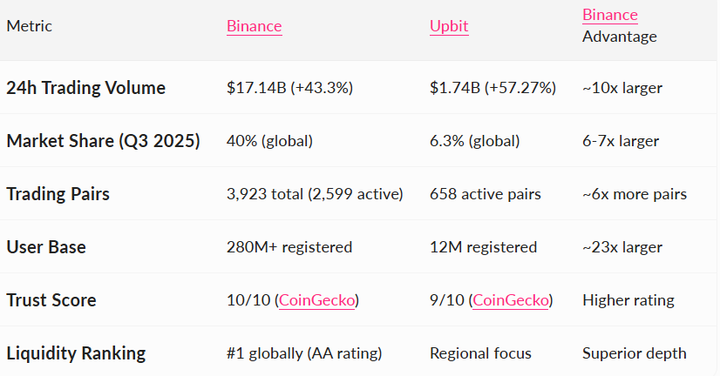
Источник: Surf AI, 2025 г.
3.2 Почему именно сейчас?
Этот момент можно понять через три стратегических фактора:
- Высокая криптограмотность и чрезвычайно высокая скорость внедрения технологий
- Корея остается одним из самых быстро принимающих новые технологии (включая ИИ и цифровые активы) рынков в мире.
- Перспективы интеграции стейблкоинов
- Местные банки, финтех-компании и интернет-гиганты, такие как Kakao и Naver, исследуют пилотные проекты со стейблкоинами, что может打通 (проложить мост) между местной финансовой системой и ончейн-миром.
- Растущий институциональный спрос
- Институциональные инвесторы Кореи проявляют растущий интерес к кастодиальным услугам, токенизации активов и законному, соответствующему нормам распределению цифровых активов, что закладывает основу для будущего устойчивого притока долгосрочного капитала.
4. Перспективы
- Текущий спад — это не конец, а структурный сброс, переводящий корейский рынок от чисто спекулятивного поведения к ориентации на полезность и большему соответствию институциональному спросу. Законодательство о стейблкоинах, институциональная инфраструктура хранения и потенциальные биткоин-ETF, скорее всего, станут ключевыми столпами следующей фазы роста. Корея вступает в новую фазу, движимую реальной ценностью продукта, образованием пользователей и合规 (соответствующим) инновациями.
4.1 Прогноз рынка
- Ожидается, что корейский крипторынок будет медленно расти со среднегодовым темпом роста (CAGR) в 2,94%, но настоящий переломный момент, вероятно, произойдет от ожидаемого одобрения биткоин-ETF в 2026 году. Эта тема уже активно обсуждается и циркулирует среди корейских политиков.
- В случае одобрения возможны следующие изменения:
- Официальное участие корейских пенсионных фондов и управляющих активами
- Массовый вход зарубежных маркет-мейкеров
- Более качественное ценовое обнаружение и более узкие спреды
Это также может восстановить статус Кореи как «хаба чистого притока капитала» в регионе.
4.2 Слияние Web2 и Web3 в Корее
- Крупные бизнес-группы (чеболи) Кореи углубляются в практические прикладные уровни блокчейна:
- Банки, финтех-компании и крупные технологические предприятия тестируют пилотные проекты со стейблкоинами и исследуют платежные и расчетные рельсы, связанные с цифровой воной.
- Upbit и Bithumb уже запустили или расширили услуги институционального хранения, позволяя местным институтам и зарубежному капиталу重新进入 (вновь войти) на рынок合规 (соответствующим) образом.
- Это знаменует переход рынка от использования, в основном спекулятивного, к моделям применения, ориентированным на инфраструктуру и фактическое использование.
4.3 Глобальное сравнение
- Регуляторный курс Кореи все больше приближается к японскому: строгий, но относительно предсказуемый. Если Корея сможет достичь аналогичной регуляторной ясности по ключевым вопросам, таким как стейблкоины, токенизация активов и ETF на цифровые активы, у нее есть все шансы стать одним из самых сбалансированных криптоцентров Азии, привлекающих как институциональных строителей, так и глобальную ликвидность.
4.4 Взгляд с точки зрения маркетинга Web3: почему Корея уделяет особое внимание реальной пригодности продукта
- В следующем цикле Кореи важным, но часто недооцениваемым структурным драйвером является растущее требование рынка к реальной пригодности продукта.
- Корея — один из немногих рынков, где биржи и пользователи主动去测试 (активно тестируют), проверяют и глубоко изучают проект, прежде чем真正接受 (действительно принять) его. Эта тенденция становится все более заметной по мере перехода рынка к фазе, движимой полезностью.
- Например:
- Викторины Upbit: образование как рыночная инфраструктура
- Upbit часто проводит образовательные викторины при листинге новых монет, требуя от пользователей ответить на вопросы о:
- Технической архитектуре проекта
- Токеномике
- Сценариях использования и реальных функциях
- Дорожной карте и профиле рисков
- Это fundamentally отличается от распространенной в других регионах модели airdrop- farming. Это сигнализирует о том, что корейские биржи больше ценят проверку, понимание и образование пользователей, а также требуют от проектов четко и глубоко объяснять свою ценность.
- Мероприятие по фактическому использованию продукта Upbit X Surf
- В 2025 году Upbit и Surf совместно провели мероприятие, поощряющее пользователей напрямую использовать продукт проекта, испытать его функции и получить значимые результаты использования.
- Это ясно демонстрирует сдвиг:
- Корейские биржи все больше重视 (придают значение) проверке на основе实际使用体验 (фактического опыта использования), а не останавливаются на поверхностном экспозурном маркетинге.
- В Корее продукт, который можно использовать и который好用 (удобен в использовании), сам по себе является лучшим маркетингом.
- Только нарратив без исполнения не может выжить здесь в долгосрочной перспективе.
4.5 Инструкция для инвесторов
Для эффективного позиционирования на этом этапе сброса инвесторам необходимо:
- Постоянно следить за ключевыми каталитическими событиями, такими как: прогресс в整合 (консолидации) законопроектов FSC, обсуждения, связанные с биткоин-ETF, и предстоящее принятие законодательства о стейблкоинах.
- Отдавать приоритет配置 (аллокации) в проекты с долгосрочной полезностью, а не в чисто зависящие от настроений и спекуляций токены.
- Уделять пристальное внимание макропоказателям четвертого квартала, поскольку исторически корейские частные инвесторы往往 (склонны) массово возвращаться на рынок в周期回暖 (циклах восстановления) аппетита к риску.
- Снижать единичные持仓 (позиции) по тематическим нарративам, полностью зависящим от политических и регуляторных временных точек, через分散配置 (диверсификацию).
Кроме того, инвесторам следует уделять особое внимание тем международным экосистемам, которые заранее布局 (размещаются) в Корее и создают本地落地 (местные) возможности. Ключевой тренд, формирующий следующий цикл Кореи, заключается в том, что глобальные экосистемы публичных блокчейнов быстро устанавливают партнерские отношения с крупными корейскими предприятиями. Это свидетельствует о том, что Корея трансформируется из рынка, ориентированного в основном на交易消费 (потребление через торговлю), в хаб «совместной разработки и深度整合 инфраструктуры (глубокой интеграции инфраструктуры)».
Пример 1: Sui x t’order
- Местный партнер: t’order (доминирующая сеть заказов с места и POS в Корее)
- Способ интеграции: поддержка платежей стейблкоинами, привязанными к воне, в сочетании с QR-кодами и оплатой по лицу, нулевая комиссия для merchants, расчет в реальном времени
Пример 2: Solana x Shinhan Securities (Синхан Секьюритиз)
- Местный партнер: Shinhan Securities (один из ведущих брокеров Кореи)
- Способ сотрудничества: подписание стратегического меморандума о взаимопонимании (MOU) для совместной поддержки предпринимателей Web3, разработчиков и развития экосистемы Solana в Корее, под руководством Superteam Korea
Пример 3: Arbitrum x Lotte Group (Группа Лотте)
- Местный партнер: Lotte Group (один из крупнейших конгломератов Кореи)
- Способ интеграции: Arbitrum предоставляет значительный грант для разработчиков Caliverse (метавселенной платформы Lotte) для интеграции блокчейна Arbitrum
5. Корейская криптозима — это сброс, а не отступление — и стратегическое окно входа для строителей
Несмотря на текущее сжатие рынка, Корея остается одним из самых динамичных крипторынков в мире. Стейблкоины помогают крупным предприятиям Web2 исследовать ончейн-расчеты и токенизацию инфраструктуры; ведущие биржи продолжают расширять услуги по хранению и институциональные услуги; а вероятность одобрения биткоин-ETF заметно увеличивает шансы на возврат зарубежной ликвидности в Корею.
Корейская криптоэкосистема не движется к концу, а ускоряет свое созревание.
Этот сброс означает: Корея переходит от площадки для частных инвесторов, движимой хайпом, к системе экономики цифровых активов с продуманной структурой, институциональной поддержкой и核心支点 (стержнем) в виде участия институтов.