Автор оригинала: KarenZ, Foresight News
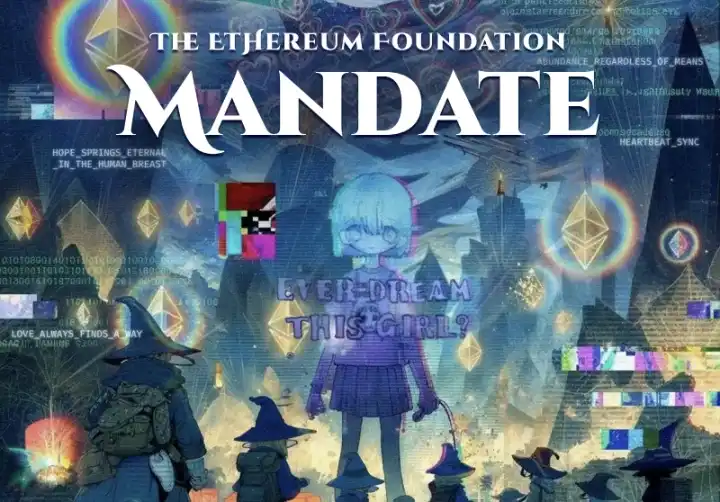
Вечером 13 марта совет директоров Фонда Ethereum (EF) опубликовал миссионерский манифест «EF Mandate».
Когда вы откроете этот манифест, вам может показаться, что вы попали не туда — экран усыпан звездами, эльфами, волшебниками и версткой, похожей на аниме-постер. Под этой крутой оболочкой скрывается «идейная платформа» нынешней экосистемы Ethereum.
TL;DR
- Ключевая позиция EF: быть хранителем, а не правителем. Конечная цель EF — пройти «тест на отключение» (Walkaway Test) — даже если завтра Фонд Ethereum распустят, сеть Ethereum продолжит идеально работать.
- Закон CROPS — это красная линия: любая технологическая разработка должна удовлетворять требованиям цензуроустойчивости (Censorship Resistance), открытости исходного кода (Open Source), конфиденциальности (Privacy) и безопасности (Security). Эти четыре свойства неразделимы, и никакие приоритеты развития не могут ставиться выше них.
- Филосогия действий EF: Фонд делает меньше, чтобы Ethereum стал более устойчивым. Когда экосистема достаточно созреет, Фонд Ethereum постепенно передаст полномочия.
- Чего не делать: не быть «создателем королей», не быть рейтинговым агентством, не быть маркетинговой организацией, занимающейся продвижением, и не поощрять использование Ethereum в качестве «большого казино».
- Конечное видение: смотреть на 1000 лет вперед, предоставляя «цифровое убежище», свободное от эксплуатации властью, капиталом, ИИ и даже семьей.
Какую именно проблему решает Ethereum?
EF считает, что в цифровую эпоху есть две вещи, являющиеся базовыми потребностями инфраструктурного уровня: контроль над своими данными, идентичностью и активами (самостоятельный суверенитет), а также возможность сотрудничать с другими без того, чтобы кто-либо мог «перекрыть кислород» (координация с сохранением суверенитета).
Если стремиться только к первому, достаточно запустить приложение локально; если только ко второму — подойдет традиционный интернет. Уникальная ценность Ethereum заключается как раз в одновременном достижении обеих целей.
В манифесте есть такая фраза: Ethereum существует для того, чтобы никто не мог вас «кинуть» — ни правительство, ни компания, ни институт, ни ИИ.
Вокруг этой цели EF предложил аббревиатуру: CROPS. Это слово встречается в манифесте 32 раза.
- Censorship Resistance (Цензуроустойчивость): никто не может помешать вам делать законные вещи, какое бы давление извне ни оказывалось, нейтральность защищается криптографией.
- Open Source & Free (Открытый исходный код и свобода): весь код и правила раскрыты, нет скрытых черных ящиков.
- Privacy (Конфиденциальность): ваши данные принадлежат вам, а не платформе. Вы решаете, с кем и какой информацией делиться.
- Security (Безопасность): необходимо защищать как систему, так и пользователей от технических сбоев, принуждения и других угроз.
Эти четыре свойства в документе определены как «неделимое целое», это высший приоритет, красная линия, на которую нельзя идти ни по каким причинам.
Позиция EF четкая: лучше медленнее, но сделать все правильно с первого дня. Потому что если от этого отказаться, вернуть обратно будет почти невозможно.
Что Фонд делает? Чего не делает?
EF рассматривает «стать ненужным для себя» как конечный критерий успеха.
В документе есть термин «walkaway test» (тест на уход), означающий: если EF исчезнет завтра, сможет ли Ethereum продолжать работать самостоятельно и развиваться? Цель EF — чтобы ответ на этот вопрос стал «да».
Поэтому EF воплощает философию «развития через уменьшение»: фокусируется на ключевых задачах, которые никто в экосистеме не может или не хочет делать — основные обновления протокола, долгосрочные технологические исследования, общественная безопасность. Как только какая-либо область может быть передана сообществу, EF передает ее, further уменьшая свое относительное влияние.
Также EF составил для себя длинный список «неделания», который читается как серьезный отказ от ответственности: не компания, не создатель королей (kingmaker), не сертифицирующий орган, не продуктовая студия, не маркетинговая компания, не босс, не государственное учреждение, не казино, не оппортунист.
Когда нет готового ответа, как EF будет принимать решения?
Выше было много общих принципов: CROPS, самостоятельный суверенитет, философия уменьшения. Но что делать при столкновении с конкретными проблемами? Эта глава — ответ.
Она有点像 «алгоритм принятия решений» Фонда: когда есть два пути, как выбрать, не предав初心?
- При выборе технологического решения выбирать то, которое «не перекроет кислород в будущем», даже если сейчас оно медленнее. Пример из документа — распространение транзакций: одно решение производительнее, но зависит от частной сети реле (система белых списков), другое — децентрализовано, но продвигается медленнее. Ответ EF, вероятно, второе, потому что если реализовать первое, то «децентрализовать потом» вряд ли произойдет.
- При проектировании или оценке предложения смотреть не только на текущий уровень, но и думать о влиянии на другие уровни. Некоторые решения сами по себе не problem, даже соответствуют принципам CROPS, но если посмотреть на всю экосистему, они могут создавать новые проблемы в других местах. Не стоит решать одну problem, создавая десять.
- Безопасность пользователей важна, но не решать за пользователей. Давать пользователям только инструменты для самостоятельной защиты, никогда не вводить «патерналистские» ограничения, не позволять никому под предлогом «защиты пользователей» лишать их права самостоятельного выбора. Например, некоторые кошельки по умолчанию включают «безопасный режим», тихо блокируют certain контракты, направляют пользователей на указанные платформы или даже используют непрозрачный ИИ для определения «рискованных операций», а также тихо собирают данные о поведении пользователей — все это Фонд отвергает. Настоящая защита — это предоставление пользователям проверяемых инструментов фильтрации, открытых черных и белых списков; какие бы инструменты ни были, по умолчанию они защищают конфиденциальность, включая компоненты ИИ.
- Если посредник неизбежен? — снижать барьеры, оставлять путь к отступлению: если в некоторых областях сейчас действительно не обойтись без посредников, то нужно снизить порог входа до минимума, позволить рынку fully конкурировать, и обязательно оставить пользователям альтернативу «без посредников», причем эта альтернатива должна быть удобной и реализуемой.
- При выборе, какие команды поддерживать, смотреть не на социальный光环, а на фактические технологические choices. Многие проекты на словах говорят о CROPS, но в实际ном design скрывают закрытые ключевые环节, вводят белые списки, направляют пользователей по固定ному пути — к этому нужно относиться警惕тельно.
Идеалы богаты, реальность скудна
Этот манифест звучит весомо, но реалии никогда не перестают задавать вопросы.
Представляет ли этот документ консенсус всех или лишь идеалы部分 авторов? Если в EF сменится состав, будет ли это still действовать? Кто будет监督 выполнение?
Более现实ные вопросы:
- Операционный бюджет EF在很大程度上 зависит от持有的 ETH资产. Если цена ETH низкая, бюджет будет сжат. «Не在乎价格» — это лишь精神自律, а не财务现实.
- Правила CROPS идеальны, но мир живет не по CROPS.
- Большинство пользователей действительно在乎: быстро, дешево, удобно.
- EF настаивает на «полном CROPS с первого дня», но не отстанет ли Ethereum по пользовательскому опыту и коммерциализации от более «прагматичных» конкурентов?
- Как оценивать «делание» и «неделание» EF? Как привлекать к ответственности? Как судить, хорошо ли проходит «координация»?
Сообщество раскололось: панк-идеалы vs оторванность от реальности
Прошло less 24 часов с момента публикации манифеста, а отклики сообщества уже поляризованы:
Критики:
- Исследователь Eigen Labs Kydo直言, что нынешнее направление EF развернулось на 180 градусов, опровергнув предыдущий «прагматичный курс» поддержки стейблкоинов, входа институций, RWA, и маргинализировав当前最有市场的应用;
- Председатель Forward Ind. высказался: «Они строят то, что хотят, а не то, что хотите вы» — обвиняя EF в строительстве лишь по идеализму, игнорируя потребности сообщества и рынка;
- Основатель Hazeflow Pavel Paramonov назвал это «еще одной кучей идеологического мусора», не прояснившей конкретное направление развития Ethereum.
Сторонники:
- Основатель Namefi Zainan Victor Zhou считает, что эти ограничения предназначены для организации EF, а не для всей экосистемы;
- Профессор Колумбийской бизнес-школы Omid Malekan указал, что CROPS как раз является основой лидерства Ethereum в финансовой сфере — оно provides真正的 «право доступа + проверяемость + защита прав собственности».
Столкнувшись со спорами, Виталик Бутерин лично вмешался для разъяснений: этот манифест «для многих не стал неожиданностью» и это то направление, о котором EF размышляет последние месяцы. EF — лишь хранитель Ethereum, остальное отдается более широкой экосистеме — это начало новой главы.
В конце манифеста фраза на итальянском: «E quindi uscimmo a riveder le stelle» — из «Божественной комедии» Данте (Ад, песнь XXXIV), дословно означает «И мы вышли, чтобы вновь увидеть звезды».
EF также создал мем «SOURCE SEPPUKU LICENSE (Лицензия на сэппуку исходного кода)», на котором написано: «Если Фонд не сдержит свои торжественные承诺 перед Ethereum, пусть пожнет плоды и совершит самоубийство».
EF сравнивает себя с путником, идущим сквозь ад, даже если придется пройти through现实ные испытания и сомнения, чтобы двигаться к звездам «цифровой свободы». Конечно, время даст ответ.