Данные: Процентные ставки по стейблкоинам в DeFi достигли самого низкого уровня с июня 2023 года
Blockworks сообщил на платформе X, что процентные ставки по стейблкоинам в DeFi упали до самого низкого уровня с июня 2023 года.
Данные: Количество транзакций со стейблкоинами в феврале достигло 1,8 триллиона, установив исторический рекорд; Доля транзакций USDC составила около 70%, что примерно в 2 раза больше, чем у USDT
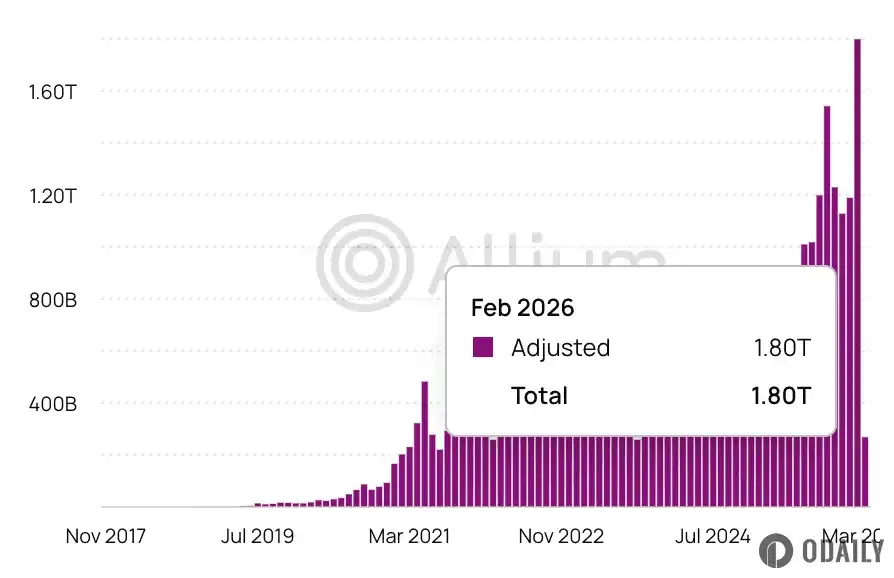
Согласно данным сайта Allium, количество транзакций со стейблкоинами в феврале достигло 1,8 триллиона, установив месячный исторический рекорд; среди них доля транзакций USDC составила 70% от общих рыночных данных, что составляет примерно 1,26 триллиона транзакций, что примерно в 2 раза больше, чем у USDT, количество транзакций которого составило около 514 миллиардов.
Сенат Флориды единогласно принял закон о регулировании стейблкоинов, создав государственную нормативную базу для платежных стейблкоинов
В четверг сенат Флориды принял законопроект Сената № 314 при 37 голосах «за» и 0 «против», проложив путь для создания в штате нормативной базы для выпуска платежных стейблкоинов. Этот законопроект и сопутствующий законопроект Палаты представителей № 175 будут представлены губернатору Рону ДеСантису для подписания в течение следующих 30 дней. Сообщается, что законопроект запрещает эмитентам платежных стейблкоинов выплачивать держателям любой вид процентов при условии, что «федеральный закон запрещает такие выплаты». В тот же день был принят сопутствующий законопроект CS/CS/SB 1440, расширяющий защиту конфиденциальности информации для предприятий виртуальной валюты, квалифицированных эмитентов стейблкоинов и других учреждений для защиты коммерческой тайны и непубличной информации.
Генеральный директор комиссии по ценным бумагам Гонконга: Необходимо кардинально модернизировать рыночную инфраструктуру, интегрировать инновационные проекты, связанные с токенизацией
Генеральный директор комиссии по ценным бумагам Гонконга Джулия Лейн выступила с keynote-речью на диалоге по финансовым услугам ЕС-Азия Ассоциации азиатской индустрии ценных бумаг и финансовых рынков 2026 года. Она заявила, что Гонконг должен кардинально модернизировать рыночную инфраструктуру, особенно в области фрагментации финансовых продуктов, клиринга и расчетов, а технология распределенного реестра (distributed ledger technology) и развитие токенизации предлагают выход. Истинная ценность токенизации заключается в ее программируемом характере, который поддерживает широкий спектр инвестиционных продуктов, включая облигации, фонды и даже золото. По мере роста экосистемы токенизации необходимо эффективно интегрировать связанные инновационные проекты, бесшовно сочетая доверие к традиционным финансам с эффективностью децентрализованных финансов, чтобы further высвободить ликвидность. Джулия Лейн透露ла, что комиссия по ценным бумагам Гонконга совместно с Австралийской комиссией по ценным бумагам и инвестициям возглавила рабочую группу под комитетом Азиатско-Тихоокеанского региона по борьбе с онлайн-мошенничеством и обменивалась разведданными с глобальными коллегами, участвуя в установлении стандартов и координации работы в таких областях, как цифровые активы.
Южнокорейские финансовые власти планируют запретить корпоративные инвестиции в стейблкоины
В «Руководстве по сделкам с виртуальной валютой для юридических лиц», разрабатываемом Финансовой комиссией Южной Кореи, разрешенные для инвестиций активы не будут включать стейблкоины. Это руководство направлено на разрешение публичным компаниям и зарегистрированным профессиональным инвестиционным юридическим лицам совершать сделки с цифровыми активами в инвестиционных или финансовых целях. Власти, чтобы предотвратить неупорядоченные инвестиции на начальном этапе рынка, решили исключить долларовые стейблкоины, такие как USDT и USDC, из разрешенного диапазона.
Одной из причин исключения стейблкоинов является то, что действующий в Южной Корее Закон о валютных операциях не признает стейблкоины средством внешних платежей. Включение стейблкоинов в разрешенный для инвестиций диапазон создаст противоречие с действующей правовой системой, что будет равносильно косвенному разрешению компаниям использовать стейблкоины в торговых и других коммерческих целях. В настоящее время Национальное собрание Южной Кореи рассматривает поправку к Закону о валютных операциях, которая предполагает признание стейблкоинов платежным средством; этот законопроект был внесен в октябре прошлого года.
Сообщается, что некоторые публичные компании с высокой долей торговли требовали включения стейблкоинов в разрешенный диапазон, чтобы использовать их для хеджирования валютных рисков. Даже будучи исключенными из руководства, компании все еще могут совершать операции со стейблкоинами через личные кошельки или зарубежные биржи. По словам инсайдеров, соответствующая рабочая группа уже завершила свою работу, но сроки публикации руководства связаны с процессом законодательного оформления базового закона о цифровых активах.
Минфин России планирует внести законопроект о стейблкоинах, назвав их «огромным потенциалом»
Чиновники Министерства финансов России заявили, что рассматривают возможность внесения отдельного законопроекта о стейблкоинах, а не включения их в готовящиеся нормативные акты о криптобиржах. Начальник Управления финансовой политики Минфина Алексей Яковлев заявил, что стейблкоины обладают «огромным, даже чрезвычайно огромным потенциалом».
Россия уже рассматривает стейблкоины как потенциальный инструмент обхода санкций. Яковлев заявил, что после того, как Госдума примет законопроект, запрещающий гражданам торговать криптоактивами на платформах без лицензии на осуществление деятельности, будет начата работа по регулированию стейблкоинов. Ожидается, что этот криптозаконопроект будет внесен в Госдуму на весенней сессии и может вступить в силу уже в июле.
В настоящее время стейблкоины не имеют законного статуса в российском законодательстве, и Минфин заявил, что надеется решить эту проблему в ближайшее время. Яковлев заявил, что правительство хочет обеспечить, чтобы стейблкоины «служили экономическим интересам, особенно внутренним». Ранее Банк России установил категорию «иностранных цифровых прав», первый одобренный стейблкоин — привязанный к рублю стейблкоин A7A5, был разрешен для использования в зарубежной торговле в октябре прошлого года. Согласно данным DefiLlama, с начала 2025 года общая стоимость выпущенных стейблкоинов выросла более чем на 51%, достигнув 311 миллиардов долларов.
Частный кредитный фонд Blackrock на 26 миллиардов долларов ограничил выкупы, вызывая опасения по поводу перелива давления на Bitcoin и DeFi
Частный кредитный фонд под управлением гиганта по управлению активами Blackrock объемом около 26 миллиардов долларов начал ограничивать снятие средств из-за роста запросов на выкуп, что вызвало опасения по поводу перелива напряженности с глобального рынка частного кредитования. Аналитики предупреждают, что риски также могут передаваться напрямую через цепочку, данные показывают, что объем частного кредитования на цепи в настоящее время приближается к 50 миллиардам долларов, в основном в форме токенизации RWA, поступающей в DeFi; в случае обесценения или дефолта базовых кредитных активов, колебания чистой стоимости связанных токенов могут вызвать ликвидацию или ужесточение ликвидности, тем самым передавая давление традиционного кредитования в экосистему DeFi. Кроме того, напряженность в этой области может передаваться на крипторынок через два канала: макроразрыв и продукты токенизированного кредитования; если частные кредитные фонды будут вынуждены сокращать leverage или продавать активы, это может вызвать цепную реакцию на более широком рынке рисковых активов и затронуть криптоактивы, включая Bitcoin.
Платежная компания на основе стейблкоинов KAST привлекла 80 миллионов долларов финансирования при оценке около 600 миллионов долларов
Платежная компания на основе стейблкоинов KAST завершила раунд финансирования на 80 миллионов долларов, со-лидерами раунда выступили QED Investors и Left Lane Capital. Средства будут использованы для экспансии в Северной Америке, Латинской Америке и на Ближнем Востоке, а также для найма, получения лицензий и разработки продуктов. Новая оценка составляет около 600 миллионов долларов. По словам инсайдеров, условия раунда были согласованы в октябре, и ожидается, что годовая выручка компании в этом году вырастет до 100 миллионов долларов.
Аналитик Bloomberg: Токенизация акций не заменит ETF, а расширит доступ для инвесторов
Старший аналитик ETF Bloomberg Эрик Балчунас написал на платформе X, что запуск Nasdaq framework токенизации акций направлен на разрешение таким акциям, как Nvidia и Tesla, торговаться как традиционные акции, а также в форме токенов blockchain, эта инициатива создаст мост между традиционным фондовым рынком и инвесторами blockchain, сделав способы торговли акциями более разнообразными. Токенизация акций не заменит ETF, а будет распределять их в chain, предоставляя возможности для участия глобальным инвесторам, особенно в недостаточно развитых странах и регионах; вывод самых популярных в мире ETF и акций на chain является благом для рынка.
Динамика热点项目 (горячих проектов)
Ondo Finance (ONDO)

Краткое описание:
Ondo Finance — это децентрализованный финансовый протокол, специализирующийся на структурированных финансовых продуктах и токенизации реальных мировых активов (RWA). Его цель — предоставить пользователям продукты с фиксированным доходом, такие как токенизированные казначейские облигации США или другие финансовые инструменты, с помощью технологии blockchain. Ondo Finance позволяет пользователям инвестировать в низкорисковые, высоколиквидные активы, сохраняя при этом прозрачность и безопасность децентрализации. Его токон ONDO используется для управления протоколом и стимулирования, платформа также поддерживает кросс-чейн операции для расширения своего применения в экосистеме DeFi.
Последние новости:
9 марта, согласно официальному объявлению, кошелек Binance запустил на Binance Alpha торговый конкурс токенизированных ценных бумаг Ondo. Время проведения: 9 марта 2026 года, 18:00 — 23 марта 2026 года, 18:00 (время UTC+8). В течение периода проведения мероприятия первые 20 000 пользователей по объему торгов токенизированными ценными бумагами Ondo на Binance Alpha разделят вознаграждение в эквиваленте 500 000 долларов США в IAUon.
Ранее Ondo Finance сообщил на платформе X, что DeFi-приложение для токенизированных акций Ondo с поддержкой Chainlink в качестве официального оракула данных теперь запущено. Такие активы институционального уровня ценообразования, как QQQon, TSLAon, теперь разблокированы в качестве высококачественного залога для акций на chain. Благодаря ликвидности TradFi и данным оракула, токенизированные американские акции Ondo теперь могут поддерживать кредитование на chain и структурированные продукты, первыми запущенными проектами стали казначейские фонды Euler Finance, с управлением рисками от Sentora и защитой, обеспечиваемой Chainlink. Это первый случай, когда токенизированные акции используются в качестве залога в Ethereum DeFi.
MSX(STONKS)
Краткое описание:
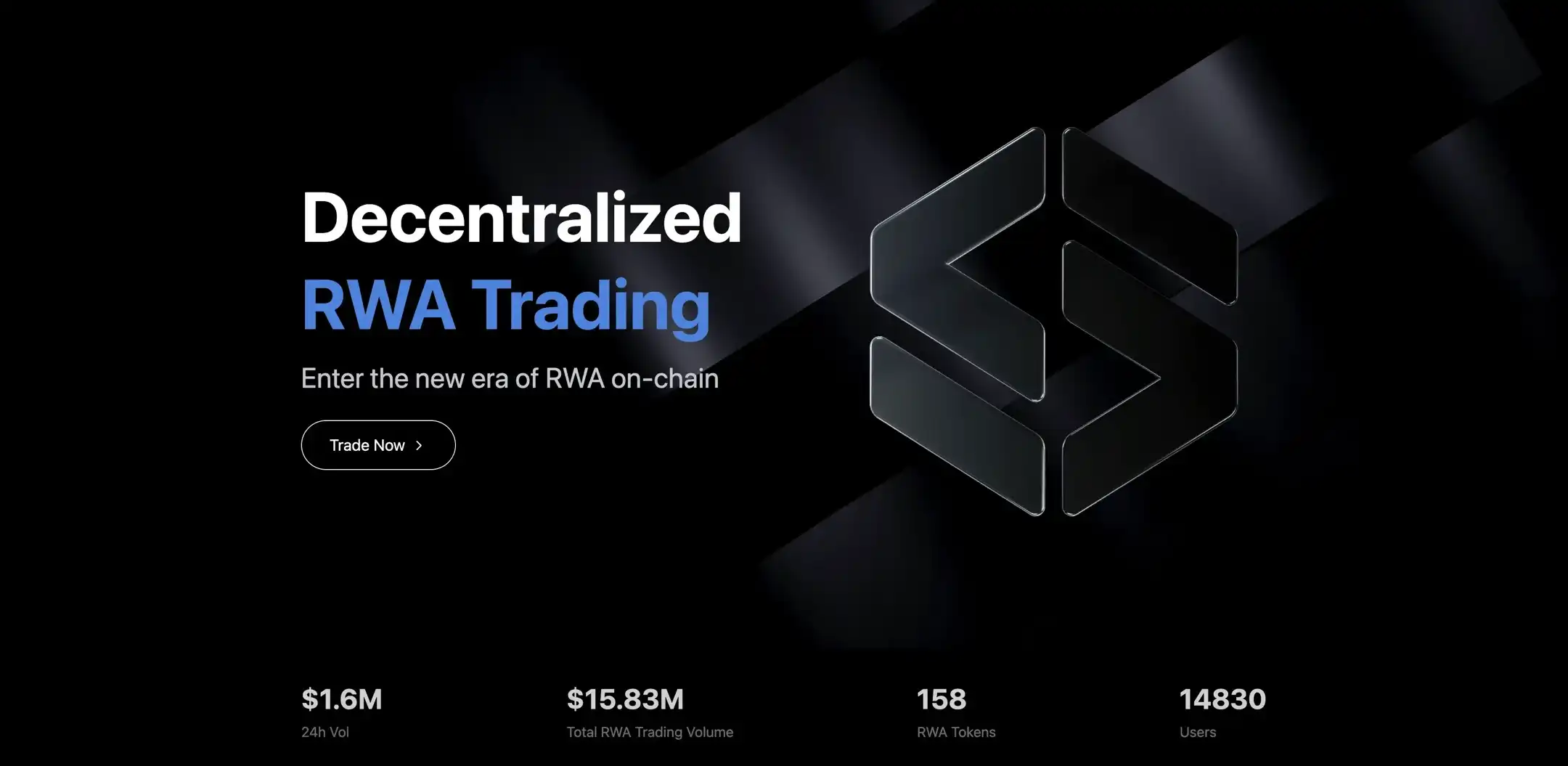
MSX — это управляемая сообществом DeFi-платформа, специализирующаяся на токенизации и торговле на chain таких RWA, как американские акции. Платформа, сотрудничая с Fidelity, реализует физическое хранение 1:1 и выпуск токенов. Пользователи могут использовать стейблкоины USDC, USDT, USD1 и другие для чеканки токенов акций, таких как AAPL.M, MSFT.M, и торговать ими на blockchain Base круглосуточно. Все процессы торговли, чеканки и погашения выполняются смарт-контрактами, обеспечивая прозрачность, безопасность и возможность аудита. MyStonks стремится стирать границы между TradFi и DeFi, предоставляя пользователям точку входа для инвестиций в американские акции на chain с высокой ликвидностью и низким порогом входа, создавая «Nasdaq в мире криптовалют».
Предыдущие новости:
2 марта официально объявила платформа Maiton MSX, что официально запустила блок Pre-IPO и начала первичное размещение. Первая партия открытых лотов включает квоты на акции 4 непубличных компаний: SpaceX (3 миллиона долларов), ByteDance (2 миллиона долларов), Lambda Labs (1 миллион долларов) и Cerebras Systems (500 тысяч долларов). Соответствующие пользователи могут участвовать в подписке через платформу MSX, минимальная сумма подписки на одну транзакцию составляет 10 долларов. Этот блок Pre-IPO построен на основе структуры сотрудничества MSX и Republic, соответствующие активы подключены через соответственные каналы и хранятся у регулируемой сторонней организации-кастодиана. MSX заявила, что в будущем будет поэтапно расширять диапазон лотов Pre-IPO и исследовать технические пути повышения ликвидности активов.
Ранее Maiton MSX объявила, что ее официальный веб-сайт msx.com завершил 11 февраля 2026 года полное обновление дизайна. Этот ребрендинг был проведен вокруг трех направлений: «визуальная реконструкция, оптимизация взаимодействия, передача бренда», включая использование темной финансовой цветовой схемы, внедрение нового скевоморфного стиля и элементов персонажей, а также реорганизацию布局 модулей котировок и функций. Взаимодействии, веб-сайт увеличил свободное пространство на странице на основе системы сеток, ослабил干扰 неключевой информации, сконцентрировал и упростил входы и кнопки в высокочастотных областях, таких как котировки, позиции, размещение ордеров, чтобы сократить путь操作. В то же время сайт единообразно использует фирменный зеленый цвет для标记 ключевых операций и обратной связи по статусу, повышая читаемость ключевых шагов, таких как размещение ордера и подтверждение, снижая риск ошибочного нажатия и误判.
Связанные ссылки
《Серия еженедельных обзоров RWA》
《После повышения статуса стейблкоинов старые партнеры Circle и Stripe отбирают друг у друга территорию》
《Нью-Йоркская фондовая биржа купила долю в OKX с оценкой в 25 миллиардов долларов, токенизация акций официально вышла на берег》